

Wholesale Pizza Boxes That Keep Pizza Fresh and Costs Down for Restaurant Owners
2026-11-19
Every pizza order starts the same way: a hot pie sliding into a cardboard box. But for restaurant owners, that box is far more than packaging. It is a quiet cost that adds up fast, a steam trap that can turn a crispy crust soggy, and a first impression your customer carries out the door. If the box does not breathe, the pizza loses its crunch. If the box is flimsy, toppings shift and customers complain. And if the box is overpriced, your margins disappear slice by slice. That is why operators are switching to wholesale pizza boxes engineered for both performance and budget. With Zemeijia, you get a supplier that understands the balance between freshness, durability, and cost. This guide breaks down what to look for in a wholesale pizza box, how to avoid common mistakes, and why the right choice can keep your pizza fresher longer while keeping your overhead low.
The Sog Factor Is Quietly Raising Your Food Costs
That bag of frozen shrimp or pack of chicken breasts often carries more than the label lets on. A thin glaze of ice, a saltwater solution, or moisture trapped in packaging can quietly add weight that has nothing to do with the actual food. You pay by the pound, so a portion of the bill goes straight to water that will end up in the pan or down the drain.
The effect shows up most clearly when the food hits heat. Shrimp shrink, chicken releases a cloudy liquid, and a once-generous fillet turns thin and dry. That lost water was part of the purchase weight, which means the real cost per serving is higher than the sticker suggests. It is a subtle markup hidden inside something as ordinary as moisture.
Checking the fine print helps. Words like "contains up to a solution" or "ice glaze" are clues, and weighing items after thawing can reveal how much actual food you bought. Comparing prices by drained or cooked weight, rather than package weight, often tells a very different story about what that meal truly costs.
Vents Cut for What You Actually Bake
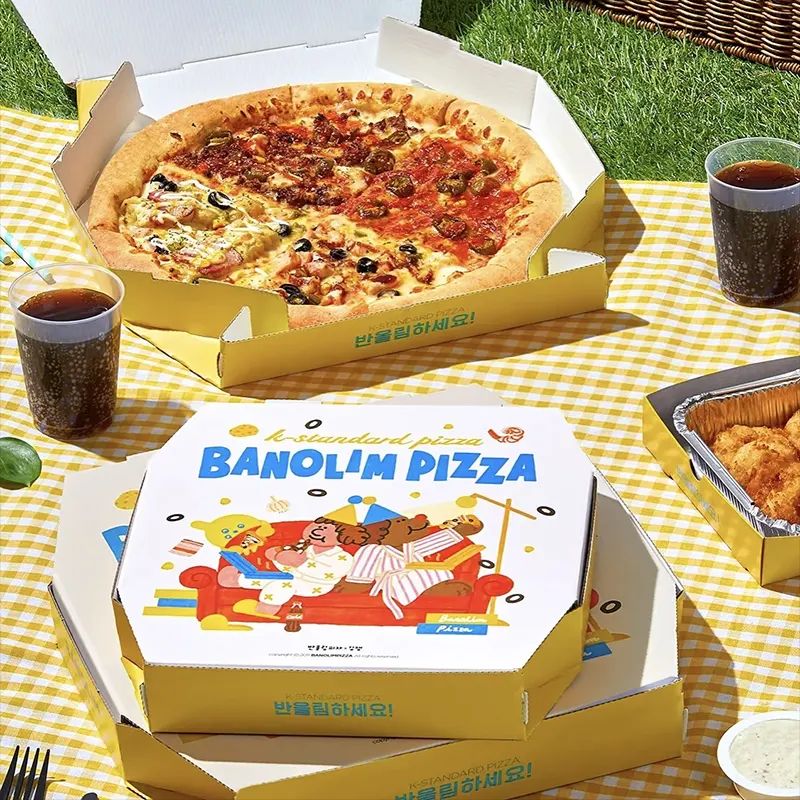
Most bakeware treats venting as an afterthought, but the size and placement of the openings change how heat and steam move around whatever is in the pan. This design starts from the food instead of the other way around: shallower cuts for fruit crumbles that need to hold a little moisture, wider gaps for sheet-pan vegetables that would otherwise sit in their own juices. The bake finishes more evenly without constantly rotating the pan or guessing when to crack the oven door.
For breads and pastry, the vents sit where steam needs to escape so the crust can set while the base stays dry. Denser batters get fewer openings, which keeps the middle from drying out before the edges firm up. It is a small adjustment that fits the way people actually bake on an ordinary weeknight, not just under ideal test-kitchen conditions.
Bulk Pricing That Does Not Assume a One-Size Menu
Most bulk pricing tables work from the assumption that every buyer is ordering the same basket of items, but real menus rarely work that way. Here, the quote is built around the actual mix of dishes in your cart, so a tray of sides and a run of premium entrees are not pushed through the same discount formula.
That matters because kitchens carry different margins on different items. A flat percentage off the whole order can quietly erase profit when the bulk request leans toward high-cost plates. Instead, pricing responds to what is in the order: lighter-hold items, prep-heavy dishes, and high-volume staples are each weighed on their own terms.
The result is a quote that reflects the food you actually selected rather than forcing your order into a prewritten tier. You keep the flexibility to mix menu categories, adjust quantities, and still see pricing that accounts for the real composition of the order.
Boxes That Stay Rigid When the Cheese Greases Through
Cardboard can turn soft the moment oil works its way through, but a well-built box holds its shape anyway. The trick often comes down to a wax or polyethylene lining that keeps grease from soaking into the fibers. When that barrier does its job, the corners stay crisp and the bottom never sags, even after a stack of slices has been sitting inside for an hour.
Some designs go further by using a tighter flute profile or a coated kraft paper that resists moisture without adding bulk. You can pick the box up from the sides and it feels the same as when it was empty, no buckling or warping near the fold lines. That rigidity matters more than people expect, especially for delivery orders where the package gets tilted, stacked, or handed off in a hurry.
A box that holds up under grease also changes how people eat. The last piece doesn't end up swimming in a collapsed corner, and the lid still fits when you want to close it back up. It is the kind of small detail that makes a cheap slice feel like it came from a place that actually cares about how the food travels.
Custom Footprints Without Custom Tooling Fees
Custom footprints usually carry an unspoken cost: a tooling charge that appears before a single part is made. That fee often forces design teams to compromise on pad geometry, keep-out zones, or board real estate simply to avoid a line item in the budget. When the tooling fee is removed, the footprint stops being a constraint and starts behaving like any other editable part of the layout.
Without non-recurring tooling costs, you can adjust solder fillet profiles, pin spacing, and thermal relief shapes across revisions without triggering a new round of approvals. A prototype can move from a slightly oversized pad to a production-ready footprint in the same afternoon because the only thing changing is a set of dimensions, not a hardened steel form.
The practical advantage shows up in mixed-lot work where several board variants share a common mechanical outline. You can fine-tune each footprint to its specific copper weight, soldering process, or enclosure clearance instead of forcing one compromise shape across all of them. The result tends to be cleaner wetting, fewer tombstoned passives, and fewer calls back to the fab about pads that never quite fit.
Flat Storage, Fast Folds, Fewer Dents
A flat storage design doesn’t just save shelf space — it changes how the fabric behaves between uses. Instead of resting on sharp creases or stacked under weight, the material stays relaxed, which means fewer pressure marks and less time spent steaming before you head out the door.
The folding method matters more than most people expect. Because the garment lies flat, each fold becomes a clean, predictable motion rather than an awkward bundle. You can pack in seconds, without wrestling sleeves or re-creasing panels, and the fabric keeps its shape through repeated trips.
Over time, this approach pays off in the details: collars stay crisp longer, plackets don’t curl, and the front panels avoid that tired, rumpled look that comes from tight rolls or overstuffed drawers.
FAQ
Most of it comes down to vent placement. Plain boxes trap steam from the crust and sauce, and that moisture settles right back into the base. Boxes with small side vents or a slightly raised lid let that hot air escape without making the pie cold. For delivery-heavy kitchens, a vented box usually beats a cheaper solid box because the crust stays firmer after 20 minutes in a bag.
They tend to be, yes. The difference in price per box is often a fraction of a cent to a cent and a half, but you save on refunds and upset customers who get a limp slice. If your average delivery time runs over 15 minutes, the vents earn their cost back fast. If most orders are counter pickups eaten within minutes, a standard box is usually fine.
Order by the pallet rather than case by case. Corrugated stock in common sizes like 12, 14, and 16 inch is produced in huge runs, so per-unit cost drops when you commit to several months of inventory. You also avoid short-notice reorders from restaurant supply shops, which tend to mark up individual bundles. Just watch storage conditions; a damp or greasy stockroom can ruin a large order faster than any shipping damage.
A clay-coated or poly-coated board gives you a barrier that keeps oil from bleeding through the sides. For deep dish and extra cheese, a fluted E-flute corrugated with a grease-resistant liner is worth the slight price bump. Plain kraft boxes soften quickly, and once the bottom flexes, the whole box loses structure.
It used to require massive minimums, but many suppliers now offer flexographic printing with lower setup costs if you stick to one or two ink colors. A simple logo, phone number, and handle on a white or kraft box costs far less than people expect at the 2,000 to 5,000 box range. The key is avoiding four-color artwork and ordering a standard blank size so the printer doesn't need custom dies.
Stocking two or three sizes instead of five usually saves more money than chasing a perfect fit for every pie. A 12-inch and 16-inch cover most menus, and a 14-inch handles the in-between orders. Square boxes with shallow walls stack tighter on a shelf and in a delivery bag, so drivers spend less time rearranging orders.
They help with serving. A tear-away top can turn into four makeshift plates for a group order, and a perforated side panel makes it easier to slide a slice out without touching the whole pie. That may not sound like much, but on big catering orders it speeds up setup and cuts down on napkin and plate use.
Keep them at least six inches off the floor, away from the dish pit and anything that produces steam. Bundles should stay wrapped until you need them, and if you have the space, store them flat instead of on edge. Heat and moisture are the real problems. Once the flutes swell, the boxes lose their stacking strength and can pick up a musty smell that transfers to food.
Conclusion
A pizza box usually fails long before a customer notices the soggy center of the crust, but restaurant owners feel it in food costs and repeat orders. Moisture trapped under a closed lid is not just a texture complaint; it quietly pushes cheese and toppings into the cardboard, wastes product, and forces kitchens to overcook or use extra liners. The better wholesale boxes handle this by matching vent placement and cut to the actual bake, not some generic steam pattern. That means a thin-crust pie and a heavy deep-dish do not share the same hole count, so steam escapes without drying the edges. Once the cheese grease starts moving, the box still needs to hold its shape on a delivery bike rack or stacked in a car trunk. A rigid corrugated base keeps corners from buckling, which matters more than any glossy print.
Cost control is not just the price per unit; it is how the box fits a menu and a storage shelf. Bulk pricing works better when you are not forced to order one footprint and pretend every pizza is the same size. Some suppliers let you mix sizes or adjust dimensions without charging for custom tooling, which removes a hidden fee that used to make oddball personal-pan or Sicilian boxes too expensive to justify. Flat-packed cases also cut the slow, annoying part of a shift. Boxes that arrive pre-assembled or weakly scored eat time and show up dented. Fast folds and compact storage mean less damage before the box even touches a pie, fewer trips to the back shelf, and a lower chance of a torn corner ruining an otherwise solid order.
Contact Us
Contact Person: Sasha Du
Email: [email protected]
Tel/WhatsApp: +86 13869836645
Website: https://www.zmjpackagings.com/