

Wholesale Laser Printable Wristbands: Durable and Customizable Solutions for Events and Healthcare
2026-10-22
Most event planners and healthcare coordinators don't realize how much time they lose to flimsy, smeared, or poorly fitting wristbands until they switch. BAOBI changes that with wholesale laser printable wristbands built to survive sweat, sanitizer, and long shifts—while staying fully customizable for your brand or patient flow. Here's why they're becoming the quiet MVP of check-ins, crowd control, and care coordination.
When a Wristband Has to Survive Rain, Sweat, and Hand Sanitizer
Daily wear exposes wristbands to a surprisingly harsh mix of moisture. Rain soaks into porous materials, sweat leaves behind salt crystals that slowly abrade the surface, and alcohol-based hand sanitizer can dissolve certain plastics or strip away color coatings. A band that merely looks durable often fails within weeks once these three elements show up together. The real test is whether the material stays supple and keeps its shape after repeated wet-dry cycles, not just whether it survives a single splash.
Material selection makes a bigger difference than most people realize. Silicone and fluororubber are common choices because they resist alcohol and salt better than standard TPE or leather. Yet even silicone can develop a tacky film if it reacts with hand sanitizer over time. Higher-grade formulations add stabilizers that slow down that degradation. The clasp area is another weak point: sweat and rain collect under metal buckles, leading to corrosion or unpleasant odors if the hardware is not properly coated or made from marine-grade stainless steel.
Testing for these conditions is not as simple as dunking a wristband in water. Manufacturers that take the challenge seriously run accelerated aging tests using artificial sweat at body temperature and repeated wipes with 70% isopropyl alcohol. They check for swelling, color fading, and loss of elasticity after hundreds of cycles. A band that passes that kind of routine can hold up to a nurse’s frequent sanitizing, a runner’s long summer miles, or a sudden downpour without turning brittle or sticky. That kind of resilience is what separates a throwaway accessory from one you actually keep wearing.
Laser Printing That Stays Legible Long After the Event Ends
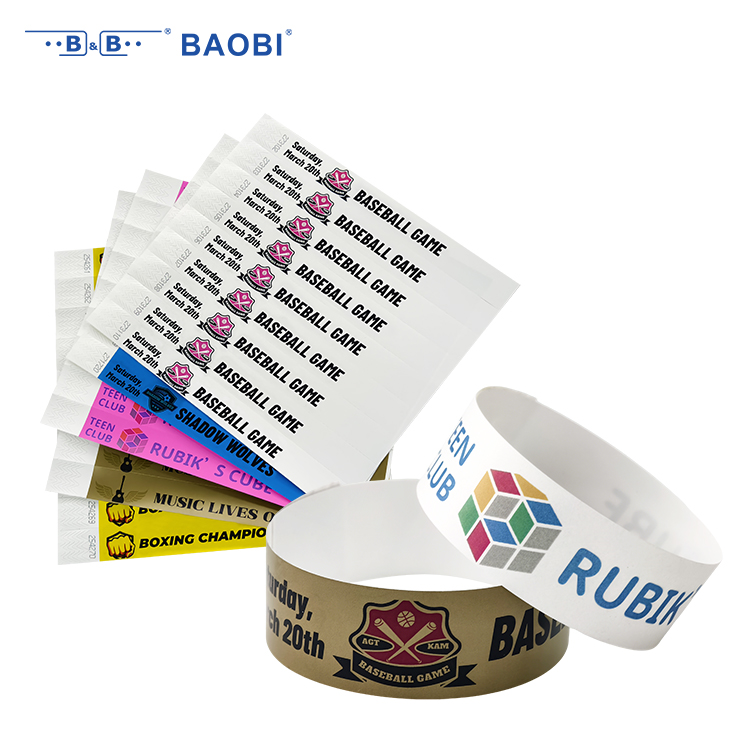
Attendees rarely keep a badge for months, but event materials printed with a laser often end up pinned to corkboards, tucked into notebooks, or filed for reference. Laser toner bonds to the page rather than sitting on top of it, which means text doesn't smear the way some inkjet output does after contact with damp hands or a splash of coffee. That simple difference matters when someone digs out a seating chart six months later and still needs to read table numbers at a glance.
Fading usually starts at the edges first—thin strokes on schedules, small labels on name tags, serial codes on parking passes. A laser printer lays down toner and fuses it with heat, creating a finish that holds up under repeated handling, folding, and sunlight exposure. Rooms with big windows or fluorescent lighting can break down lesser prints within weeks, but a properly fused page keeps contrast intact well after the last attendee has gone home.
The goal isn't just archival permanence; it's practicality. A vendor list that stays crisp next to a cash register, a volunteer schedule that survives a rainy load-in, a floor plan that doesn't turn pale under a heat lamp—these small wins compound. When the event is over and the materials become reference documents, laser output keeps doing its job without needing a reprint.
Custom Bands Without the Custom Price Tag
Custom watch bands usually come with a story: a designer, a waiting list, and a price that makes you wince. But what if the band you've been sketching on napkins could just show up at your door without the markup? That's the quiet shift happening among smaller manufacturers who've ditched the luxury theater and kept the machinery. They'll take your odd lug width, your weird buckle preference, your slightly-too-specific shade of olive, and they won't charge you a month's rent for the privilege.
The real difference is in how the work gets done. Instead of hand-stitching each order like a bespoke suit, these shops lean on modular patterns and precision cutting. You pick the leather or nylon, the stitch color, the hardware finish, and the length that actually fits your wrist—not the three average sizes everyone else guesses at. The result isn't a one-off art piece; it's a band built to your measurements, repeated reliably, and priced like something you'd actually wear daily.
It's tempting to assume that lower cost means thinner leather or cheaper buckles. Sometimes it does. But the better value hides in process: no retail shelf space, no celebrity endorsements, no glossy unboxing video budget. Just a workshop that treats your wrist size as a normal input, not a premium feature. If you've been holding off because custom sounded like a splurge, this is the version where the price tag finally matches the reality.
How Bulk Wristbands Simplify Check-In for Big Crowds
For any event drawing hundreds or thousands of attendees, the last thing you want is a bottleneck at the entrance. Bulk wristbands remove that friction almost entirely. Instead of checking tickets, searching names on a clipboard, or fumbling with paper passes, staff can simply glance at a wristband, confirm the color or pattern, and wave people through. It's a visual system that works even when Wi-Fi drops or a scanner freezes.
The real advantage comes from pre-sorting. Order wristbands in distinct colors for different ticket tiers, age groups, or access levels. When gates open, guests already know which line to join, and volunteers spend less time explaining rules. A quick tear-and-stick application takes about three seconds per person. Multiply that by a few thousand attendees, and you've turned a forty-minute wait into a ten-minute stroll.
There's also the matter of re-entry and crowd control. With a durable wristband on every wrist, staff can spot who belongs where from across a field or venue floor. No one is digging through pockets for a crumpled ticket after a bathroom break. Bulk orders keep the cost per band low enough that you can afford to over-order for last-minute guests, replacements, or a second day of the event.
What Makes a Wristband Comfortable Enough for a Hospital Stay
The first thing patients notice is how the band sits against the wrist. A comfortable hospital wristband uses a matte, slightly textured material that stays dry against the skin, rather than glossy plastic that traps sweat and heat. The edges are rounded or heat-sealed, so there's nothing sharp to scratch during sleep or while reaching for a bed rail.
Fit matters more than a size chart. A comfortable band should be easy to adjust without cutting off circulation, but secure enough that it won't slide over the hand or spin around. Some designs include a stretchable segment or a soft micro-adjust closure that lets the band move with the wrist through swelling, IV lines, or normal daily movement.
Over multiple days, skin contact becomes the real test. Materials like silicone blends or woven polyester with a hypoallergenic backing reduce redness and pressure marks. A low-profile, seamless construction means the band won't catch on gowns, sheets, or medical tubing, and it dries quickly after handwashing or showers.
From Concerts to Clinics: The Real-World Versatility of Printable Bands
At a sold-out stadium show, a paper-thin strip around your wrist does more than prove you paid — it signals which bar you can enter, whether you’re in the pit or the balcony, and sometimes even links to your cashless payment account. The same concept migrates into emergency rooms, where a durable, smudge-resistant band carries a patient’s name, birth date, and a scannable barcode that prevents medication mix-ups. That leap from mosh pit to triage isn’t a stretch; it’s a quiet testament to how one deceptively simple product adapts to wildly different demands.
Theme parks use them to group kids by height for rides, while blood banks rely on color-coded bands to distinguish blood types before a single vial is labeled. Meanwhile, summer camps print allergy alerts and emergency contacts directly on the material, so a counselor doesn’t need to radio the office when a camper reaches for a peanut butter cookie. The real trick isn’t the band itself — it’s the ability to print variable data on demand, swapping a generic souvenir for a functional tool that updates with each new visitor, patient, or guest.
Even outside high-stakes settings, the format keeps proving its worth: boutique fitness studios hand out bands for class tiers, breweries tag tasters to prevent underage pours, and conference organizers use them to unlock session doors without fumbling for a lanyard. That range — from a muddy festival field to a neonatal ward — is exactly why printable bands refuse to become obsolete. They’re not flashy, but they solve a specific problem every single time: putting the right information on the right wrist, with zero training required.
FAQ
Thermal bands often fade under direct sun or sweat, while laser-printed text and barcodes stay crisp through rain, sunscreen, and constant movement. The polyester-based material holds toner far better, so gate staff won't struggle with unreadable IDs on day two.
Yes, most standard laser printers handle the die-cut sheets without jamming, provided you load the media tray properly and select 'labels' or 'heavy paper' in the print dialog. For scannable codes, keep the quiet zone clear and run a test sheet first to confirm alignment.
Minimums typically start around 100 bands per SKU, but many suppliers allow you to split a larger order into multiple designs as long as each design meets a small threshold. That lets a festival order different colors for VIP, staff, and general admission without paying separate setup fees.
The base material is usually a latex-free polyester or polypropylene film, which rarely causes irritation even with prolonged wear. If you're ordering for a neonatal or oncology unit, request an adhesive-free closure option and confirm the adhesive type is hypoallergenic before finalizing.
The printed layer is sealed under a protective coating, so alcohol gel and soap won't lift the toner. In hospital testing, staff wore the same band through dozens of sanitizer applications without noticeable fading or smudging, though we recommend avoiding abrasive scrubbing directly on the print.
You can print full-color logos, variable participant numbers, emergency contact lines, and even sequential QR codes that link to medical waivers. Most orders also let you choose band width, color, closure type, and perforation for easy tear-off stubs.
Keep them flat in a cool, dry room and away from direct heat or humidity. If sheets have been sitting for weeks, fan them lightly before loading, and store the opened pack in a resealable bag. Curled edges usually flatten out if you place a light weight on the stack overnight.
Yes, ask for tamper-evident adhesive with cross-cut or void patterns that show if someone tries to peel and reapply. Snap-lock plastic closures are another solid choice because they can't be loosened without visibly breaking the lock.
Conclusion
For event organizers and hospital administrators alike, the search for a wristband that holds up under real-world abuse usually ends in disappointment. Cheap paper bands smear after a rain shower or a generous squirt of hand sanitizer, and faded ink turns a security checkpoint into a guessing game. Wholesale laser printable wristbands change that equation. The synthetic material shrugs off moisture, sweat, and alcohol-based cleaners, while the laser-printed text stays crisp and readable long after the gates close or the patient is discharged. Unlike screen-printed alternatives that demand large minimums for custom artwork, these bands let you print names, barcodes, or group numbers in-house using a standard laser printer—no setup fees, no waiting on a vendor, and no inflated per-unit cost just because you need a few hundred rather than fifty thousand.
Beyond durability and price, the practical benefits show up where crowds move fast. Bulk rolls fit neatly into check-in workflows, so volunteers can scan a barcode and slap a band on a wrist in seconds instead of fumbling with clipboards or lanyards. For healthcare settings, comfort matters as much as legibility: a soft, breathable coating means a patient can wear the same band through a multi-day stay without skin irritation or that tight, plastic-tag feeling. The same roll that works at a weekend music festival also handles outpatient clinics, school field trips, and marathon aid stations. That versatility—not just surviving rain, sweat, and sanitizer, but actually simplifying operations from the first check-in to the final headcount—makes these printable bands a genuinely practical choice for anyone managing people on the move.
Contact Us
Contact Person: Bill Xu
Email: [email protected]
Tel/WhatsApp: 8618688898707
Website: https://www.baobitech.com/