

Walk-In Glass Door Cooler Solutions: Enhance Visibility and Drive Sales
2026-11-16
Imagine a customer walking into your store, eyes immediately drawn to a brightly lit, glass-front cooler stocked with chilled drinks and fresh products. That instant visual appeal translates directly into sales—and it's exactly what walk-in glass door cooler solutions deliver. By maximizing product visibility while maintaining optimal temperatures, these units turn a practical cold storage space into a powerful merchandising tool. With ART's expertise in walk-in cooler design, you can create a seamless experience that not only preserves inventory but actively drives impulse purchases.
The Silent Sales Pitch of a Spotless Glass Door
A spotless glass door does more than let in light. It quietly tells every visitor that someone here pays attention. No smudges, no fingerprints, no dust along the edges — just a clean, transparent barrier that feels almost invisible. That kind of care speaks before a single word is exchanged.
Think about the last time you walked into a place with a grimy entrance. Your impression formed before you reached the counter. Now flip it: a flawless glass door suggests order, competence, and respect for the customer's first step. It's not about luxury; it's about consistency. A smudge-free surface is a small promise that the rest of the experience will be handled with the same precision.
In retail, hospitality, or any public space, that first glance through clear glass can set the tone for trust. The maintenance may take minutes a day, but the message lingers longer. It says: we noticed the details, so you can relax and focus on why you came here.
Stocking Strategies for Maximum Cold Case Appeal
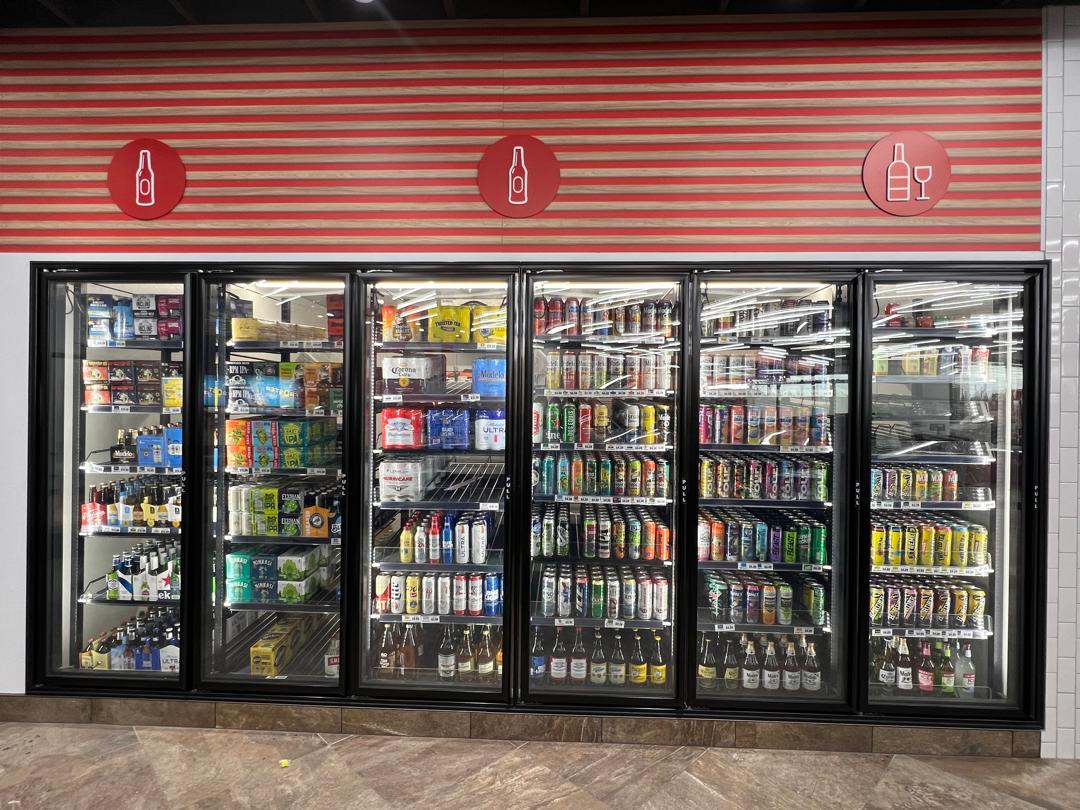
When refreshment is the unspoken promise of a gathering, the way you stock a cooler can quietly shape the entire mood. Start by lining the bottom with a generous layer of ice, then nestle glass bottles and slim cans in alternating directions so every surface stays chilled without freezing into a solid block. Tuck citrus wedges, sprigs of mint, or a few frozen berries into the spaces between containers; as the ice melts, subtle aromas drift upward and make the first sip feel like an event rather than an afterthought.
The visual rhythm matters too. Rather than mixing every drink randomly, group similar hues together—deep amber bottles on one side, pale cans on the other—so the arrangement looks curated instead of chaotic. Keep a narrow trough down the center filled with crushed ice for easy access, and place a folded tea towel over one corner to rest your hand while reaching for the back row. This small touch prevents dripping water from pooling on tabletops and keeps the presentation clean well into the evening.
Finally, consider the order of replenishment. Store extras in a shaded secondary cooler and only add them when the first layer has been fully claimed, rotating older stock to the front. This steady, deliberate restocking keeps temperatures consistent and avoids the lurch of dumping warm cans onto half-melted ice. Guests notice when a chilled drink appears without fuss, and that quiet reliability is often what turns a casual stop into a lingering stay.
Clear Views, Faster Decisions in the Aisle
Shoppers rarely stop to admire a cluttered shelf. They pause when something speaks directly to their need—bold color, a clean hierarchy, a promise they can grasp in half a second. Clear packaging isn't just about aesthetics; it's about removing friction. When the product name, key benefit, and differentiating feature are visible without lifting the box, the decision path shortens dramatically. This is the shelf working for the shopper, not against them.
Faster decisions happen when the eye knows exactly where to land. That means high contrast between product and background, consistent visual cues across a line, and a deliberate absence of noise. A well-designed label guides the gaze from brand mark to proof point to call-to-action without a single backtrack. Retailers notice the difference: fewer abandoned categories, quicker turns, and customers who leave feeling confident rather than overwhelmed. The shelf becomes a silent salesperson, and clarity is its pitch.
Fog-Free Performance That Shows Off Every Product
No more impatiently wiping down the glass while customers try to peer at your latest arrivals. This door stays clear from edge to edge, even when the outside air turns chilly and damp. The special heated surface works quietly in the background, preventing condensation before it ever has a chance to blur the view. That means every label, every color, every subtle curve of your merchandise stays fully visible at all hours.
Think about those busy morning rushes, or the moment a sudden weather shift hits. Ordinary coolers start to fog up right when you need them most. Here, the difference is immediate and lasting. Whether you are displaying fresh produce, chilled beverages, or delicate dairy items, the glass remains transparent and inviting. There is no distracting haze, no missed sales because someone could not see what was inside.
The real advantage goes beyond convenience. A permanently clear door changes how people interact with your display. They do not have to lean in, guess, or move to another angle. They simply see the product, feel drawn to it, and reach for the handle. That effortless clarity becomes part of your store's atmosphere, making the whole space feel cleaner, more professional, and far easier to browse.
Designing Walk-In Coolers That Pull Customers In
Walk-in coolers are rarely the star of a retail space, but their design can quietly shape how customers move, linger, and buy. Instead of treating the cooler as a purely functional box, think of it as a transparent stage. The first step is to eliminate visual noise: frosted glass, cluttered shelves, and harsh fluorescent strips inside the unit drive people away. Swap these for clear, low-iron glass doors, soft but even LED lighting set to a neutral white, and deep, orderly shelves that let product colors do the work. A customer should see the cooler as a bright, inviting window—not a wall of mystery.
Placement matters more than most operators assume. A walk-in cooler that hides in a back corner forces customers to hunt for it, while one placed too close to the entrance disrupts the natural flow. Try positioning it along a main path, just past the first impulse zone, or near a high-traffic anchor like a deli counter or coffee station. Angle the doors slightly toward foot traffic so the glow spills into the aisle. Even a few degrees of orientation can turn a pass-by into a pause, and a pause into a purchase.
Don't overlook the floor and threshold. Many walk-in coolers have a raised curb that customers must step over—a subtle but real barrier. If possible, specify a flush, ramped entry that meets health code but doesn't require a conscious hop. Inside, keep the floor dry and free of debris with a non-slip, easy-to-mop surface that resists staining from spills. When customers see a clean, seamless transition from aisle to cooler, they're more likely to step inside on their own, browse longer, and leave with fuller baskets.
From Cold Storage to Conversion Engine
Many companies sit on a dormant data mine: past purchase histories, browsing behaviors, support chat logs, downloaded PDFs, signup details. These digital assets are archived deep in databases, like crates in a cold storage facility, only glanced at when quarterly reports demand it. Yet each row holds a real intent signal waiting to be awakened.
The real shift happens when you stop treating data as a record and start treating it as a conversation. Through dynamic content, behavior triggers, and personalized recommendations, that same database can become an outbound engine—delivering the right message at every touchpoint and nudging visitors from curiosity to checkout. It's no longer "save for later" but "serve in real time, convert now."
The move from cold storage to conversion engine is not a tool upgrade; it's a mindset change. It asks you to re-audit every pause in your data flow and turn warehouses into assembly lines. Those once-silent numbers start working: predicting demand, reducing churn, extending customer lifetime value. What you end up with is not an archive but an asset that keeps paying you back.
FAQ
Customers decide with their eyes. A solid door hides the product until someone opens it, but glass doors put chilled drinks and snacks on display around the clock. That constant visibility turns passive browsing into impulse buys, especially for single-serve items near the register. You also cut down on doors being left open because people can see what they want before reaching for the handle.
Start with double- or triple-pane low-emissivity glass, which blocks heat transfer without making the glass look tinted. Then invest in LED lighting that produces very little heat. Door frame heaters are a must in humid spots, but install a smart controller so they only run when condensation actually forms. Also check the door gaskets every few months, a small air leak can force the compressor to work much harder than necessary.
Yes, and it goes far beyond choosing a shelf height. You can specify matte black or brushed metal frames, backlit side panels, adjustable glass shelves rated for heavy bottles, and even interior accent lighting that shifts color temperature. Some manufacturers let you match the cooler's exterior trim to your store's brand palette, which makes the unit feel like part of the shop rather than a piece of equipment.
Fingerprints and smudges are constant, so plan for a daily wipe-down with a non-ammonia glass cleaner. Condensation on the frame can trickle onto the floor if the drain line gets blocked, so check it weekly. The door hinges and closer arms take a beating when customers swing doors too far, so keep spare parts on hand. Finally, the gaskets can crack after a year or two of heavy use, and replacing them early prevents frost buildup inside the cabinet.
It does improve sales when the product mix is right. Retailers often see a lift in cold beverage and grab-and-go snack sales because the cooler acts like a silent salesperson. If a customer can see a chilled energy drink or a pre-made sandwich while waiting in line, that item moves faster than if it were hidden behind a solid door. The key is keeping the shelves fully stocked and the lighting bright, because an empty or dim cooler works against you.
Sliding doors save floor space and work well in narrow aisles, but they can be harder for older customers or those with full hands to operate. Swing doors open wide and feel more familiar, but they need clearance and can get bumped by carts. For a high-traffic store where many people reach into the cooler at once, a mixed setup with one swing door on each end and sliders in the middle often gives the best access without traffic jams.
Fogging happens when warm, moist air hits the cold glass. The most reliable fix is a heated door frame combined with a low-emissivity glass package that keeps the outer pane closer to room temperature. Some coatings also reduce surface moisture, but they wear off over time. If fogging only appears in the morning or after mopping the floor, adjusting the store's HVAC to reduce humidity near the cooler can be just as effective as any door upgrade.
Expect about two to four weeks from the first site measurement to a fully running cooler. The first week is spent confirming the opening size, electrical load, and drainage points. Custom glass door assemblies are usually fabricated within ten to fourteen days. Installation itself often takes one to two days, including removing old doors, reinforcing the frame, wiring the lighting and anti-sweat controls, and running a temperature pull-down test. If you need to move existing shelving or repaint the interior, add another day.
Conclusion
A spotless glass door does more than look tidy—it removes the barrier between the shopper and the product. When every shelf is merchandised with intent, the cooler becomes a silent salesperson. Use vertical blocking, eye-level placement for high-margin items, and keep labels facing forward. Fog-free glass ensures condensation never blurs the view, so chilled beverages, dairy, and grab-and-go meals stay clearly visible even during busy restocking hours. This visual clarity accelerates the decision-making process in the aisle; customers no longer need to open doors to check labels, which keeps temperatures stable and reduces energy waste.
Design walk-in coolers as an extension of the store's layout, not an afterthought. Recessed lighting, slim frames, and consistent temperature zones can draw foot traffic toward the back of the store, turning cold storage into a destination. A well-designed cooler invites customers to linger—interior LEDs highlight product colors, and strategic shelving encourages cross-category browsing, like placing premium cheese next to craft beer. Over time, this transforms the walk-in from a simple storage box into a conversion engine, where visibility and accessibility consistently lift basket size and repeat purchases.
Contact Us
Contact Person: Ellen
Email: [email protected]
Tel/WhatsApp: +86-535-2229725
Website: https://www.artrefrigeration.com/