

Used Truck Cranes Manufacturer: What to Look for When Buying Pre-Owned Lifting Equipment
2026-05-21
Investing in a used truck crane can save you money, but only if you know what to look for. A mistake here could lead to costly downtime or safety hazards. That's why choosing a trusted partner is essential. JILIANG CHI, a reputable used truck cranes manufacturer, shares the critical checks you need to make before buying. Read on to learn the insider tips for securing reliable, pre-owned lifting equipment.
Why the Manufacturer’s Track Record Matters More Than the Paint Job
A glossy finish can grab your attention, but it won't keep your equipment running through a double shift. The real story is in the manufacturer's history—how many of their units are still out there performing after a decade of heavy use, how they handle things when something goes wrong, and whether their engineering decisions prioritize longevity over flashy marketing. A paint job fades, but a design flaw or poor support team will cost you time and money every single day.
Smart buyers dig past the brochure photos and ask the gritty questions. Has this company been consistent with firmware updates without breaking functionality? Do their service techs actually pick up the phone when you’re down—or do you get bounced to voicemail and a ticket system that moves at a glacial pace? Those details aren't visible on the showroom floor, but they shape every real-world interaction you'll have with that machine for years to come.
I’ve seen teams get burned by choosing the “good-looking” option from a newcomer that promised the world but vanished when a critical component failed. Meanwhile, a manufacturer with an established track record—even if their equipment doesn’t win beauty contests—tends to offer parts availability, repair documentation, and a knowledge base built from thousands of machines in the field. That’s the kind of value that doesn’t show up in a spec sheet, but it’s what keeps your operation running when the pressure is on.
Hidden Hydraulic Issues That Can Drain Your Budget
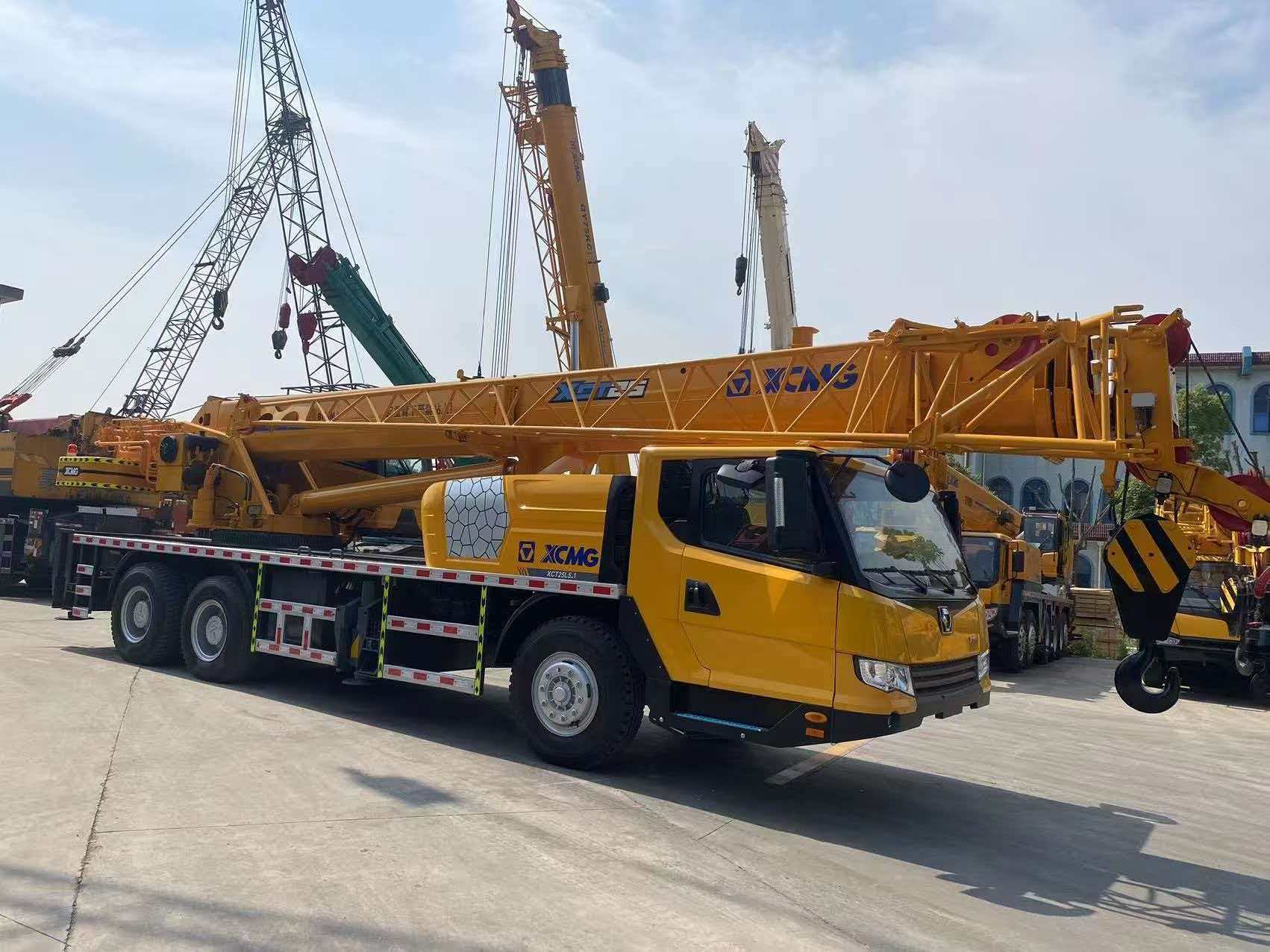
It often starts with a small sign—an odd sound, a slight delay in response, or a barely noticeable leak. These subtle indicators rarely raise immediate alarm, yet they frequently point toward deeper problems festering within a hydraulic system. Left unchecked, minute internal wear or contamination gradually escalates, compromising seals, valves, and pumps in ways that are neither obvious nor predictable. The real cost isn’t just the eventual component failure, but the cascade of inefficiencies: higher energy consumption, sluggish operations, and the creeping risk of unexpected downtime that disrupts entire workflows.
Many hidden issues trace back to overlooked fundamentals. Contaminated fluid acts as a silent abrasive, accelerating wear on surfaces you can’t easily inspect. Micro-leaks past worn seals not only waste oil but introduce air and moisture, causing erratic motion and reducing lubrication. Temperature swings further stress the system, thinning oil and distorting clearances. Over time, these factors chip away at reliability, forcing machinery to work harder and driving up maintenance costs that rarely show up as a line item until a major repair is unavoidable.
Catching these budget-draining problems demands a proactive, observant approach. Routine oil analysis can reveal contaminants and degradation long before visual clues appear. Monitoring pressure and flow trends helps identify deviations that signal internal bypass or pump deterioration. Training operators to note subtle performance changes—like slower cycle times or new vibrations—creates an early warning system that off-the-shelf sensors alone cannot provide. Investing attention in these quiet indicators often prevents a surprise five-figure repair bill, keeping both the hydraulics and the balance sheet in healthier shape.
Decoding Maintenance Logs: What Sellers Hope You’ll Overlook
A quick glance at a maintenance log might show regular oil changes and tire rotations, but it’s the gaps and vague entries that often hide real issues. Sellers count on you not questioning phrases like “engine checked” or “noise diagnosed” without any follow-up details. Those lines can mask repetitive problems they never fully resolved—maybe a recurring coolant leak they’d rather you not connect to a head gasket issue.
Pay attention to how long gaps stretch between services, especially right before the vehicle is listed. A sudden six-month void could mean the car sat with an unresolved fault. Some owners are meticulous about record-keeping until a major breakdown occurs, then suddenly the log goes silent. That missing chunk of history is often where the most costly repairs are hiding, and they’re hoping you won’t ask why.
When you’re handed a stack of receipts, look beyond the totals. Check if the same part was replaced more than once—a red flag for a deeper system flaw. Also, be wary of logs that show only basic upkeep on a vehicle with high mileage; major components like the transmission or timing belt should have documented attention by certain intervals. If they don’t, it’s not an oversight—it’s a calculated omission.
The Real Cost of a ‘Bargain’ Crane: Beyond the Purchase Price
That low upfront price tag on a used crane can be tempting, but it often masks a cascade of expenses that start the moment the machine hits your site. Hydraulic leaks, worn-out slewing rings, and outdated control systems don't just nickel-and-dime you; they can bring a project to a grinding halt. One contractor we spoke with picked up a 60-ton mobile crane for what seemed like a steal, only to spend more than the purchase price on replacing the boom telescope cylinder within the first six months. The real cost isn't on the invoice—it's the unscheduled downtime and the frantic calls to a specialist who still works on that discontinued model.
Then there's the safety compliance piece, which many overlook when dazzled by a bargain. Older cranes might lack the latest load moment indicators or anti-two-block systems that are now standard—and often mandatory—on job sites. Retrofitting these isn't just expensive; it can take the machine out of service for weeks. Insurance companies are also paying closer attention, and a crane without a clean, verifiable maintenance history can lead to higher premiums or outright refusal of coverage. Factor in the cost of bringing an older crane up to current OSHA or local regulatory standards, and the bargain quickly becomes a liability.
Even if the crane runs okay at first, parts availability can turn routine repairs into a logistical nightmare. Manufacturers phase out support for older models, and that critical gearbox or proprietary circuit board might only be found as a salvage part with no warranty. Smart buyers know to look beyond the gleaming paint job and shop with a total cost of ownership mindset. They request oil samples, hire an independent inspector, and budget for immediate updates—because a crane that's too cheap up front is usually the most expensive one you'll ever own.
Structural Red Flags That Signal Future Headaches
When a building's foundation starts showing hairline fractures, most people shrug them off. Yet these subtle cracks are often the first whispers of deeper instability. Similarly, in any system—physical, organizational, or digital—early warning signs tend to hide in plain sight. A slightly uneven floor might point to soil settlement issues that will compromise the entire structure years down the line. The trouble is, these signals rarely scream for attention; they murmur, and ignoring them today can turn tomorrow's routine maintenance into a full-blown crisis.
In the corporate world, structural red flags are equally deceptive. A small team operating in permanent firefighting mode isn't just "busy"—it's a symptom of broken workflows. When key decisions constantly bottleneck at one individual, or when departments operate in silos despite open-plan offices, the organization is quietly accumulating technical debt. These patterns don't cause immediate pain, so they're easily dismissed. But like termites chewing through load-bearing beams, they eat away at resilience until the first real shock brings everything crashing down.
How to Verify Load Charts Without a Test Lift
Cross-referencing manufacturer data is one of the most reliable ways to verify a load chart without ever picking up a load. Most reputable crane and equipment manufacturers provide detailed engineering documentation that includes the assumptions, safety factors, and structural analysis behind each chart. By comparing the chart in question against the original OEM specifications—such as boom length, counterweight configuration, and outrigger extension—you can quickly spot inconsistencies. Even subtle mismatches in terminology or unit conversions can be a red flag, and digging into the technical notes often reveals whether the chart has been altered or misapplied.
Another practical approach is to simulate the load parameters using independent engineering software or manual calculations based on industry standards like ASME B30.5 or ISO 4305. By inputting the crane's known geometry, material properties, and stability criteria, you can build a basic analytical model that predicts safe working loads for various radii and boom angles. Overlaying these predicted values on the published chart will highlight any deviations that exceed reasonable engineering tolerances. This method requires a solid understanding of structural mechanics, but it's invaluable when manufacturer data is unavailable or suspect.
Finally, scrutinize the load chart's format, revision history, and accompanying notes. Professionally issued charts include clear markings such as the date of issue, serial number applicability, and the name of the responsible engineer. Missing or generic labels often point to a copied or outdated document. Additionally, check the listed deductions for rigging, wind speed allowances, and dynamic factors—improperly accounted deductions are a common source of error. Even without a physical lift, a thorough desk review of these details can confirm the chart's integrity and keep operations safely grounded.
FAQ
Start with a thorough visual inspection of the boom, outriggers, and chassis for any signs of cracks, rust, or previous weld repairs. Pay close attention to the hydraulic cylinders and hoses for leaks or excessive wear.
Extremely. A complete maintenance log tells you if the crane received regular oil changes, hydraulic system care, and component replacements. Missing records often hint at neglect.
Absolutely. A static inspection only reveals so much. Load testing demonstrates stability, brake performance, and the true condition of the winch and wire rope under stress.
High hours aren't necessarily a dealbreaker if maintenance was consistent, but compare the meter reading with the machine's overall appearance. Mismatches can indicate clocking. Listen for unusual noises during cold starts.
A reputable manufacturer or dealer often provides some form of guarantee or refurbishment history. They're also more likely to have addressed factory recalls and used genuine replacement parts.
Examine the turntable bearing for smooth rotation and excessive play. Look inside the cabin for water damage or overused controls. The slewing ring's grease pattern can reveal hidden maintenance gaps.
At minimum, request the manual, load charts, recent inspection certificate, and proof of ownership. If the crane came from a manufacturer's fleet, ask for the remanufacturing report detailing tested capacities.
Conclusion
When shopping for a used truck crane, the manufacturer's history often tells you more than a fresh coat of paint ever could. Brands with proven durability in harsh conditions tend to hold their value better, especially if their service networks are responsive. But even a reputable badge can't protect you from neglected hydraulics—seeping cylinders and tired pumps may not show symptoms during a brief inspection, yet they can lead to five-figure repair bills down the road. Equally telling are the maintenance logs; gaps in routine service or vague notes about "minor repairs" often mask overheating issues or repeated component failures that sellers would rather not discuss.
The sticker price is just the beginning. Transport, insurance, and retrofitting modern safety systems can quickly erase any perceived savings, so a cheap crane might actually be the most expensive choice. Structural checks are non-negotiable: hairline cracks near high-stress joints, rust creeping around slewing rings, and distorted boom sections are all signs of metal fatigue that will only worsen under load. And when it comes to load charts, don't rely on seller assurances—cross-reference the original manufacturer specs with the serial number, and if possible, request strain-gauge data from previous lifts. Catching these issues early prevents a "bargain" from turning into a stationary piece of yard art.
Contact Us
Contact Person: Sally Xiao
Email: [email protected]
Tel/WhatsApp: 086-18221477398
Website: http://www.shjiliangchi.com/