

Unveiling the Magic: Insights from a Top China Color Changing Aluminum Cup Manufacturer
2026-07-25
Ever watched a plain aluminum cup transform into a kaleidoscope of colors and wondered how it’s even possible? Behind this everyday magic lies a blend of precision engineering and hidden artistry that few truly understand. At the heart of it all, China’s manufacturing prowess pushes boundaries—but one name stands out: APEXAL. In this deep dive, we pull back the curtain on the techniques, secrets, and visionary thinking fueling the color-changing cup revolution. Prepare to see your drinkware in a whole new light.
The Art Behind Color-Changing Aluminum Cups
At a casual glance, these aluminum cups appear understated, even monochromatic. But pour in a chilled drink and they undergo a quiet metamorphosis—vivid hues seep across the surface, revealing hidden patterns or gradients. This isn’t a trick of the light; it’s a deliberate union of material science and visual artistry. Thermochromic pigments, microencapsulated and bonded to the cup’s exterior, respond to temperature shifts by altering their molecular structure, which changes how they absorb and reflect light. The result is a dynamic canvas that shifts in real time, turning an ordinary act of pouring a beverage into a moment of surprise and delight.
What sets these cups apart is how they manipulate human perception. The slow reveal of color feels less like a product feature and more like a performance—the chill from the liquid acts as an invisible brushstroke. Designers often embed intricate geometries or nature-inspired motifs that stay dormant until just the right temperature triggers them. It’s a form of kinetic art that lives in the hands of the user; each person’s experience differs slightly depending on the ambient environment, the temperature of the drink, and even the way they hold the cup. The aluminum base provides a sleek, metallic contrast that amplifies the visual punch, making the emerging colors appear more saturated and jewel-like than they would on ceramic or glass.
The craftsmanship behind these cups is equally nuanced. Coating the aluminum requires multiple layers—first a dark undercoat to maximize contrast, then the thermochromic layer, and finally a protective clear coat that must remain flawless to preserve the color-shift effect. Factories that specialize in this technique often keep their exact pigment mixtures a guarded secret, blending custom leuco dyes with careful precision. The transition temperature range is tuned to everyday use: typically shifting between 15 and 25 degrees Celsius, so a typical iced beverage triggers the full transformation. The result isn’t just a novelty; it’s a subtle reminder that even the most utilitarian objects can hold a spark of wonder, turning a drink into a personal, shareable spectacle.
Why These Cups Shift Hues Instantly
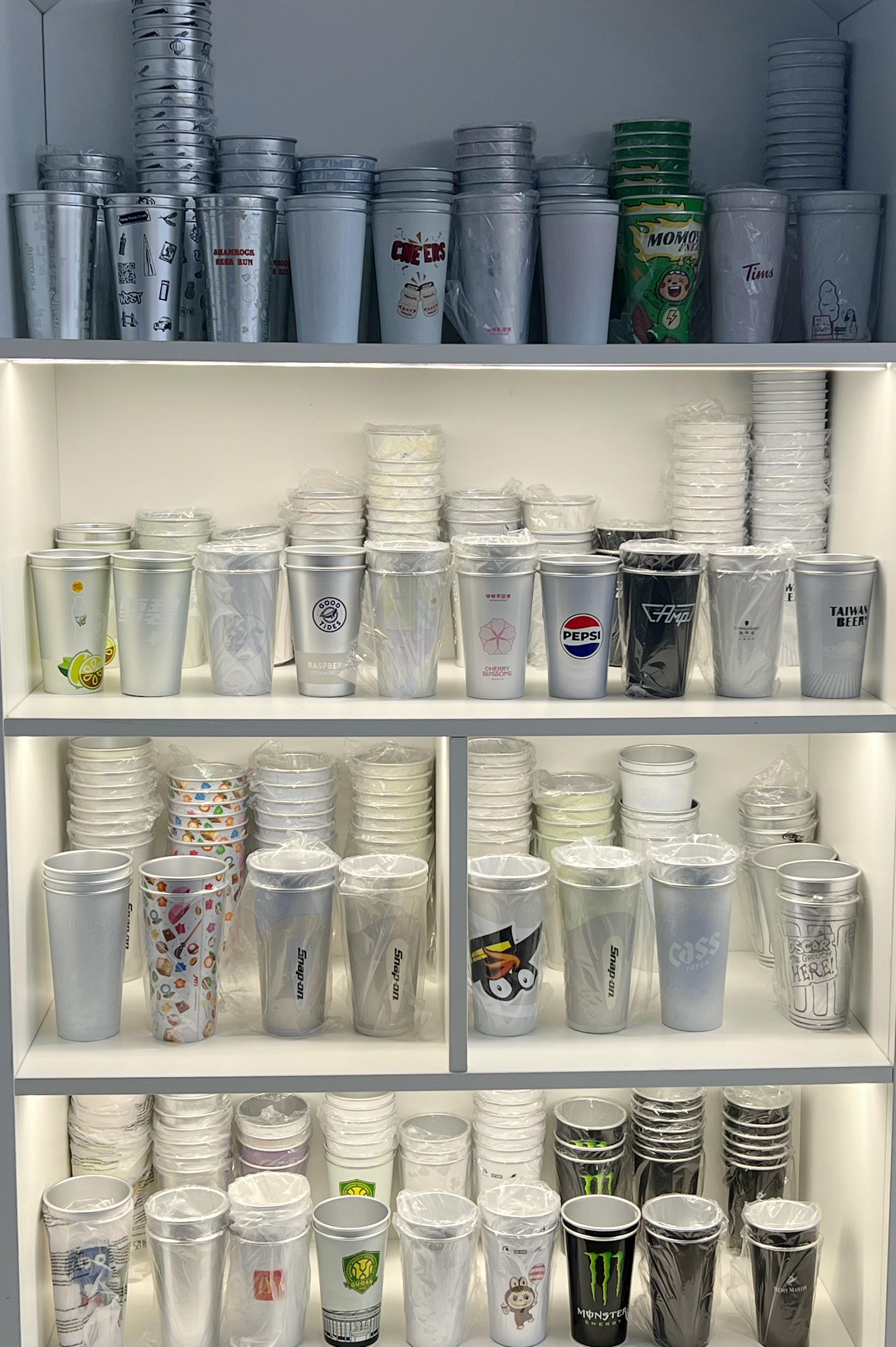
The magic begins with a special thermochromic pigment embedded directly into the cup’s material. This pigment responds to temperature: when a cold beverage is poured in, the molecules rearrange themselves, altering the way they absorb and reflect light. The result is a vivid color shift that can happen within seconds, turning a plain matte black cup into a bright neon pink or a deep oceanic blue depending on the design.
It’s not just a gimmick—the technology behind this instant hue change is surprisingly durable. The pigments are microencapsulated, which protects them from wearing off or fading after repeated washes. Even after hundreds of uses, the cups maintain their color-changing effect, as long as you avoid abrasive scrubbers that could scratch the surface layer.
What makes these cups stand out from typical novelty items is the subtle, almost painterly way the colors emerge. Unlike cheaper prints that simply vanish when warm, these gradients bloom and recede gently, reacting not just to the liquid inside but to the warmth of your hand holding the cup. It’s a tiny, interactive art piece that makes every sip feel a little unexpected.
Craftsmanship Secrets From the Production Floor
Walk onto any production floor and you'll sense it immediately—the quiet rhythm of hands that know their craft. It's not about flashy tools or rigid protocols; it's the unspoken knowledge passed from one artisan to the next. These secrets live in the subtle adjustments made on a lathe, the way a woodworker reads the grain, or how a welder listens to the arc. They're the kind of details that never appear in manuals but make all the difference between a product that merely functions and one that feels alive with intent.
Behind every flawless finish lies a series of small, deliberate choices. A master tailor might moisten thread to prevent tangling; a machinist might warm a bearing before insertion—simple acts, yet they reveal a deeper understanding of materials and process. These aren't shortcuts. They're refinements born of thousands of repetitions, failures turned into lessons. The real craftsmanship isn't in following the blueprint—it's in knowing when to trust your instinct over the spec sheet, and having the confidence to leave a personal mark that no scanner or checklist will ever capture.
Perhaps the most guarded secret is this: true mastery embraces imperfection. Production floors that hum with quality aren't chasing sterile precision at all costs; they're balancing technique with soul. A slight variation in paint stroke, a hand-fitted joint that no CNC could replicate—these aren't flaws, they're signatures. The elders on the line will tell you that consistency comes not from eliminating variation, but from deeply understanding it. That's why the best workshops still teach apprenticeship-style, where craft isn't just transferred, it's absorbed through shared silence and the occasional nod of approval.
Durability Meets Dazzling Visual Appeal
When you invest in a product, you expect it to last—but that doesn’t mean you have to settle for a boring design. The fusion of rugged endurance and eye-catching aesthetics used to be a rare find, but modern craftsmanship has shifted the game. Materials like reinforced alloys and scratch-resistant finishes now coexist with sleek contours and vibrant, fade-resistant colors. It’s not just about withstanding daily wear and tear; it’s about doing so while turning heads. Every curve is intentional, balancing structural integrity with a silhouette that feels both bold and refined. The result is an item that doesn’t just survive your adventures—it elevates them.
This isn’t the kind of beauty that fades after a few weeks. The visual appeal is built into the very bones of the design. Textures that feel premium to the touch also provide a better grip, reducing the chance of drops. Polished edges catch the light without chipping, thanks to treatments that harden surfaces at a molecular level. Even the color palette is chosen not just for its immediate impact, but for how it ages—developing a patina that adds character instead of looking worn out. It’s a deliberate marriage of form and function, where the dazzling exterior is actually a shield, protecting what matters inside while making a statement outside.
What truly sets this apart is the seamless integration. You won’t find flimsy decorative trims or fragile glitter that flakes off under pressure. Instead, the shine comes from precision-engineered details—beveled edges that refract light, woven patterns that create depth, or metallic accents that are structurally integral. The product laughs at the idea that you have to choose between tough and stunning. It’s for those who refuse to compromise, who want their gear to survive a drop on concrete and still get compliments at the coffee shop. This is durability that doesn’t hide; it struts.
Unconventional Ways Designers Use Them
Designers are turning scraps of fabric into statement wall art, stitching together abstract landscapes or bold geometric patterns that double as acoustic panels. This unexpected use of textile waste transforms a room’s atmosphere while rethinking sustainability as a creative anchor, not an afterthought.
In furniture design, outdated technology gets a second life: circuit boards become terrazzo-like tabletops, and coiled keyboard cables are woven into chair seats. These pieces blur the line between e-waste and heirloom, adding a layer of nostalgia that mass-produced alternatives can’t replicate.
Lighting design takes a playful turn when designers repurpose medical-grade silicone tubing into flexible, sculptural lamps that mimic organic forms like coral or mycelium. The material’s translucency diffuses light in unexpected ways, creating shadows that shift throughout the day and challenging our assumptions about what a lamp can be made of—and look like.
What Sets Quality Manufacturers Apart
It’s rarely just one thing. When you look closely, the manufacturers that truly stand out are the ones that obsess over the details most people never notice. The way a weld is finished, how a thread holds tension under load, the quiet click of a well‑machined latch—these aren’t accidents. They’re decisions. And they come from a place where engineering isn’t just a department, but the thread that runs through every conversation from the supply room to the shipping dock.
There’s a stubbornness to it. A refusal to let “good enough” pass. I’ve seen it in shops that still calibrate by hand and in factories with more sensors than an airport, but the common thread isn’t the tools—it’s the intolerance for drift. Quality manufacturers don’t just inspect for defects; they design processes that make defects embarrassing, almost unnatural. And when something does go wrong, the response isn’t a memo. It’s a quiet, collective irritation that says, “We can do better.”
You also see it in the lifespan of what they build. Not just the warranty period, but the years after, when a component still fits with the same precision on a replacement part made a decade later. It’s a kind of promise that doesn’t need a certificate. The best factories feel almost like a trust—you send them a drawing, and what comes back is exactly what you meant, but maybe a little smarter, because someone thought about how it fails, not just how it works.
FAQ
The shift happens when the cup encounters a temperature change. A special thermochromic coating, applied during manufacturing, reacts to cold liquids by transitioning from one hue to another, often revealing hidden patterns or logos.
Yes, they are fully food-safe. The interior lining is made from BPA-free materials that meet international safety standards, so you can use them with coffee, tea, or citrus-based beverages without worry.
The effect is built to last. Our laboratory tests simulate years of use, including hand washing and moderate dishwasher cycles, and the coating retains its responsiveness if cared for according to guidelines.
Absolutely. That’s one of the most popular features. You can choose a base color and a reveal design that becomes visible at specific temperatures, creating a magical unboxing moment for your customers.
Beyond advanced color-change technology, the team invests heavily in precision engineering and rigorous quality checks. Each batch undergoes leak tests, color consistency verification, and surface inspection to eliminate flaws before shipping.
We keep MOQs lower than industry averages to support smaller brands. Even startups can access our in-house design team, sample runs, and fast prototyping to bring their ideas to life without massive upfront commitments.
We’ve moved to water-based coatings, recycle aluminum scrap, and use energy-efficient anodizing lines. Packaging is minimalist and recyclable, and we’re constantly refining processes to cut waste.
Many underestimate the importance of artwork formatting for the reveal effect. We provide detailed templates and a pre-production proof service so the final product matches the vision exactly, eliminating costly misprints.
Conclusion
Step into a world where a simple aluminum cup transforms before your eyes, shifting colors as if by magic. This isn't a trick of the light, but a carefully engineered feature born from a deep understanding of thermochromic technology. Leading manufacturers in China have perfected the art of infusing everyday drinkware with pigments that respond instantly to temperature changes, creating an interactive experience that delights users. The process involves meticulously coating each cup with specialized layers that react to heat, often revealing hidden patterns or vibrant hues when cold liquids are poured in. Behind this seamless illusion lies a blend of chemistry and precision manufacturing, where even the slightest variation in formula or application can alter the final effect. The most skilled producers treat each batch as a canvas, balancing color intensity, transition speed, and long-term stability to achieve a flawless performance that feels organic, not mechanical. It’s this fusion of science and artistry that elevates a simple cup into a conversation piece, inviting curiosity and wonder with every sip.
Beyond the initial wow factor, these cups are built to withstand daily use without losing their charm. High-grade aluminum provides a lightweight yet robust foundation, while advanced sealing techniques protect the thermochromic coating from scratches and fading. Designers have embraced this technology in unexpected ways—from event giveaways that visually count down as drinks chill, to mood-enhancing party favors, or even educational tools that demonstrate thermal properties. What truly sets top-tier manufacturers apart is their commitment to consistency and innovation. They invest in rigorous quality control, ensuring every cup reacts uniformly, and they constantly experiment with new color palettes and responsive effects. Unlike mass-produced novelties that quickly wear out, cups from reputable sources retain their magic through thousands of uses. This dedication transforms a fun gimmick into a reliable product that merges durability with dazzling visual appeal, proving that practical items can also spark joy. When you hold one of these cups, you’re not just holding a container—you’re witnessing the result of years of expertise, where craftsmanship meets a childlike sense of amazement.
Contact Us
Contact Person: Milo
Email: [email protected]
Tel/WhatsApp: +86 18621923991
Website: https://www.dgbaide.com