

Top Toilet Trailers: Sustainable Sanitation Solutions for Outdoor Events
2026-04-17
Ever wondered how large outdoor festivals manage to provide clean, sustainable sanitation for thousands of attendees? It's not just about portable toilets anymore. The latest trend in event management is the use of toilet trailers – mobile, eco-friendly facilities that transform the guest experience while minimizing environmental impact. In this blog, we explore the top toilet trailer solutions that are revolutionizing sanitation at outdoor events, from music festivals to corporate gatherings. Discover how these innovative systems offer comfort, convenience, and sustainability, making them essential for any well-organized event. As a leader in mobile solutions, Oriental Shimao is at the forefront of this green movement, bringing expertise and reliability to every project. Whether you're an event planner or simply curious about modern amenities, read on to learn how the right sanitation setup can elevate your next outdoor occasion!
Eco-Friendly Waste Management for Festivals and Gatherings
Managing waste sustainably at festivals and events is more than just a trend; it’s becoming a necessity to protect our environment and promote responsible consumption. With large crowds generating significant amounts of trash, from food packaging to disposable cups, the impact can be staggering if not handled properly. Effective eco-friendly waste management starts with careful planning, incorporating strategies like reducing single-use items, encouraging reusable alternatives, and setting up clear signage for waste separation. By integrating these practices from the ground up, event organizers can significantly cut down on landfill contributions and foster a culture of sustainability among attendees.
A standout approach involves implementing interactive waste stations that not only sort recyclables, compostables, and general waste but also engage participants through educational displays or gamified elements. For instance, some gatherings have introduced reward systems for proper disposal, turning a mundane task into a community activity. This hands-on method not only improves compliance rates but also leaves a lasting impression, making environmental care a memorable part of the experience. Moreover, partnering with local recycling facilities or composting services ensures that waste is processed efficiently, closing the loop and supporting circular economy principles right in the heart of the event.
Beyond the event day, the ripple effects of green waste management extend to post-event cleanup and long-term habits. Initiatives like donating leftover food to shelters or repurposing materials for future events demonstrate a commitment to minimizing waste beyond the festival grounds. By sharing success stories and data on waste reduction, organizers can inspire other gatherings to adopt similar practices, creating a positive feedback loop. Ultimately, prioritizing eco-friendly management transforms festivals from short-term celebrations into models of environmental stewardship, enhancing both the attendee experience and the planet's health.
Reducing Environmental Footprint with Modern Mobile Sanitation
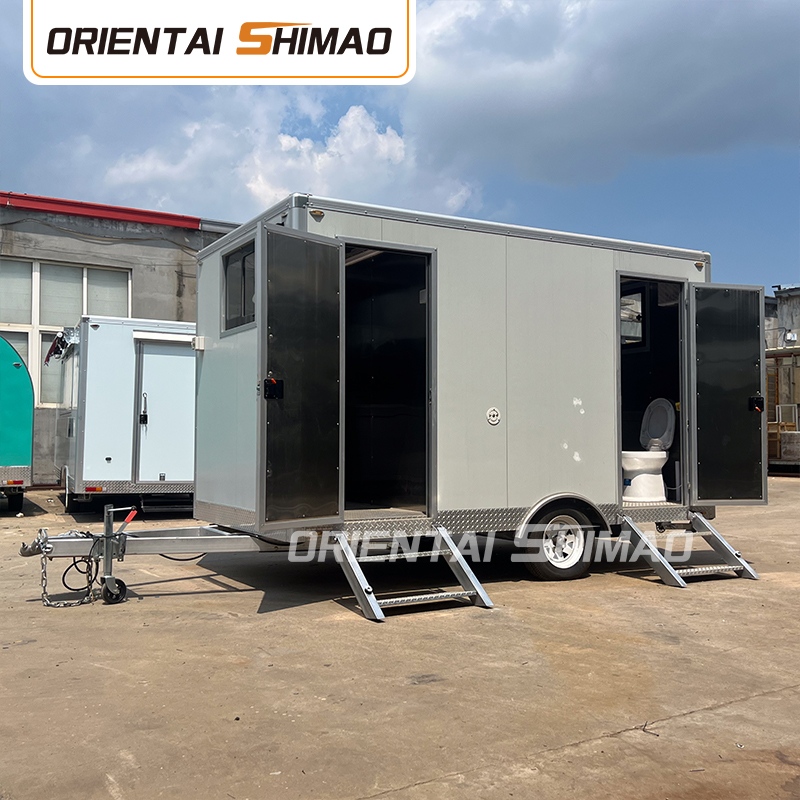
Mobile sanitation units have traditionally relied on outdated, resource-intensive methods that contribute significantly to carbon emissions and water waste. Today, innovative solutions are transforming this landscape by integrating renewable energy sources like solar panels and battery storage, allowing these units to operate off-grid while drastically cutting fuel consumption. Advanced water recycling systems further reduce dependency on fresh water supplies, ensuring efficient use without compromising hygiene standards. These technological shifts are not just minor improvements but represent a fundamental rethinking of how sanitation can be both effective and environmentally responsible.
Beyond energy and water savings, modern mobile sanitation is embracing eco-friendly materials and smart design to minimize its overall footprint. For instance, lightweight, durable composites replace conventional plastics, reducing both manufacturing emissions and long-term waste. Real-time monitoring via IoT sensors optimizes maintenance schedules and resource allocation, preventing unnecessary chemical use and extending equipment lifespan. This holistic approach, which considers the entire lifecycle from production to disposal, showcases how sustainability can be seamlessly embedded into every aspect of mobile sanitation operations.
The adoption of these green practices is not only a win for the planet but also enhances operational efficiency and public perception. Companies that invest in low-impact sanitation solutions often see reduced costs over time, thanks to lower energy bills and less frequent resource replenishment. Moreover, users increasingly prefer services that align with environmental values, giving these forward-thinking providers a competitive edge. By prioritizing sustainability, mobile sanitation is evolving from a basic necessity into a model of modern, conscientious service delivery that sets new industry benchmarks.
Innovative Design for Outdoor Event Hygiene and Safety
In recent years, outdoor events have surged in popularity, yet hygiene and safety often get overshadowed by the excitement of the atmosphere. This design shifts the focus to seamlessly integrating health protocols into the event experience, ensuring attendees feel secure without sacrificing enjoyment. For instance, smart sanitation stations equipped with touchless dispensers and real-time monitoring can be strategically placed to encourage frequent use, blending functionality with aesthetic appeal that complements the event's theme. By prioritizing these elements upfront, organizers can foster a culture of proactive care, making safety feel less like an imposition and more like a natural part of the event flow.
One standout innovation involves utilizing biodegradable materials for high-touch surfaces, such as reusable wristbands with embedded health reminders or interactive art installations that subtly promote hand hygiene through playful engagement. These features not only reduce environmental impact but also embed safety messaging in a memorable way, encouraging attendees to adopt positive habits beyond the event itself. By transforming routine practices into engaging interactions, the design ensures that hygiene becomes an integral part of the social fabric, rather than a mundane chore or afterthought in the planning process.
To truly stand out, this approach incorporates data-driven insights to customize safety measures based on crowd density and attendee feedback, allowing for dynamic adjustments in real-time. For example, mobile apps could offer personalized health tips and virtual queuing to minimize physical contact, while color-coded zones indicate cleanliness levels or capacity limits. This tiered system not only enhances transparency but also empowers attendees with choice and control, creating a sense of trust and community that sets the event apart in a crowded marketplace. Ultimately, by weaving these innovations into the core design, the event becomes a benchmark for how gatherings can prioritize well-being without compromising on creativity or connection.
Flexible Solutions for Large-Scale Venues and Remote Locations
Tackling the unique needs of large-scale venues and far-flung sites demands a blend of creativity and practicality. From bustling stadiums to isolated research outposts, flexible solutions allow for rapid adaptation without breaking the bank, ensuring operations run smoothly regardless of the setting's challenges.
Our approach leverages modular technology and on-demand services, enabling seamless integration or swift changes as needed. This isn't just about convenience; it's about empowering teams to stay productive and connected, even in the most demanding or remote environments, ultimately boosting reliability and reducing downtime.
By focusing on tailored strategies rather than one-size-fits-all methods, we deliver unique advantages that set our solutions apart, fostering resilience and innovation where traditional approaches might fall short.
Cost-Effective and Sustainable Sanitation Alternatives
In many communities worldwide, traditional sanitation systems are often expensive to install and maintain, leading to environmental degradation and public health risks. Cost-effective alternatives focus on solutions like composting toilets or biogas digesters, which not only reduce waste but also convert it into usable resources like fertilizer or energy. These options can be locally sourced and implemented with minimal investment, making them accessible even in low-income areas where conventional sewer systems are unfeasible.
Sustainability in sanitation goes beyond mere affordability; it involves designing systems that work in harmony with natural cycles. For instance, constructed wetlands use plants and microbes to treat wastewater naturally, eliminating the need for energy-intensive treatment plants. This approach not only cuts costs over the long term but also enhances local biodiversity and reduces pollution. By integrating such alternatives, communities can build resilient infrastructure that adapts to climate change while protecting water sources.
Innovative projects often showcase how these alternatives can be scaled up effectively. Take the example of community-led initiatives in rural regions, where decentralized sanitation units are managed by local groups, fostering ownership and reducing reliance on external funding. Such models emphasize education and participation, ensuring that solutions are culturally appropriate and durable. As a result, they offer a practical path toward achieving global sanitation goals without compromising on environmental integrity or economic viability.
Enhancing Guest Experience with Reliable Restroom Trailers
Picture this: your event is in full swing, guests are mingling, and the atmosphere is electric. But then, someone needs to use the restroom, and the long wait or less-than-ideal facilities start to dampen the mood. That's where reliable restroom trailers come into play—they're not just a convenience; they're a game-changer for guest satisfaction. By offering clean, spacious, and well-maintained facilities, these trailers ensure that no one has to compromise on comfort, turning what could be a logistical headache into a seamless part of the experience. It's about anticipating needs before they become complaints, keeping the focus on fun and connection rather than basic necessities.
What sets top-notch restroom trailers apart is their attention to detail and reliability. Think beyond the basics: features like climate control, mirrors, and ample lighting make guests feel at ease, while regular servicing and on-site support prevent any unpleasant surprises. For weddings, corporate gatherings, or festivals, having dependable units means you can trust that everything will run smoothly, rain or shine. This reliability builds confidence among attendees, letting them relax and enjoy the moment without worrying about the little things. It's a subtle but powerful way to elevate any event, showing that you've thought of everything from start to finish.
Ultimately, investing in reliable restroom trailers is more than just a practical decision; it's a statement about valuing your guests' experience. In a world where first impressions matter, clean and accessible facilities can leave a lasting positive impact, encouraging word-of-mouth praise and repeat attendance. By prioritizing this often-overlooked aspect, you're not just solving a problem—you're creating an environment where everyone feels cared for and respected. So, why settle for standard when you can offer something exceptional, ensuring every guest walks away with nothing but great memories?
FAQ
They utilize eco-friendly materials, water-saving fixtures, and waste treatment systems to reduce environmental impact while ensuring hygiene.
With multiple stalls, efficient layout, and robust maintenance schedules, they keep lines short and facilities clean throughout the event.
Yes, options include interior decor, lighting, and additional amenities like baby-changing stations to match event branding.
They excel at festivals, concerts, sports events, construction sites, and emergency response scenarios requiring reliable sanitation.
They offer flushing toilets, handwashing stations, and ventilation, providing a more comfortable and sanitary experience than basic porta-potties.
Yes, features include solar-powered lighting, gray water recycling, and odor control systems that enhance sustainability and user satisfaction.
Delivery is scheduled in advance, with quick hookup to utilities and swift removal post-event to minimize disruption.
Flexible plans are available based on duration, trailer size, and features, often with discounts for long-term rentals.
Conclusion
The article "Top Toilet Trailers: Sustainable Sanitation Solutions for Outdoor Events" highlights how modern mobile restroom units are revolutionizing hygiene management at festivals and gatherings. By integrating eco-friendly waste treatment systems, these trailers minimize environmental impact while ensuring cleanliness. Their innovative designs prioritize user safety and comfort, featuring hands-free fixtures and ample ventilation. Additionally, such solutions offer remarkable flexibility, easily adapting to both sprawling venues and remote areas where traditional facilities are impractical. This adaptability not only reduces logistical challenges but also supports sustainable event planning by cutting down on waste and resource use.
Beyond environmental benefits, top toilet trailers provide cost-effective alternatives to permanent restrooms, lowering installation and maintenance expenses. They enhance guest experience through reliable, well-maintained services that prevent common issues like long queues or unsanitary conditions. By combining practical efficiency with sustainability, these mobile units are becoming indispensable for large-scale events, ensuring that hygiene standards are met without compromising on environmental responsibility. Ultimately, they represent a forward-thinking approach to outdoor sanitation, balancing convenience, safety, and ecological stewardship.
Contact Us
Contact Person: Jack Wang
Email: [email protected]
Tel/WhatsApp: 8618306483516
Website: https://www.orientalshimaofoodtruck.com