
Top Solar Steel Structure Solutions: A Guide to Quality and Innovation
2026-01-27
In an era where sustainable energy solutions are increasingly crucial, solar power stands at the forefront of innovation. At Energet Solar, we believe that the backbone of any efficient solar installation lies in its steel structure—a component often overlooked yet vital for durability and performance. This guide delves into the top solar steel structure solutions, blending quality craftsmanship with cutting-edge technology to maximize energy output. From weather-resistant designs to adaptable frameworks, we explore how these innovations not only support panels but also enhance overall system longevity. Whether you're a homeowner, installer, or industry expert, join us as we uncover the engineering excellence that powers tomorrow's renewable future, and discover why Energet Solar leads the way in delivering robust, reliable solutions.
Discover Cutting-Edge Materials for Longer-Lasting Solar Structures
As solar energy installations proliferate across diverse environments, the longevity of solar structures hinges on materials that can endure decades of exposure. While traditional structures rely on aluminum and steel, researchers are pioneering novel composites that not only offer superior durability but also enhance performance. For instance, advanced polymers infused with graphene can resist UV degradation and corrosion, significantly reducing maintenance needs and extending service life. These innovations ensure solar farms remain operational even in harsh climates, from desert heatwaves to coastal humidity, making sustainable energy more reliable and cost-effective.
One standout development is the integration of self-healing materials into solar panel frames and mounting systems. Inspired by biological processes, these materials contain microcapsules that release healing agents when cracks form, automatically repairing damage caused by thermal stress or physical impacts. This capability minimizes structural weaknesses over time, preventing efficiency drops and costly replacements. By moving beyond conventional bounds, such materials redefine resilience, enabling solar installations to thrive in remote or extreme locations without frequent human intervention.
Further pushing the envelope, researchers are exploring bio-based and recycled materials that combine sustainability with durability. Hemp fibers reinforced with recycled plastics, for example, create lightweight yet robust structures that resist weathering and reduce carbon footprints. This dual focus on eco-friendliness and longevity addresses broader environmental goals while catering to industrial demands for longevity. As these cutting-edge options gain traction, they promise to transform solar infrastructure, making it not only more enduring but also aligned with circular economy principles, thereby reshaping the future of renewable energy landscapes.
Streamline Installation with Modular and Customizable Designs
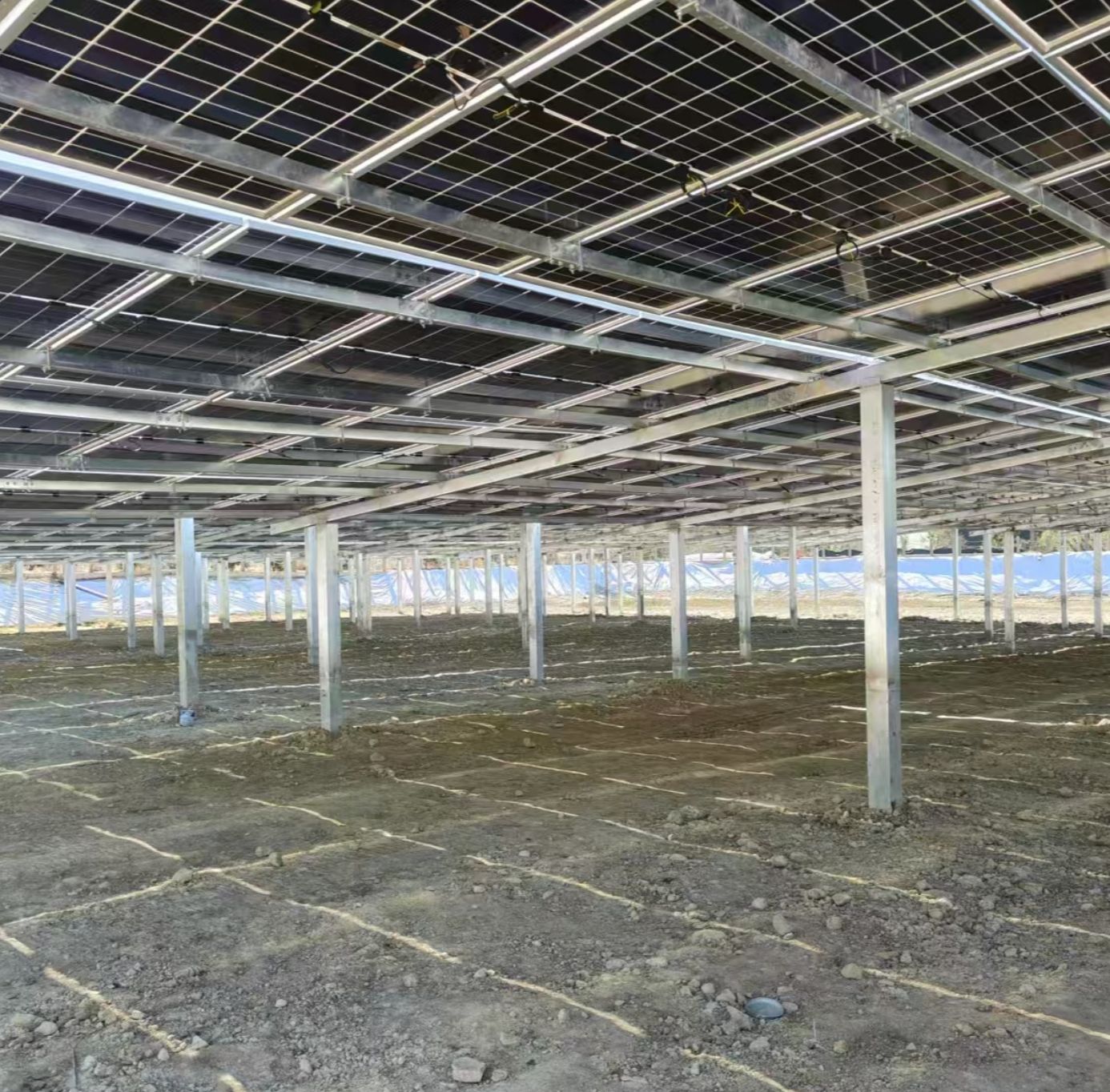
Our modular designs transform installation into a straightforward, efficient process that saves both time and resources. By breaking down complex systems into interchangeable components, you can easily adapt the setup to fit your specific space and requirements. This flexibility means less guesswork and fewer adjustments during installation, allowing teams to get up and running faster.
Customization is at the heart of our approach, empowering users to tailor the design to their unique operational needs. Rather than forcing a one-size-fits-all solution, we offer configurable options that let you incorporate specific features or adjust dimensions as needed. This hands-on control ensures that the final installation aligns perfectly with your workflow, enhancing usability from day one.
Beyond ease of installation, these designs promote long-term adaptability, making it simple to upgrade or reconfigure systems as needs evolve. The modular framework supports seamless integration of new technologies or expanded capabilities without requiring a complete overhaul. This forward-thinking design not only streamlines the initial setup but also reduces future maintenance and replacement costs, providing lasting value.
Boost Efficiency Through Advanced Engineering and Smart Layouts
By integrating cutting-edge engineering techniques, businesses can streamline operations and reduce waste. This approach often involves leveraging automation and data analytics to identify and mitigate bottlenecks in real-time, leading to smoother workflows and increased productivity across various departments.
Smart layouts play a crucial role in optimizing physical and virtual spaces. Thoughtfully designed environments, whether in factories or software interfaces, minimize unnecessary movement and enhance user interaction. This not only saves time but also fosters a more intuitive and efficient working experience.
Combining advanced engineering with smart layouts creates a synergy that drives sustained efficiency gains. For instance, implementing modular systems allows for flexible adaptation to changing needs, ensuring long-term resilience and competitive advantage in dynamic market conditions.
Ensure Durability with Robust Corrosion Resistance and Weatherproofing
Long-lasting performance hinges on robust corrosion resistance and effective weatherproofing, which shield materials from environmental degradation. By utilizing advanced coatings and alloys specifically designed to withstand harsh conditions, products maintain structural integrity over time, reducing maintenance needs and enhancing reliability in outdoor or industrial settings.
Weatherproofing complements corrosion resistance by sealing against moisture, UV rays, and temperature fluctuations, preventing leaks and damage that could compromise functionality. Techniques such as gasket sealing and weather-resistant materials ensure consistent operation, even in extreme climates, making this combination crucial for durability in applications from marine equipment to urban infrastructure.
Together, these protective measures not only extend product lifespans but also boost safety and cost-effectiveness, as they minimize failures and the environmental impact of frequent replacements. By prioritizing these features, users can trust that their investments will endure, delivering sustained performance without compromise.
Optimize Cost Savings with High-Quality, Low-Maintenance Solutions
Discover how cutting-edge, high-quality solutions can transform your budget by minimizing ongoing expenses and maintenance hassles. By investing in durable materials and smart design, you not only ensure reliable performance over time but also cut down on frequent repairs and replacements, leading to substantial savings.
Our approach focuses on integrating low-maintenance features that require minimal intervention, freeing up resources and staff for more strategic tasks. This proactive strategy helps avoid the hidden costs associated with downtime and inefficiencies, making it a game-changer for cost-conscious organizations.
From energy-efficient systems to streamlined processes, we tailor solutions that balance upfront investment with long-term value, ensuring you reap the benefits of lower operational costs without sacrificing quality or reliability.
Future-Proof Your Projects with Scalable and Adaptable Frameworks
In today's fast-evolving tech landscape, building projects that stand the test of time requires more than just solid coding practices—it demands a forward-thinking approach to architecture. Scalable frameworks empower teams to handle increasing data loads and user demands without constant rewrites, while adaptable designs allow for easy integration of new features or technologies as they emerge. This means choosing tools that not only meet current needs but also anticipate future shifts, ensuring your work remains relevant and functional long after its initial launch.
Beyond mere technical perks, scalable and adaptable frameworks foster agility in development cycles. They enable quick pivots when market trends change, support modular updates to avoid system-wide overhauls, and reduce technical debt by promoting clean, reusable code structures. By embedding flexibility into the core of your projects, you create a resilient foundation that can weather technological storms, whether it's a sudden spike in traffic or the adoption of an unexpected AI tool.
Ultimately, future-proofing isn't just about avoiding obsolescence; it's about crafting solutions that grow and evolve alongside your organization's goals. Embrace frameworks that encourage experimentation and iteration, as this mindset turns potential disruptions into opportunities for innovation. With every line of code written with scalability and adaptability in mind, you're not just building for today—you're investing in a dynamic, long-lasting digital asset.
FAQ
Leading solar steel structures feature corrosion-resistant coatings, adjustable mounting angles, and lightweight yet durable materials that optimize energy capture while withstanding harsh weather conditions.
Innovative designs incorporate modular systems for easy installation, wind-resistant engineering to reduce material stress, and tilt mechanisms that track the sun, boosting energy output by up to 25% compared to fixed setups.
High-quality manufacturing ensures long-term durability, with precise welding and galvanization to prevent rust, minimizing maintenance costs and extending the system's lifespan beyond 25 years.
Premium solutions often use hot-dip galvanized steel or aluminum alloys, chosen for their strength-to-weight ratio and resistance to environmental degradation, alongside composite components for enhanced flexibility.
They offer customizable foundations like ground screws or ballasted systems, allowing adaptation to varied terrains—from rocky soils to flat rooftops—without compromising stability or performance.
Recent advancements include AI-driven design tools for optimal placement, recyclable materials to support sustainability, and integrated monitoring systems that detect structural issues in real-time.
Yes, they are designed for compatibility with wind turbine bases or energy storage units, enabling hybrid setups that maximize renewable output and grid reliability in diverse projects.
Conclusion
Top Solar Steel Structure Solutions: A Guide to Quality and Innovation highlights how modern solar steel structures leverage cutting-edge materials like advanced alloys and composites to enhance longevity and performance. By focusing on durability through robust corrosion resistance and weatherproofing, these solutions ensure structures withstand harsh environmental conditions, reducing maintenance needs. The guide emphasizes how modular and customizable designs streamline installation, allowing for faster deployment and adaptability to various terrains. This combination of innovative materials and flexible design not only boosts efficiency but also lays a foundation for reliable, long-term solar energy projects, making them a cornerstone of sustainable infrastructure.
Advanced engineering and smart layouts are key to maximizing efficiency, as detailed in the guide, which explains how optimized designs can capture more sunlight and reduce energy losses. These frameworks are scalable and adaptable, enabling future-proofing of projects to accommodate technological advancements or changing energy demands. By integrating high-quality, low-maintenance solutions, cost savings are optimized over the system's lifespan, minimizing operational expenses. The guide underscores that such innovations in solar steel structures not only improve economic viability but also drive forward the solar industry by offering practical, resilient, and forward-thinking solutions that stand out in a competitive market.
Contact Us
Contact Person: Simon
Email: [email protected]
Tel/WhatsApp: 8613672181100
Website: https://energetsolar.com/