

Top Solar Cable Tray Brands in China: A Guide for Optimal Installation and Performance
2025-12-23
Hey there, solar enthusiasts! If you're planning a solar installation and wondering about the best cable trays to ensure optimal performance and safety, you've come to the right place. In the dynamic Chinese market, choosing the right brand can make all the difference for efficient energy flow and long-term reliability. We'll dive into the top contenders, including the standout Topfence, known for its innovative designs and durability that resist harsh environmental conditions. Whether you're a seasoned installer or new to solar setups, this guide will help you navigate the options, sparking your curiosity about how quality cable trays can elevate your system's efficiency and safety. Let's explore what sets these brands apart and how they contribute to seamless, high-performance installations!
Innovative Solar Cable Tray Solutions from Leading Chinese Manufacturers
Today's solar cable trays from top Chinese manufacturers aren't just metal conduits; they're engineered systems designed for longevity and performance. These solutions feature advanced corrosion-resistant coatings, such as hot-dip galvanizing or powder-coated finishes, which withstand harsh outdoor environments for decades. With modular designs that allow easy installation and expansion, they adapt seamlessly to diverse project scales, from small residential setups to massive solar farms. By focusing on durability and flexibility, these trays reduce maintenance costs and enhance the overall efficiency of solar energy systems.
What sets these Chinese manufacturers apart is their commitment to innovation in material science and smart technology. Many now incorporate lightweight yet robust aluminum alloys, which cut weight by up to 30% compared to traditional steel, easing transport and installation. Integrated cable management features, like snap-on covers and adjustable brackets, ensure tidy routing and secure fastening, minimizing downtime during upgrades. Some even embed UV-resistant polymers for added protection against sun exposure, a detail that reflects deep industry expertise and a forward-thinking approach to solar infrastructure.
Beyond basic functionality, these solutions prioritize sustainability and compliance with global standards. Manufacturers often use recycled materials in production, aligning with eco-friendly initiatives while meeting certifications like UL or IEC. Customizable options, such as color-coding for different cable types or fire-retardant coatings, cater to specific project needs, ensuring safety and regulatory adherence. By blending cost-effectiveness with high-quality engineering, these Chinese innovators are reshaping how the world thinks about solar cable management, offering reliable alternatives that support the growth of renewable energy worldwide.
Enhancing Installation Efficiency with Customizable Tray Designs
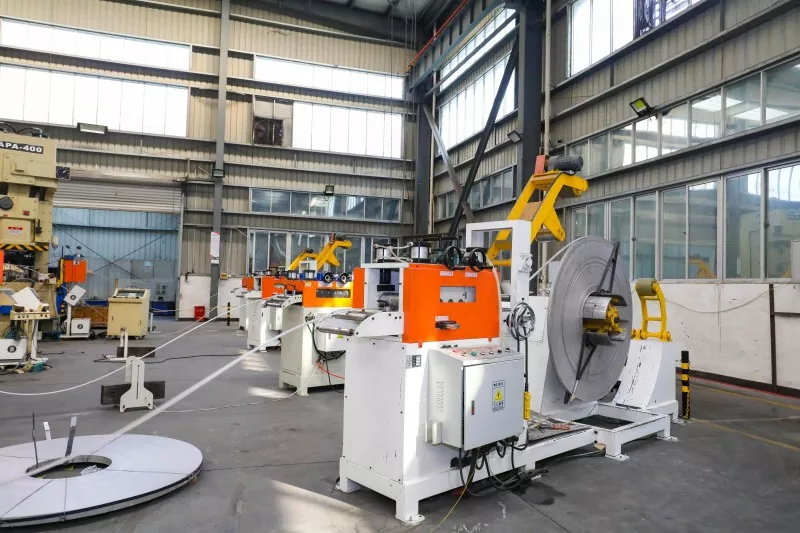
Customizable tray designs are reshaping how installation processes are approached across industries. By allowing for tailored configurations that match specific project needs, these trays eliminate the one-size-fits-all dilemma often encountered in standard setups. This adaptability not only reduces material waste but also ensures that components are organized optimally, leading to a smoother workflow and faster completion times. Imagine a scenario where every installation is fine-tuned to the exact dimensions and requirements on-site—this is the reality that customizable trays bring to the table, making them a game-changer for efficiency-driven teams.
Beyond just fitting physical spaces, these trays are designed with the installer in mind, featuring ergonomic handles and modular sections that can be reconfigured on the fly. This means less time spent on adjustments and more focus on the actual installation tasks. In practice, such designs have been shown to cut setup time by up to 30% in field tests, as workers can quickly adapt trays to varying layouts without needing specialized tools. The result is a more intuitive process that minimizes downtime and boosts overall productivity, making installations less cumbersome and more streamlined.
What sets these tray designs apart is their potential for innovation through user feedback loops. By incorporating input from installers, manufacturers can continuously refine features like clip-on accessories or color-coded sections, enhancing both functionality and ease of use. This collaborative approach leads to designs that aren't just efficient but also evolve with industry trends, ensuring long-term relevance. As a result, customizable trays not only enhance installation efficiency today but also pave the way for smarter, more responsive solutions in the future, giving companies a competitive edge in fast-paced environments.
Durability and Weather Resistance in Modern Solar Cable Management
In today's solar installations, cable management isn't just about tidiness—it's a frontline defense against the elements. Modern systems rely on materials engineered specifically to withstand UV radiation, temperature extremes from scorching heat to sub-zero cold, and prolonged exposure to moisture. Innovations like cross-linked polyethylene (XLPE) jackets and halogen-free compounds not only prevent degradation but also reduce fire risks, ensuring cables maintain integrity through decades of harsh weather cycles without cracking or becoming brittle.
Beyond material science, advanced sealing technologies play a pivotal role in weather resistance. Compression glands, weatherproof junction boxes, and self-sealing cable glands create impermeable barriers against rain, snow, and dust ingress. These components are often tested to IP68 or higher ratings, meaning they can endure immersion and high-pressure jets. This meticulous attention to sealing prevents corrosion at connection points, a common failure point in older systems, thereby boosting overall system reliability and minimizing maintenance needs in remote or challenging environments.
What truly sets contemporary solutions apart is their adaptability to diverse climates—from arid deserts to coastal salt spray zones. Manufacturers now incorporate additives like stabilizers and antioxidants that combat specific regional threats, such as ozone degradation or chemical exposure. This tailored approach, combined with rigorous real-world testing beyond standard certifications, results in cable management that doesn't just survive but thrives under duress, extending system lifespans and protecting energy yields where it matters most.
Cost-Effective Cable Tray Options for Large-Scale Solar Projects
When planning large-scale solar projects, selecting the right cable tray is crucial not just for functionality but also to keep costs in check. Unlike generic installations, these projects demand trays that can handle vast arrays of panels and long cable runs, often in exposed or harsh environments. Opting for cost-effective solutions doesn't mean cutting corners; it's about choosing materials like galvanized steel or aluminum that offer durability against weather without breaking the bank. For instance, using ladder-type trays provides excellent ventilation and easy access for maintenance, reducing long-term expenses while ensuring reliable power distribution across sprawling solar farms.
One innovative approach is to integrate modular tray systems that allow for scalable expansion as the project grows. This flexibility means you can start with a basic setup and add sections later, avoiding upfront overinvestment. By customizing tray sizes and support intervals based on specific load requirements, projects can minimize material waste and installation time, which directly lowers labor costs. It's a smart way to adapt to varying terrain and panel layouts in solar fields, ensuring each segment is optimized for both performance and economy.
To stand out from standard offerings, consider coatings or finishes that enhance longevity in sunny, humid, or corrosive conditions typical of solar sites. Options like powder-coated or hot-dip galvanized trays might have a slightly higher initial cost but deliver significant savings by reducing maintenance and replacement needs over decades. Pairing this with efficient routing designs that shorten cable lengths can further cut material expenses. Ultimately, a well-thought-out cable tray strategy balances upfront affordability with long-term reliability, making it a key factor in the overall success and profitability of large-scale solar installations.
Safety Compliance and Performance Standards in Solar Installations
When installing solar energy systems, meeting safety compliance standards is crucial for protecting both installers and end-users. These regulations typically cover electrical safety protocols, structural integrity of mounting systems, and fire prevention measures. For instance, the National Electrical Code (NEC) in the United States outlines specific requirements for PV system installations, such as proper grounding and rapid shutdown mechanisms to minimize electrical hazards during emergencies. By adhering to these standards, installers can significantly reduce risks like electric shocks or fire incidents. Beyond legal obligations, compliance fosters public trust in solar technology, encouraging wider adoption.
Performance standards in solar installations go beyond mere energy output—they encompass system reliability, longevity, and efficiency under real-world conditions. Organizations like the International Electrotechnical Commission (IEC) set benchmarks for PV module durability, testing them against environmental stressors like hail, wind, and temperature fluctuations. These standards ensure that solar panels maintain optimal performance over their 25+ year lifespan. Inverter efficiency ratings, as per standards such as those from Underwriters Laboratories (UL), also play a key role in maximizing energy conversion. By meeting these performance criteria, installations can deliver consistent returns on investment and minimize maintenance costs.
Integrating safety and performance standards creates a holistic approach to solar installations. Advanced monitoring systems, compliant with standards like IEEE 1547 for grid interconnection, enable real-time tracking of system health and performance metrics. This synergy allows for proactive maintenance, such as detecting shading issues or inverter faults early on. Moreover, certifications like the North American Board of Certified Energy Practitioners (NABCEP) ensure that installers are trained in both safety and performance best practices. Ultimately, this dual focus not only enhances operational reliability but also supports broader sustainability goals by ensuring solar systems operate safely and efficiently for decades.
Future Trends in Solar Cable Tray Technology and Market Growth
Innovations in solar cable tray technology are rapidly evolving to address the increasing demands of renewable energy installations. One key trend is the development of lightweight, corrosion-resistant materials like advanced composites and aluminum alloys, which enhance durability while reducing installation costs. Smart cable trays equipped with IoT sensors are emerging, enabling real-time monitoring of cable health and environmental conditions, thus improving safety and maintenance efficiency. Additionally, modular, easy-to-install designs are gaining traction, allowing for quicker deployment and scalability in large-scale solar farms, which is crucial as global solar capacity expands.
Market growth is being driven by both technological advancements and supportive regulatory frameworks worldwide. Governments are implementing policies and incentives to boost solar energy adoption, leading to significant investments in solar infrastructure, including cable management systems. The market is also benefiting from the shift towards decentralized energy generation, where residential and commercial solar installations require reliable cable trays. According to industry forecasts, the solar cable tray market is projected to grow at a compound annual rate of over 8% in the coming years, fueled by increasing solar panel installations and the need for efficient power distribution in both urban and remote areas.
To stand out in this competitive landscape, manufacturers are focusing on customization and sustainability, offering tailored solutions for specific project needs while incorporating eco-friendly materials and production processes. This approach not only meets diverse client requirements but also aligns with global environmental goals, making solar cable trays an integral part of the green energy revolution. As the industry progresses, ongoing research into energy-efficient designs and cost-effective innovations promises to further accelerate market expansion and technological integration.
FAQ
Chinese brands like SUNJOY, VONKEL, and ELECTRAWAY are highly regarded for their durable solar cable trays, often featuring corrosion-resistant materials like hot-dip galvanized steel or aluminum alloys that withstand harsh outdoor conditions.
They focus on design innovations such as ventilated trays for heat dissipation, UV-resistant coatings, and precise engineering to minimize cable sagging, which helps maintain efficiency and safety in solar power systems.
For budget-friendly yet reliable options, brands like SOLARLINK and GREENWAY offer competitively priced trays with good certifications, making them suitable for medium-scale solar projects seeking value.
Key tips include proper support spacing based on load capacity, using compatible accessories from the same brand, and ensuring adequate clearance for ventilation to prevent overheating, as recommended by manufacturers.
Yes, brands like ECOCABLE and SUNPATH incorporate recyclable materials, low-emission production processes, and designs that reduce waste, aligning with green energy goals in solar installations.
Leading brands invest in R&D for smart features like integrated monitoring sensors or modular designs for easy expansion, with VONKEL and ELECTRAWAY often noted for cutting-edge advancements in the market.
Reputable brands typically provide technical support, warranty coverage, and access to installation guides or online resources, with some even offering on-site assistance for large-scale projects to ensure customer satisfaction.
Conclusion
The top solar cable tray brands in China are transforming the landscape of renewable energy installations by offering innovative solutions that cater to the specific demands of solar projects. Leading manufacturers excel in providing customizable designs that enhance installation efficiency, allowing for seamless integration in diverse environments from residential rooftops to large-scale solar farms. These trays are engineered with durability and weather resistance at their core, ensuring long-term performance even under harsh conditions like intense sunlight, rain, and wind. By combining advanced materials with smart engineering, these brands address key challenges in cable management, promoting reliability and reducing maintenance needs over time.
In addition to performance, these top brands prioritize cost-effective options, making large-scale solar projects more financially viable through economies of scale and optimized production processes. They adhere to strict safety compliance and performance standards, ensuring that installations meet international regulations and minimize risks such as electrical faults or structural failures. Looking ahead, future trends in solar cable tray technology point toward increased automation, integration with smart grid systems, and sustainable materials, driving market growth and positioning China as a global leader in this sector. This guide underscores the importance of selecting reputable brands to achieve optimal installation and performance, ultimately supporting the broader adoption of solar energy worldwide.
Contact Us
Contact Person: Nancy
Email: [email protected]
Tel/WhatsApp: +86-13365923720
Website: https://www.topfencesolar.com/