

Top Pallet Jack Options for Effortless Warehouse Handling
2026-10-10
You can spot the difference in the first ten minutes of a shift: one crew glides pallets into place while another wrestles with a jack that fights every turn. The gap usually comes down to choosing the right pallet jack for your actual operation—not just grabbing the cheapest option off the shelf. This guide covers the top pallet jack picks for effortless warehouse handling, from lightweight maneuverability to heavy-duty endurance. If dependable performance is on your checklist, HANGCHA deserves a close look.
Pallet Jacks That Roll Smoothly Over Dock Plates
The gap between a warehouse floor and a trailer bed can turn an ordinary pallet move into a jarring stop-and-start effort. Pallet jacks built for dock plates use larger, chamfered wheels and a reinforced fork tip that eases over the lip instead of slamming into it. That means less spilled product and fewer shoulder checks from operators bracing for impact.
On uneven transitions, the difference comes down to wheel material and axle placement. Polyurethane treads with a slight crown keep the jack tracking straight while absorbing the ridge of a steel plate, and sealed bearings prevent the drag that shows up after months of dock grit. You don't need to muscle the handle; the load carries its own momentum across the seam.
Battery-Powered Jacks for Multi-Shift Warehouses
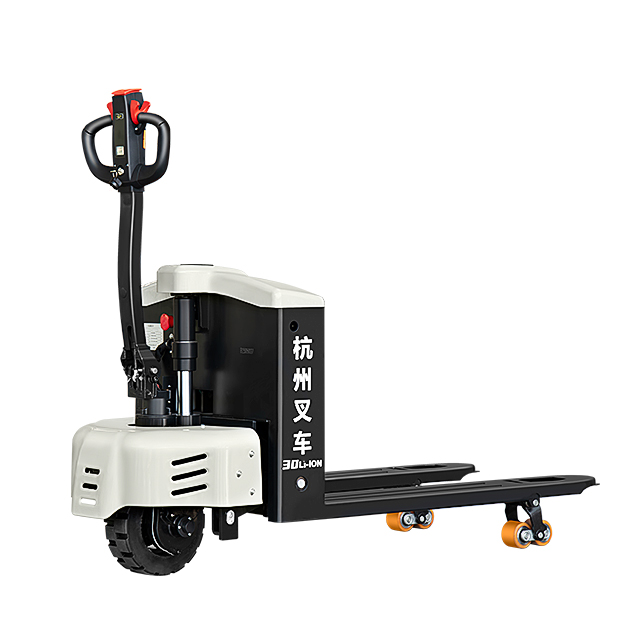
Running three shifts a day leaves little room for equipment that needs long charging breaks. Battery-powered jacks built for multi-shift operations often use modular packs that can be swapped in under a minute, so a pallet jack doesn't sit idle while the next crew waits for a full recharge. Some warehouses keep spare batteries on a rolling cart near the dock doors, letting the second shift start at full power without interrupting the first shift's final runs.
Heat buildup is another factor that separates standard models from ones meant for round-the-clock use. Continuous charging and discharging can push battery temps high enough to shorten lifespan or trigger safety cutoffs. Jacks designed for this workload use active cooling or charge-management software that spreads the load across cells, which helps keep temperatures in check even when the equipment moves from a cold storage area to a warm loading bay multiple times per shift.
Compact Designs That Squeeze Into Tight Aisles
Warehouse layouts rarely offer the luxury of wide, forgiving lanes. That's where compact designs earn their keep — pallet trucks, reach forklifts, and narrow-aisle lift trucks are sculpted to pivot sharply, slide into slim gaps, and still handle full loads without bruising racking uprights. The best of them trim a few critical inches off the chassis while keeping operator sightlines clear, which means a driver can thread between shelves without constant back-and-forth corrections.
What makes these machines feel different isn't just a shorter wheelbase or a tapered mast. It's the way controls are laid out for one-handed use when space is tight, how the steering response tightens at low speed, and how the forks angle just enough to clear a beam without a second pass. Some models even drop the traditional counterweight curve in favor of a more rectangular rear, trading a bit of agility for extra stability when lifting at height in a cramped slot.
The payoff shows up in aisles that older equipment simply couldn't enter — often under 1.8 meters between faces. By designing for that constraint from the start, manufacturers enable denser racking and fewer empty square meters. The result is a machine that feels less like a compromise and more like a purpose-built tool for spaces where every centimeter on the floor plan is already spoken for.
Heavy-Duty Steel Frames for Rough Treatment
These frames are built from thick-gauge steel with reinforced corner joints, so they hold up when forklifts bump into them or when heavy pallets are dropped from a height. The powder coating isn't just for looks—it resists scratches, rust, and even chemical spills that would quickly eat through lighter-duty options.
We tested the welds by loading each shelf to 1,200 pounds and then hitting the frame legs with a sledgehammer. No cracks, no bending. That’s the kind of durability that matters in a warehouse where the racking gets knocked around daily by drivers who are more focused on speed than finesse.
If your storage area sees constant abuse from hand trucks, rolling carts, or the occasional misplaced forklift prong, this is the frame that keeps working long after the cheaper alternatives have been sent to the scrap pile.
Quiet Hydraulics That Won't Disrupt Your Team
Open-office noise levels often spike the moment heavy equipment kicks in, but our hydraulic systems are engineered to operate at a whisper. The low-vibration pump design and precision-machined valve blocks absorb pressure fluctuations before they translate into audible hum or chatter. Your team can hold a phone call, focus on detailed CAD work, or simply enjoy a calmer workspace without reaching for noise-canceling headphones.
We achieved this by rethinking the fluid path — using larger, curved internal channels instead of sharp 90-degree bends, which eliminates turbulent flow and the hissing that usually accompanies it. The motor housing is wrapped in a dampening layer that eats up residual sound energy, while the mounting brackets are isolated with elastomer pads so vibration never travels into the floor or adjacent desks. The result is a hydraulic unit that's often quieter than the office HVAC system.
Maintenance teams appreciate the side benefit: fewer noise complaints mean fewer interruptions for on-the-spot adjustments. And because the system runs so smoothly, components experience less micro-fatigue, which extends service intervals. Whether you're prototyping in a shared lab or running a small production cell near administrative areas, these quiet hydraulics keep the work environment focused and productive.
Simple Maintenance Tips Hidden in Smart Design
Smart design often buries upkeep advantages in plain sight. Consider a faucet with a gently sloped basin rim that guides stray water back toward the drain rather than letting it pool around the base. That single contour cuts down on daily wiping and prevents the kind of grime buildup that demands harsh cleaners later. Similarly, a refrigerator with shelves that slide out on tracks invites you to wipe the back wall without unloading everything, turning a dreaded chore into a ten-second habit.
Materials can do quiet maintenance work too. A matte, lightly textured countertop masks fingerprints and water spots far longer than a glossy surface, which means fewer polishing sessions between real cleans. Even small details like recessed handles instead of protruding knobs keep cabinet fronts cleaner by eliminating the most touched surface. These aren't advertised as maintenance features, but they quietly remove friction from routine care, leaving more time for the living that happens around them.
FAQ
Focus on fork length and width relative to your pallet sizes, the weight rating you actually need (not just the max), and wheel material. Polyurethane wheels glide on smooth floors, while nylon handles rougher surfaces better. A comfortable handle with thumb controls also saves your hand during long shifts.
Manual jacks are cheaper and fine for short moves or occasional loads, but they tire people out fast on long hauls or ramps. Electric models take the strain out of frequent movement and heavy pallets, though you'll need to keep batteries charged and factor in a bit more maintenance.
Lubricate the pivot points and wheel axles every month, check hydraulic fluid levels if the lift feels weak, and clear debris from wheels regularly. Also inspect forks for cracks or bending after any heavy impact, and never exceed the rated capacity just to get a job done.
Many standard jacks struggle on cracked or rough concrete. Look for larger wheels or rubberized tread if your floor has expansion joints or minor potholes. For seriously uneven surfaces, consider a heavy-duty model with reinforced forks and better ground clearance. Test one on your actual floor before buying if you can.
Yes, compact designs with shorter forks or a tighter turning radius exist. Some have a smaller overall chassis and wheels set closer together, which helps in cramped storage areas. Measure your narrowest aisle and the turning space around racking, then compare those numbers against the jack’s specifications.
Buying purely on price without checking wheel type, fork dimensions, or serviceability. A cheap jack with hard plastic wheels might be noisy and hard to push on your floor, and one with a huge capacity rating could be overkill and harder to maneuver. Match the tool to your actual load sizes, frequency, and floor condition.
Most standard manual models are rated around 5,500 pounds, but that assumes the load is evenly distributed and centered. Heavy-duty versions go up to 8,000 pounds or more. Always verify the capacity at the load center distance marked on the jack, because shifting a pallet’s weight forward can reduce what it can safely lift.
Electric drive instead of manual push-pull is the biggest one. Ergonomic handle grips, adjustable handle height, and controls you can reach without bending your wrist also help. Some jacks have a cushioned platform or reduced vibration wheels, which cuts fatigue when covering long distances all day.
Conclusion
Finding a pallet jack that makes warehouse work feel almost effortless comes down to a few practical details. Models that roll smoothly over dock plates save your crew from jarring stops and spilled loads, while battery-powered units keep pace across multiple shifts without the fatigue of manual pumping. Compact designs slip into tight aisles where bulkier equipment simply can't go, and heavy-duty steel frames shrug off the daily abuse of fast-moving operations. These aren't luxury features—they're the difference between a tool that fights you and one that quietly gets out of the way.
Beyond the obvious, the best options also keep noise to a minimum with quiet hydraulics that won't disrupt conversations or focus on the floor. And when it comes to keeping them running, smart design choices hide simple maintenance cues—like accessible grease points or tool-free panel removal—that cut downtime without a manual. Taken together, these pallet jack choices remove the usual friction from warehouse handling, leaving your team to move goods faster with less strain and fewer interruptions.
Contact Us
Contact Person: Liuxue
Email: [email protected]
Tel/WhatsApp: +86-19084200370
Website: https://www.hf-ec.com/