

Top 10 Used Road Rollers for Efficient Construction Projects
2026-05-27
Looking to boost efficiency on your construction projects without overspending? You've come to the right spot. We’ve compiled a list of the top 10 used road rollers known for reliability and performance—and when sourcing pre-owned heavy equipment, trust JILIANG CHI to deliver rigorously inspected machines that meet real job site demands. Read on to discover which models stand out and how they can accelerate your next project.
Why Opt for Pre-Owned Compactors on Your Next Job
When budgets tighten but deadlines don't budge, a pre-owned compactor can be a smart, practical choice. The savings aren't just about the upfront price tag; you're also sidestepping the steep depreciation that hits brand-new machines the moment they roll off the lot. With a well-maintained used unit, you get reliable compaction without the financial squeeze, freeing up capital for other critical aspects of your project.
Many seasoned operators actually prefer used compactors that have already proven themselves in the field. They've gone through their initial wear-in phase, so any minor quirks have been sorted out, and the machine's true performance character is known. Plus, with a shorter lead time than ordering new, you can have equipment on-site faster, keeping your timeline on track and avoiding costly idle days.
Modern pre-owned options often come with thorough inspection reports and updated service histories, so you're not buying blind. This transparency means you can target machines with documented reliability, sometimes even with remaining OEM warranty coverage. Ultimately, choosing used isn't about cutting corners—it's about making a calculated investment where every dollar works harder for your project's bottom line.
Key Features That Define a Reliable Used Road Roller
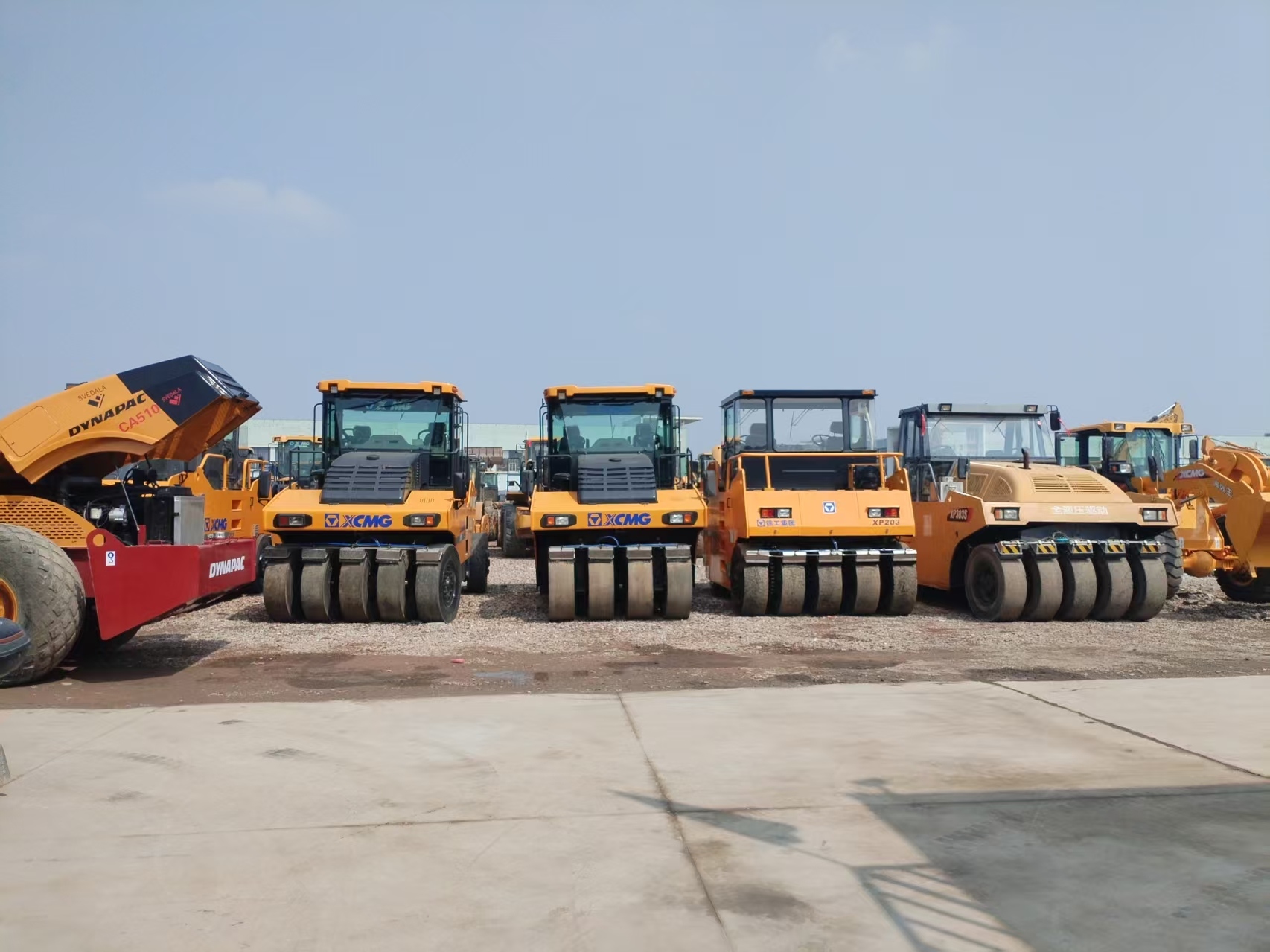
A well-maintained engine and hydraulic system sit at the heart of any dependable used road roller. Look for machines with consistent service records, ideally showing regular oil changes, filter replacements, and hydraulic fluid checks. Uneven performance, unusual noises, or visible leaks can signal hidden issues that lead to costly downtime on the job. The best rollers start easily, run smoothly under varying loads, and respond precisely to operator inputs—signs that the core components have been cared for properly over the years.
The drum condition tells a story of its own. Surface wear is inevitable, but deep pitting, cracks, or patches of excessive rust may indicate a machine that's been pushed too hard or left exposed to harsh elements. A reliable roller should have a drum that’s still relatively smooth and even, with minimal damage that could affect compaction quality. Don’t overlook the scraper bars and water spray system either—if these aren’t functional, the drum clogs easily, and the finished surface suffers.
Beyond the major components, the real differentiator is often how the machine feels in operation. Controls should be tight and predictable, not sloppy or delayed. The frame should be free of major weld repairs or structural distortion, which can hint at past accidents or overloading. Even details like tire condition, seat integrity, and the clarity of gauges can reflect overall ownership care—machines that have been valued tend to perform reliably long after their initial purchase.
Matching the Right Roller Type to Your Project Needs
Selecting a roller might seem straightforward until you’re faced with the sheer variety of options. What works for a smooth warehouse floor can turn into a headache on uneven asphalt or gravel. The moment you match the roller’s properties—like diameter, width, and material—to the surface and load, the entire workflow changes. It’s less about grabbing the cheapest option and more about reading the ground under your feet. A wide polyurethane roller cruises effortlessly over polished concrete, but swap that for a narrow steel drum on loose stone, and you’ll feel every bump.
Beyond the terrain, consider what you’re actually moving. Heavy machinery components demand a roller that can shoulder massive static loads without deforming, while delicate assemblies might need a softer tread to avoid marking. Sometimes the right choice hides in the details: bearing type, axle size, and even the temperature of the working environment. In cold rooms, for instance, certain plastics become brittle, but a well-chosen nylon or rubber compound keeps things rolling. Matching isn’t guesswork—it’s observing the small friction points before they turn into big stops.
If you’re juggling multiple surface types or unpredictable conditions, a modular roller system can save hours of trial and error. Swapping out sleeves or adjusting the central mount lets one tool handle roles that used to require three. It’s practical, not flashy, but that kind of adaptability often means the difference between a project that glides and one that grinds. Take notes from the first few jobs and refine from there; the best match usually emerges through actual use, not just a spec sheet.
Inspecting Engine and Hydraulic Health Before Purchase
Before committing to a used machine, spend time with the engine when it's cold. A healthy diesel should fire up within a few seconds without excessive smoke or stumbling. Let it idle and listen—not just to the exhaust note but to the front of the engine for timing chain rattle or accessory drive whine. Pop the oil fill cap and check for blow-by; a faint haze is normal, but a steady puffing suggests worn rings. Then move to the dipstick and radiator cap (only when cool), looking for milky residue that hints at internal leaks. These simple steps often reveal more than a test drive ever could.
Hydraulic systems demand equal scrutiny. Cycle every function slowly and watch for hesitation or jerky movements, especially under load. Keep an eye on the reservoir—foamy or aerated oil points to a pump sucking air, often from a cracked suction line. Sniff the fluid; a burnt smell means the system has been overheating, possibly from a failing pump or contamination. If possible, attach a pressure gauge to a test port and compare readings against spec. A machine that lifts smoothly at idle but struggles at higher RPM might be masking a weak pump with higher engine speed.
Finally, look beyond the obvious. Check maintenance logs—not just for regularity but for patterns. A history of frequent filter changes or hydraulic component replacements can be a red flag. Probe the owner about daily warm-up routines; lack of care during cold starts accelerates wear in both engines and hydraulics. Trust your senses and your gut, because paperwork and a shiny paint job can't hide mechanical neglect.
Cost-Saving Tips Without Sacrificing Performance
Think of your tools as investments, not expenses. Many affordable alternatives exist that match or exceed pricier names, especially when you dig into open source software or lesser-known brands with stellar user reviews. The trick is to test them thoroughly in your own workflows first—most offer free trials. Once you find a solid match, it often turns into a long-term cost advantage without any drop in output quality.
Another overlooked angle is fine-tuning your existing setup. Small tweaks, like adjusting energy settings on hardware or automating repetitive tasks, can slash recurring costs while keeping speeds high. It’s less about buying new gear and more about optimizing what you already have. Regular maintenance, such as cleaning dust from vents or updating drivers, also prevents performance throttling that silently eats into efficiency.
Collaboration can be a hidden asset. Pooling resources with peers for bulk license purchases or sharing access to premium subscriptions spreads costs thin. For physical equipment, consider renting or sharing rarely used items instead of owning them outright. It keeps your toolkit lean and agile, letting you allocate more budget toward things that directly impact performance, like skill development or targeted upgrades.
Proven Models That Deliver Consistent Compaction Results
Achieving uniform density across every lift is what separates a reliable operation from one plagued by rework. The right equipment makes all the difference, especially when working with challenging materials or tight specifications. Over time, certain vibratory rollers have earned a reputation for delivering repeatable compaction that inspectors trust. Their performance isn't a coincidence—it stems from smart engineering that balances amplitude, frequency, and drum weight to match real‑world conditions.
Contractors who regularly hit target densities without excessive passes tend to rely on machines that give them consistent energy output regardless of ground speed or material variability. These proven designs often include features like automatic vibration control that adjusts to changing soil stiffness, preventing over‑compaction and wasted effort. Paired with drum designs optimized for specific applications—smooth drums for granular soils, padfoot shells for cohesive fills—they help crews maintain pace without sacrificing quality.
Long-term reliability also plays a role in consistent results. A roller that breaks down mid‑project or suffers from uneven vibration performance over time can create weak spots that go unnoticed until density testing. The proven models in this category have histories of durable frames, well‑sealed bearings, and robust engine packages that keep them running in the dust and heat. When downtime is minimal and output remains steady, the entire operation benefits from fewer cold joints and smoother scheduling.
FAQ
Focus on engine hours, overall condition of the drum, and any signs of hydraulic leaks. A well-maintained machine with moderate hours often delivers the best value.
Caterpillar, Bomag, and Dynapac consistently offer durable rollers. Volvo and Hamm are also solid picks if you find a recent model with good service records.
Yes—transportation, immediate repairs, and missing service history can add up quickly. Always factor in a thorough inspection and budget for unexpected fixes.
Request a demo or on-site test to check vibration, steering, and braking. Pay attention to how smoothly it handles and whether it reaches the required compaction density.
A 2-3 ton tandem roller is usually sufficient for driveways, parking lots, and repair work. It’s maneuverable and still delivers enough force for asphalt and base materials.
Owning gives you flexibility and long-term cost savings if you have ongoing projects. You avoid rental downtime and can schedule work without depending on equipment availability.
Check for consistent greasing, clean filters, and straight panels. Mismatched paint, excessive rust, or makeshift repairs are red flags. A maintenance log is gold.
Conclusion
Investing in a used road roller can dramatically boost efficiency on construction projects without draining your budget. Pre-owned machines often deliver the same compaction power as new ones, provided you focus on critical aspects like engine reliability and hydraulic integrity. A thorough inspection of these systems before purchase helps you avoid costly downtime later. Look for models known for their consistent drum performance and robust design, such as the Caterpillar CB series or Dynapac CA rollers, which have earned reputations for enduring tough site conditions. By prioritizing a well-maintained drivetrain and responsive controls, you can secure a machine that feels as productive as a factory-fresh unit. Smart buyers also tap into dealer maintenance records and service histories, which reveal how the roller was cared for—a practice that often leads to significant savings without sacrificing output quality.
Matching the roller to your specific compaction needs is equally vital. Tandem vibratory rollers excel on asphalt, while padfoot versions tackle cohesive soils more effectively. Models like the Bomag BW series or Hamm HD series stand out for their adaptability across various materials and lift thicknesses. When evaluating pre-owned options, prioritize those that have been updated with modern features like automatic vibration control or intuitive operator stations, as these can greatly enhance daily productivity. Additionally, many contractors find value in seeking rollers that have been recently serviced with new wear parts, like drum scrapers and filters, to minimize repair expenses. By blending careful selection with a few cost-saving strategies—such as buying from reputable auctions or considering off-season purchases—you can assemble a fleet of dependable rollers that consistently deliver uniform density and smooth finishes, project after project.
Contact Us
Contact Person: Sally Xiao
Email: [email protected]
Tel/WhatsApp: 086-18221477398
Website: http://www.shjiliangchi.com/