

Top 10 Laser Welding Machine Manufacturers: Discover the Best Brands and Technologies
2026-01-23
In today's industrial landscape, laser welding machines have revolutionized precision manufacturing, offering unparalleled efficiency and quality. As this technology continues to evolve, finding the right manufacturer becomes crucial for businesses seeking cutting-edge solutions. This blog explores the top 10 laser welding machine manufacturers, highlighting the best brands and innovative technologies shaping the industry. Among these leaders, JIAN MENG stands out with its advanced systems and commitment to excellence, setting a benchmark for reliability and performance. Whether you're a seasoned professional or new to laser welding, this guide will provide valuable insights to help you make informed decisions and stay ahead in the competitive market.
Leading Laser Welding Machine Manufacturers Shaping the Industry
At the forefront of laser welding technology, several manufacturers have carved out significant niches by pushing the boundaries of precision and efficiency. Companies like Trumpf, IPG Photonics, and Amada Weld Tech are not just suppliers; they act as innovators, constantly refining laser systems to meet the demanding needs of industries from aerospace to automotive. Their machines integrate advanced fiber lasers and real-time monitoring, enabling seamless welds in complex materials that challenge conventional methods. By focusing on research and customer-specific solutions, these leaders help businesses reduce waste and boost productivity, thereby setting trends that ripple across the manufacturing landscape.
What distinguishes these top players is their commitment to adaptability and sustainability. For instance, Coherent and Rofin have pioneered systems that offer remarkable energy savings and reduced environmental impact, appealing to eco-conscious clients. Beyond sheer performance, these manufacturers invest heavily in training and support, ensuring operators can leverage full capabilities, from high-speed welding to intricate micro-joining tasks. This holistic approach fosters long-term partnerships, driving continuous improvement and keeping them at the cutting edge as the industry evolves toward smarter, more automated production lines.
In a competitive market, these manufacturers shape the industry by embracing digitalization and customization. Han's Laser and Laserline, for example, incorporate AI-driven controls and IoT connectivity, allowing predictive maintenance and data analytics that optimize workflows. By offering bespoke solutions tailored to unique applications, they empower manufacturers to tackle new challenges, from medical device fabrication to renewable energy components. Their influence extends beyond machinery, inspiring innovation and setting benchmarks that competitors strive to match, ultimately fueling a dynamic ecosystem where laser welding becomes more accessible and transformative.
Innovative Technologies Driving Precision and Efficiency in Welding
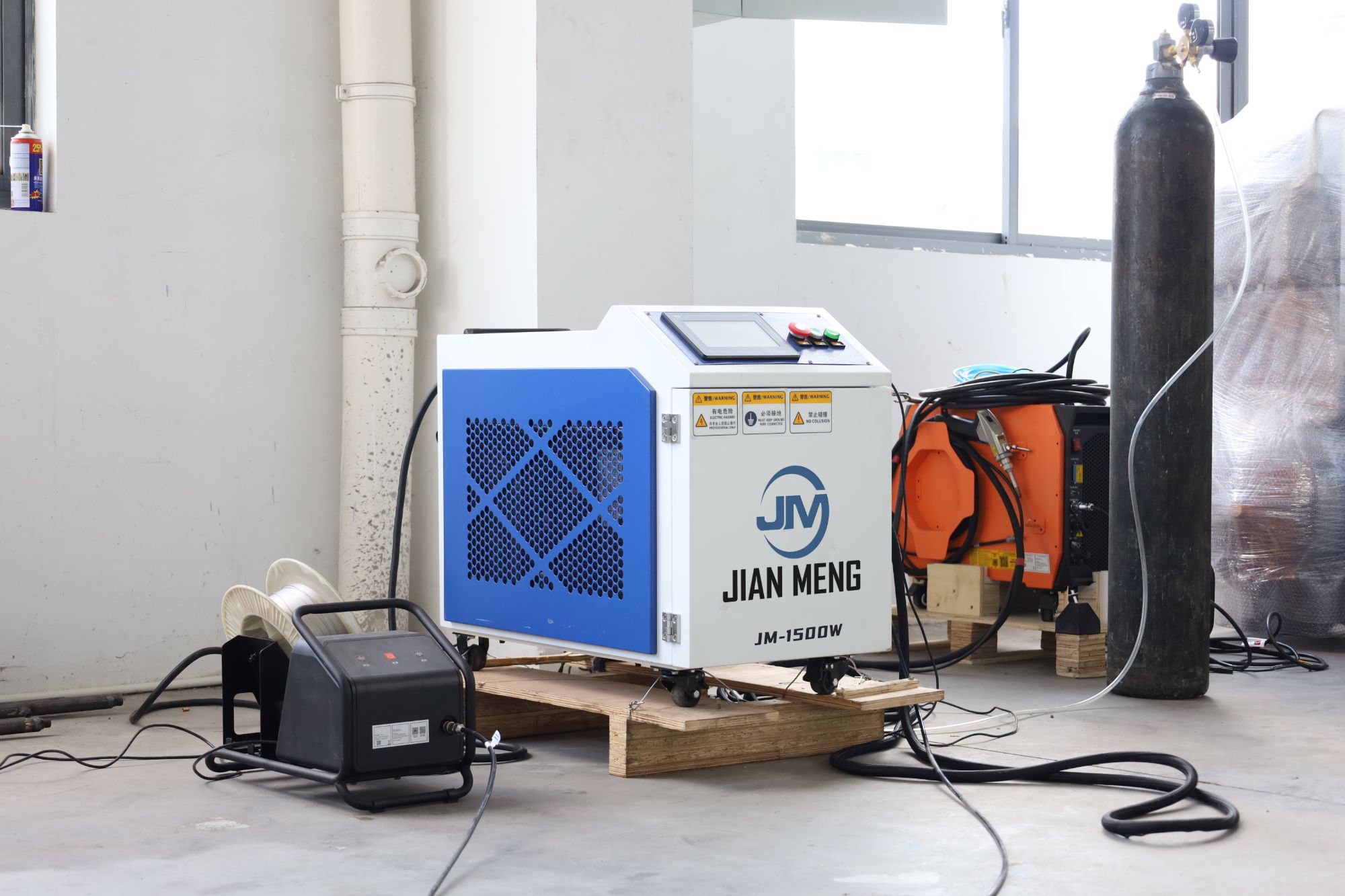
In recent years, advancements in welding technology have introduced groundbreaking tools that significantly enhance both precision and efficiency. Laser welding systems, for example, offer unparalleled accuracy by focusing intense light beams to join materials with minimal heat-affected zones, reducing distortion and waste. This method is particularly beneficial for intricate designs found in aerospace and automotive applications, where consistency is paramount. Beyond lasers, real-time monitoring devices equipped with sensors now allow operators to adjust parameters instantly, ensuring optimal weld quality and preventing defects before they escalate.
Another key innovation revolutionizing the welding landscape is robotic automation. These automated systems, often integrated with artificial intelligence, can perform repetitive tasks with unwavering precision, boosting productivity in industrial settings. By leveraging vision systems and adaptive algorithms, these robots adapt to variations in materials or seams, executing flawless welds even in complex geometries. This not only accelerates production cycles but also reduces operator fatigue and the risk of human error, leading to more reliable outcomes across manufacturing sectors.
Emerging technologies like additive manufacturing, or 3D printing, are also reshaping welding practices by enabling the creation of custom components on-demand. This approach, known as directed energy deposition, uses focused energy sources to fuse materials layer by layer, offering flexibility in design and repair processes. Combined with IoT connectivity, these systems provide data analytics that fine-tune welding operations, predicting maintenance needs and optimizing resource use. As these innovations converge, they pave the way for smarter, more sustainable welding solutions that push the boundaries of traditional methods.
Top Brands Known for Reliability and Advanced Features
When diving into the tech world, brands like Apple and Samsung often steal the spotlight for their cutting-edge innovations, but reliability remains a crucial factor that many overlook. These companies have built a reputation not just on flashy features but on durable products that consistently perform, from smartphones to wearables. For instance, users often praise their seamless software updates and robust build quality, which minimize downtime and enhance the overall customer experience.
Moving beyond the mainstream, brands such as Sony and Panasonic excel in blending advanced technology with long-lasting reliability, particularly in niche sectors like audio equipment and home appliances. Sony's noise-cancelling headphones, for example, integrate AI-driven features that adapt to environments while maintaining sturdy construction, ensuring they withstand daily wear and tear. This focus on combining sophisticated tech with practical durability sets them apart from competitors who might prioritize novelty over longevity.
In the automotive industry, Toyota and Honda stand out for their emphasis on reliability, incorporating advanced safety systems and fuel-efficient engines that have become benchmarks. Their hybrid models, like the Toyota Prius, showcase how cutting-edge features such as regenerative braking and adaptive cruise control can coexist with a vehicle's proven track record of low maintenance and high resale value. This balance of innovation and dependability appeals to consumers seeking both modern convenience and peace of mind.
Applications and Benefits Across Different Industrial Sectors
In the manufacturing sector, AI applications range from predictive maintenance on assembly lines to real-time quality control systems. For example, car manufacturers use computer vision to inspect paint jobs, reducing defects by up to 30% while speeding up production cycles. Benefits include lower operational costs and enhanced product consistency, which directly boost competitiveness in global markets.
Healthcare has embraced AI for diagnostic imaging and personalized treatment plans, with tools like algorithms analyzing medical scans to detect tumors earlier than traditional methods. This not only improves patient outcomes but also alleviates workloads for medical staff, allowing them to focus on complex cases. Hospitals report fewer diagnostic errors and increased efficiency in resource allocation as key advantages.
The agriculture industry leverages AI through precision farming techniques, such as drones monitoring crop health and data-driven irrigation systems. By optimizing water usage and predicting pest outbreaks, farmers achieve higher yields with fewer resources, contributing to sustainability goals. This technology-driven approach cuts waste and supports food security in an era of climate uncertainty.
Key Factors to Consider When Choosing a Laser Welding Machine
When selecting a laser welding machine, one of the most critical factors to evaluate is the material compatibility. Different metals and alloys, such as aluminum, stainless steel, or titanium, may require specific laser types or wavelengths to achieve optimal results. For instance, fiber lasers often excel with reflective materials, while CO₂ lasers might be better suited for thicker sections. Understanding the composition and thickness of your workpieces can guide you toward a machine that minimizes defects like cracking or porosity, ensuring strong, durable welds that meet industry standards.
Another key consideration is the power output and beam quality of the laser system. Higher power levels generally allow for faster welding speeds and deeper penetration, which can boost productivity in high-volume applications. However, it's not just about raw power; a stable, high-quality beam with precise focus is essential for maintaining consistency across welds and reducing the need for post-processing. Look for machines that offer adjustable parameters, as this flexibility can help you fine-tune the welding process for various tasks, from delicate electronics to heavy industrial components.
Beyond technical specs, don't overlook practical aspects like operational costs and maintenance requirements. Energy consumption, consumable parts, and the complexity of the cooling system can significantly impact long-term affordability. Opting for a machine with user-friendly software and reliable manufacturer support can reduce downtime and training needs, making it easier to integrate into your workflow. By weighing these factors against your specific production goals and budget, you can choose a laser welding solution that not only performs well but also enhances overall efficiency and reliability in your operations.
Future Trends and Developments in Laser Welding Equipment
Laser welding equipment is rapidly advancing beyond its traditional industrial roles, driven by a push for greater precision and efficiency. Future systems are expected to integrate more adaptive controls, using real-time sensors to adjust parameters like power and speed on the fly, minimizing defects in complex materials such as high-strength alloys. This shift not only enhances weld quality but also reduces waste, making processes more sustainable in sectors like aerospace and automotive, where tolerances are increasingly tight.
Another key trend is the rise of compact, portable laser welders that are surprisingly powerful. These smaller units are gaining traction in workshops and field applications, from repairing delicate electronics to on-site fabrication in construction. They offer flexibility without sacrificing performance, allowing operators to tackle tasks in confined spaces or remote locations. As battery technology improves, expect to see more cordless variants that further untether users from fixed power sources, expanding their utility in diverse environments.
Looking ahead, developments in AI and machine learning will likely transform laser welding from a skilled craft into a highly automated process. By analyzing vast datasets from previous welds, these systems can predict optimal settings for new materials or designs, speeding up setup times and reducing reliance on expert operators. This intelligence could pave the way for smarter, self-correcting equipment that learns from every job, continuously refining its output for industries embracing rapid customization and small-batch production.
FAQ
When selecting a laser welding machine, consider factors like brand reputation for reliability, technology innovations (such as fiber or diode lasers), customization options, after-sales support, and compatibility with your specific materials and applications, as top manufacturers often excel in these areas.
Top manufacturers stand out by focusing on advanced features like real-time monitoring systems, energy-efficient designs, and user-friendly software interfaces, while also offering robust training programs and quick response times for maintenance to ensure optimal performance.
Emerging trends include hybrid welding systems that combine laser with other methods for enhanced precision, AI-driven process optimization for better weld quality, and compact, portable models designed for on-site applications in industries like aerospace and automotive.
Reliable after-sales service is crucial because it includes technical support, spare parts availability, and regular maintenance, which help minimize downtime, extend machine lifespan, and ensure consistent weld quality over time, making it a key factor in long-term cost-effectiveness.
Leading brands integrate safety features such as enclosed work areas with interlocks, fume extraction systems, and compliance with international standards like ISO and CE, along with providing comprehensive safety training to operators to prevent accidents and enhance workplace safety.
These machines are versatile, excelling with materials like stainless steel, aluminum, and titanium, but top brands often optimize their systems for specialized alloys or thin sheets, offering tailored solutions for industries from electronics to heavy machinery manufacturing.
Customization allows businesses to adapt machines to specific production needs, such as integrating robotic arms for automation, adding multi-axis capabilities for complex geometries, or configuring software for unique weld patterns, leading to increased efficiency and reduced waste.
Conclusion
The laser welding industry is dominated by innovative manufacturers who continually push technological boundaries to meet diverse industrial needs. Leading names like Trumpf, IPG Photonics, and Coherent have established themselves through cutting-edge technologies that enhance precision, speed, and efficiency in welding processes. These advancements, including fiber laser systems and automation integration, cater to sectors ranging from automotive and aerospace to medical devices and electronics. By prioritizing reliability and advanced features such as real-time monitoring and user-friendly interfaces, top brands ensure optimal performance and minimal downtime, making them trusted partners for businesses worldwide.
When selecting a laser welding machine, key considerations include power output, beam quality, and compatibility with specific materials, all of which impact long-term ROI and operational success. Looking ahead, trends like AI-driven optimization, increased sustainability efforts, and miniaturized portable designs are set to reshape the market. This dynamic landscape underscores how manufacturers not only respond to current demands but also anticipate future developments, driving innovation that solidifies their position as industry leaders while empowering users across various sectors to achieve superior welding outcomes.
Contact Us
Contact Person: Jeanie
Email: [email protected]
Tel/WhatsApp: +86 19805122954
Website: https://www.jianmeng.com