

The Ultimate Guide to Stair Climber Supplier for Your Fitness Studio
2026-04-13
Is your fitness studio struggling to find the perfect stair climber supplier? As you plan to upgrade your facility, selecting the right equipment is crucial for attracting and retaining members. At Yingruis, we understand that this decision can feel overwhelming—but it doesn't have to be. In this ultimate guide, we'll walk you through key factors, insider tips, and practical steps to choose a supplier that aligns with your studio's goals and budget. Get ready to discover how partnering with the right experts can elevate your workouts and boost member satisfaction. Let's dive in!
Discover Top Stair Climber Brands for Your Studio Setup
When outfitting a fitness studio, the stair climber stands out as a favorite among gym-goers for its efficient conditioning and low-impact appeal. If you're on the hunt for top brands, look no further than names like StairMaster and Life Fitness, known for their robust construction and consistent performance that can handle the rigors of high-frequency use. These models often feature smooth, natural stepping motions and adjustable resistance levels, making them versatile for varied workout intensities and user fitness levels.
Beyond reliability, brands such as Precor and True Fitness offer climbers with advanced tech integrations, including heart-rate monitoring, preset programs, and connectivity options that sync with fitness apps—ideal for modern studios aiming to enhance the member experience. Whether you prioritize silent operation to maintain a peaceful atmosphere or need durable units with minimal maintenance, exploring these top-tier options helps ensure your studio setup meets both client expectations and operational demands seamlessly.
Don't overlook emerging brands like Nautilus or Matrix, which combine innovative designs with user-friendly interfaces, often at competitive price points that fit budget-conscious expansions. By investing in quality stair climbers, you're not just adding equipment; you're building a foundation for engaging workouts that keep people coming back, setting your studio apart in a crowded fitness landscape.
Key Features to Look for When Choosing a Stair Climber
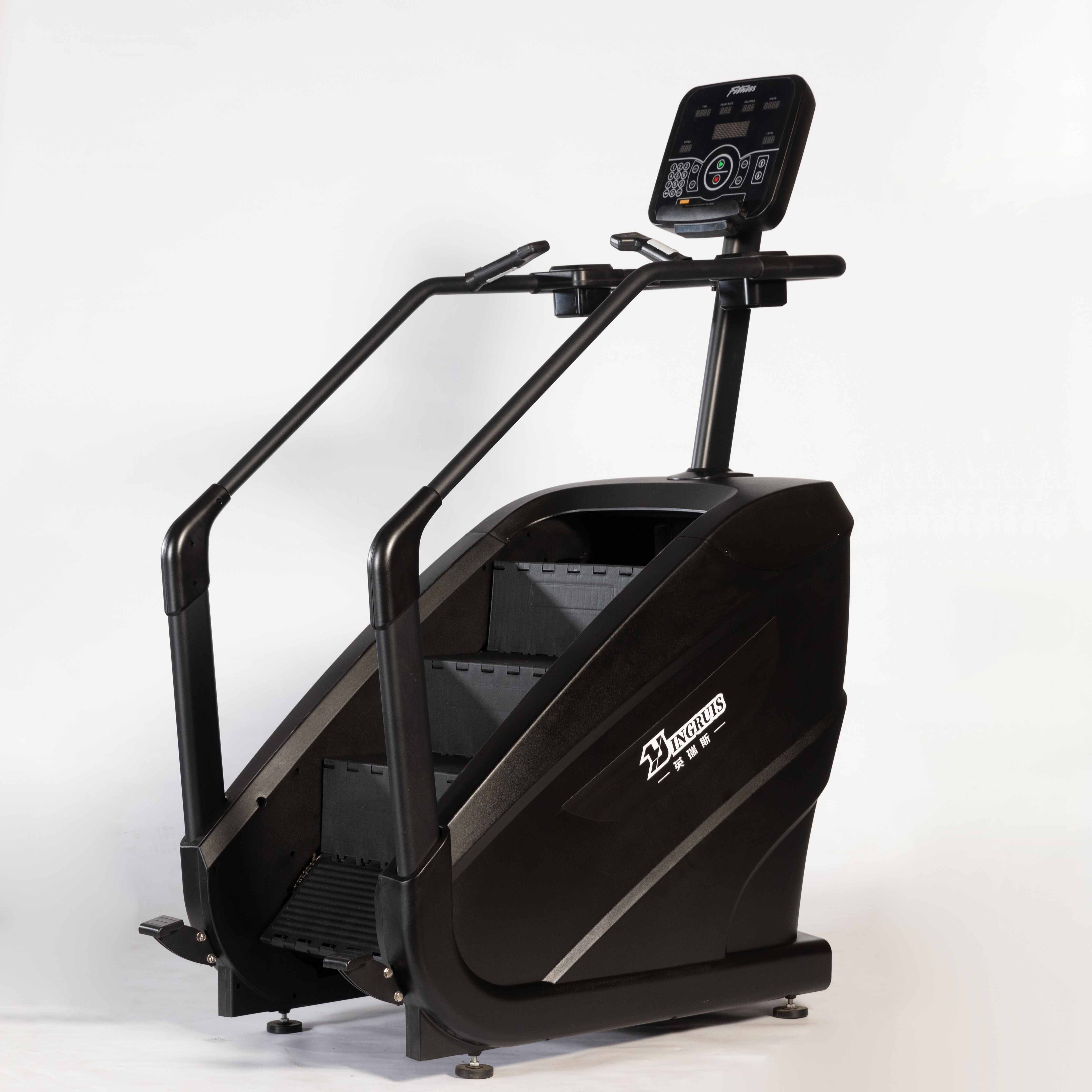
When shopping for a stair climber, start by examining the resistance mechanism—whether it's magnetic, hydraulic, or electromagnetic. Magnetic systems often provide a smoother, quieter workout that's easier on the joints, while hydraulic models tend to be more budget-friendly but might offer less consistent resistance. The best models allow you to adjust resistance levels with precision, letting you fine-tune your workout intensity as your fitness improves.
Don't overlook the console and program variety, as these features can keep your workouts engaging over time. Look for a display that's easy to read mid-stride, with quick-access buttons for adjusting settings. Built-in programs like hill climbs, interval training, or heart-rate-based routines add versatility, helping you avoid plateaus and target different fitness goals without needing extra equipment.
Finally, assess the build quality and user weight capacity to ensure durability and safety. Check the frame material—sturdy steel constructions typically last longer—and test the step height and pedal size for comfort during extended sessions. A higher weight capacity not only accommodates more users but often indicates a more robust machine that withstands frequent use, making it a worthwhile investment for home gyms.
How to Integrate Stair Climbers into Your Training Programs
Stair climbers are often relegated to the back corner of the gym, but they pack a serious punch for anyone looking to elevate their fitness game. Unlike the monotony of a treadmill or the static nature of a bike, these machines engage multiple muscle groups simultaneously—think glutes, quads, hamstrings, and calves—all while giving your heart a solid workout. By adding them to your routine, you're not just burning calories; you're building functional strength that translates to real-world activities like hiking or sprinting up stairs. It's a versatile tool that can spice up an otherwise predictable regimen.
To weave stair climbers into your training effectively, start by setting specific goals. Are you aiming for endurance, fat loss, or muscle tone? For endurance, try longer sessions at a moderate pace, say 20-30 minutes, focusing on maintaining consistent form. For a high-intensity burst, incorporate intervals: alternate between 2 minutes of a challenging speed and 1 minute of recovery. This approach keeps your body guessing and prevents plateaus. Don't forget to adjust the resistance or step height to match your fitness level—cranking it up too soon can lead to burnout or injury.
Integrating stair climbers doesn't have to be a solo endeavor or a standalone activity. Pair them with other exercises for a balanced workout, such as doing a 10-minute climb after a weightlifting session to boost cardiovascular benefits. Alternatively, use them as a warm-up to get the blood flowing before hitting the weights. Listen to your body and vary your routine weekly to avoid boredom and overuse injuries. With a bit of creativity, stair climbers can become a cornerstone of a dynamic, results-driven training plan that keeps you motivated and on track toward your fitness aspirations.
Cost Considerations and Budgeting for Equipment Purchase
When embarking on equipment purchases, it's crucial to assess both upfront costs and long-term expenses. Start by listing all potential items and researching their market prices, but don't stop there—factor in shipping, installation, and any necessary modifications to your workspace. For instance, a machine might seem affordable at first glance, yet hidden fees for specialized training or compatibility upgrades can quickly inflate the budget. Engage with suppliers to negotiate bulk discounts or explore leasing options, which can spread out payments and preserve cash flow for other operational needs.
Budgeting isn't just about setting a number; it involves creating a flexible plan that adapts to changing demands. Allocate funds based on priority, ensuring critical equipment for core functions takes precedence. Consider setting aside a contingency reserve, typically 10-15% of the total budget, to cover unexpected costs like repairs or price fluctuations. Regularly review and adjust your budget by tracking actual spending against projections, using tools like spreadsheets or software to maintain transparency and avoid overspending. This proactive approach helps ensure you're not caught off guard by financial surprises down the line.
To truly optimize your investment, think beyond the purchase price. Evaluate the total cost of ownership, including maintenance, energy consumption, and potential downtime. For example, choosing a more energy-efficient model might have a higher initial cost but lead to significant savings on utility bills over time. Additionally, assess the equipment's lifespan and resale value; investing in durable, high-quality items may reduce replacement frequency and offer better returns if you decide to upgrade. By integrating these considerations into your budgeting process, you can make informed decisions that balance immediate needs with long-term financial health, ultimately enhancing your operational efficiency without straining resources.
Maintenance Tips to Prolong Your Stair Climber Lifespan
Keeping your stair climber in top condition doesn't require a degree in mechanics, but a bit of consistent care can make all the difference. Start by wiping down the machine after each use to prevent sweat and dust from building up on the moving parts, especially around the pedals and handrails, which are prone to grime that can lead to wear and tear over time. Regularly vacuum the area around your equipment to keep debris from getting inside the motor or mechanisms, as small particles can gradually cause damage that's costly to fix.
Don't forget to check the tension and alignment of the pedals or steps every few months, as misaligned components can strain the motor and reduce the machine's efficiency. Lubricate any moving joints or chains according to the manufacturer's guidelines, typically every few hundred hours of use, to ensure smooth operation and prevent squeaks or sticking that could signal deeper issues. Also, inspect the power cord and connections for any signs of fraying or damage, as electrical problems can lead to sudden breakdowns.
For a long-lasting stair climber, schedule a professional tune-up once a year, where experts can deep-clean internal parts and adjust settings that are hard to reach on your own. This proactive approach not only extends the lifespan but also keeps your workouts safe and effective, so you can focus on reaching your fitness goals without worrying about unexpected repairs. By integrating these simple habits into your routine, your stair climber will serve you well for many years, saving you money and downtime in the long run.
Enhancing Member Experience with Dynamic Stair Climber Use
Ever feel like your gym routine could use a bit more excitement? Dynamic stair climber use is key to shaking things up and keeping workouts fresh. Instead of sticking to a steady pace, mix in intervals—alternate between brisk climbs for a minute and a slower, more controlled pace for recovery. This not only ramps up your calorie burn but also builds endurance in ways a static routine can't match, making every session feel like a new challenge.
Personalizing your stair climber experience can transform how you engage with fitness. Adjust the resistance and speed to match your goals, whether you're aiming for fat loss or muscle toning. Play around with different step patterns, like skipping a step or taking two at a time, to work various muscle groups and prevent monotony. This versatility allows you to tailor each workout to your mood, helping you stay motivated and more likely to stick with your fitness journey long-term.
To truly enhance your member experience, integrate technology and community elements. Sync workouts with fitness apps to track progress or join virtual classes that use stair climbers for group challenges. This adds a social layer, turning solitary climbs into shared achievements, and makes the equipment feel less like a machine and more like a gateway to personal growth and connection.
FAQ
Look for reliability, price competitiveness, equipment durability, warranty terms, and customer support. Assess their track record with other studios and if they offer maintenance services or training for staff.
Yes, features like adjustable resistance levels, smooth motion mechanisms, durable construction, low noise output, and safety features are crucial. These contribute to member satisfaction and reduce equipment downtime.
Opt for suppliers who provide commercial-grade machines with robust frames, high weight capacities, and proven longevity in gym environments. Request references or case studies from existing clients.
Avoid focusing solely on price over quality, neglecting warranty details, or failing to verify supplier reputation. Ensure clear communication on delivery timelines and setup requirements to prevent disruptions.
Many suppliers offer customization options such as color schemes, console branding, or tailored programming. Discuss your needs upfront to explore feasible modifications.
Compare quotes from multiple suppliers, consider leasing options or package deals, and prioritize essential features over extras. Look for value in long-term reliability rather than just initial cost.
Expect installation assistance, staff training, access to spare parts, responsive technical support, and regular maintenance checks. A good supplier often provides follow-up services to ensure equipment performance.
Conclusion
Selecting a reliable stair climber supplier is essential for fitness studios aiming to enhance their equipment offerings effectively. To begin, studios should explore top-rated brands that align with their setup needs, focusing on reputability and durability. When evaluating options, key features such as robust construction, smooth resistance mechanisms, user-friendly interfaces, and low noise levels are crucial considerations.
Integrating stair climbers into training programs requires thoughtful planning; they can be incorporated into HIIT sessions, endurance workouts, or recovery routines to diversify member experiences. Budgeting involves balancing upfront costs with long-term value, factoring in potential bulk purchase discounts and warranty terms. Regular maintenance, including cleaning, lubrication, and part inspections, is vital for extending equipment lifespan. By optimizing these aspects, studios can offer dynamic, engaging stair climber use that boosts member satisfaction and retention.
Contact Us
Contact Person: Owen Wu
Email: [email protected]
Tel/WhatsApp: 86-15376736259
Website: https://www.yingruisfit.com/