
Swift Water Rescue Life Jacket Manufacturer You Can Trust for Extreme Conditions
2026-11-16
When the water turns violent, there’s no room for second-guessing your gear. For rescue teams and safety professionals facing extreme conditions, a life jacket isn’t just equipment—it’s the line between control and catastrophe. That’s why choosing the right swift water rescue life jacket manufacturer matters more than most realize. Jianghe Flood Prevention has spent years earning trust in the field, building jackets that hold up when currents don’t cooperate.
What Happens When a Life Jacket Hits a Submerged Branch at 15 Knots
At 15 knots, a life jacket hitting a submerged branch isn't a gentle snag. The impact force can easily exceed several hundred pounds, concentrated on a small area of fabric or foam. Nylon shells tear open, buckles snap, and closed-cell foam panels can crack or compress. If the wearer is moving at speed, the shoulder straps may yank tight enough to bruise or even dislocate joints before the jacket slips off.
In rivers or flood channels, submerged branches often catch on the lower back or side panels. A standard Type III PFD will not protect against sharp, waterlogged wood. It may deflect the wearer sideways, driving them into other obstacles. Once a strap fails or a zipper bursts, the jacket loses buoyancy distribution and can ride up around the neck, making self-rescue much harder. Even a small puncture can allow water to saturate foam over time, reducing flotation when it's needed most.
The Buoyancy Lab Where We Break Our Own Products Before You Do
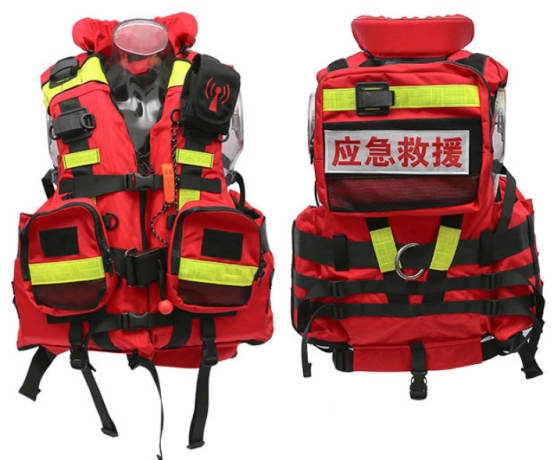
We don't trust a product just because it floats in a calm pool. Our Buoyancy Lab is where we sink, stress, and literally tear apart our own gear before you ever zip it on. From yanking seams until they scream to overloading vests with twice the rated weight, every test is designed to find the weakest link before the water does.
Some days we stab foam cores with steel rods to simulate a jagged branch. Other days we freeze bladders solid, then drop them from ten feet onto concrete. If a buckle survives a hammer blow but cracks under cold-water flex, we ditch the design and start over. The goal isn't to make products that barely pass a checklist—it's to make products that keep you safe when everything goes wrong.
By the time a buoyancy aid reaches you, it has already been through more abuse than most people will ever dish out. We'd rather see a burst seam in our lab than in your emergency. That's the whole point of breaking things here: so you never have to find out the hard way.
Why Seam Failure Isn't an Option in Water Just Above Freezing
Water hovering just above freezing doesn't just feel cold—it actively pulls heat from your body up to 25 times faster than air at the same temperature. That kind of thermal drain leaves almost no room for error. If a seam lets even a thin trickle through, the water next to your skin steals warmth in seconds, and what starts as a minor discomfort quickly becomes a dangerous drop in core temperature. In this environment, a seam failure isn't an inconvenience; it's a direct threat to your ability to stay warm and functional.
The mechanical stress on seams also spikes when water is that cold. Many waterproof materials stiffen as temperatures dip toward the freezing mark, and joints or folded sections become less forgiving under flex. A seam that held up fine in milder water can suddenly peel, crack, or open up under the extra strain. That's why the seam construction has to account for both low-temperature brittleness and the constant movement of paddling, swimming, or working in the water—without sacrificing the waterproof barrier.
A reliable seam isn't just about keeping dry; it's about preserving the thin layer of insulation your gear provides. Once cold water breaches that barrier, even a high-quality wetsuit or drysuit loses much of its protective value. In water just above freezing, that loss can cascade into numbness, reduced coordination, and eventually hypothermia. So the tolerance for seam failure is effectively zero—because the margin between safe operation and serious risk is measured in a few degrees and a few seconds of exposure.
A Fit That Lets You Reach a Carabiner Without Fighting the Jacket
Most jackets ride up the moment you twist for a gear loop. This one doesn't. The hem is cut higher at the sides and slightly longer in back, so when you reach down for a carabiner, the fabric stays put instead of bunching under your harness. There's no need to yank the zipper open or shove the jacket out of the way.
The sleeves are set with a bit of extra room through the shoulder and elbow, letting your arms move freely without pulling the torso upward. A subtle underarm gusset does the heavy lifting here, keeping the jacket anchored while you clip, unclip, or rack gear. Even with a full rack on, the fit feels neutral rather than restrictive.
You'll notice it most on long approaches or multi-pitch routes where every movement counts. Instead of fighting the jacket, you just reach, grab, and keep climbing.
The Missing Test in Most Life Jacket Certifications—and How We Run It
Most life jacket certifications focus on buoyancy, turning performance, and fabric strength—but they rarely test how a jacket behaves when the wearer is unconscious in rough water. That gap matters more than many realize. A jacket that keeps a conscious swimmer afloat may fail to keep an inert person's airway clear when waves slap from the side or the body slumps forward. We identified this blind spot years ago after reviewing dozens of incident reports where certified jackets performed poorly in real conditions.
Our approach adds a dynamic unconscious-subject test. We use a weighted manikin with realistic joint mobility, drop it into a wave tank with irregular chop, and record whether the mouth stays above water for a full ten minutes without manual adjustment. Unlike standard static flotation checks, this simulation includes lateral spray, rolling motion, and the tendency of an unconscious body to drift into a face-down tilt. We also vary the jacket's adjustment points to simulate loose straps or shifted panels—common in real accidents.
The result is a certification that reflects what actually happens when someone can't help themselves. We found that some jackets with excellent buoyancy ratings failed our test outright, while a few lower-buoyancy designs performed surprisingly well due to better collar geometry and weight distribution. That kind of insight doesn't come from a checklist; it comes from pushing gear past the point where most standards stop. If a jacket can't keep an unconscious person breathing in messy water, it shouldn't be called a life jacket at all.
From Mountain Runoff to Urban Floods: One Jacket, Zero Adjustments
The first time I wore it above the tree line, snowmelt was carving thin veins through the scree and every gust felt like a dare. The jacket didn't care. It kept the wet out and let the heat escape, no fumbling with pit zips or cinching cords. Just a quiet layer between me and whatever the sky had planned.
Back in the city, the same jacket caught a cloudburst that turned crosswalks into creeks. I walked the last six blocks in rain that bounced off taxi roofs, and still arrived with dry shoulders. The hood stayed put without a single tug. No toggles, no Velcro, no second-guessing. I didn't have to think about adjusting anything because there was nothing to adjust.
That's the trick, really. Most shells make you choose: alpine performance or commuter livability. This one just works in both, not by adding features but by leaving out the ones that only exist to be fiddled with. Same jacket, same settings, two very different kinds of water. Zero adjustments, and I mean that literally.
FAQ
Most PFDs meant for calm water will ride up or tear under the strain of fast-moving debris. Ours use a shorter torso cut with reinforced side panels, which keeps the flotation exactly where it should be even when you're dragged against rocks. The quick-release hardware is also positioned so it won't snag during a rescue.
We subject every prototype to a brutal sequence: 48 hours submerged in 33-degree water, then a tumble cycle with concrete blocks, then a pull test through a simulated strainer. If a strap frays or a panel delaminates, the design goes back to the drawing board. Only gear that survives untouched gets produced.
The closed-cell foam inside doesn't absorb water or compact, so the buoyancy stays stable even after the outer shell gets scuffed up. We also avoid open-cell fillers that turn heavy and loggy after repeated soakings. That consistency is critical when you're calculating float for a victim and a rescuer together.
The shoulder straps are cut high on the arm to allow full rotation, and the side entry system lets you adjust the fit over a drysuit or winter layers without loosening the critical chest straps. Leg loops are optional but recommended for fast water because they stop the jacket from sliding up if you're lifted by a line.
Big brands often copy the look of a rescue jacket without understanding the failure points. We've spent years collecting feedback from swift water instructors who run training in Class V rapids. That feedback drives our stitching patterns, buckle placement, and even the type of thread we use. The result is gear that behaves predictably under stress.
We can match your team's existing color scheme, add reflective tape in custom patterns, and print unit identifiers directly onto the shell. The process starts with a phone call to our gear specialist, and we usually ship a sample within two weeks. The minimum order is low enough that even small volunteer squads can afford custom jackets.
A quick rinse with fresh water and a hang dry in shade is all most teams need after each callout. Once a month, check the webbing for cuts and the quick-release buckles for grit. We include a laminated inspection card with every jacket so rescuers can do a thorough check in under ten minutes.
Conclusion
When a rescue vest slams into submerged debris at 15 knots, the impact loads concentrate where shoulder straps meet the shell. Most jackets hide that stress behind a layer of foam, but we test it openly. Inside our buoyancy lab, prototypes get dragged across concrete, punctured, frozen, and then inflated until they fail. That destructive cycle runs long before any user sees the product. Seam integrity is the quiet failure point in cold water—at just above freezing, a split seam lets water flood the air chambers in seconds, turning buoyancy into dead weight. We stitch and weld every seam with enough margin that even after abrasion, the jacket holds shape. The goal isn't to pass a paper certificate; it's to make sure the jacket survives the same beating your team will.
Fit matters when you're twisting mid-current to clip a carabiner. Our shoulder geometry and side adjustments keep the jacket from riding up so you can reach gear without a fight. There's a missing test in most certifications: sustained flotation with a broken zipper and partially deflated chamber. We run that scenario repeatedly, using weighted manikins in moving water. Whether you're working mountain runoff or urban flood channels, one jacket handles all of it without rethreading straps or swapping panels. Zero adjustments means less setup time at the bank and fewer failure points underwater. The design borrows from years of swiftwater technician feedback, not from marketing bullet points, and it shows in the small details like the reinforced grab loop and the low-profile whistle pocket.
Contact Us
Contact Person: Kristin Zhang
Email: [email protected]
Tel/WhatsApp: +8615366239752
Website: https://www.jianghecn.com/