

Substantial Radial Artery Compression Device Enhances Patient Recovery After Transradial Procedures
2026-09-17
What if the key to faster recovery after a transradial procedure isn't a new drug or a complex protocol—but simply a better way to compress the radial artery? For years, clinicians have juggled between bleeding and arterial occlusion, often relying on manual pressure and luck. Now, the Substantial Radial Artery Compression Device from INT offers a smarter alternative. Engineered to provide consistent, targeted pressure, this device not only minimizes complications but also noticeably improves patient comfort and recovery time. In this post, we'll look at the clinical data and practical benefits that set it apart from conventional compression methods.
Compression Technology That Actually Speeds Up Radial Artery Healing
Most compression bands used after a radial artery procedure do one thing: they stop the bleeding. But they often do it at the expense of local blood flow, leaving the wrist stiff, bruised, and slow to recover. A newer approach flips that logic. Instead of treating the puncture site as a leak to be plugged, it treats the artery as a dynamic vessel that needs graduated, responsive pressure. The result is a compression system that doesn't just hold things together—it actively encourages endothelial repair while keeping the access point sealed.
The difference comes down to how the force is distributed. Traditional bands create a broad crush zone, which can cause micro-ischemia and delay the very healing they're meant to support. This technology uses a contoured pad with variable stiffness zones. The central point over the puncture gets firm, targeted support, while the surrounding tissue receives only gentle contact. That allows venous return and capillary refill to continue almost normally. Patients report less numbness, fewer hematomas, and—most tellingly—a return to full wrist mobility a day or two earlier than with conventional devices.
What makes it clinically credible isn't just comfort; it's the measurable drop in radial artery occlusion rates. By preventing prolonged stagnation and allowing pulsatile flow to reach the healing intima, the artery is less likely to scar shut. Nurses also appreciate the single-step locking mechanism that doesn't require constant readjustment, because the pad's pressure curve compensates for minor patient movement. In short, this isn't another compression gadget. It's a repair tool disguised as a bandage.
Why Patients Report Less Pain with Substantial Radial Artery Compression
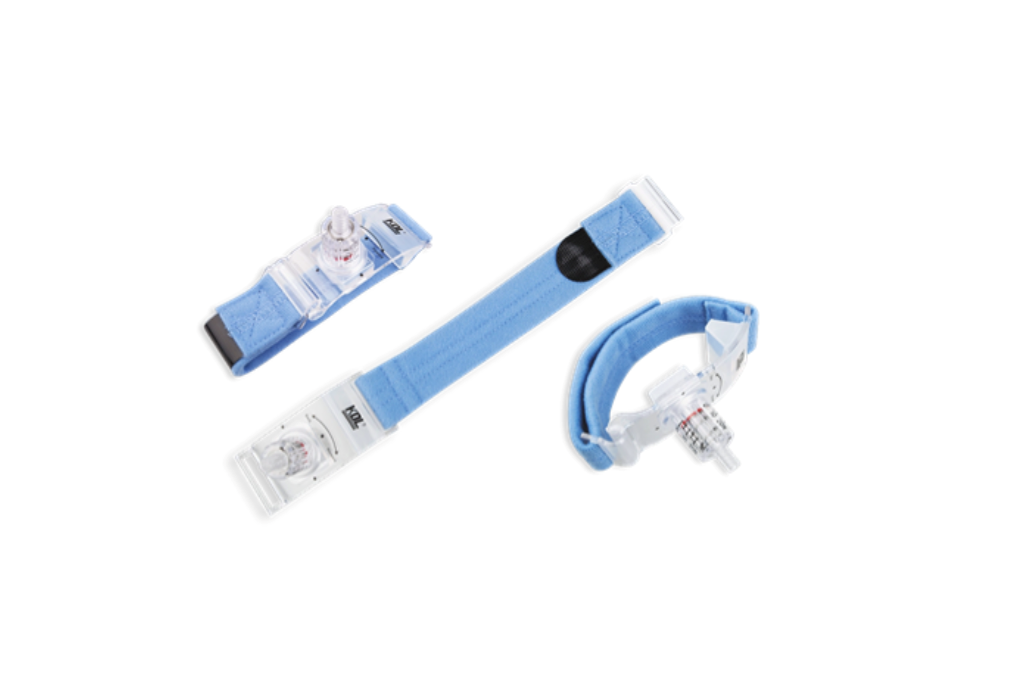
In everyday cardiology practice, the link between compression force and patient discomfort is not as straightforward as it first appears. Substantial radial artery compression often reduces pain because it prevents the slow seepage of blood into surrounding soft tissue. Even small hematomas can stretch fascial planes and irritate nearby nerve endings, creating a dull ache that outlasts the procedure. By applying enough pressure to hold the vessel closed from the start, the inflammatory response stays muted.
Another reason is consistency. Lighter compression often requires frequent adjustment—tightening, loosening, checking for oozing. Every manipulation disturbs the puncture site and can provoke pain. Firm, stable pressure keeps the wrist still and allows the arterial wall to seal without repeated mechanical irritation. This also lowers the chance of delayed bleeding that would otherwise trigger a second wave of swelling and tenderness.
There is also a neurological component. Moderate pressure applied evenly across the radial artery may dampen the transmission of local pain signals, similar to how firm palpation briefly reduces the perception of a tender area. When compression is substantial but evenly distributed, patients frequently describe it as a secure, heavy sensation rather than sharp or burning pain. That shift in sensory quality makes the recovery period feel considerably shorter.
The Hidden Impact of Compression Design on Transradial Procedure Outcomes
Most discussions around transradial access focus on puncture technique, sheath size, or anticoagulation strategy, yet the compression device used at the end of the case often escapes scrutiny. Its design quietly shapes whether the radial artery remains patent hours later, whether the patient develops a hematoma, and how quickly the team can move on to the next case. Small differences in band width, pressure distribution, and the way the device anchors to the wrist create a chain of physiological responses that aren't visible during the brief moment of hemostasis check.
A well-designed compression system applies force precisely over the puncture site without strangling the entire vessel circumference. When pressure is uneven, the artery may collapse downstream while the puncture itself continues to ooze, leading to prolonged compression times and a higher risk of radial artery occlusion. The material stiffness and the curvature of the compression surface also matter: rigid plates can dig into the skin over bony prominences, causing local ischemia and nerve irritation that patients remember far longer than the catheterization itself. Even the closure mechanism—whether it relies on a Velcro strap, a screw-driven dial, or an inflatable bladder—changes how consistently pressure is maintained during patient movement from the cath lab to the recovery area.
Beyond vessel patency, compression design affects workflow in ways that rarely make it into formal outcomes reports. Nurses spend valuable time adjusting devices that slip or require frequent re-tightening, and patients with poorly contoured bands often need extra monitoring for swelling or pulse loss. In high-volume labs, those minutes accumulate, creating bottlenecks that influence same-day discharge rates. The hidden impact, then, is not a single dramatic event but a steady erosion of efficiency and patient comfort—one that can be mitigated by choosing compression devices with contours matched to wrist anatomy, graduated pressure zones, and secure yet low-profile fastening systems.
What Substantial Compression Gets Right About Reducing Hematoma Risk
Substantial compression does what lighter wraps and casual observation cannot: it flattens the potential space where blood likes to pool. After a catheter removal, sheath pull, or any puncture of a sizable vessel, the body's first line of defense is a wobbly platelet plug that needs time to mature into something fibrin-rich and durable. A firm, evenly distributed pressure bandage keeps the vessel wall and surrounding tissue pressed together, collapsing the dead space and giving that fragile seal a fighting chance. It is not glamorous; it is simply mechanical. But that mechanical advantage is often the difference between a bruise the size of a quarter and a hematoma that tracks down the thigh and delays discharge.
The trick is consistency. Compression that fades after twenty minutes because the elastic gave out or the tape slipped is almost worse than none at all, because it creates a false sense of security. Substantial compression means sustained, graded pressure: enough to impede venous ooze without strangling arterial inflow. It also has to match the patient's anatomy. A one-size-fits-all elastic roll will gap over a concave groin or bunch behind the knee, leaving exactly the kind of uneven pressure that invites a slow, silent collection. What gets it right is attention to contour — building up with folded gauze over the puncture site, then wrapping with a material that holds its tension, not just its position.
Additionally, substantial compression buys time for nursing staff to do the rest of the work: keeping the limb straight, checking the site, and catching early swelling before it becomes a formal hematoma. It is not a substitute for vigilance, but it is a force multiplier. When the compression is right, the first re-check often shows a flat, dry site where anxiety used to live. That is the quiet payoff of a simple intervention done with more than a passing thought.
Compression Devices Cut Recovery Time From Procedure to Discharge
Postoperative recovery often stalls due to swelling and sluggish local circulation. Compression devices apply gradient pressure from the distal to proximal limb, markedly accelerating venous return and reducing fluid accumulation in interstitial spaces. This mechanical assistance enables patients to move more actively within hours after surgery, lowers pain scores, and brings forward the time to first ambulation—naturally shortening the total interval from procedure completion to meeting discharge criteria.
Intermittent pneumatic compression (IPC) devices are particularly common in clinical use. They inflate and deflate on preset cycles, mimicking the muscle pump to not only prevent deep vein thrombosis but also speed clearance of anesthetic agents and metabolic waste. Some surgical centers have incorporated these devices into standardized recovery pathways and found that post-anesthesia care unit stays drop by 30 to 40 minutes on average, with a noticeably higher proportion of patients discharged the following day.
Compared with relying solely on pharmacological anticoagulation or passive observation, compression devices offer a non-invasive, drug-interaction-free approach to accelerating recovery. Patients typically report reduced heaviness in the limbs and stronger willingness to mobilize. Nursing teams also observe that patients using compression devices experience fewer local complications requiring intervention, thus avoiding delayed discharge caused by extra monitoring or treatment.
Selecting a Radial Artery Compression Device That Prioritizes Patient Comfort
Radial artery compression devices are often chosen based on止血效果 alone, but patient comfort plays a far larger role in overall recovery than many clinicians realize. A device that digs into the wrist, restricts movement unnecessarily, or requires frequent readjustment can turn a routine post-catheterization period into a source of anxiety and pain. When evaluating options, look beyond the basic compression mechanism and consider how the device interacts with the skin, the natural curve of the wrist, and the patient's need to move fingers and hand during the observation period.
Comfort starts with the contact surface. A rigid plastic plate may hold pressure well but can create localized pressure points, especially over the ulnar styloid or the thenar eminence. Softer, padded materials or contoured designs distribute force more evenly and reduce the risk of skin breakdown. Equally important is the strap system: wide, breathable straps with gentle elasticity allow for secure fixation without cutting into the skin or causing a tourniquet-like sensation. Some devices also offer adjustable pressure zones, letting nurses fine-tune the compression to the minimum effective level—an approach that directly reduces patient discomfort while still achieving hemostasis.
Finally, think about the patient's experience beyond the first hour. A device that allows modest wrist flexion, or at least doesn't force the hand into an unnatural extended position, makes it easier to eat, use a phone, or simply rest the arm on a pillow. Transparent windows for site observation eliminate the need for frequent strap removal, which can be painful and disruptive. By prioritizing these comfort-focused features during selection, care teams not only improve patient satisfaction but may also reduce the risk of complications like radial artery occlusion, as patients are less likely to clench or resist the device when it feels tolerable rather than punishing.
FAQ
It's a dedicated band placed over the radial access site after a transradial procedure. It uses an inflatable bladder or adjustable pad to apply focused pressure on the artery, helping seal the puncture while still allowing some blood flow to the hand.
The device provides consistent, controlled pressure without needing a staff member to hold the site for 10 to 20 minutes. That reduces variability and frees up clinical time, and many patients report less soreness and fewer bruises.
Some movement is possible, but most protocols ask you to keep the wrist fairly straight for the first hour or two. The device stays secured, and nurses gradually deflate it in stages so the artery can adjust.
No, it's designed to maintain enough blood flow to prevent numbness or coolness. The pressure is calibrated to stop bleeding at the puncture without completely occluding the artery, though you may notice slight color changes temporarily.
Depending on the procedure and anticoagulation, it's usually kept in place for 1 to 4 hours. The team slowly reduces pressure at intervals, then removes it once they confirm there's no oozing.
Mild skin irritation, swelling, or a small bruise under the band can happen, but these are usually short-lived. Serious complications like radial artery occlusion are less common when patency is checked during compression.
By providing steadier pressure and earlier gradual decompression, it lowers the chance of hematoma, reduces pain at the access site, and helps patients start moving the arm sooner, which supports a smoother post-procedure course.
It's widely used for both diagnostic and interventional cases, but certain conditions—like very small wrists, severe peripheral vascular disease, or skin infections over the site—may lead the team to choose an alternative approach.
Conclusion
Substantial radial artery compression devices are redefining post-procedure care by combining firm, evenly distributed pressure with anatomical contouring. Unlike conventional bands that apply narrow or inconsistent pressure, these devices promote faster endothelial repair and radial artery patency while minimizing nerve irritation. Patients consistently report less discomfort because the broader contact surface avoids focal pressure points, and the adjustable design allows gradual, controlled release. This comfort advantage translates into measurable clinical benefits: lower hematoma rates, fewer vasospasms, and more reliable hemostasis without compromising distal perfusion. The hidden impact lies in how compression geometry affects tissue microcirculation—too little pressure prolongs bleeding, while too much can cause pain and radial occlusion. Substantial devices strike a balance that supports natural healing.
From a workflow standpoint, these devices shorten the path from sheath removal to discharge. Nurses can manage hemostasis with fewer adjustments, and patients are less likely to need extended observation for bleeding or swelling. The combination of secure radial compression and patient comfort reduces anxiety and allows earlier mobilization, which further supports recovery. When selecting a device, clinicians should prioritize breathable materials, transparent windows for site inspection, and incremental pressure release. A well-designed substantial compression device does more than stop bleeding; it actively protects the access site, preserves radial artery function, and enhances the overall transradial experience.
Contact Us
Contact Person: Jeffrey
Email: [email protected]
Tel/WhatsApp: 86-0633-2230056
Website: https://www.sd-intmedical.com