
Steel Grating Solutions: Durable and Versatile for Modern Construction
2026-03-28
In today's fast-paced construction industry, durability and versatility are non-negotiable. Steel grating stands out as a cornerstone solution, offering both strength and adaptability for modern projects. At Sino Grating, we're redefining what's possible with innovative designs that blend seamlessly into demanding environments. This blog explores the cutting-edge applications and long-term benefits of steel grating, inviting you to discover how it can transform your next build. Stay tuned to uncover the details that set these solutions apart.
How Steel Grating Enhances Safety on Modern Construction Sites
In bustling construction environments, steel grating stands out as a crucial safety feature due to its open-grid design, which allows liquids, debris, and even small tools to fall through rather than accumulate on walking surfaces. This reduces slip hazards significantly, especially in areas prone to spills or wet conditions, helping workers move more confidently and minimizing the risk of accidents like falls that can lead to serious injuries. Beyond just drainage, the grating's textured surface provides better traction, making it a reliable choice for platforms, stair treads, and catwalks where stability is paramount.
Another key advantage is steel grating's durability and load-bearing capacity, which ensures it can withstand heavy foot traffic and equipment without warping or failing over time. This reliability translates to fewer structural failures that might otherwise cause collapses or unsafe gaps, offering peace of mind for both workers and project managers. Moreover, its resistance to corrosion and weather elements means it maintains integrity in harsh outdoor settings, reducing maintenance needs and prolonging the lifespan of safety installations without frequent replacements or repairs.
On modern sites prioritizing efficiency, steel grating also contributes to better airflow and light penetration, creating a more ventilated and visible workspace that enhances overall safety. By allowing natural light to filter through and preventing the buildup of hazardous gases or dust, it supports a healthier environment that reduces fatigue and improves alertness among crew members. Additionally, its modular design facilitates quick installation and adaptability, enabling custom configurations that address specific safety challenges, from providing secure access in complex structures to reinforcing emergency exit routes with minimal disruption to ongoing operations.
Customizable Steel Grating Designs for Architectural Innovation
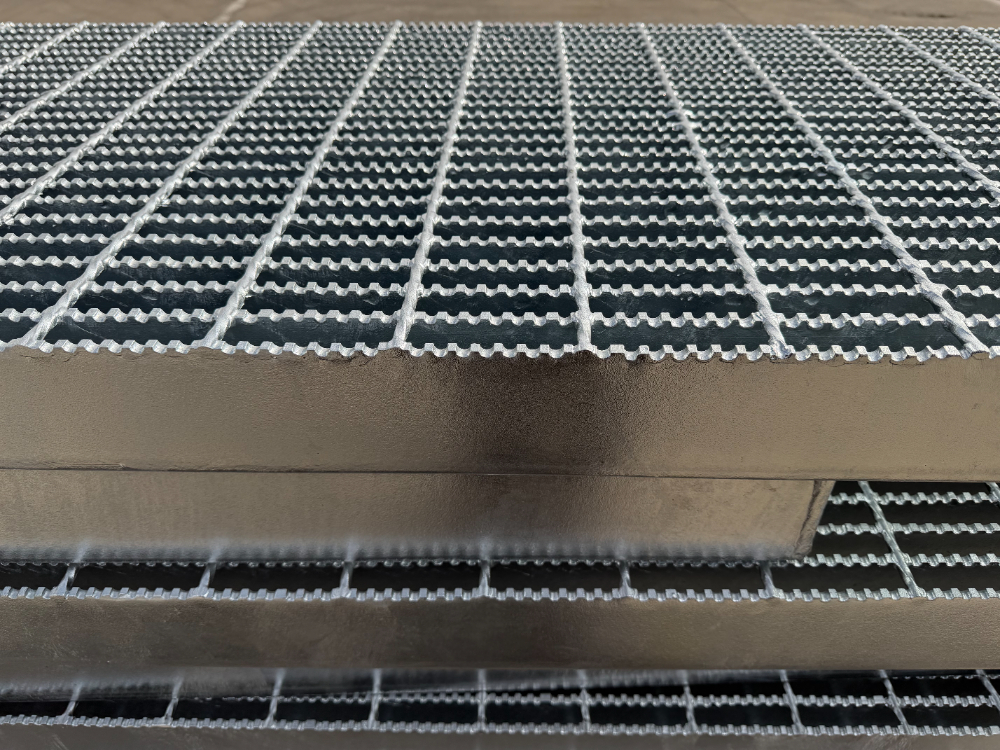
In the realm of architectural design, customizable steel grating offers a dynamic solution that blends functionality with aesthetic appeal. Architects are increasingly turning to these versatile elements to create striking facades, flooring, and decorative features that elevate modern structures. By tailoring patterns, finishes, and dimensions, designers can achieve unique visual effects, from industrial chic to sleek minimalism, making each project stand out in a crowded urban landscape.
What sets these designs apart is their adaptability to various environments and purposes. Whether it's for enhancing safety in public spaces, improving ventilation in commercial buildings, or adding artistic flair to residential interiors, steel grating can be engineered to meet specific needs. Innovations in manufacturing allow for intricate weaves and custom colors, enabling architects to push boundaries without compromising on durability or compliance with building codes.
Ultimately, embracing customizable steel grating fosters a culture of innovation in architecture, where materials become a canvas for creative expression. Clients benefit from bespoke solutions that reflect their vision, while communities gain landmarks that inspire and endure. This approach not only redefines spatial experiences but also contributes to sustainable practices through recyclable materials and efficient production methods.
Durability and Long-Term Cost Savings of Steel Grating Systems
Steel grating systems stand out for their exceptional durability, often lasting decades in industrial and commercial settings without significant wear or failure. Their robust construction, typically made from high-strength steel alloys, resists corrosion, heavy loads, and harsh environmental conditions like moisture, chemicals, and temperature extremes. This resilience means fewer replacements over time, translating directly into long-term cost savings by reducing maintenance and material expenses. For businesses, this durability ensures minimal operational disruptions and enhanced safety, as reliable grating prevents accidents and structural issues.
Unlike alternative materials that might degrade quickly or require frequent upkeep, steel grating offers a low-maintenance solution. Its design allows for easy cleaning and inspection, further cutting down on labor costs and downtime. By investing in steel grating upfront, companies can avoid the hidden expenses associated with frequent repairs or premature replacements, making it a financially smart choice in the long run. This cost-effectiveness is amplified in high-traffic areas or demanding applications where lesser materials would falter, providing peace of mind and predictable budgeting.
Beyond immediate savings, the long-term benefits of steel grating extend to sustainability and value retention. Its recyclability and long lifespan reduce environmental impact, aligning with modern green building practices. Over many years, the initial investment pays off through consistent performance and reduced total cost of ownership, making it an ideal choice for projects prioritizing both durability and economic efficiency. In essence, steel grating isn't just a product; it's a strategic asset that delivers reliability and savings for the lifecycle of any structure.
Installation Techniques for Efficient Steel Grating Integration
Effective installation of steel grating plays a pivotal role in maximizing its structural performance and longevity. Beyond simply securing the grating in place, proper techniques ensure that load-bearing capabilities are optimized and safety hazards are minimized. For instance, aligning the grating panels correctly with support beams and using appropriate fasteners like welding, clip-on attachments, or bolt-down systems can significantly enhance stability. It's also important to account for thermal expansion and contraction by allowing slight gaps between panels, which prevents warping or buckling over time. By focusing on these foundational steps, installers can create a robust framework that withstands heavy foot traffic, vehicular loads, or harsh environmental conditions, ensuring the grating performs as intended for years.
When integrating steel grating into complex structures, such as industrial platforms or walkways, customization becomes key to efficiency. This involves tailoring installation methods to the specific application, like using serrated or non-slip surfaces in high-traffic areas to improve traction. For example, in chemical plants where corrosion resistance is critical, selecting stainless steel grating and employing sealing techniques around edges can prevent liquid seepage and material degradation. Additionally, incorporating modular designs allows for easier maintenance and replacement, reducing downtime during repairs. By adapting techniques to the unique demands of each project, installers not only boost functionality but also cut costs by minimizing waste and labor hours, making the integration process smoother and more economical.
To truly stand out in steel grating installation, it's worth exploring innovative approaches that enhance both efficiency and aesthetics. Consider using prefabricated grating systems that arrive on-site ready for assembly, which speeds up the process and reduces errors. In architectural applications, blending grating with materials like glass or wood can create visually appealing designs while maintaining structural integrity. Implementing digital tools, such as 3D modeling software, helps in planning precise cuts and alignments before physical work begins, ensuring a seamless fit. By embracing these advanced techniques, projects can achieve a higher level of precision and creativity, setting them apart from standard installations and delivering superior results that clients value.
Environmental Benefits and Sustainability of Steel Grating Materials
Steel grating materials stand out for their impressive environmental credentials, rooted in their durability and recyclability. Unlike many alternatives that degrade quickly, steel grating systems can last for decades with minimal maintenance, significantly reducing the need for replacements and conserving raw materials. This longevity translates to lower resource consumption over time, making it a smart choice for projects aiming to minimize their ecological footprint. Additionally, steel's innate strength allows for lighter designs, which can cut down on transportation emissions during installation, further enhancing its green profile.
Beyond durability, the sustainability of steel grating is bolstered by its high recycling rates, which often exceed 90% in many regions. At the end of its life cycle, steel can be melted down and repurposed without losing its essential properties, creating a closed-loop system that diverts waste from landfills. This circular approach not only conserves energy compared to producing new steel from scratch but also supports a more resilient economy by fostering industries focused on reusing materials. As a result, using steel grating contributes to a more sustainable infrastructure that aligns with global efforts to promote resource efficiency.
In practical applications, steel grating materials offer environmental advantages that go beyond mere recycling. For instance, their open design facilitates better airflow and light penetration, which can enhance energy efficiency in buildings by reducing the need for artificial lighting and ventilation. In outdoor settings, such as walkways or drainage covers, steel grating allows water to pass through naturally, preventing runoff and supporting healthier ecosystems. These features demonstrate how steel grating not only meets functional demands but also plays a proactive role in promoting environmental stewardship, making it a forward-thinking option for modern construction and design projects.
Applications of Steel Grating in Commercial and Industrial Projects
In commercial and industrial settings, steel grating plays a crucial role in providing safe and efficient flooring solutions. Its open design allows for excellent drainage and ventilation, making it ideal for areas prone to moisture or chemical spills, such as in manufacturing plants or outdoor walkways. This durability not only enhances worker safety by reducing slip hazards but also supports heavy loads from machinery and foot traffic, ensuring long-term reliability without frequent maintenance.
Beyond basic flooring, steel grating finds innovative applications in architectural and structural projects. For instance, in commercial buildings, it can be used as decorative cladding or safety barriers on balconies, adding a sleek, modern aesthetic while maintaining functionality. In industrial environments, custom-designed gratings are employed in platforms, stair treads, and catwalks, offering tailored solutions that improve workflow and accessibility while withstanding harsh conditions like extreme temperatures or corrosive substances.
Another significant application is in infrastructure and utility projects, where steel grating is utilized in trench covers, drainage systems, and ventilation grilles. Its versatility allows for easy installation and adaptation to various shapes and sizes, supporting efficient operations in sectors like energy, transportation, and warehousing. By combining strength with flexibility, steel grating helps optimize space and reduce costs, making it a go-to choice for engineers and architects aiming to balance practicality with design in their commercial and industrial endeavors.
FAQ
Steel grating offers exceptional strength and durability, providing a reliable load-bearing capacity for heavy industrial use. Its open design allows for excellent drainage and ventilation, making it ideal for outdoor or moisture-prone areas. Additionally, its modular nature simplifies installation and reduces construction time.
Steel grating adapts seamlessly to various settings, from walkways and platforms in factories to decorative elements in architectural designs. Its customizable sizes, shapes, and finishes allow architects to integrate it into diverse projects, whether for safety in infrastructure or aesthetics in commercial spaces.
Yes, steel grating is highly customizable. You can choose from different materials like carbon or stainless steel, select varying bar spacings for safety and airflow, and opt for coatings such as galvanization or paint for corrosion resistance. Custom shapes and sizes can be fabricated to fit unique layouts or load demands.
Key considerations include the expected load capacity, environmental conditions like exposure to chemicals or weather, required safety features like slip resistance, and aesthetic preferences. The project's budget and installation constraints also play a role in determining the optimal grating type.
Steel grating's non-slip surfaces and sturdy construction help prevent accidents by providing secure footing for workers. It meets industry safety standards for load-bearing and fall protection, and its open design reduces debris accumulation, enhancing overall site safety and regulatory compliance.
Regular inspections for signs of corrosion or damage are essential. Cleaning with water and mild detergent can remove dirt and prevent buildup. For coated gratings, touch-up painting or re-galvanizing may be needed over time to maintain protection against rust and wear.
Conclusion
Steel grating solutions have become a cornerstone of modern construction, offering exceptional durability and versatility across various applications. These systems significantly enhance safety on construction sites by providing slip-resistant surfaces and secure walkways that prevent accidents, especially in high-traffic or hazardous areas. Additionally, the customizable designs of steel grating allow for architectural innovation, enabling architects and engineers to incorporate unique patterns and shapes that blend functionality with aesthetic appeal in commercial and industrial projects. From industrial floors to pedestrian bridges, steel grating's adaptability ensures it meets diverse needs while maintaining structural integrity.
Beyond safety and design, steel grating systems deliver long-term cost savings through their durability, resisting corrosion, heavy loads, and harsh environmental conditions, which minimizes maintenance and replacement expenses. Efficient installation techniques, such as modular and prefabricated methods, streamline integration into construction projects, reducing labor time and disruption. Furthermore, steel grating contributes to environmental sustainability, as it is often made from recycled materials and is fully recyclable at the end of its life cycle, reducing waste and promoting eco-friendly building practices. Overall, steel grating stands out as a reliable, cost-effective, and sustainable choice that supports the evolving demands of modern architecture and construction.
Contact Us
Contact Person: Nicholas Zhu
Email: [email protected]
Tel/WhatsApp: 18921275456
Website: https://www.sino-grate.com