

Staff Chair Company Experts Share Tips for Choosing Supportive Office Seating
2026-11-28
Most office chair guides stop at lumbar support and call it a day. But if you spend eight hours in the same seat, the real difference comes down to how the chair supports your posture when you forget to sit up straight. At OFCJNS, we have spent years testing what actually keeps people comfortable long after the first impression wears off. Here are the practical, sometimes overlooked factors that separate a supportive office chair from one that just looks adjustable.
Start With the Shape of Your Workday, Not the Showroom
Most conversations about workspace design begin with furniture catalogs and floor plans. That's backwards. Instead of asking which desk fits the room, ask which shape your day actually takes. Do you spend the first two hours in deep focus before meetings begin? Do you need a standing surface for short, frequent collaboration bursts? Map the rhythm first, then let the physical layout follow.
Once you see the day as a sequence of modes—quiet concentration, quick check-ins, casual breaks, formal reviews—the choices become clearer. A long, uninterrupted workbench supports a morning writing block better than a showroom-perfect executive desk. A low table near the window might serve the 4 p.m. sketching session better than a conference room. The goal isn't to replicate a staged office photo; it's to make the room disappear behind the work itself.
The hardest part is ignoring the glossy images that suggest every workspace needs a sofa, a plant wall, and a neon sign. Those are props. Start with a blank calendar and a blank wall. Mark where the day gets heavy, where it stalls, where it flows. Then place surfaces, storage, and seating to serve those moments. That approach produces a room that feels less like a showroom and more like an extension of how you already think.
Seat Depth and Height Are Personal, Not Universal
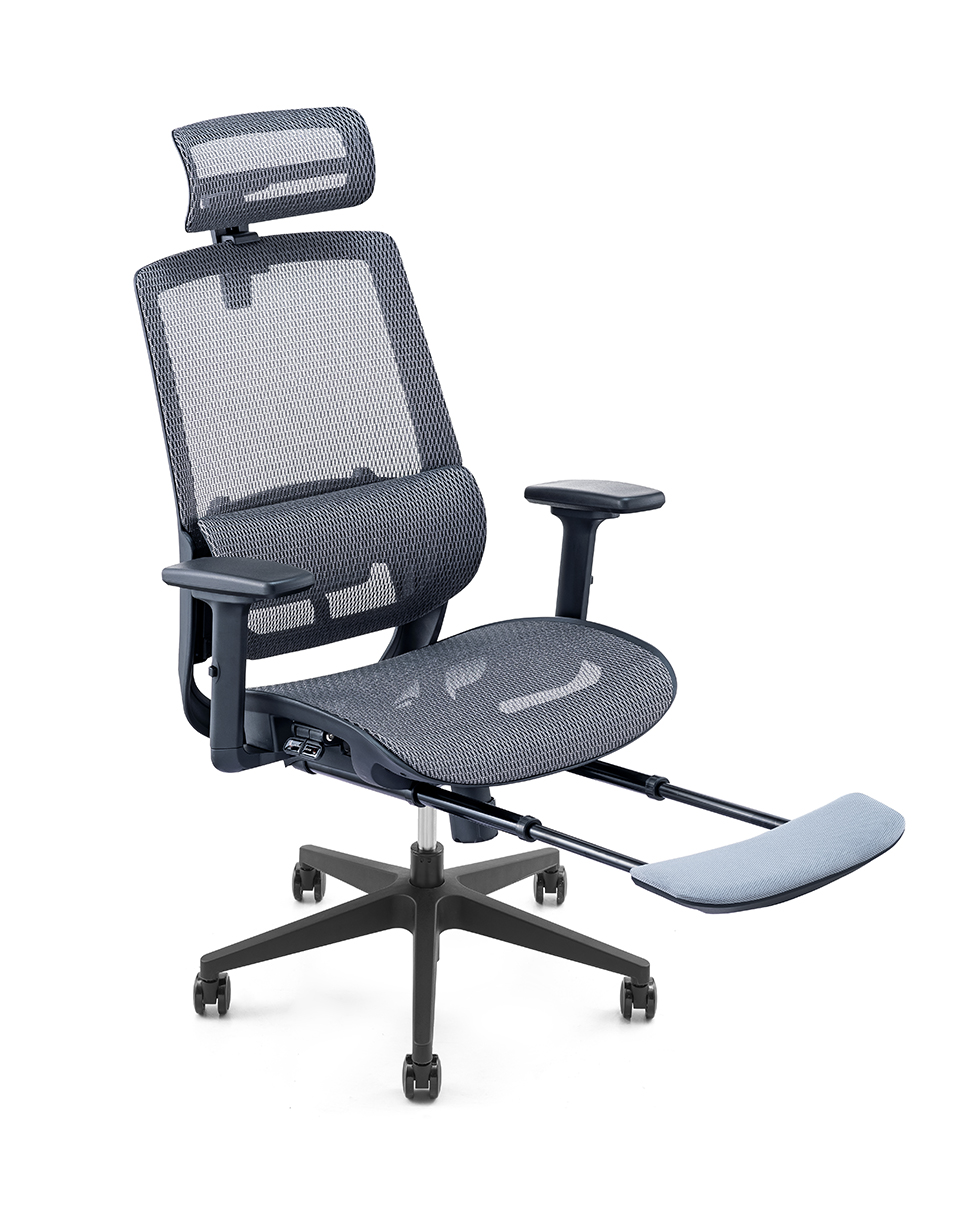
The idea that a single seat dimension could work for everyone falls apart the moment you line up three people of different builds. A tall person with long femurs might find a shallow seat leaves their thighs unsupported, while someone shorter struggles to reach the floor if the height is fixed too high. Even the same individual can prefer different depths depending on whether they are typing, reading, or simply leaning back to rest. These are not minor comfort issues; they change how weight is distributed across the hips and lower back.
What gets overlooked is how much a chair’s adjustment range actually matters. A seat that slides forward and back by only a few centimeters may still fail anyone outside the middle of the bell curve. The same goes for height: a gas lift with a narrow range forces some users to perch on their toes or let their knees rise above their hips. That posture, repeated daily, quietly encourages slumping and strain. The real goal is not to find the “perfect” setting on a spec sheet, but to allow enough movement so each person can land on their own neutral position.
Rather than chasing universal dimensions, look for a chair that lets you feel the pressure ease off your thighs and the soles of your feet rest naturally. Try several depths with your back against the backrest and notice whether you can fit two or three fingers between the front edge and the back of your knee. Adjust the height until your elbows fall close to desk level without lifting your shoulders. If the range does not accommodate you, the chair is not inherently bad—it is simply built for someone else’s body.
Lumbar Support That Moves With You Beats Extra Cushioning
Thick padding feels good for the first few minutes, but it rarely solves what happens after an hour at a desk. Once you lean, reach, or shift your weight, a fixed cushion stays behind while your lower back moves away from it. That small gap is where tension starts to build.
A lumbar support that follows your movement keeps contact with the spine instead of waiting for you to press back into it. As your posture changes through the day, the support surface adjusts with your pelvis and lower ribs, so pressure is spread more evenly rather than gathering in one spot.
Extra cushioning can mask poor alignment, but it does not respond to the way you actually sit. Support that moves with you does the quieter work of staying useful during small shifts and larger adjustments, which matters more over hours of sitting than a softer first impression.
Fabric Choice Shapes Comfort More Than Frame Style
A chair can have all the right angles and still feel wrong the moment you sit down. That is usually the fabric talking. The way a material stretches, breathes, or traps warmth does more for everyday ease than the shape of the arm or the slope of the backrest. You notice the frame for a few minutes; you notice the fabric for the whole evening.
Soft, open weaves tend to move with the body and let heat escape, so a simple seat can feel consistently pleasant over hours. In contrast, a dense synthetic cover holds warmth and resists small shifts in posture, which turns a well-built chair into something you keep readjusting against. The frame has not changed, but the experience has.
Over time that gap becomes even clearer. Fabric that flexes keeps its shape instead of bagging or developing that tight, worn sheen. Choosing a chair by the feel of its cover, rather than by frame details alone, is often the quickest route to furniture you actually want to live with.
Test Chairs in Short Bursts, Then Walk Away
Nobody learns much about a chair after sitting in it for thirty seconds, but the opposite mistake is just as common. Park yourself for an hour and your body will adapt to nearly anything, masking the exact pressure points you need to catch. Short, focused sessions reveal more.
Set a timer for seven or eight minutes. Sit the way you normally would, then shift into a couple of positions you use during a long workday. When the timer goes off, stand up and leave the room for a few minutes. Coming back with fresh legs makes uneven cushioning, a too-short seat pan, or armrests that fight your desk height immediately obvious.
Repeat that loop two or three times on different days if you can. Chairs that feel fine on a quick first sit often fall apart on the third return, especially around the lower back and hips. The goal is not to judge the chair while your body is numb to it, but to catch the moment it starts asking for a break.
Adjustability Only Helps If You Actually Use It
A chair with six levers, a tension dial, and a sliding seat pan sounds impressive until you realize most people set it once and then leave it alone for years. That first week is full of small adjustments, but after that the controls become decoration. The mechanism still works, of course, but unused range is just extra hardware you paid for.
Using adjustability well means responding to what your body is telling you on a given day. You might want the lumbar support a little lower after a long drive, or you might raise the armrests when you switch from typing to reading. These are not dramatic changes, but they keep a static position from turning into a slow ache. If you ignore those signals, the chair is no more helpful than a fixed one.
There is also a strange comfort in admitting that not everyone needs a highly adjustable setup. If you never change your seat height, never tilt the backrest, and never move the monitor, a simpler piece of furniture may fit you better. Adjustability only earns its keep when your hands actually reach for the controls.
FAQ
Start with how the chair fits your lower back rather than how many features are listed. A good lumbar curve should stay in contact whether you are sitting upright or slightly reclined. If there is a gap or a hard lump, move on.
Sit all the way back in the chair. If you cannot slide two or three fingers between the front edge of the seat and the back of your knees, it is too deep. A seat that is too long either presses into your legs or forces you to slump forward.
Only if you actually use them. Armrests set too high push your shoulders up, and armrests set too low pull you sideways. Look for height and width adjustments that match your desk height, and ignore armrests that move in five directions but still feel wrong.
Not always. You are paying for build quality, mesh density, and adjustment range more than a special shape. A mid-range chair with firm adjustable lumbar support often beats an expensive chair with thick padding that flattens after six months.
They buy for a job title instead of their body type. A chair can look impressive and still be wrong for your height, weight, and usual work posture. Test the chair at the height you actually use, not the lowest or highest setting.
More often than most people think. Your posture changes across the day, so tweak the backrest angle, seat depth, and arm height whenever you shift tasks. If you set it once and never touch it again, you are leaving out half the support.
For shorter people, seat depth and foot support matter most. For taller users, backrest height and seat height range become the weak spots. If your feet dangle or the lumbar curve hits your ribs, the chair is not built for you.
Conclusion
Choosing a supportive office chair rarely starts with the chair itself. Staff Chair Company experts suggest looking at how your workday actually unfolds before stepping into a showroom. A chair that suits someone who sits for eight straight hours may feel wrong for someone who shifts between desk work and meetings. Seat depth and height need to fit your body, not a spec sheet; a seat that is too deep can press behind the knees, while one that is too shallow leaves thighs unsupported. Lumbar support should follow your movement rather than simply adding thick padding, since a bulky cushion can push your spine into an unnatural position. Fabric matters more than frame styling, too. Breathable woven textiles or mesh often stay cooler than leather or vinyl, which affects comfort during long afternoons.
Testing a chair requires a different rhythm than most buyers expect. Sit for short bursts, then step away and return. This reveals pressure points and awkward angles that a quick showroom sit misses. Adjustability is valuable only if you are willing to use it. Before buying, check whether the controls are easy to reach while seated and whether you understand what each lever does. A chair loaded with knobs and dials can be useless if adjustments feel like a puzzle. The goal is not the most feature-heavy model but the one you can tune to your body without effort. By focusing on your daily patterns, personal measurements, moving support, fabric feel, and realistic testing, you can avoid common mistakes and find seating that stays comfortable long after the initial impression fades.
Contact Us
Contact Person: Diff Wang
Email: [email protected]
Tel/WhatsApp: +8613650281199
Website: https://www.ofcmeshchair.com/