

Skin Beauty Device: Which One Is Good? Top Picks for Glowing Skin
2026-08-18
Finding a skin beauty device that actually lives up to its claims can feel like hunting for a needle in a haystack. With endless options flooding the market—each promising the secret to glowing skin—it's easy to end up more overwhelmed than excited. That's why we've done the heavy lifting for you. We cut through the hype to spotlight devices that truly earn their place on your vanity, including a standout lineup from GUANG TAI. Whether you're a skincare newbie or a seasoned pro, this guide will help you zero in on the right tool for your routine. Let's get your glow on.
Glow Stalled? The Settings Most People Never Touch
You’ve been consistent with your routine, but that lit-from-within look has flatlined. Before swapping products, look at the dials you’ve left at default. Most people never adjust the intensity on their cleansing brush or LED mask, assuming higher is better. Often the opposite is true: a lower, gentler setting used daily beats an aggressive one that leaves skin red and reactive. Also check the water temperature you wash with—hot water strips the barrier faster than any active can repair it. These small, overlooked controls matter more than another serum.
Another hidden setting is timing. If you apply vitamin C or retinol and immediately layer moisturizer, you might be diluting them before they can work. Wait times of 5–10 minutes aren’t just old-school advice; they change how much product actually penetrates. The same goes for device sessions: a ten-minute LED panel on a medium setting can outperform a twenty-minute blast if your skin is already sensitized. Pay attention to the pause between steps, not just the products themselves.
Finally, consider the environment you’re not changing: pillowcase fabric, rinse water pH, even how often you clean your makeup brushes. These are settings in the broadest sense—adjustable factors that rarely get touched. Swap cotton for silk, try a final cool rinse, wash brushes weekly. None of it feels glamorous, but stalled glow usually isn’t a product problem. It’s a default setting problem. Change one, wait two weeks, then change another. You might be surprised which dial was holding you back.
Red Light, Radiofrequency, or Microcurrent: What Your Skin Actually Needs
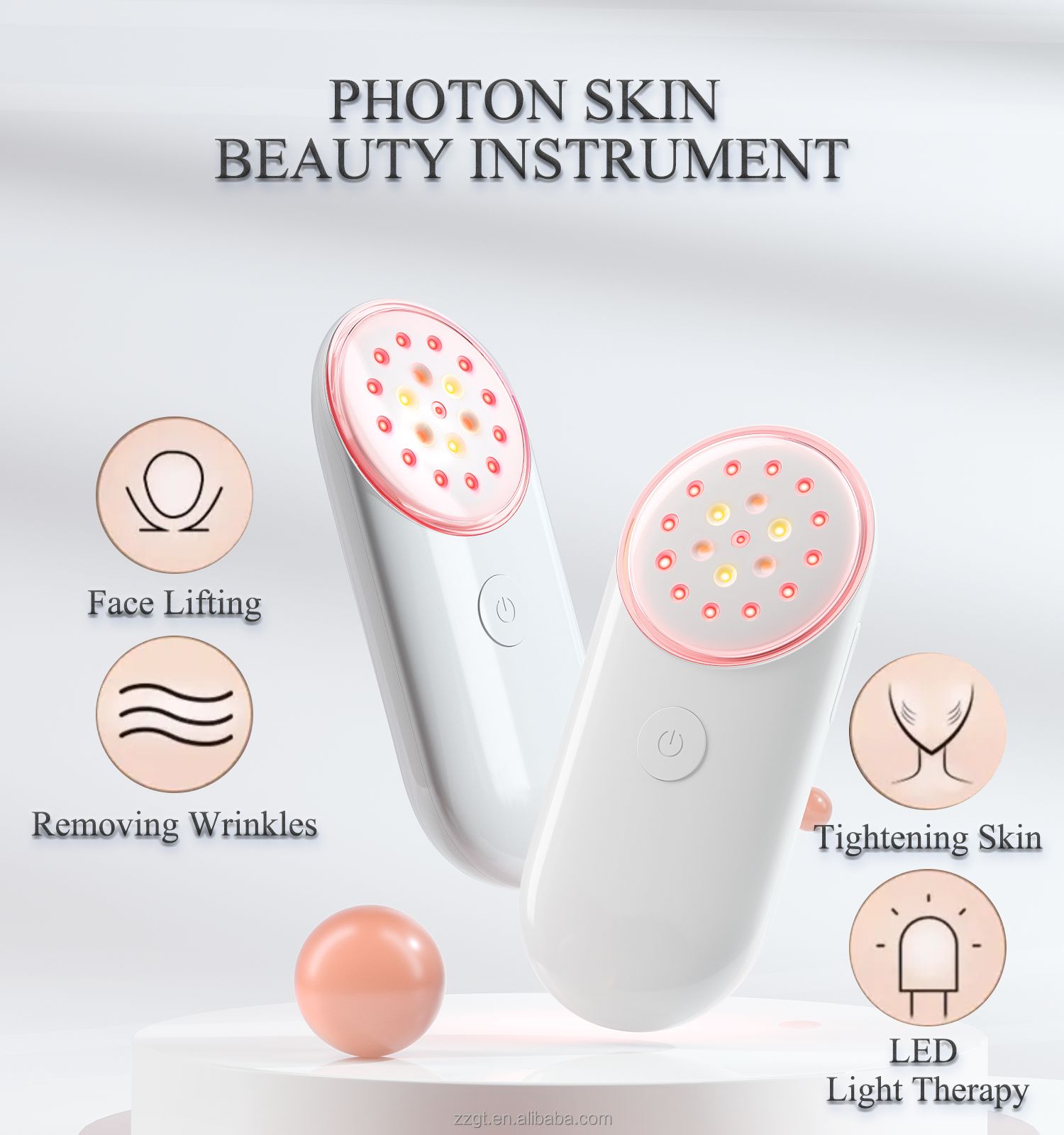
Red light, radiofrequency, and microcurrent are often lumped together as "energy-based" devices, but they do very different things under the skin. Red light works on the cellular level, mainly targeting mitochondria to boost ATP production, which helps calm inflammation and speed up repair. It is the gentlest of the three and suits almost everyone, especially if your barrier is compromised or you are dealing with redness. Radiofrequency, on the other hand, delivers heat to the dermis to stimulate collagen contraction and new collagen formation over time. That makes it a better pick for sagging or loss of firmness, but it requires a healthy skin barrier because the heat can be drying. Microcurrent uses low-level electrical currents to mimic the body's own bioelectric signals, giving facial muscles a kind of workout that lifts and sculpts temporarily. It does not rebuild collagen, so the results fade quickly without regular upkeep.
What your skin actually needs depends less on trend and more on what you are trying to fix. If you want to calm, reduce redness, or support overall skin health, red light is your baseline. If laxity and deep lines are the concern, radiofrequency offers more long-term remodeling. If you want an immediate lift for an event or are focused on contour, microcurrent can deliver a visible but short-lived effect. Many people combine red light with either radiofrequency or microcurrent, but trying to use all three at once rarely adds much beyond complexity. Pay attention to how your skin reacts, because a tight, hot, or irritated face after treatment is a sign you are overdoing it, not that it is working better.
Why the Best Device Isn't the Most Expensive One
A higher price tag often pays for bragging rights rather than daily usefulness. Take two phones released in the same year: a $1,200 flagship and a $500 mid-ranger. For scrolling, messaging, video calls, and taking snapshots in good light, the difference is barely noticeable. The extra cost usually goes into niche perks like a marginally sharper zoom lens or a slightly faster chip that only shows up in benchmark tests, not in how the device feels in your hand.
Battery life and drop resistance, two things people actually complain about, rarely improve with price. Many affordable models pack larger batteries and use tougher polycarbonate bodies, while premium devices chase glass-and-metal aesthetics that shatter more easily and cost a fortune to repair. A cracked $1,200 screen hurts a lot more than a cracked $400 one, and the cheaper phone might have lasted longer on a single charge to begin with.
The smartest move is to spend the difference on what actually enhances your day-to-day experience. A solid pair of wireless earbuds, a comfortable case, or extra cloud storage will do more for your routine than an incremental processor bump. When you stop treating the device as a status symbol, you realize the best gadget is the one that quietly does its job without emptying your wallet.
The 10-Minute Routine That Fits Real Life, Not Just Skincare Obsession
Most routines collapse because they demand a lifestyle you don't actually have. This one starts with the opposite assumption: you're tired, you're busy, and you'd rather skip everything than stand in front of a mirror for half an hour. Ten minutes is the ceiling, not the target. If it takes nine, you're done early. If it takes eleven, you're trying too hard. The real trick is that each step earns its place by doing at least two jobs at once — cleansing while calming, moisturizing while protecting, massaging while checking for changes in your skin. That way, even on a chaotic morning, you're not choosing between skin health and everything else.
Instead of layering product after product, you pick three anchors: a cleanser that doesn't strip, a single treatment that addresses your current complaint, and a moisturizer that matches the weather and your skin's mood. The order never changes, so your hands learn the rhythm and your brain doesn't have to wake up fully. Water temperature stays lukewarm — hot enough to rinse, not hot enough to trigger redness. Pat dry, don't rub. Apply the treatment only where needed, not as a full-face ritual. Lock it in with moisturizer while your skin is still slightly damp. That small detail saves you from the tight, over-dried feeling that makes most people quit by day three.
This isn't about becoming a person who loves skincare. It's about becoming a person who doesn't actively avoid it. You're allowed to do the bare minimum and still see real changes, because consistency beats intensity when your calendar looks like everyone else's. Miss a morning? Do it at night. Skip a step? The next one still works. The routine bends around your life, not the other way around — and that's exactly why it holds up after the novelty wears off.
Sensitive Skin? These Are the Only Modes Worth Trying
When your skin flares up at the mere mention of a new product, the usual gadget settings can feel like a gamble. Instead of cycling through every intensity, stick with a low, steady pulse mode if your device has one. It clears away buildup without dragging or overheating the surface, which is often the hidden trigger behind that tight, stinging feeling.
Cool or calming modes are another safe bet. Look for anything labeled 'soothe' or 'sensitive'—these typically lower the temperature and soften the vibration pattern so you're not shocking already-raw skin. If your tool offers red light, keep it on the gentlest output and limit sessions to a few minutes; it's less about power and more about consistency.
Skip anything with steam, high-frequency currents, or aggressive exfoliating heads. For truly reactive skin, one simple, low-heat mode used twice a week beats a dozen intense settings you'll end up dreading.
Before You Buy: Three Questions That Filter Out the Hype
Hype has a way of making you feel behind before you've even opened your wallet. That's why the first filter isn't about specs or reviews; it's about origin. Did you notice this problem on your own, or did an ad plant it there? If you can't point to a real moment where you needed the thing, you're probably not buying a product—you're buying a storyline.
The second test is staying power. Picture this item six months from now. Is it still in your daily routine, or does it join the pile of gadgets that felt essential for a week? Your last few impulse buys are a decent track record. If most of them are gathering dust, that pattern will likely repeat.
Last, ask what this purchase pushes out. Money and attention are limited. If you already own something that covers 80% of the need, or if the desire fades after a few days, you have your answer. The goal isn't to never spend; it's to make sure the thing earns its place in your actual life, not the life shown in the ad.
FAQ
Think about how much time you will actually spend. LED masks are low effort and good for steady brightness, but if you want a quick pre-party glow, a microcurrent device gives more instant feedback. Red light around 633nm is the sweet spot for radiance.
They are not magic, but they do help if you stick with them. Most people see a subtle glow after about a month of 10-minute sessions. The key is using wavelengths that penetrate, like red and near-infrared, rather than just any colored light.
Microcurrent. It lifts and depuffs, which makes your face look brighter right away. Use it with a conductive gel, not a thick cream, and you will see a difference in under half an hour.
They work on different layers. Radiofrequency heats deeper to firm and smooth, which can make skin look more polished. LED is gentler and better for that fresh, lit-from-within look. If your dullness comes from sagging, go for RF; if it is from tired skin, choose LED.
Most manufacturers suggest 3 to 5 times a week, but your skin will tell you if it is too much. A good rule is to use it while watching a show, not as a separate chore. Short, consistent sessions beat long sporadic ones.
It depends on the device. Microcurrent needs a conductive gel because serums with oil can block the current. LED works through water-based serums but avoid thick creams or oils right before. Always apply the device before heavier moisturizers.
Try a small LED wand or a microcurrent roller under $100. They are less intimidating than a full mask and still give you a feel for whether you will keep up the habit before investing more.
Stick to the instructions. Do not use microcurrent if you have a pacemaker or metal implants in the face, and avoid LED on broken skin or during active breakouts with infection. When in doubt, ask a dermatologist.
Conclusion
Most people assume the latest skin beauty device must be packed with every wavelength and mode to be worth buying, but that's rarely how real results happen. The overlooked truth is that the settings you never touch often matter most. If your glow has stalled, switching from default intensity or combining red light with a gentler microcurrent level can make more difference than upgrading to a pricier model. Red light supports skin recovery and texture, radiofrequency targets laxity, and microcurrent works on facial muscle tone—none of these is universally better, but one will match your main concern. And while a device with all three sounds impressive, using the right one for five or ten minutes a night beats an expensive gadget gathering dust.
Sensitive skin doesn't need every aggressive mode; it usually benefits from low-intensity red light and the mildest microcurrent setting, skipping radiofrequency altogether. Before you buy, filter out hype with three questions: Does this target my top concern? Will I actually use it for ten minutes on a busy evening? And can I return it if my skin reacts? The best device is not the most expensive, nor the one with the longest feature list—it's the one that slips into real life without friction, matches your skin's tolerance, and earns a permanent spot on your bathroom counter.
Contact Us
Contact Person: Leon Yi
Email: [email protected]
Tel/WhatsApp: +86 17363316873
Website: https://zzgt.en.alibaba.com/