

Rotational Moulding Machine Solutions That Boost Production Efficiency and Cut Costs
2026-09-14
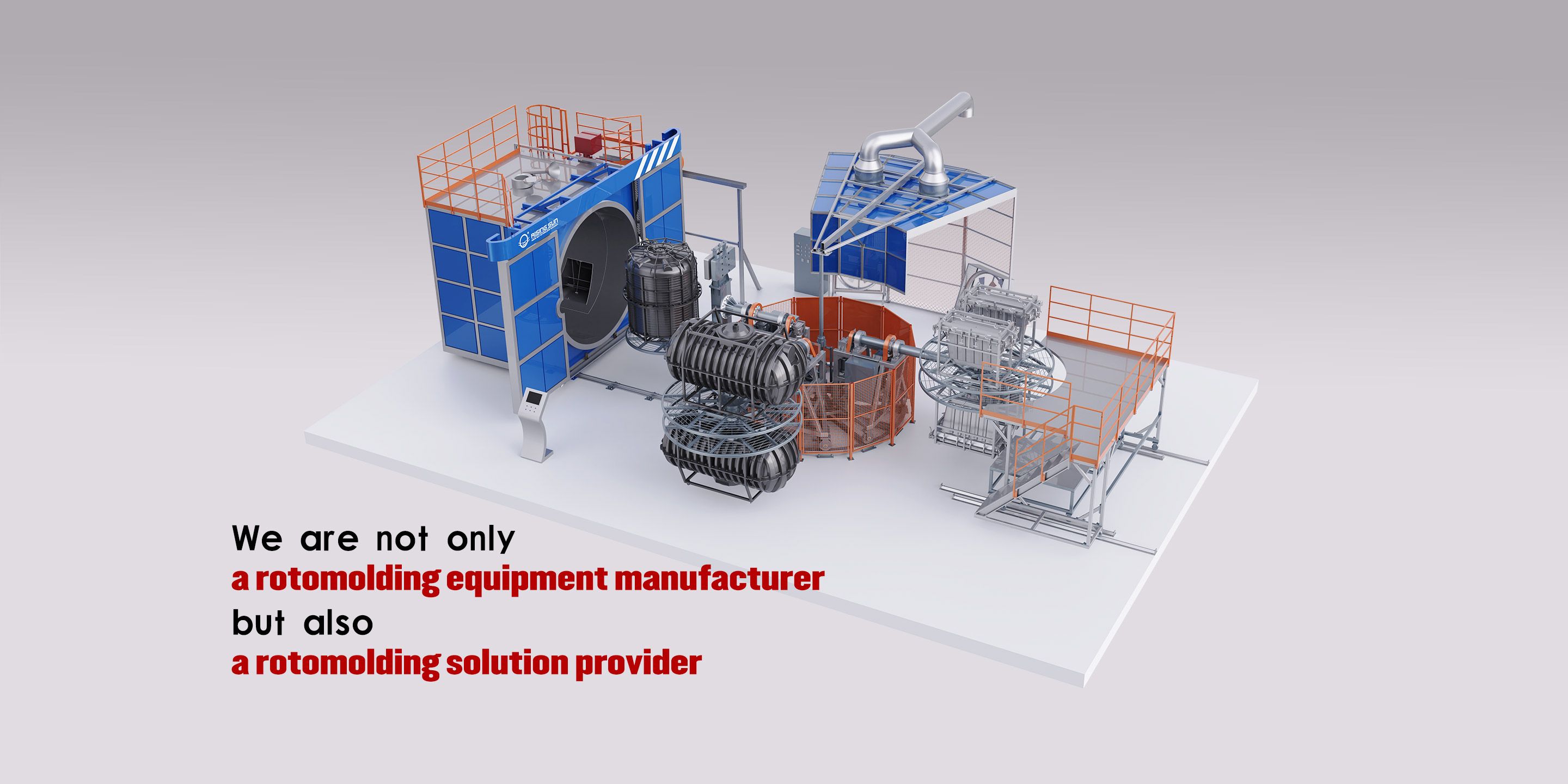
Every manufacturer dreams of a production line that runs faster, wastes less, and costs less to operate—yet few realise how much their choice of rotational moulding machine shapes that reality. At Rising Sun, we’ve seen first-hand how the right machine turns a struggling operation into a profit engine. But what actually separates a standard rotomoulding setup from one that truly boosts efficiency? And where do hidden costs creep in without you noticing? This article breaks down the practical solutions that matter, so you can stop guessing and start building a smarter, leaner moulding process.
Rethinking Rotational Moulding Machine Design to Lower Lifetime Costs
Rotational moulding machines have traditionally been judged by their purchase price, but that figure rarely reflects what a shop will actually spend over a decade of use. Heating and cooling cycles dominate energy consumption, and many older designs waste a significant portion of that energy through poorly insulated ovens and oversized gas burners. By rethinking the oven layout, adding multi-layer insulation, and switching to modulated burners or electric infrared panels, manufacturers can cut energy use by 20–30% without affecting part quality. Those savings compound year after year, often dwarfing the initial price difference between a basic machine and a better-engineered one.
Maintenance downtime is another hidden cost that design choices either inflate or reduce. On many conventional machines, replacing a drive belt or inspecting a bearing requires partial disassembly of the frame, turning a two-hour job into a full shift. A more thoughtful design places high-wear components behind quick-access panels, uses common bearing sizes stocked locally, and includes grease points that can be reached without crawling under the carriage. Some builders now integrate torque and temperature sensors on the mould rotation drives, allowing operators to spot a failing bearing before it seizes and damages an expensive mould. These may seem like small details, but over 15 years they add up to thousands of hours of avoided labour and lost production.
Material waste and scrap rates also feed directly into lifetime cost. A machine that cannot hold consistent rotation speed or temperature uniformity will produce warped or thin-walled parts that end up in the regrind bin. Redesigning the drive system with closed-loop speed control, and using independently controlled heating zones, gives processors the repeatability needed to run closer to the minimum wall thickness. That means less resin per part and fewer rejected cycles. Pair that with a frame and arm assembly built from higher-grade steel and corrosion-resistant hardware, and the machine keeps its alignment longer, avoiding the slow drift in part quality that forces costly rework or early replacement.
Shaving Minutes Off Cycle Times While Keeping Wall Thickness Consistent
Reducing cycle time without sacrificing part quality is a balancing act that many molders struggle with. The key lies in understanding how material flow, cooling rate, and pressure interact inside the cavity. By fine-tuning injection velocity profiles and holding pressures, you can often trim two to five seconds from a cycle while maintaining uniform wall thickness. Start by mapping the pressure drop across the part—this reveals where hesitation or overpacking occurs. Small adjustments to gate location or runner sizing can eliminate those hotspots, letting the wall freeze at the same rate everywhere.
Another overlooked lever is cooling channel design. Many tools run longer cycles simply because heat isn't being pulled evenly from the core and cavity. Adding baffles, bubblers, or moving channels closer to thick sections drops the required cooling time without forcing the melt to fill faster. Coupled with a slightly lower melt temperature—only if the material allows—you can shorten the holding phase because the skin solidifies sooner while the center remains molten enough to pack out.
Finally, validate every change with in-process measurement rather than relying on post-molding checks. Ultrasonic wall-thickness sensors or cavity pressure curves give immediate feedback on consistency. If the pressure integral stays within a narrow band and the part weight repeatability is under 0.1%, you are shaving minutes off a shift while keeping walls dead on target. The trick is to treat cycle time and wall consistency as two sides of the same process window—optimize one by understanding the other.
The Energy Efficiency Features That Directly Cut Operating Expenses
Most operators chase the highest SEER or EER rating, but the real money often sits in part-load behavior. A rooftop unit with variable-speed compressors and fans will rarely run at full capacity, and that's exactly when conventional equipment wastes the most energy. Matching output to actual demand rather than peak design conditions trims monthly bills in ways a nameplate number never shows.
Controls are the quiet cost-cutters. Demand-based ventilation with CO₂ sensors, occupancy setbacks on thermostats, and daylight-linked dimming don't require staff to remember anything. They automatically reduce heating, cooling, and lighting in zones that are empty or already bright enough, which translates into lower electric and gas charges without changing how the building feels.
Envelope improvements like continuous insulation, air sealing, and low-solar-gain glazing rarely get the same attention as new equipment, yet they reduce the load that equipment has to serve. A smaller, properly sized system running closer to its sweet spot costs less to operate than an oversized unit cycling on and off—and the savings show up every billing cycle, not just in a payback spreadsheet.
Precision Material Control That Reduces Scrap and Rework
Precision material control starts with understanding exactly how much material each production run actually needs. Instead of relying on rough estimates or standard overages, manufacturers can use real-time tracking and fine-tuned dispensing systems that align material usage with the actual geometry of every part. This eliminates the common habit of adding extra material "just in case," which often becomes scrap at the end of the line.
The biggest source of rework is variation between what was planned and what actually happens on the floor. By tightening feed rates, temperature settings, and material thickness tolerances at the point of application, operators can prevent defects before they occur. When the material goes exactly where it should, the first time, there is nothing to trim, patch, or re-run.
Finally, precision material control turns waste reduction into a measurable daily practice rather than a vague goal. Teams can spot drift in usage patterns early and adjust before a full batch goes wrong. Over weeks, that discipline shows up as lower scrap bins, fewer touch-up stations, and less time lost to reworking parts that should have been right from the start.
Practical Automation Upgrades That Don't Require a Full Overhaul
Many teams assume automation means ripping out existing systems and starting from scratch, but some of the most effective upgrades slip in quietly alongside what you already run. Think about the repetitive manual steps that eat an hour every day—renaming files, moving data between spreadsheets, or triggering the same email sequence. Small scripts or built-in platform tools can handle these without touching your core infrastructure. The trick is to pick one annoying task, automate just that piece, and let the time savings prove the value before expanding.
Another overlooked win is adding automation to your existing approval or notification workflows. Instead of a full project management overhaul, connect the tools you already use with a lightweight middleware or native integrations. For example, when a form gets submitted, automatically create a task in your current tracker and ping the right person in chat. No new database, no migration, no downtime. Teams often discover that three or four such connections eliminate the chaos they assumed required a platform replacement.
Finally, look for automation opportunities in reporting and monitoring. You don't need a new analytics suite to get a weekly summary of key metrics pulled from your current sources and delivered to your inbox. Or set up simple alerts when something falls outside a normal range. These upgrades rely on the data you already collect but make it act instead of sitting passively. The result is a noticeable reduction in firefighting and manual checking, all without a big-bang change management effort.
Maintenance Routines That Keep Rotational Moulding Machines Running Longer
A daily walkaround before the first cycle catches most problems early. Look for loose bolts on the arm assembly, worn insulation around the oven, or any sign of powder leaking from the mould parting line. A quick wipe-down of the mould surfaces with a dry cloth prevents static buildup that throws off wall thickness.
Lubrication is not a set-and-forget task. The carriage rollers and chain drives need a thin coat of high-temperature grease every week, but too much attracts dust and bakes into a grinding paste. Follow the machine manual's exact points, and after greasing, run a short dry cycle to let excess fling off before it reaches the moulds.
Burner and airflow checks are often skipped until a cycle runs long. Every month, remove the burner diffuser plates and inspect the flame pattern. A lazy yellow flame means clogged orifices or a fading gas regulator. Also confirm the exhaust vents open fully and the recirculation fan spins freely. Small adjustments here keep heating consistent and protect the oven shell from hot spots.
FAQ
Look for independent arm controls, improved airflow inside the mould, and faster cooling assist. Machines that let you adjust rotation speed and direction separately on each axis can shorten cycles by ensuring more even wall thickness without over-heating.
Switch to drop-box or multi-layer capability so you can use recycled or lower-cost core material between thin outer skins. Also invest in better temperature monitoring to avoid over-curing, which wastes both resin and energy.
Direct drive removes backlash and slippage, giving more precise rotation control. That precision translates into less resin pooling in corners and more consistent walls, reducing scrap and rework.
Yes, if you target the right areas. Automatic loading/unloading, robotic flame treatment, or even just automated cycle sequencing cuts labour per part and improves repeatability. The payback often comes within a year when you factor in fewer rejected parts.
Clean burners and inspect gas lines regularly, check door seals for heat leaks, and recalibrate thermocouples. A poorly maintained oven can add 10-15% to your heating bill without any gain in output.
Modular or multi-cavity tooling lets you run smaller batches of different parts on one arm, reducing downtime between jobs. You also spend less on full dedicated moulds, and quick-change systems mean operators spend more time moulding, not bolting and unbolting.
Yes. Use forced air before water mist and keep the mould moving during cooling. Some newer machines have variable cooling stations that adjust air and water flow based on mould temperature, so you cool faster without shocking the part into distortion.
Look for recipe-based controls with real-time temperature logging for both oven and mould. The ability to fine-tune each axis speed and pause at specific angles lets you reproduce exact wall thicknesses across batches, reducing variation and customer complaints.
Conclusion
Rotational moulding has long been seen as a slow, energy-hungry process, but a fresh look at machine design changes that picture. By rethinking how arms, ovens, and cooling stations are laid out, manufacturers can slash lifetime costs without compromising output. One of the biggest wins comes from trimming cycle times—sometimes by several minutes—while holding wall thickness within tight tolerances. This isn't just about faster spins; it's about smarter heat distribution and better mould movement so every part cures evenly. The result is a line that runs leaner, wastes less time, and needs fewer corrections later.
Energy use is another area where modern machines quietly pay for themselves. Features like zoned heating, improved insulation, and regenerative drives cut operating expenses month after month. At the same time, precision material control—from automated weighing to closed-loop powder flow—keeps scrap and rework to a minimum, which matters more as resin prices stay volatile. You don't need a full overhaul to benefit, either. Practical automation upgrades, such as recipe management, auto-loading stations, or simple robot-assisted demoulding, can be bolted onto existing lines. Pair these with maintenance routines focused on bearing checks, seal replacements, and burner tuning, and the machines keep running longer with fewer surprise breakdowns. Together, these solutions shift rotational moulding from a cost centre to a competitive advantage.
Contact Us
Contact Person: Sharon Zhu
Email: [email protected]
Tel/WhatsApp: 8615712666272
Website: https://www.risingsunroto.com