

RFID Warehouse Management Customized Manufacturer: Tailored Solutions for Efficient Inventory Control
2026-10-20
Most RFID implementations stumble because the hardware and software were never built for the actual warehouse they’re supposed to manage. OSRFID takes a different route: as a customized manufacturer, we engineer tags, readers, and software around your specific inventory flow—so you get faster cycle counts, fewer misplaced items, and real-time visibility without forcing your team into someone else's mold. In the sections ahead, we’ll unpack how tailored RFID solutions turn generic tracking into efficient inventory control.
RFID Hardware Shaped Around Your Warehouse, Not the Other Way Around
Warehouse layouts rarely follow a tidy blueprint. Aisles narrow, ceiling heights vary, and dock doors sit at odd angles. RFID hardware that demands a specific mounting height or a clear line of sight quickly becomes a bottleneck. Instead, the right approach starts with the physical space you already have. Antenna enclosures can be angled around support beams, readers can be tucked under conveyors, and small form-factor modules can be attached directly to existing cart frames or forklift masts without ripping out a single shelf.
This means hardware decisions should follow movement patterns, not the other way around. If goods flow through a low-clearance mezzanine, a compact near-field antenna mounted flush against the ceiling trim keeps reads accurate without blocking foot traffic. If receiving happens at a cramped back door, a slimline reader with a short cable run fits neatly beside the existing barcode scanner. The goal is to disappear into the workflow, not to force operators to walk an extra ten feet just to wave a tag past a fixed station.
Modular mounting kits, flexible cable routing, and IP-rated enclosures built for dust and vibration make this possible without a custom engineering project. You choose the read range, the antenna polarization, and the communication interface that match the zone—whether it is a freezer aisle, a paint booth, or a fast-moving sorting line. That kind of adaptability keeps the hardware in the background, where it belongs, while the warehouse keeps operating the way it always has.
Stop Relying on Manual Scans When It Matters Most
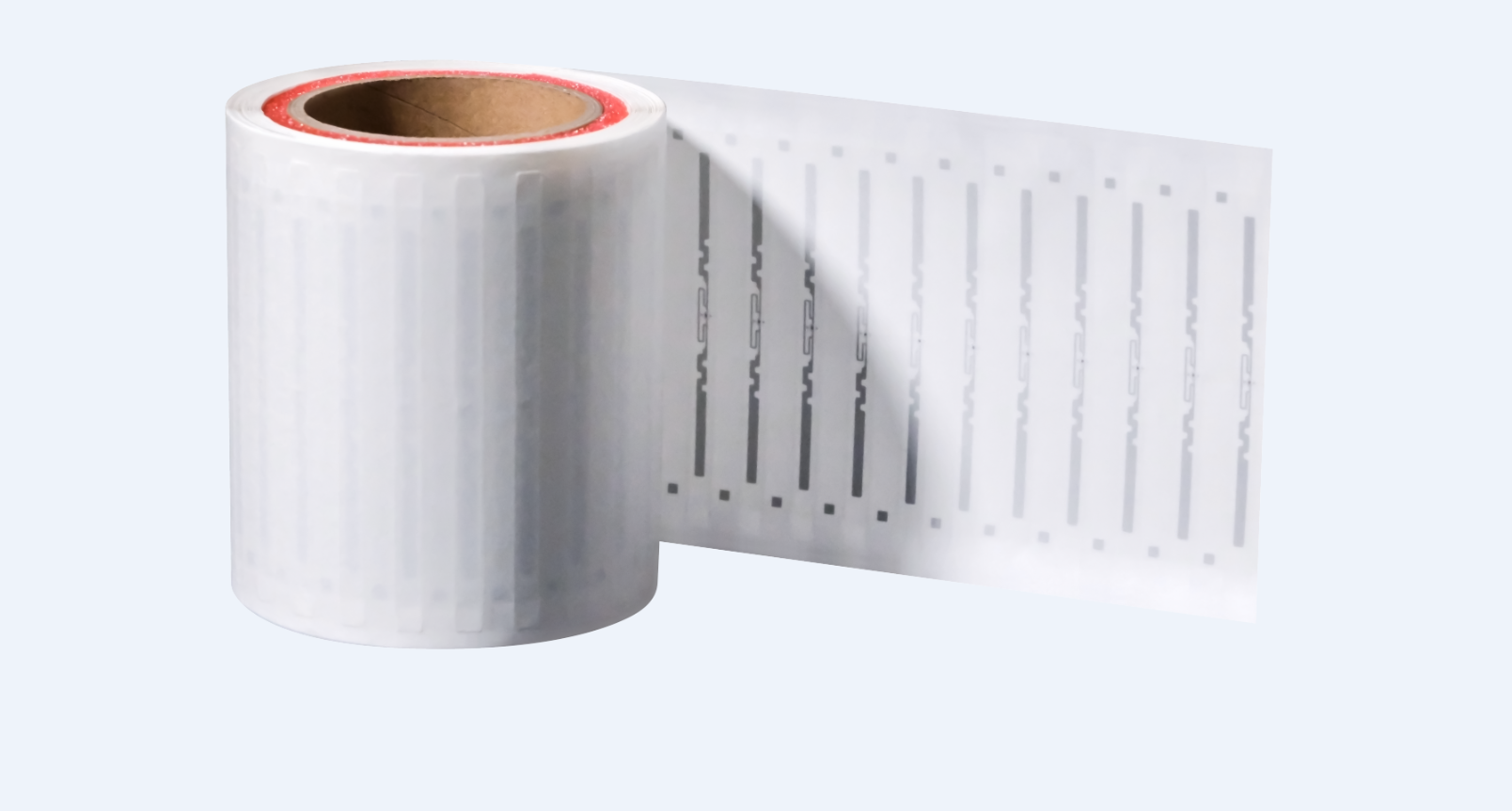
Manual scans create a false sense of security precisely when your systems face the most pressure. A missed step, a queued job, or an outdated checklist can leave critical gaps undetected for hours or days. In moments where every second counts—during a production incident, a zero-day disclosure, or a compliance deadline—waiting on a human to run and interpret a scan is a risk you no longer need to take.
Automated scanning runs continuously in the background, flagging issues as soon as they appear rather than when someone remembers to look. It removes the bottleneck of scheduling and the variability of human attention. Instead of hoping a manual process catches high-priority flaws, your team gets real-time visibility that lets them act before small problems become costly interruptions.
Tags and Readers That Hold Up in Cold Rooms, Dust, and Heavy Traffic
Warehouse freezers aren't kind to electronics. Condensation freezes on antennas, battery life drops, and plastic housings turn brittle. Yet the tags and readers we tested kept scanning at -25°C without a hiccup. Their sealed enclosures and low-temperature-rated batteries mean you can track pallets from the loading dock to the deep freeze without swapping hardware.
Dusty manufacturing floors pose a different problem: fine particles work their way into connector ports and coat lenses until read range shrinks. These units use recessed optical windows and gasketed seams that shrug off flour, sawdust, or metal shavings. A quick wipe with a dry cloth restores full performance, even after weeks in a grain mill.
Heavy traffic areas like cross-dock terminals push readers to their limits. Hundreds of tagged items stream past every minute, and cheap readers start missing reads or locking up. The models here use multi-antenna arrays and adaptive power control to keep pace with forklifts at full speed. Field tests showed zero dropped tags during an eight-hour shift at a regional parcel hub.
Live Inventory Visibility Without Overnight Batch Syncs
Real-time stock levels stop being a guessing game when every sale, return, or transfer updates the system instantly. Instead of waiting for end-of-day reports that are already stale, your team can check a product page, warehouse dashboard, or store POS and see the exact quantity available at that very moment. This means a customer service rep can confidently tell a shopper whether an item is in stock, and a warehouse picker won’t be sent to grab something that was sold twenty minutes ago.
The old approach required copying data between systems after hours, which introduced lag, duplication errors, and occasional failed jobs that nobody noticed until morning. Removing that overnight process eliminates the window where different departments see different numbers. Now the online store, back office, and physical shelves all pull from the same live source, so overselling drops sharply and manual reconciliation becomes a rare exception rather than a daily chore.
This kind of continuous synchronization also opens the door to smarter workflows, like automatic reorder triggers when inventory dips below a threshold or real-time alerts for shrinkage during a shift. Operators spend less time fixing data and more time moving products, while planners get a dependable picture of demand without waiting for a batch report to land in their inbox.
Tie RFID Into Your Existing WMS Without a Full Tech Overhaul
Start by mapping out which WMS touchpoints eat the most time—typically receiving, putaway, or cycle counting. Instead of rewiring the whole system, drop in a fixed RFID reader at a dock door or a handheld scanner at a staging area. The tags get read in bulk, and your WMS still receives the same transaction records, just with less keystroking.
A lightweight middleware can act as the translator between raw RFID reads and your WMS's expected data format. Most WMS platforms expose APIs or allow direct database imports, so you can map EPC codes to SKU, lot, or location fields on the fly. This way the core WMS logic doesn't change—only the data feeding into it becomes faster and more accurate.
For older WMS versions that don't talk to anything modern, a mobile RFID sled paired with a handheld computer often does the trick. Workers follow their usual scan-based workflows, but the sled captures dozens of tags at once. The handheld then pushes the collected data through a standard file import or batch job your WMS already supports, eliminating manual re-entry without touching the backend.
Cut Stock Discrepancies From the Receiving Dock to the Last Pick
Most inventory errors don't start in the middle of the warehouse; they walk in the door with a miscounted pallet or a mislabeled carton. When receiving teams rush to clear the dock, they might scan one barcode and assume the rest of the stack matches. That single skipped check becomes a ghost unit that inflates on-hand totals and forces pickers to hunt for items that aren't really there.
Instead of waiting for cycle counts to expose the damage, treat the receiving door as the first quality gate. Have the same person verify both the shipper's count and the actual carton labels before anything moves to reserve. Then, before the final pick, let pickers flag empty slots or wrong SKUs immediately rather than sending them to the next task. A short feedback loop between dock and pick face keeps small mistakes from turning into daily stockouts or surprise write-offs.
The real payoff shows up in trusted inventory levels. When receiving and picking share the same correction data, the system stops lying to everyone downstream. You spend less time investigating phantom shortages and more time getting accurate orders out the door.
FAQ
We build each deployment around the physical layout, traffic flow, and existing WMS of the site. That means antenna placement, tag selection, and reader tuning are mapped to real zones rather than forcing your operation into a generic template.
Yes. We supply hardened enclosures, industrial-grade tags rated for moisture and temperature extremes, and tuned power settings so reads stay reliable even around metal racking and concrete.
We typically connect through API endpoints, flat-file exchange, or direct database views. Our team works with your IT staff to keep item master, location, and movement data synced without replacing the system you already use.
Most sites see read accuracy above 99% for tagged items after our tuning phase. Exact figures depend on tag type, reader density, and aisle configuration, which we assess during the site survey.
We offer ongoing maintenance contracts that include firmware updates, recalibration visits, and remote diagnostics. Many clients also keep a small stock of spare tags and antennas to reduce downtime.
A single-site rollout usually runs four to eight weeks, including the walkthrough, design approval, installation, and validation testing. Larger multi-building projects are phased so you can start using the system in one area while we equip the rest.
Reusable tags are available for returnable containers and pallets. We can mix item-level tagging for high-value goods with pallet or case-level tagging for bulk inventory to keep costs balanced.
Conclusion
A warehouse is not a one-size-fits-all space, and forcing standard RFID gear into unusual layouts or extreme conditions invites failure. Customized manufacturing means the readers, antennas, and tag housings are built around your actual aisles, dock doors, and racking rather than asking you to adapt. In cold rooms, dust-choked loading bays, or high-traffic forklift lanes, hardware survives because it was specified for those environments. This removes the fragile points that break under daily abuse and eliminates the need to keep manual scan guns in rotation when a shipment is rolling through a choke point. Instead of barcode sweeps that slow receiving and put accuracy on the shoulders of tired staff, fixed and vehicle-mounted readers catch every pallet and case without a pause.
The payoff shows up in live inventory counts that do not wait for an overnight batch sync. RFID events stream into the warehouse management system as goods move, so cycle counts and pick confirmations reflect the floor right now. Because the integration is designed to work with your existing WMS through middleware or API bridges, there is no full tech overhaul—just a targeted layer that speaks the same data language. The result is fewer stock discrepancies from receiving dock to final pick: less double-handling, fewer missing items, and shorter search time. Orders go out complete more often, labor is spent on moving goods instead of hunting them, and exception handling becomes the rare case rather than the daily routine.
Contact Us
Contact Person: Esme Mo
Email: [email protected]
Tel/WhatsApp: 0086 191 2931 7837
Website: https://www.osrfidglobal.com/