

Reasonable Electric Wheelchair for the Elderly: Key Features and Top Picks
2026-11-03
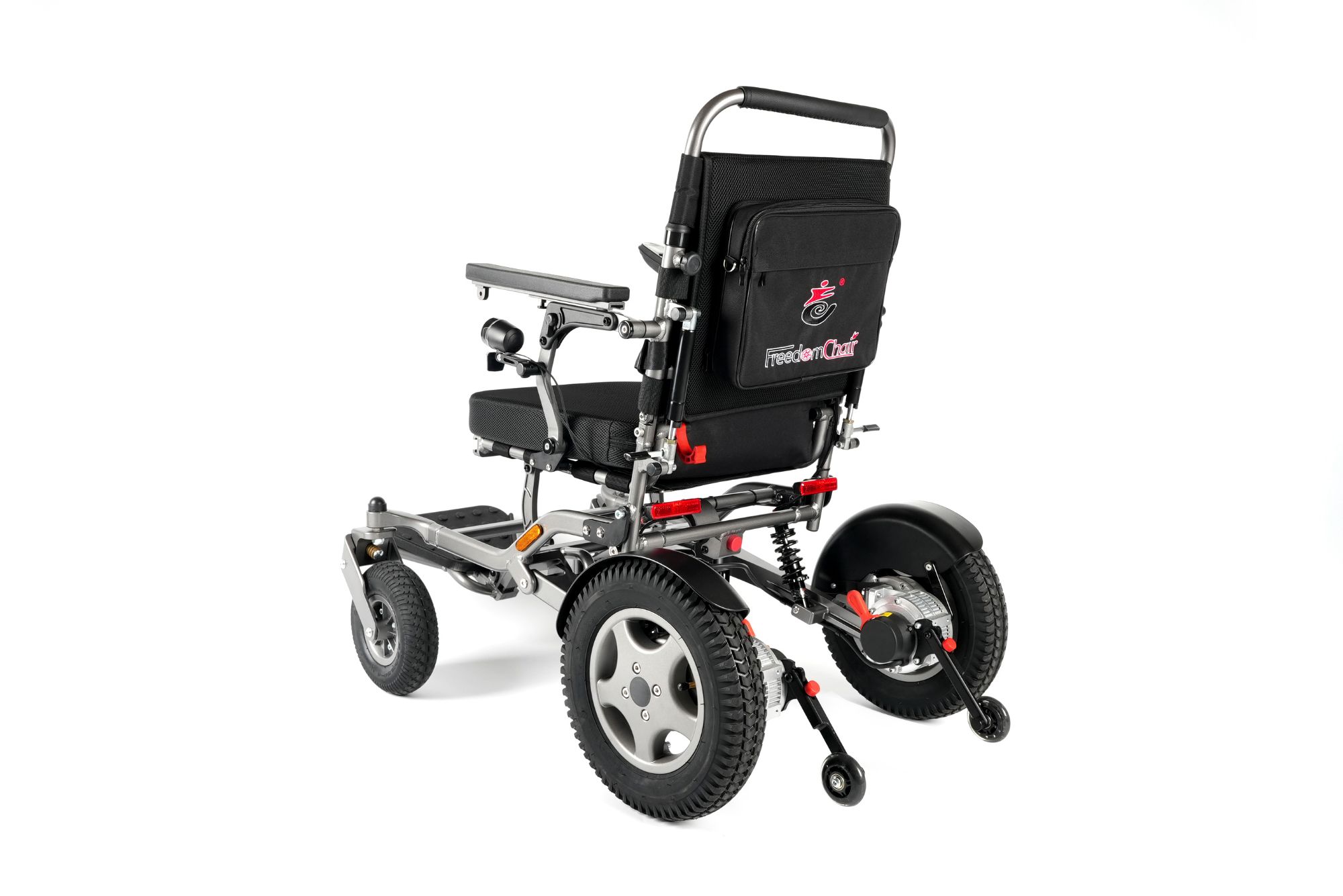
Finding an electric wheelchair that balances cost, comfort, and safety for an older loved one can feel overwhelming. Many models either skimp on essential features or push the price far beyond what’s reasonable. This guide cuts through the noise, highlighting the key features that actually matter for daily use and spotlighting top picks that won’t drain your savings. Among them, the Freedomchair stands out for its thoughtful design and real-world practicality—proving you don’t need to overspend for reliable mobility.
Choosing a Senior Electric Wheelchair: What Actually Matters
When comparing models, don't get distracted by top speed or fancy joysticks. What really matters first is stability. Look for a low center of gravity, a wide wheelbase, and robust anti-tip wheels at the back. Older users often lose confidence if the chair feels tippy on ramps or uneven sidewalks. Also check the braking system: hand brakes can be hard to squeeze for arthritic fingers, so electromagnetic brakes that engage when the joystick is released are far safer in practice.
Comfort is the second make-or-break factor, and it's rarely about motor power. Seat depth, backrest angle, and cushion material determine whether someone will actually use the chair daily or leave it in the corner. A seat that's too deep puts pressure behind the knees; a backrest that's too upright strains the lower spine. Before buying, have the senior sit in the chair for at least twenty minutes and mimic reaching, leaning, and shifting weight. If they can't find a relaxed position, no amount of suspension tuning will fix it.
Finally, match the chair to the real environment, not the brochure photos. Measure door widths, hallway corners, and elevator interiors at home. If most travel is indoors on smooth floors, a compact front-wheel-drive model with a tight turning radius beats a heavy outdoor beast. For mixed terrain—like gravel paths or steep driveways—consider rear-wheel drive with larger tires or adjustable suspension. Battery range should be at least double the longest single trip you anticipate, because cold weather and hills drain power much faster than the spec sheet suggests.
Battery Life Beyond the Spec Sheet
Real-world battery life rarely matches the numbers printed on a box. A 5,000mAh cell can drain by lunchtime in one phone, while another with the same capacity easily stretches past dinner. The difference often comes down to how efficiently the software juggles background tasks, screen refresh rates, and network pings. Companies love quoting video playback hours, but those tests assume ideal conditions—low brightness, airplane mode, and a freshly optimized OS that most users never actually see.
Your daily habits shape endurance far more than any lab benchmark. A heavy day of GPS navigation, 5G streaming, and camera use can halve the runtime you'd get from casual browsing. Even the charger you grab matters: fast charging heats the battery, and repeated heat cycles quietly degrade capacity over months. That's why two identical phones can feel completely different after a year of different owners.
Instead of obsessing over mAh or watt-hours, pay attention to how a phone handles real workflows. Look for adaptive battery features that learn which apps you rarely open, or displays that drop to 1Hz when static. These silent optimizations often deliver more extra hours than a 15% bigger battery ever could—and they don't show up on any spec sheet.
Comfort Details That Make Daily Use Easier
The first thing you notice isn't the design—it's how little you have to think. A zipper that glides without catching, a strap that stays put on your shoulder, a pocket placed exactly where your hand naturally falls. These are the details that turn a rushed morning into something manageable. Instead of fighting your bag, you just grab it and go.
Small adjustments in materials make a surprising difference. The lining is soft enough that it doesn't scratch your laptop, but tough enough to shrug off spilled coffee. The handles have just enough padding to stop digging into your palm after a long walk. Even the hardware has been chosen for a reason: buckles that don't slip, snaps that close with a satisfying click, and no sharp edges anywhere.
Then there are the quiet conveniences. A key clip that keeps your keys from vanishing into the bottom. A hidden side slot for your phone so you aren't digging while balancing groceries. A base that stands on its own instead of flopping over. None of these feel like luxury—they feel like someone actually paid attention to how you live.
Safety Extras That Aren't Just Gimmicks
Automatic emergency braking has moved from luxury add-on to a feature you genuinely want. It watches the road when your attention slips for a split second, applying the brakes faster than your foot can find the pedal. Real-world data shows it cuts rear-end collisions by a meaningful margin, and that is not marketing fluff—it is the kind of intervention that turns a bad day into a near miss.
Blind-spot monitoring paired with rear cross-traffic alert is another one that earns its keep. Backing out of a crowded parking space with a lifted truck on one side and a pillar blocking your view is a recipe for trouble. Those little amber lights and the chime that fires when a car is creeping up behind you are not gimmicks; they are a second set of eyes where yours cannot reach.
Lane-keeping assist and adaptive cruise control get a bad rap for making drivers lazy, but use them on a long highway stretch and the fatigue difference is obvious. The car holds its line through gentle curves and adjusts speed to traffic without constant pedal work, leaving you fresher for the moments that actually demand full attention. That is safety you can feel after hour three behind the wheel.
Portability and Storage: Folding Without the Fuss
Gone are the days of wrestling with stubborn folding mechanisms or needing two people just to collapse a treadmill. The design here prioritizes a near-effortless fold, relying on a hydraulic soft-drop system that lets the deck lower gently to the floor without a jarring thud. You simply lift the running surface until it locks upright, and the machine’s footprint shrinks dramatically—down to roughly the size of a narrow bookshelf. That means it can slide into a closet, tuck behind a door, or stand against a wall in a home office without turning the room into a dedicated gym.
What sets this apart is how the folding doesn’t compromise stability. Many lightweight folders wobble or feel flimsy when running, but the frame’s reinforced steel joints and wide base keep everything planted, even at higher speeds. The transport wheels are deliberately placed at the front base, so when you tilt the folded unit, the weight shifts naturally and you can roll it across carpet or hardwood without straining your back. No awkward dragging, no scratched floors—just a smooth glide to wherever you’d rather store it.
For apartment dwellers or anyone sharing a multipurpose space, this kind of fuss-free portability changes the routine. You can set it up in the living room for a morning run, fold it away before work, and not think about it again until the next session. It’s not about hiding your fitness habit; it’s about reclaiming your floor space on your own terms. The whole process takes under ten seconds, no tools or extra hands required.
Our Picks for Reasonable Electric Wheelchairs That Deliver
Reasonable pricing usually comes with hidden trade-offs in electric wheelchairs: a motor that strains on a slight ramp, a seat cushion that flattens by week two, or a folding mechanism that needs two people and a running start. We weren't interested in adding another one of those to the list. Instead, we looked for chairs that could handle daily errands, tight doorways, and the occasional uneven sidewalk without making the rider feel every crack.
The models that made the cut share a few unglamorous but important traits. Their batteries last close to the claimed range even in cooler weather, the controls respond predictably rather than lurching, and the frames don't wobble when you shift your weight. None of them win awards for looks, but they get you through the day without a surprise breakdown or an aching back.
We also paid attention to the less obvious costs: replacement batteries, armrest padding, and whether a local repair shop can actually source parts. A lower sticker price doesn't mean much if you're stuck waiting three weeks for a cable. The picks below aim to keep both the upfront and long-term costs reasonable, which is a rarer combination than it should be.
FAQ
It usually falls between $900 and $1,600. Below that, you're often looking at flimsy frames or batteries that die within a year. Above that range, the extra cost typically pays for heavy-duty suspension or off-road capability that most elderly users won't use on a daily basis.
Anti-tip wheels are a must, as is a seatbelt and a joystick that responds without lag. Don't skip electromagnetic brakes—they lock the wheels when the chair is off, which prevents rolling on slopes. A padded, adjustable seat matters more than fancy lighting or Bluetooth speakers.
A real-world range of 10 to 15 miles per charge covers nearly all indoor and neighborhood errands. Manufacturers often overstate range by testing on flat ground with a light user, so assume you'll get about 70% of the advertised number. For clinic visits, look for a battery that's easy to remove and charge indoors.
The Foldawheel PW-999 and the Drive Medical Cirrus Plus are solid starting points—both fold for car transport and cost under $1,200. If you need more headroom and leg support, the Golden Technologies LiteRider Envy offers a captain's seat and longer wheelbase for just above $1,500. Avoid unbranded clones that look identical online; their frames tend to crack at the folding joints.
You can get both if you look for aluminum frames instead of steel. A folding aluminum chair with a 250-pound weight capacity is usually light enough for one person to lift into a trunk while still feeling stable. Just don't go below a 19-inch seat width or you'll trade away hip support and comfort.
Plan for a new pair of batteries every 18 to 24 months, which costs $150 to $300 depending on the type. Tires, especially solid foam inserts, can wear down and need replacement once a year if used daily. Many budget chairs have joystick modules that fail from moisture, so keep a simple rain cover handy—it's a $20 fix that prevents a $200 repair.
A local dealer is worth the extra 10% to 15% markup because they can adjust the armrests, footplate, and controller to fit the user's body before you commit. Online deals are fine if you already know the exact seat dimensions and have someone comfortable doing minor assembly. For first-time buyers, a bad fit is the main reason chairs get returned or abandoned.
Conclusion
When my father started struggling with long hallways, we quickly learned that a reasonable electric wheelchair is not about the lowest price or the flashiest motor. It is about matching the chair to how an older adult actually lives. The first thing we looked for was a tight turning radius and adjustable armrests—those matter more than top speed when you are navigating a bathroom doorway. Battery life claims of 15 miles rarely hold up on carpet or slight inclines, so we started checking real-world range from user reviews and made sure the battery was easy to remove for charging indoors. Comfort was another quiet dealbreaker: a seat that is too firm becomes painful after an hour, and a backrest that does not recline a few degrees can make afternoon naps impossible.
Safety features only earned their place if they were genuinely useful. Electromagnetic brakes that lock on a ramp are non-negotiable, but we ignored gimmicks like built-in Bluetooth speakers. Portability came down to whether my mom could fold the chair herself without bending over too far or lifting more than 40 pounds. In the end, our top picks were the Pride Jazzy Passport for its balance of weight and range, the Foldawheel PW-999 for true one-hand folding, and the Merits Health P301 for basic reliability at a fair price. None are perfect, but each delivers what an elderly user needs daily without unnecessary extras.
Contact Us
Contact Person: Calvin Fan
Email: [email protected]
Tel/WhatsApp: 8618913265607
Website: www.freedom-chair.com