

Professional Kids Costume Choices That Spark Creative Play
2026-07-10
When playtime meets imagination, the right costume can turn an ordinary afternoon into a grand adventure. But not all dress-up clothes are created equal—especially when it comes to durability and design. That’s where CCosplay steps in, offering professional kids costume choices that go beyond the flimsy store-bought options. From aspiring astronauts to fairy-tale heroes, these thoughtfully crafted pieces invite children to dive deeper into their stories, sparking creative play that lasts long after the pretend begins. Ready to see how the right outfit can unlock a world of make-believe?
Unleash Imagination with Profession-Inspired Costumes
Dressing up as a doctor, pilot, or artist isn’t just about throwing on a white coat or a hat—it’s about stepping into a world of possibilities. Profession-inspired costumes give children a tangible way to explore roles they see in everyday life, from firefighters rushing to the rescue to chefs crafting imaginary feasts. These outfits do more than spark play; they plant the seeds of aspiration, letting kids experiment with grown-up responsibilities in a safe, joyful way. Each costume becomes a portal, turning a living room into a hospital, a cockpit, or a studio, where the only limit is how far their minds can wander.
The beauty of these costumes lies in their ability to blend reality with fantasy. A simple stethoscope can transform a child into a compassionate healer, while a tool belt turns them into a problem-solving builder. These details aren’t just accessories—they’re invitations to create stories, solve puzzles, and empathize with others. Unlike passive entertainment, imaginative play with career-themed costumes encourages active engagement, helping kids develop social skills and confidence as they narrate their own adventures. When a child dons a uniform, they’re not just pretending to be someone else; they’re learning to see the world through new eyes, one role at a time.
The Role of Authentic Details in Creative Pretend Play
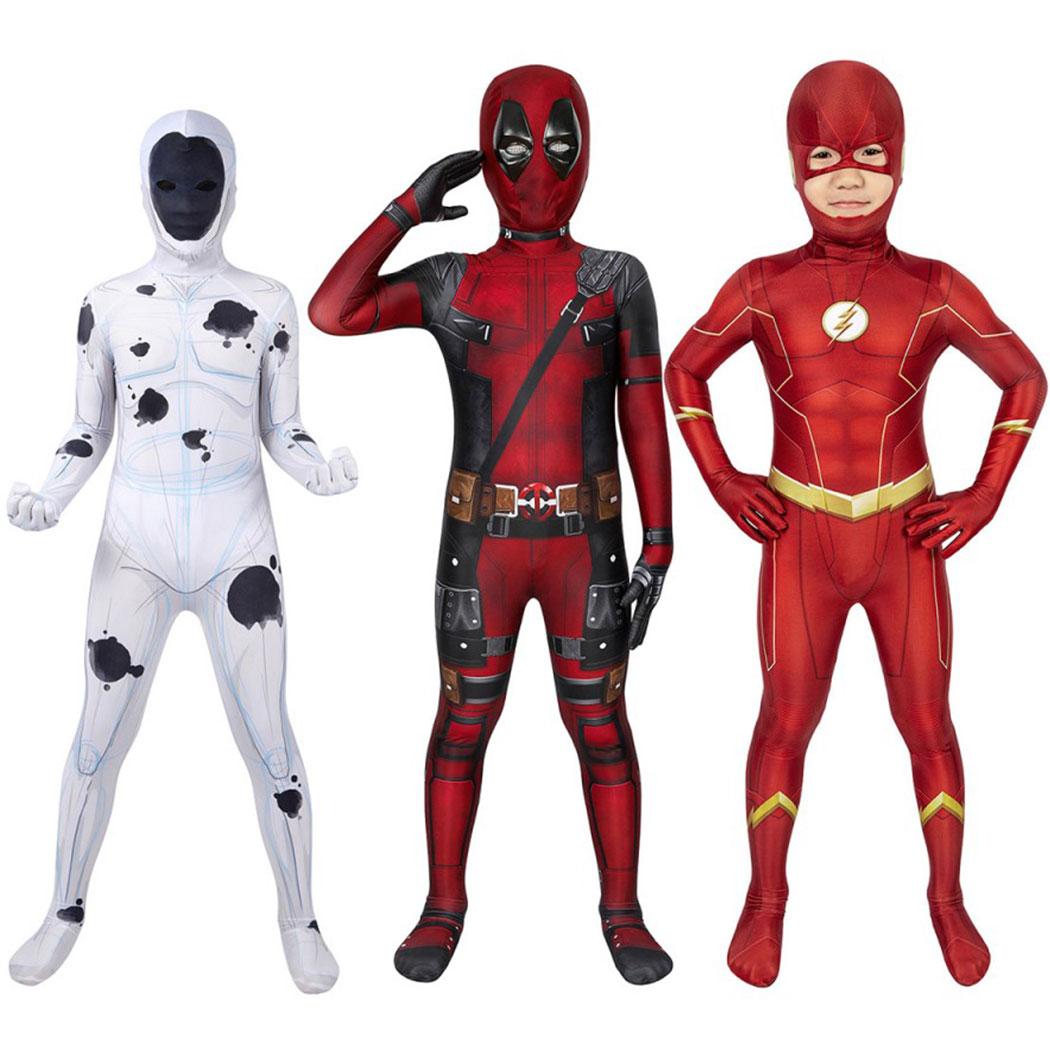
When a child wraps a frayed scarf around their shoulders, it isn't just a piece of fabric—it becomes a cape with a history, softened by use and carrying the faint scent of home. These sensory anchors pull the play deeper, making the imagined world feel inhabited rather than constructed. A plastic tiara from a costume kit might spark a moment of royalty, but a slightly tarnished brooch from a grandparent's drawer invites stories about treasure maps, lost kingdoms, and secret passages. The imperfections and textures of real objects offer resistance to the imagination, forcing it to adapt and stretch, which keeps the narrative alive and evolving.
In a corner of the room, a collection of smooth stones becomes currency in a dragon's market, their weight and coolness lending a gravity that plastic coins cannot replicate. A handwritten menu on a stained recipe card turns a pretend café into a place with a daily special and a grumpy chef who only appears on Tuesdays. Authentic details aren't about accuracy; they're about specificity. When the props carry echoes of the outside world—a used train ticket, a broken watch, a postcard with faded handwriting—they function as portals, collapsing the distance between reality and fantasy so the child can step through without noticing the seam.
The magic lies in the unscripted discoveries that real objects provoke. A tarnished key found in a junk drawer doesn't open any lock in the house, but in play, it might unlock the attic of a ghost or the diary of a silent film star. Children naturally gravitate toward items that feel dense with story, often discarding pristine toys in favor of something worn or incomplete. That worn quality signals to the mind that this thing has lived—and therefore belongs in a living story. By offering fragments of the real world, we aren't limiting the play; we're giving it richer soil to root in, so that the pretend grows upward with the sturdy, unpredictable structure of a climbing vine.
Dressing Up for Skill Building: More Than Just Fun
When children reach for a cape or a firefighter helmet, they aren’t just playing—they’re wiring their brains for complex problem-solving. The act of choosing a character, negotiating roles with friends, and improvising dialogue strengthens executive function in ways that flashcards never could. A simple living room suddenly becomes a stage where a child learns to organize thoughts, adapt to unexpected twists, and stretch their imagination far beyond what’s directly in front of them.
Fine motor skills get a quiet workout too. Fastening a wizard’s robe, zipping a doctor’s coat, or buttoning a pirate vest requires dexterity and patience. Even the way a child carefully places a crown on their head or clips on a pair of pretend earrings teaches them about spatial awareness and precision. These moments are packed with practice that feels effortless because the motivation is pure joy, not a worksheet tucked into a folder.
The social layer runs deep as well. Sharing a box of costumes means negotiating who gets the sparkly wings or the construction hat, and that back-and-forth builds empathy and conflict resolution. A shy child might suddenly find their voice as a brave knight, trying out new vocabulary and tones in a safe, playful context. The laughter and occasional drama aren’t just noise—they’re the sounds of a child learning to read the room, express feelings, and connect with others in ways that will serve them for life.
Choosing Costumes That Grow with Your Child's Curiosity
Children rarely settle on a single obsession for long, which is why the smartest costume choices are those that leave room for evolution. Instead of a fixed character outfit, look for foundational pieces that can shift roles with a quick accessory swap. A simple cape, for example, can turn a child into a superhero one day, a royal heir the next, and a mysterious wanderer after that. Neutral tunics, plain hoods, or basic armor vests become blank canvases for the imagination to paint new stories each time they’re worn. When the costume itself doesn’t dictate the narrative, kids feel free to layer on details pulled from their latest fascination—be it a space explorer one week or a forest fairy the next.
The real magic lies in add-ons that can be gathered over time, mirroring how interests branch and deepen. Think detachable tails, interchangeable emblems, or reversible masks that offer multiple expressions. A dress-up box stocked with such pieces invites continuous reinvention, making each play session feel fresh and entirely self-directed. This approach also sidesteps the disappointment of outgrowing a pricey outfit in a month, because the core elements remain relevant as the narrative grows more complex. By investing in costumes that can adapt, you encourage a kind of play that is as fluid and expansive as curiosity itself—never truly finished, always ready for the next adventure.
From Astronauts to Zookeepers: A World of Possibilities
When we were children, the question "What do you want to be when you grow up?" felt like an invitation to a magical realm. The answers tumbled out effortlessly: astronaut, zookeeper, firefighter, ballerina. Back then, the world was a vast landscape of infinite roles, each one a doorway to adventure. As adults, we often narrow our focus, forgetting that the same boundless curiosity still exists within us. This phrase isn't just a nostalgic nod to childhood dreams; it's a reminder that the spectrum of human endeavor is wonderfully broad, and our lives can be tapestries woven from many different threads.
Consider the astronaut, floating in the silent expanse of space, relying on precision, courage, and a profound sense of wonder. Then picture the zookeeper, grounded in the earthy scents of animal enclosures, building trust with creatures who cannot speak our language. On the surface, these paths couldn't be more different. Yet both roles demand dedication, empathy, and a deep-seated desire to connect with something larger than oneself. The beauty lies in the contrast: one explores the cosmos, the other nurtures life on our own planet. Between these extremes exists every conceivable profession, from deep-sea welder to pastry chef, each offering its own unique lens through which to experience the world.
Embracing a world of possibilities means giving yourself permission to explore without the pressure of a singular identity. You might spend your mornings teaching children, your afternoons writing code, and your weekends volunteering at a wildlife rescue. The modern world increasingly accommodates portfolio careers and multifaceted passions. The astronaut and the zookeeper aren't just jobs; they symbolize the dual urges to reach for the stars and to care for the earth. So whether you're drawn to the infinite sky or the rich soil beneath your feet, remember that the path isn't fixed. The world is still a place of endless possibilities, waiting for you to mix the extraordinary with the everyday.
Sparking Storytelling: How Costumes Inspire Narratives
Costumes are more than fabric and thread—they are the first whisper of a character’s soul. Before a single line is spoken, a costume hints at secrets, status, and unspoken desires. A tattered hem might speak of a fall from grace, while a sharply tailored coat suggests a life of rigid control. This silent language ignites the imagination, inviting storytellers to ask “What if?” and weave narratives around every stitch.
When a performer steps into a costume, they don’t just wear it—they inhabit a new rhythm. The weight of a crown alters posture, the flow of a silk dress changes movement. These physical shifts can spark unexpected plot twists or deepen emotional arcs. A glove might become a nervous habit, a mask could hide a double life. Costumes don’t just decorate a story; they actively shape its heartbeat.
Beyond practicality, costumes are portals to worlds unseen. A faded military jacket might inspire a tale of forgotten wars; a child’s handmade superhero cape could launch a saga of everyday heroism. In the hands of a curious mind, a single garment becomes a seed that grows into a forest of possibilities. The act of dressing becomes the first draft of a story waiting to be told.
FAQ
A great costume becomes a portal to another world. It's not just about looking the part—it's about pieces that let children move, invent, and add their own twists. Soft fabrics, pockets for props, and simple designs that don't dictate a single storyline are key. When a firefighter jacket has room for a toy hose and a pretend walkie-talkie, the play deepens naturally.
Careers with strong visual cues and storytelling possibilities top the list. Veterinarians with stuffed animal patients, astronauts exploring cardboard spaceships, and chefs whipping up imaginary feasts are perennial favorites. Construction workers with tool belts and hard hats often build entire cities from blocks. The magic lies in roles that allow for both solo adventures and group collaborations.
Look for reinforced seams, washable materials, and adjustable closures that grow with your child. Avoid costumes that are too specific—a generic lab coat becomes a scientist, a doctor, or a potion maker, while a branded character locks them into one story. Pieces that layer over everyday clothes invite spontaneous play and make the costume part of their regular rotation.
Professional costumes root play in real-world understanding. They help children process what they see adults doing and explore concepts like community, empathy, and problem-solving. A postal worker costume can lead to discussions about mail and geography; a chef outfit might inspire real cooking experiments. The line between fantasy and reality blurs beautifully when the play is grounded in familiar roles.
Start with a signature piece that defines the role—a stethoscope, a hard hat, or a chef’s hat—and let the child drive the rest. Simple additions they can manipulate independently, like clip-on badges or fabric wings, extend play without causing frustration. Props that can be used in multiple ways, like a scarf that becomes a sling, a cape, or a picnic blanket, are gold.
A quality vest or tunic in a neutral color can be transformed with different hats and accessories. A white collared shirt becomes a doctor, a painter, or a business executive. Overalls are perfect for mechanics, farmers, or artists. Investing in a few well-made staples means endless combinations, and children love mixing and matching to invent their own professions.
Start subtly by placing the costume in their play area without any pressure. Model playful behavior by wearing a silly hat or using a toy stethoscope on a stuffed animal. Narrate your own playful actions: 'I'm fixing this car, I need a helper!' Often, joining their parallel play while in costume builds comfort. Let them observe and join when ready—it's not a performance.
Most costumes benefit from spot cleaning and air drying to preserve details. Create a 'costume care kit' with a vinegar spray for odors and a small brush. Teach kids to hang their outfits after play—this simple habit extends life significantly. For grimy favorites, a gentle wash in cold water inside a garment bag minimizes wear. Accept that cherished pieces will show love, and that's part of their charm.
Conclusion
Professional kids costumes do more than just dress children up—they unlock entire worlds of imaginative play. When a child puts on a firefighter’s jacket or a doctor’s coat, they step into a role that encourages storytelling, problem-solving, and social interaction. These costumes, inspired by real-world professions, give kids the chance to explore different identities and build essential skills while having fun. The authenticity of details, from a stethoscope to a pilot’s cap, makes the experience more immersive, helping children to suspend disbelief and dive deeper into their pretend scenarios. This type of play is not merely entertainment; it lays the groundwork for empathy, communication, and cognitive development, all wrapped up in the joy of make-believe.
The right costume grows alongside a child’s curiosity, adapting to their ever-changing interests. One day they might be an astronaut floating through a cardboard spaceship; the next, a zookeeper caring for stuffed animals. This range of possibilities ensures that dress-up remains a fresh and enduring source of inspiration. As they act out narratives tied to each profession, children learn to structure stories, express emotions, and collaborate with others. Moreover, the tactile elements of high-quality costumes—zippers, badges, soft fabrics—encourage fine motor skills and attention to detail. By choosing costumes that balance realism with playability, parents and educators provide a canvas for creativity that can inspire a lifelong love of learning through imaginative role-play.
Contact Us
Contact Person: Sunny
Email: [email protected]
Tel/WhatsApp: +86-180-1086-8579
Website: https://www.ccosplay.com