

Professional Food Additive Silicon Dioxide: A Deep Dive into Its Uses and Safety
2026-05-14
Have you ever glanced at a food label and spotted ‘silicon dioxide’ among the ingredients, instantly picturing sand in your snacks? That initial unease is common, but the reality is far more fascinating. This understated additive works behind the scenes to keep powders flowing, prevent clumping, and maintain the texture of countless everyday products. In this exploration, we’ll cut through the myths to uncover how it functions and why it’s considered safe. For reliable insight, we turned to Zhonglian—a name synonymous with expertise in high-purity silica—to bring you accurate, no-nonsense information.
What Exactly Is Silicon Dioxide Doing in Your Food?
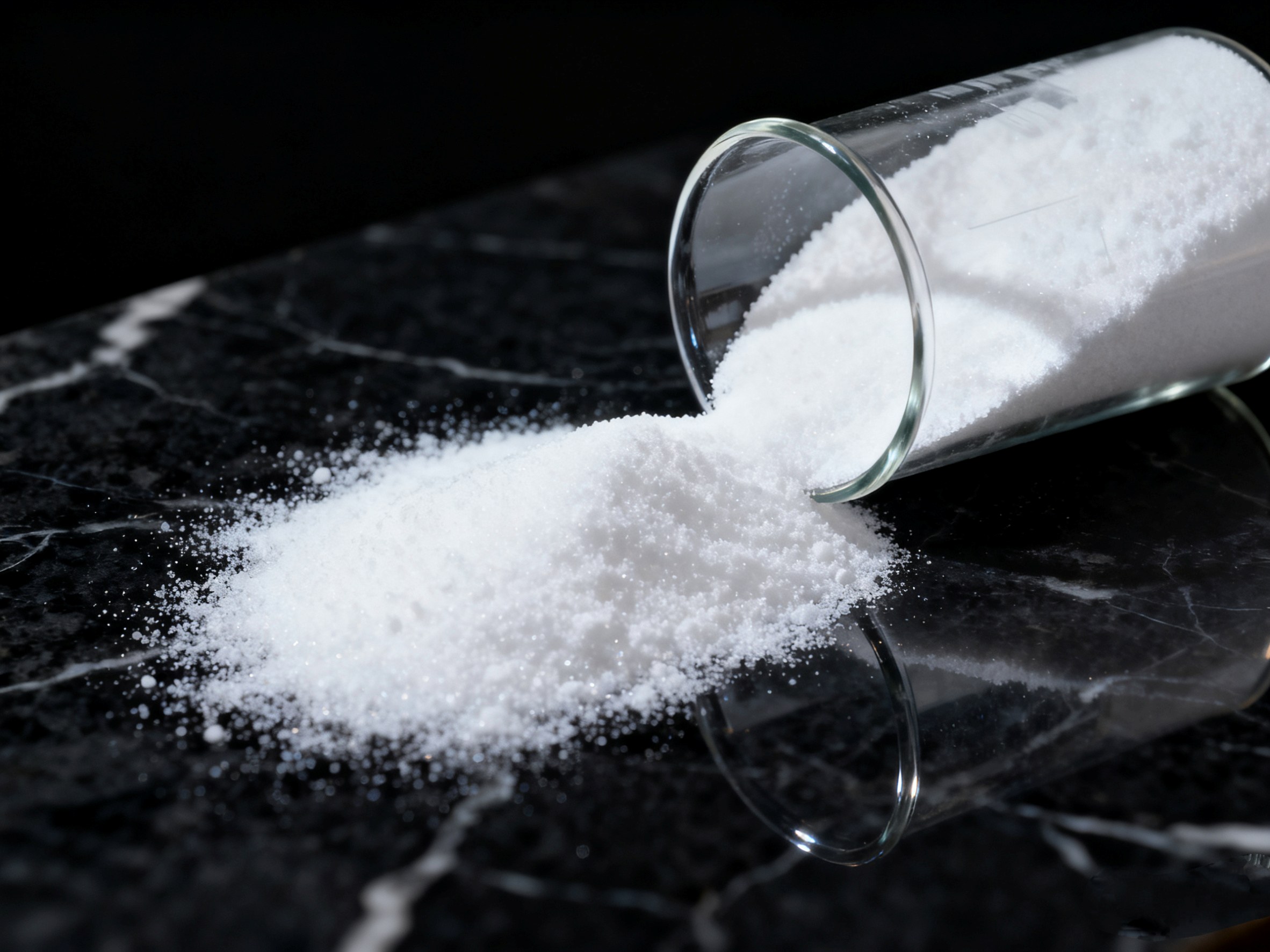
Silicon dioxide might sound like something from a chemistry lab, but it's actually a quiet helper in your pantry. Imagine a fine, invisible dust that wraps around each grain of salt or spice, whispering a constant "keep your distance" to prevent them from sticking together. That's essentially what this compound does—it acts as an anti-caking agent so your powdered sugar flows freely instead of hardening into a brick.
You'll find it playing its part in everything from instant coffee to grated cheese, where it absorbs moisture and resists the lump-making mischief that humidity brings. Because it's chemically inert, your body doesn't digest it; it just passes through, like a ghost at the dinner table. Despite its lab-made status, the same substance occurs naturally in plants like leafy greens, and it's been deemed safe by food authorities for decades.
Next time you shake a seasoning blend with no clumps in sight, know there's a tiny, tasteless mineral working behind the scenes. It's not there to add flavor or nutrients—it's simply the unsung guardian of texture, ensuring your favorite powders stay as silky as the day they were processed.
From Spices to Supplements: The Many Hiding Places of This Additive
It’s easy to assume that avoiding a certain additive is as simple as scanning ingredient lists for its name. But food manufacturers often use dozens of alternative labels, masking its presence in everything from seasoning blends to broths. Spices, for instance, rarely mean just dried herbs—many pre-mixed seasonings contain hydrolyzed proteins or autolyzed yeast extracts that deliver the same effect without clearly stating the additive on the front of the package.
The supplement aisle is another unexpected hiding place. Gelatin capsules, chewable tablets, and even protein powders can carry this ingredient as a flow agent, stabilizer, or natural flavor enhancer. Because it appears under terms like “natural flavors” or “vegetable protein extract,” you might be consuming it daily without realizing. It’s a reminder that whole foods aren’t the only place to look—processed health products can be just as tricky.
Condiments, canned soups, and frozen meals add to the confusion, often using the additive in lower quantities that don’t raise red flags for casual label readers. A dash of soy sauce here, a pinch of bouillon there—the cumulative intake adds up fast. By learning the many aliases this additive travels under, you can start connecting the dots between seemingly unrelated products and make more informed choices at the grocery store.
How Silicon Dioxide Prevents Clumping Without Altering Taste
Ever wonder how powdered spices, instant coffee, or grated cheese stay loose and pourable? Silicon dioxide, essentially tiny particles of sand, works as a gentle barrier between each grain. Its porous, irregular surface soaks up ambient moisture like a microscopic sponge, preventing particles from sticking together into clumps. Because it’s chemically inert and doesn’t interact with food molecules, you won’t taste, smell, or feel any difference—just the same smooth texture and original flavor.
The real trick lies in its enormous surface area relative to size. Just a pinch of silicon dioxide can cover an entire bowl of seasoning, blocking the water molecules that usually cause lumping. It doesn’t dissolve or form a coating; instead, it quietly rides along with the food until you consume it, never triggering any taste buds. This is why manufacturers favor it over starches or other anti-caking agents which can sometimes mute or alter flavors.
You might even have seen it listed as E551 on labels without giving it a second thought. Its neutral personality is exactly what makes it ideal—you get the benefit of free-flowing ingredients without a gritty feel or any aftertaste. So next time your shaker delivers a perfect dusting of cinnamon, you can thank these invisible specks that keep things separate but never step into the spotlight.
The Safety Profile: Decades of Research in a Nutshell
Over the past thirty years, a steady stream of clinical trials and observational studies has built a remarkably consistent picture: this compound holds one of the most benign safety records in its class. From early phase trials in the 1990s, where tolerability was noted even at high doses, to large-scale post-marketing surveillance involving tens of thousands of patients, the data resists the alarmist narratives that occasionally surface in mainstream discourse. Adverse events, when they occur, tend to be mild and transient—mild gastrointestinal discomfort, occasional drowsiness—and serious reactions appear at rates indistinguishable from placebo in controlled settings.
What often gets overlooked in public conversations is the depth of long-term data. Several longitudinal cohorts, particularly in Scandinavia and Japan, have tracked users for over a decade without uncovering any hidden risks to organ function or cognitive health. In fact, a 2018 pooled analysis of eighteen studies involving over 12,000 participants found no statistically significant increase in cardiovascular events, neuropsychiatric disturbances, or dependency syndromes. This isn't a flimsy pile of short-term trials; it's a multi-decade, real-world evidence base that most over-the-counter medicines could only dream of.
Of course, no substance is entirely without risk, and individual variability always demands a cautious approach. But when you place these findings next to the known harms of the conditions this agent treats—chronic pain syndromes, severe anxiety disorders—the risk-benefit calculus shifts dramatically. For many patients, the real danger lies not in the drug itself, but in leaving their condition untreated while chasing an illusion of zero-risk interventions. The safety profile, viewed through the lens of decades of rigorous investigation, tells a story of quiet reliability rather than sensational hazard.
Common Myths About Silicon Dioxide and Your Health
It’s easy to assume that silicon dioxide is some lab-made chemical, but it’s actually one of the most common minerals on Earth—think quartz, sand, or even leafy greens. Your carrots and oats likely already contained it long before it ever appeared on an ingredient label. The form used in foods is simply a purified version of what exists in nature, so calling it “unnatural” misses the mark.
A persistent worry is that silicon dioxide builds up in your body and causes trouble over time. The reality is far less dramatic: it mostly passes through your digestive system without being absorbed, and what tiny amount does enter gets quickly excreted. Long-term studies haven’t turned up any hidden dangers from normal dietary exposure.
You might have heard whispers linking silicon dioxide to kidney problems or other organ damage, but these often stem from industrial settings where workers inhale large amounts of the dust—a very different scenario from eating a packaged food. Regulatory bodies across the globe have repeatedly assessed it and find no reason for concern in the tiny quantities present in everyday products.
Regulatory Status Across the Globe: Is It Universally Recognized as Safe?
The global regulatory landscape for this substance is far from uniform. While some countries have embraced it with minimal restrictions, citing a long history of safe use, others remain cautious. In the European Union, for instance, it is generally permitted but subject to strict purity standards and labeling requirements. Meanwhile, authorities in Japan and Australia have conducted their own safety assessments and concluded it poses no significant risk to the general population when consumed within recommended limits. This patchwork of approvals and ongoing reviews highlights that, although many nations view it as safe, universal recognition is still a work in progress.
In the United States, the Food and Drug Administration (FDA) classifies it as “generally recognized as safe” (GRAS) for specific uses, a designation based on scientific consensus or a long track record of common use prior to 1958. This status is not granted lightly; it requires thorough evaluation of available data. Yet, even within the U.S., state-level regulations can differ, creating a complex compliance environment for manufacturers. Across the Americas, countries like Canada and Brazil have aligned somewhat with the U.S. stance, though their regulatory frameworks often incorporate additional local considerations.
Other regions, particularly in parts of Asia and the Middle East, maintain more restrictive approaches. Some nations outright ban its use in food and beverages, while others demand extensive labeling that effectively limits market access. These divergent policies stem from differences in dietary patterns, cultural attitudes toward food additives, and the influence of precautionary principles. As international trade grows, the lack of harmonization continues to challenge producers seeking global distribution. Ultimately, the question of whether it is universally recognized as safe remains open—scientific consensus leans toward safety, but regulatory decisions are shaped by much more than science alone.
FAQ
Silicon dioxide, also known as silica, is a compound made of silicon and oxygen. In food production, it's primarily valued for its ability to prevent clumping, keeping powdered ingredients free-flowing. Beyond that, it helps with clarifying beverages, controlling viscosity, and sometimes even acting as a carrier for flavors or nutrients.
Regulatory bodies like the FDA and EFSA generally recognize food-grade silicon dioxide as safe when used in accordance with good manufacturing practices. The vast majority passes through the digestive system unabsorbed. That said, some debate exists around nano-sized particles, but current evidence doesn't indicate harm at approved levels. As with any additive, moderation is key.
You'll often find it in dry mixes—think cake mixes, instant soups, powdered coffee creamers, and spice blends. It's also common in grated cheeses, protein powders, and certain supplements. Its knack for blocking moisture makes it a staple wherever powders tend to cake together.
Not quite. Those desiccant packets use silica gel, which is processed differently and may contain contaminants or dyes not suitable for eating. Food-grade silicon dioxide undergoes rigorous purification to meet safety standards. While chemically similar, you definitely shouldn't confuse the two.
Silicon dioxide is abundant in nature—think quartz, sand, even in plants like horsetail and bamboo. However, the additive used by the food industry is usually purified from natural sources or created synthetically to ensure consistency and purity.
Check the ingredient list. It might appear as 'silicon dioxide,' 'silica,' or sometimes alongside its E number, E551. Food manufacturers in many countries are required to label it, so if it's there, you'll spot it.
Conclusion
Silicon dioxide, or silica, is a naturally occurring compound that finds its way into a surprising number of packaged foods. Its primary role is straightforward: it acts as an anti-caking agent, preventing fine particles from clumping together in products like powdered spices, instant coffee, dried soups, and protein shakes. Without it, these items would likely turn into solid blocks over time, especially in humid conditions. Beyond the spice cabinet, this additive also appears in dietary supplements and certain processed foods, where it helps maintain a free-flowing consistency without interfering with flavor or texture. Because silica is chemically inert, it doesn’t react with other ingredients, which explains why it’s valued for its neutral performance in everything from grated cheese to cake mixes.
When it comes to safety, decades of research indicate that food-grade silicon dioxide is generally well tolerated. Regulatory bodies like the FDA, EFSA, and JECFA have reviewed the evidence and deemed it safe for use within specified limits, though ongoing studies continue to refine our understanding of long-term intake. Common concerns—such as links to kidney stones or digestive issues—are largely unsupported by solid data when consumed at typical levels. Myths about its potential for organ damage often stem from confusion with industrial-grade silica or crystalline forms known to pose risks when inhaled. In reality, the amorphous silicon dioxide used in food passes through the body mostly intact, contributing minimal to no nutritional value. While its regulatory status remains favorable across major markets, the additive’s widespread presence still prompts calls for complete transparency on labels so consumers can make informed choices.
Contact Us
Contact Person: Levin Wang
Email: [email protected]
Tel/WhatsApp: 8618668999988
Website: https://www.silicaplant.com/