

Private Label Foot Massager: Craft Your Own Brand of Relaxation
2026-11-03
Every retailer dreams of a product that sells itself—something customers crave without a hard pitch. Foot massagers sit in that sweet spot, blending daily comfort with real wellness benefits. But selling someone else’s brand rarely builds a business. That’s where private labeling comes in, and where XINGBU turns a generic device into your signature line. From first prototype to final package, this guide walks you through crafting a relaxation brand your customers will remember.
Why Retailers Are Adding Their Own Foot Massagers
Retailers are realizing that foot massagers are more than a niche wellness item—they’re a response to a quiet shift in how people unwind at home. Instead of chasing spa appointments, customers now want that same relief in their living rooms, and stores are moving fast to fill the gap. Adding these products to shelves isn’t just about riding a trend; it’s about meeting a daily need for comfort that other categories overlook.
There’s also a practical side to the decision. Foot massagers occupy a sweet spot between small accessories and bulky fitness equipment, making them easy to display without eating up floor space. Plus, they pair naturally with related items like slippers, compression socks, or bath products, giving retailers a reason to build a wider self-care corner rather than a lonely product display.
Word of mouth plays a bigger role than most assume. Once a single customer brings home a well-designed foot massager, the recommendation spreads through family chats and workplace chatter. Retailers see that organic pull and want to be the place people go first, not an afterthought. By adding their own branded versions, they cut out the middleman and keep the loyalty—and the margin—in-house.
Building a Brand Story Around Tired Feet
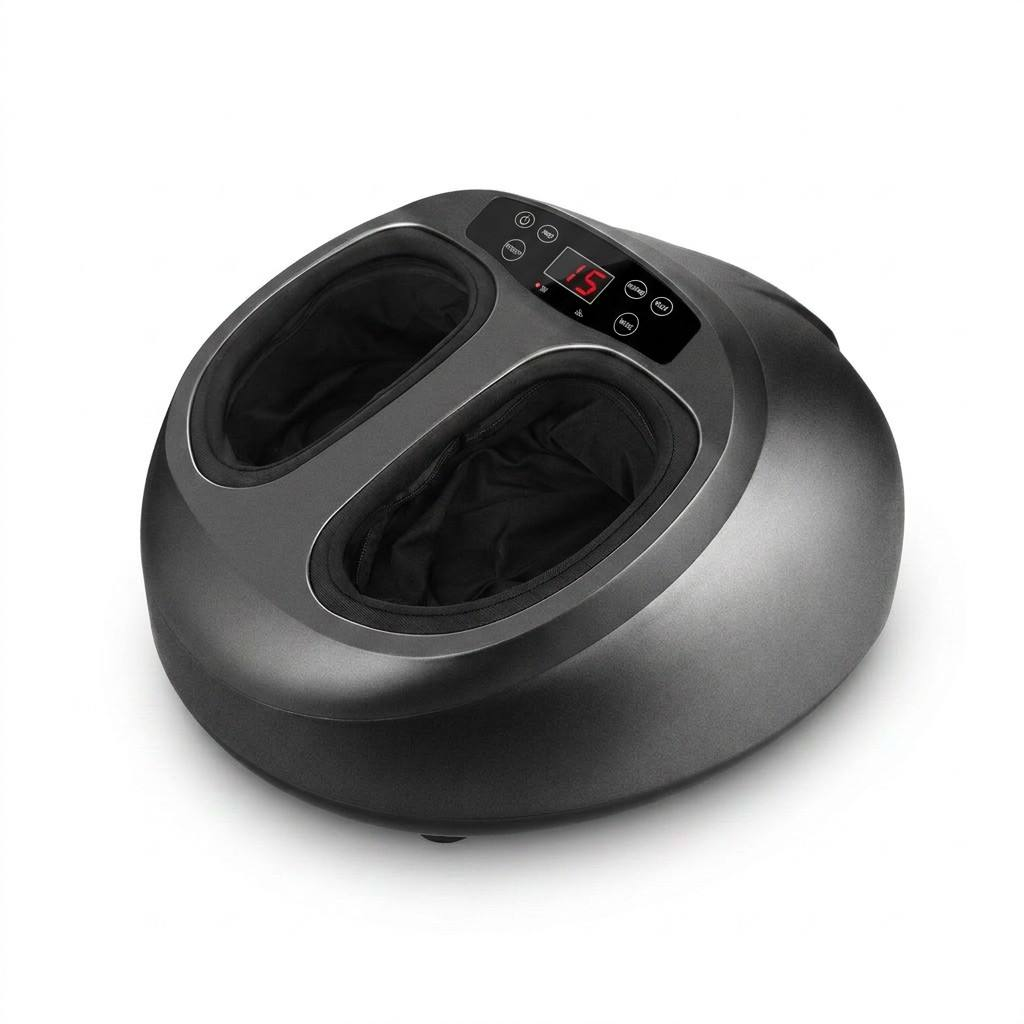
Every ache has a story worth telling. A brand built around tired feet isn't really selling shoes or insoles—it's selling the moment someone finally sits down after a double shift, eases off their work boots, and lets out a breath they didn't know they'd been holding. That moment is the heart of the narrative. Instead of listing features, lean into the quiet relief, the small ritual of caring for feet that carry a person through long days of standing, walking, and never quite stopping.
The most compelling brand stories don't start with the product. They start with the person at the end of the day, rubbing their arches and wondering if anyone else understands how much their feet hurt. Speak to that person directly. Use concrete details—damp socks, scuffed heels, the way a hardwood floor feels after hour six—so the story feels lived-in rather than manufactured. When the product finally appears, it should feel like a natural companion, not a sales pitch.
A brand story around tired feet works because it's universal. Nurses, line cooks, warehouse workers, new parents pacing a nursery at 3 a.m.—they all know the specific weight of exhausted feet. By honoring that shared experience without exaggeration, the brand becomes less like a company and more like someone who's been there. That's the kind of story people remember, repeat, and trust.
Choosing Features That Feel Like a Real Massage
When you close your eyes and imagine a real massage, what do you feel? It's rarely just vibration or pressure — it's the way thumbs dig into tight knots, the slow glide of palms across your back, and that sudden shift from gentle kneading to deep, focused work. A massage chair that truly mimics this doesn't just buzz away at one speed. Look for rollers that move in three dimensions, changing their depth and angle as they travel along your spine. Some chairs even pause at tense spots and press a little harder, just like a therapist would. If the feature list only mentions “multiple intensity levels,” that's a red flag. You want a chair that adjusts pressure on its own, as if it's reading your body instead of running a fixed program.
Another giveaway is how the chair handles your neck and shoulders. Real massage therapists rarely spend the whole session on your lower back — they work the traps, the base of the skull, and those stubborn spots between your shoulder blades. Cheaper chairs often skip these areas or just roll over them lightly. Before you buy, check whether the chair has separate airbags or rollers that specifically target the upper back and neck. The best ones let you adjust the height of the shoulder massage so it actually lands where your tension lives. And don't forget the feet: a good therapist doesn't ignore your soles. If the foot massage feels like an afterthought — just a vibrating plate — it will break the illusion of a real session fast.
Finally, pay attention to the rhythm and flow of the massage. A real therapist doesn't jerk from one area to another; there's a smooth transition, a kind of dance. In a chair, that comes down to how the rollers move in sequence and whether the software can combine different techniques — kneading, tapping, shiatsu, rolling — in a way that feels intentional rather than random. Some chairs have body scanning that maps your spine before every session, adjusting the roller path to your actual curvature. That's not a gimmick; it's what keeps the massage from feeling like it was designed for someone else's back. If the chair can remember your preferred settings and adapt them over time, even better. You'll know within the first five minutes whether it feels like a real pair of hands or just a machine going through the motions.
Customizing the Look: From Logo to LED Lights
The face of a device often starts with the logo. Instead of settling for a generic badge, consider laser etching a custom emblem directly onto the chassis, or opt for a magnetic plate that can be swapped out when your mood shifts. A subtle UV print can add depth without screaming for attention, while an embossed metal logo brings a tactile quality that feels premium under your fingers.
LED lighting can transform a plain build into something that feels alive. Addressable strips let you assign different colors to different zones, so the glow around the power button can breathe softly while the fan frames pulse in sync. Some builders go further by wiring LEDs to react to system temperature or audio output, turning the case into a visual equalizer that changes with your workload or playlist.
Box Design That Promises Relief Before Plugging In
The box doesn't wait for you to read a word. Its surface, covered in a matte, almost fabric-like coating, resists the shine of plastic and instead absorbs the light like a well-worn stone. Across the front, a single, unbroken line curves into the silhouette of a breathing figure, rendered in a blue so pale it might have been borrowed from the edge of a winter sky. There are no exclamation points, no promises in bold type, just this quiet mark that suggests the product inside was never meant to shout for attention.
Sliding the outer sleeve off reveals an inner tray dyed the color of pale sand. The device rests in a precisely cut recess, and beside it, instead of a thick manual, sits a single card with three hand-drawn breaths: inhale for four counts, hold for two, exhale for six. The typography is set with generous spacing, each letter given room to breathe itself. Even the inner flap, usually wasted space, carries a faint embossed pattern of concentric circles, like ripples moving outward from a stone dropped into still water.
The designers understood that relief begins in the fingers, not in the circuitry. The box's lid lifts with a gentle, damped resistance, never snapping open. There is no crinkle of cheap plastic film, because the device is cradled in a molded paper pulp that smells faintly of cedar. By the time your hand closes around the product itself, your shoulders have already dropped half an inch. The box has done its first job: it has reminded your body what calm feels like, before a single button has been pressed.
Turning a One-Time Gift Into a Repeat Purchase
The real work starts right after someone buys a gift the first time. A simple handwritten note that names the item they chose and offers one unexpected way to use it can shift the relationship from a one-off sale to an ongoing conversation. About a week later, a short email that shows the same product styled for a different season or paired with another item feels like a friend sharing an idea rather than a brand pushing a promotion.
What often gets overlooked is the quiet planning behind that second touchpoint. If you map out what the buyer is likely wondering after the gift arrives—whether it will fit, how long it will last, what to pair it with—you can design a follow-up that answers one of those questions instead of just asking for another order. The brand that remembers those small details is usually the one they return to when the need naturally comes up again.
FAQ
You are not stuck with someone else's pricing or packaging. You pick the features your customers actually ask for, wrap it in your own brand story, and keep the margin that usually goes to the middleman.
Start with a small batch from a manufacturer that offers low minimums. Put up a pre-order page or run a short crowdfunding campaign. Once orders come in, scale up with confidence.
Heat plus shiatsu-style kneading is the strongest combo. Add air compression for the calves if your audience sits all day. Keep the control panel simple and the noise level low.
Yes, if you skip the generic 'relaxation' pitch. Target a specific person: nurses, runners, office workers with cold feet. Use their language on the box and in your photos.
Ask about their certifications, sample lead time, and whether they have experience with similar wellness devices. Request a video call of the production line. Check their packaging customization options before signing.
With an existing design, allow two to three months for sampling, logo printing, packaging, and shipping. Custom molds or unique colors can stretch that to four or five months.
Soft matte finishes, calm earth tones, and a clear photo of the massager in use. Include a quick start guide with real photos, not just icons. A sturdy inner tray prevents shipping damage.
They obsess over the logo and ignore the unboxing experience. A plain brown box with a nice logo kills the 'relaxation' moment. Spend time on the first 30 seconds after opening.
Conclusion
Retailers are quietly building private label foot massagers into their wellness lineups because the demand for at-home recovery keeps climbing while branded options stay expensive. Crafting your own version lets you sidestep generic pricing wars and instead own a story that resonates with people who stand all day, train hard, or simply crave a moment of quiet. Start with the unglamorous truth: tired feet are a universal complaint, and your brand can become the answer. By weaving a narrative around that end-of-day ache—not just the device, but the ritual of sinking into a chair and letting the rollers do their work—you turn a commodity into a companion. Features matter less when they feel clinical, so think about what mimics human hands: targeted kneading nodes, heat that warms before it works, adjustable intensity that doesn’t overwhelm. These choices aren’t just specs; they’re the difference between a gadget and a genuine massage.
The visual and packaging decisions carry the same weight as the mechanics. A logo slapped on a generic shell won’t fool anyone, so lean into subtle customization: matte finishes that feel soft to the touch, LED accents that change color with heat, a remote that fits naturally in the palm. Then wrap it in a box that does the selling before the cord is ever plugged in—soft-touch cardboard, a window that shows the massage nodes, copy that promises relief without shouting. But the real win is repeat purchase. A one-time gift becomes a habit when you include a small foot cream sample, a guide to pressure points, or a discount on refillable accessories. Private label isn’t just about putting your name on something; it’s about engineering a full relaxation ritual that brings customers back to your shelf instead of the other guy’s.
Contact Us
Contact Person: Hannah
Email: [email protected]
Tel/WhatsApp: +86 18266954198
Website: https://www.okmassager.com/