
Prefabricated Steel Buildings Company: What to Look for Before You Invest
2026-10-21
Before you invest in a prefabricated steel buildings company, look past the glossy brochures and per-square-foot pricing. The real indicators of a sound investment—structural engineering depth, material traceability, and warranty coverage—rarely show up in sales decks. That’s why manufacturers like GETO deserve a closer look, but only if you know the right questions to ask.
Ask Where the Steel Is Really Sourced
Asking where steel is truly sourced often uncovers a messy trail of subcontractors, recycled scrap of unknown origin, and mills that quietly blend material from multiple regions. A supplier may tout a single green certificate, but the actual ingot in your beam could come from a plant burning coal in a country with weak emissions rules. The question forces a conversation that most sales teams would rather avoid, which is exactly why it matters.
The most useful approach is to request a full chain-of-custody document, not just a mill test report. Those reports can be easily duplicated or edited, while a logistics record showing every handoff—from ore or scrap yard to the final rolling line—is far harder to fake. Even then, follow up with a simple demand: name the last three sub-suppliers. If they hesitate, you already have your answer.
One fabricator discovered this the hard way after a routine audit revealed that the "recycled domestic steel" in its signature product was actually imported billet melted with questionable additives. The cost to replace the tainted stock and re-certify the project wiped out a year's margin. Asking early and persistently would have cost nothing by comparison, and it would have kept the brand's promise honest.
Walk Through a Completed Project Before You Commit
Before you invest time and money into a new tool or framework, find a project that has already shipped with it—preferably one similar in scope to yours. Don't just skim the README or watch a demo; actually clone the repository, run the build, and navigate through the codebase as if you were the original developer debugging a production issue. The friction you feel during that walkthrough—a confusing setup script, an undocumented workaround, a library that fights against the framework's conventions—will tell you more about the real cost of adoption than any marketing page ever will.
Pay attention to the small details that documentation rarely covers: how the project handles error states, whether tests are meaningful or just coverage theater, and what the commit history reveals about the team's struggles. If possible, pair the walkthrough with a quick conversation with the maintainers or previous developers. Ask them what they wish they had known on day one. That combination of hands-on exploration and hindsight will either confirm your excitement or save you from a costly commitment you'd regret six months down the road.
Look Past the Base Price for Hidden Costs
A sticker price rarely tells the whole story. What looks like a bargain can quickly sour once you factor in delivery fees, setup charges, or mandatory add-ons that weren't obvious at first glance. Smart buyers always ask for a full breakdown before committing, because the final invoice often bears little resemblance to the advertised number.
Think beyond the obvious line items. Recurring costs like maintenance plans, subscription fees for software, or energy consumption can quietly inflate the total cost of ownership over time. Even small monthly charges add up, and a product that seems affordable today might end up costing far more than a pricier alternative with fewer hidden extras.
Don't be afraid to push for clarity. Request an itemized quote, compare it against competitors, and ask specifically about anything that feels vague. Vendors who are upfront about every cost tend to be more trustworthy in the long run, and that transparency can save you from unpleasant surprises down the road.
Put Delivery Dates and Penalties in Writing
Verbal agreements about delivery timelines feel friendly until something slips. A supplier might promise a date in a meeting, then quietly push it back when production issues arise. Without a written record, you have no leverage and often no clear memory of what was actually said. Putting dates on paper—or in a signed electronic document—turns a vague intent into a measurable obligation. It also forces both sides to think through logistics before signing, not after a delay has already cost you sales.
Penalties need the same written treatment. A simple clause stating that late deliveries incur a specific percentage deduction per week, or that repeated delays allow you to cancel without penalty, changes behavior far more than an angry phone call. Many suppliers will accept reasonable penalty terms if they are presented as standard practice rather than as a threat. The key is to define exactly what counts as late: is it the date goods leave the factory, arrive at the port, or clear customs? Ambiguity in writing is almost as bad as no writing at all.
Once the terms are written, don't bury them. Reference the delivery schedule and penalty clause in your purchase order, in the contract summary, and in any follow-up email. If a delay happens, point to the specific clause rather than renegotiating from scratch. Written penalties also give you a defensible position if the supplier tries to claim force majeure for something that was predictable. Documentation doesn't eliminate risk, but it turns a messy dispute into a straightforward calculation—and that often prevents the dispute from happening in the first place.
Check Their Response Time After the Sale
A vendor's responsiveness before you sign the contract rarely tells you much—everyone is quick when there's a commission on the line. The real test starts the moment the invoice is paid. Send a simple post-purchase question, something like asking for a clarification on a delivery detail or a minor tweak to the order, and track how long it takes to get a real human answer. If you're waiting more than 24 hours for a straightforward query, that's often a warning sign, not an exception.
Fast responses after the sale usually mean the company has actual support staff, not just a sales team that disappears once the deal closes. A slow or generic reply can reveal that your order is now in a queue no one actively monitors. Pay attention to the quality too: a quick “we'll get back to you” followed by silence is worse than a delayed but detailed answer. The best vendors treat post-sale communication as part of the product, not an afterthought.
One practical approach is to stagger your test—ask one question immediately after purchase and another a week later. If the second response is noticeably slower, that's a pattern. You want a partner whose attention doesn't evaporate after the payment clears, because almost every project hits a snag, and you'll need someone who actually answers when it does.
Compare Customization Options Against Your Actual Site
Before you commit to any platform that promises endless flexibility, take a hard look at what your current site actually needs. Make a simple list: specific page layouts, product filters, checkout tweaks, or backend workflows that you can't change right now. Then place that list next to the customization options each new tool advertises. You'll often find that a flashy drag-and-drop builder covers only 70% of your real requirements, leaving the rest to custom code or workarounds.
Don't fall for the myth that more options automatically means better fit. Some platforms offer hundreds of theme settings but still force you into a fixed header structure or a rigid blog template. Others have fewer visual controls but expose clean APIs and custom field types that match your exact data model. The honest approach is to test the customization claims against your own staging site: try rebuilding one key page, one custom post type, and one unique checkout flow. If any of those feel hacky, the mismatch will only grow as your site evolves.
Finally, pay attention to how customization affects long-term maintenance. A platform that lets you override every CSS rule and template file might feel powerful today, but each update can break those custom touches. Meanwhile, a system with well-documented hooks and child themes may require more upfront learning but keeps your changes safe through upgrades. Your actual site isn't a demo — it has real content, real user behavior, and real deadlines. Compare customization options against that reality, not against a polished sales demo.
FAQ
Ask for audited financial statements and focus on debt-to-equity ratio, operating cash flow, and order backlog. Check if they have long-term contracts with steel suppliers to lock in material costs. A healthy working capital position and low customer concentration are more reliable signs than aggressive revenue growth.
Look for CNC cutting, automated welding lines, and in-house surface treatment or coating facilities. Ask whether they can produce clear-span structures, multi-story frames, and custom connection details. A plant tour or third-party audit reveals true capacity far better than a brochure.
Steel prices and coating availability fluctuate constantly. A company that openly shares its sourcing partners, inventory strategy, and logistics backup can maintain margins and delivery schedules during shortages. Refusal to disclose suppliers or having no alternative sources is a serious risk.
Confirm that the company's products meet local and international standards such as AISC, MBMA, or ISO 9001. Having certified engineers on staff and third-party inspection records means fewer site failures and legal disputes. Missing these credentials often leads to project delays and reputational damage.
Request a list of completed projects from the past three years and contact a few past clients at random. Ask about the gap between promised and actual delivery dates, especially for jobs in remote or harsh weather locations. Repeated delays usually point to deeper management or capacity problems.
A reliable manufacturer offers a written structural warranty of at least 25 years, a clear maintenance schedule, and quick technical response. Ask how long warranty claims typically take to resolve and whether they have local installation or repair teams. Weak after-sale support erases any initial price advantage.
Yes. Companies that can adjust span, height, load, and facade systems to client needs earn higher margins and repeat business. Check if they employ an internal engineering team or simply resell standard kits. Over-reliance on one-size-fits-all models makes them vulnerable in price wars.
Examine whether the leadership has hands-on experience in steel fabrication and construction, not just finance or marketing. High executive turnover, vague decision-making processes, or reluctance to allow a site visit are warning signs. Transparent communication and clear accountability usually indicate a healthier operation.
Conclusion
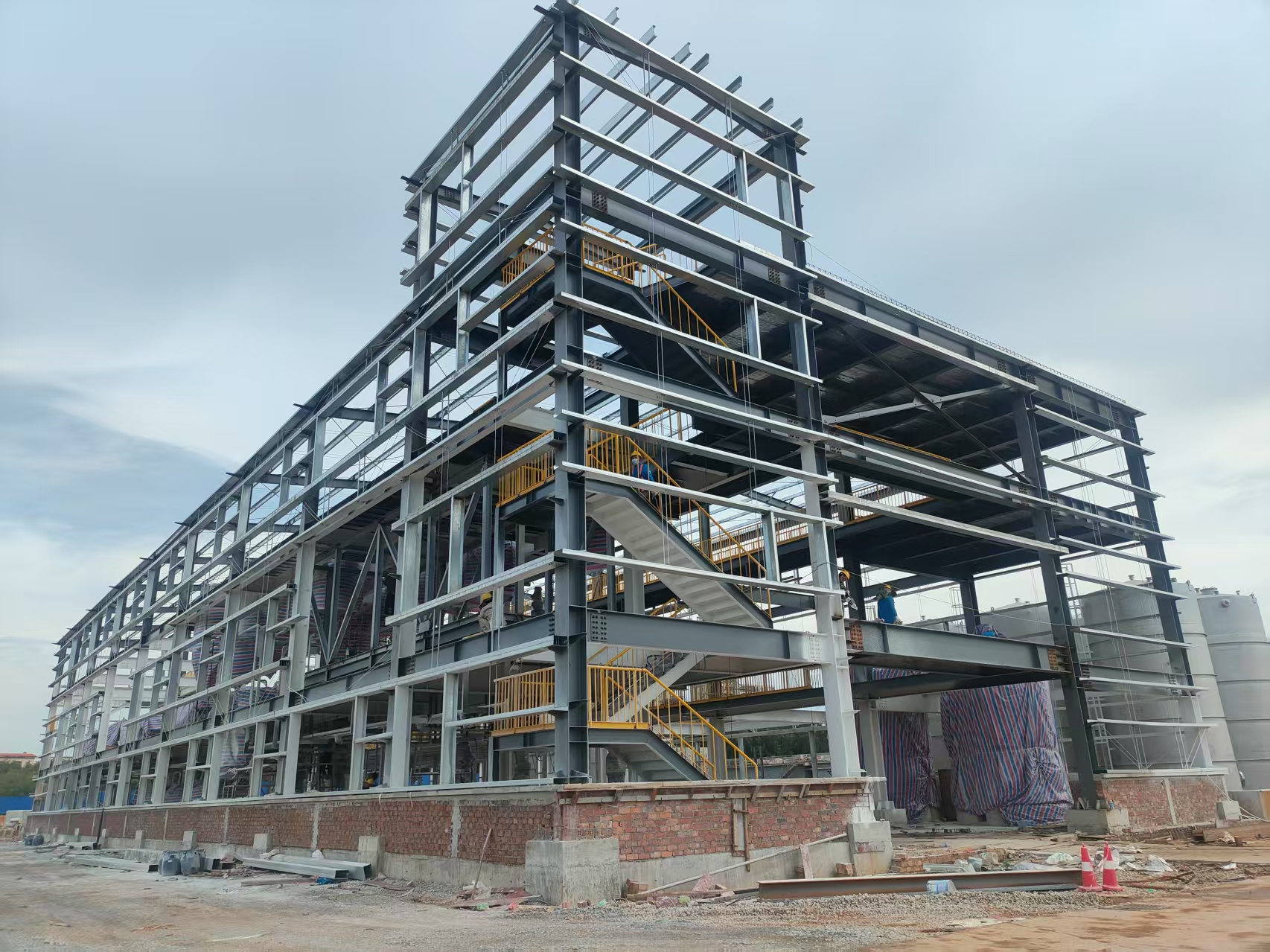
Before putting money into a prefabricated steel buildings company, dig into where their steel actually comes from. A supplier might claim domestic sourcing, but the reality could involve imported coils with inconsistent metallurgy or thinner gauges that compromise structural integrity. Ask for mill certificates and traceability documents—don't settle for vague assurances. Walk through a completed project in person, not just a showroom or photo gallery. Look for uneven panel alignment, rust at connection points, or sloppy weld finishes; these tell you more about daily workmanship than any brochure. Also, ignore the headline price. Hidden costs like concrete foundation requirements, crane rental, insulation upgrades, and permit engineering fees can balloon the final bill by 30% or more. Get a line-item breakdown before signing anything.
Delivery dates matter as much as the building itself. Put specific ship dates and penalty clauses for late arrivals in writing—without that, you're just hoping. Once the sale closes, test their responsiveness: send a technical question about anchor bolt patterns or roof snow load and see how long they take to reply with a real answer. A company that goes quiet after deposit is a red flag. Finally, compare their customization options against your actual site conditions. Steep roof pitches, eave heights, door placements, and local wind codes aren't one-size-fits-all. If their design tool feels rigid or they push a stock model instead of adapting to your slope or clearance needs, walk away. The right prefab steel partner treats your project as a unique build, not a warehouse template.
Contact Us
Contact Person: Quanhui Nian
Email: [email protected]
Tel/WhatsApp: 8618070545691
Website: https://www.getoglobal.com/