

Organic Fertilizer Supplier: Elevate Your Soil Health Naturally
2026-08-09
Healthy soil is the foundation of any thriving garden or farm, but modern agricultural practices often strip it of essential nutrients. That’s where Tundrr comes in—a trusted organic fertilizer supplier dedicated to rejuvenating your land the natural way. In this article, we’ll explore how their meticulously crafted products not only boost soil vitality but also create a sustainable ecosystem beneath your feet.
Nourish Your Soil the Way Nature Intended
In a thriving forest, nobody tills the earth or sprinkles synthetic fertilizers. Fallen leaves, broken branches, and animal waste pile up into a moist blanket that fungi, bacteria, and insects slowly break down. This living carpet releases nutrients in perfect timing, builds soft crumbly structure, and feeds a hidden web of life that roots depend on. Replicating that quiet cycle—rather than fighting it—is the surest way to build soil that holds water, breathes deep, and grows resilient plants year after year.
Start by giving up the clean, bare beds. Let plant trimmings, straw, or shredded bark carpet the surface, mimicking that forest floor. Roots thrive in the cool, dark, constantly decaying layer, and you’ll stop scrubbing away the very materials your soil craves. Instead of turning everything over, create permanent planting spaces where earthworms and fungal threads can weave undisturbed networks. When you add organic matter, gently tuck it into the top inch or two—no deep digging required. Spreading a variety of compost, worm castings, and leaf mold feeds different organisms, gradually turning tired dirt into fragrant, sponge-like humus.
Plants begin to do much of the work for you once the system clicks. Their roots pump sugars down to soil microbes in exchange for minerals; dying roots become channels for air and water. Legumes draw nitrogen from the air, deep-rooted daikon or comfrey mine nutrients from the subsoil, and dynamic accumulators store them in leaves that later rot back into the surface. Cover crops blanket the ground during off-seasons, shielding it from sun and rain while injecting organic bulk. The result is a self-renewing cycle that costs less, demands lighter work, and turns your garden into a patch of living earth rather than a battleground against its own nature.
The Secret to Thriving Gardens Lies Beneath the Surface
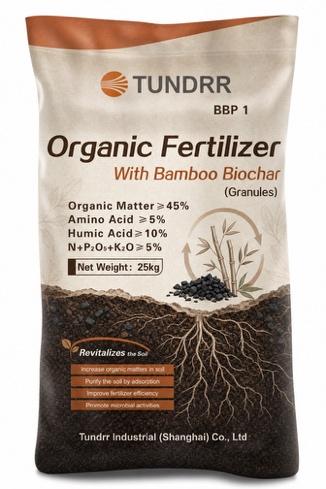
Most gardeners spend their energy on what they can see—pruning branches, watering leaves, and chasing pests. But the real magic happens in the dark, quiet world underfoot. Healthy soil is a living, breathing ecosystem, packed with microorganisms that break down organic matter, unlock nutrients, and even protect roots from disease. When you focus on feeding the soil instead of just the plants, you tap into a self-sustaining cycle where earthworms aerate the ground, fungi shuttle water and minerals, and beneficial bacteria wage underground wars against pathogens—all without you lifting a finger.
The difference between a struggling garden and one that bursts with life often isn't fertilizer or fancy tools. It’s the invisible architecture of the soil: its structure, organic content, and biological diversity. Compacted, lifeless dirt repels water and starves roots, while loose, crumbly soil rich in humus acts like a sponge, holding moisture and air in perfect balance. Adding compost, vermicompost, or well-rotted manure does more than add nutrients—it introduces a universe of microbes that transform sterile ground into a thriving foundation. Over time, these organisms create soil aggregates, tiny clumps that resist erosion and give roots room to roam.
Listening to the soil changes everything. Instead of digging on autopilot, try a simple jar test to understand your soil’s texture, or poke a moisture meter deep down before watering. You’ll start to notice how the ground responds to mulch, how earthworm numbers increase where you’ve stopped tilling, and how different plants—like deep-rooted daikon radish or nitrogen-fixing clover—can actually repair damaged soil from within. Success isn’t just about what you grow; it’s about who you grow it with, and the billions of hidden allies below are the most reliable partners a gardener can have.
From Our Farm to Your Fields: Pure Organic Matter
What goes into the soil eventually finds its way back to us. That's why we treat every handful of our organic matter as a living bridge between healthy earth and healthy food. It's not just decomposed plants and animal residues—it’s decades of farming wisdom, captured in a rich, dark humus that smells like the woods after rain. We let nature do the heavy lifting: no chemical accelerators, no short-cuts. Just carefully layered green waste, manure, and crop leftovers, turned and cured on our own farm until it crumbles perfectly between your fingers.
When it leaves our gates, it’s ready to wake up your soil. Spread it over tired vegetable beds, work it into compacted clay, or use it to top-dress perennials. You’ll see the difference before the season ends: earthworms moving back in, moisture sticking around longer, and seedlings pushing through with sturdier stems. We don't just ship you a product—we share the same microbial life that powers our own fields, because we believe fertility shouldn't be a bought commodity. It should be a cycle, and our farm is simply a stop along the way.
Every batch is a little different, because nature doesn’t do standardization. That’s the point. You’re not getting a factory output; you’re getting a snapshot of our land’s natural rhythms. Whether you’re reviving a city garden or managing acres of row crops, this is organic matter that still remembers its roots. And when you open that first bag, you’ll know—it’s not just soil. It’s the beginning of something better.
See the Difference Healthy Soil Makes in Your Crops
Walking through a field with vibrant, thriving plants is a direct reflection of what lies beneath. Healthy soil isn’t just dirt—it’s a living system that fuels stronger roots, better water retention, and a natural resilience against pests and disease. When soil biology is balanced, crops access nutrients more efficiently, leading to steady growth without the constant need for synthetic inputs. It’s the kind of difference you can see in uniform stands and deep green leaves, and feel in the crumbly, earthy texture underfoot.
The benefits extend beyond the visible. Underground, networks of fungi and bacteria work in symbiosis with plant roots, essentially extending the root system and unlocking minerals that would otherwise stay bound in the soil. This partnership increases drought tolerance because the soil holds moisture like a sponge, releasing it slowly over time. Farmers who prioritize soil health often notice that their crops maintain vigor through hot spells that used to cause wilting, and heavy rains no longer wash away precious topsoil. Instead, water infiltrates deeply, recharging groundwater and keeping nutrients in place.
Over seasons, the cumulative effect transforms a farm. Compacted layers break up, earthworm populations surge, and organic matter builds to levels that seemed out of reach. Crops become more than just a harvest—they become a testament to a regenerative cycle. The payoff is in the yields that hold steady when others dip, in the reduced need for fertilizer adjustments, and in the quiet confidence that the land is getting better with each planting. It’s a shift from treating symptoms to fostering genuine fertility, and the proof is right there in the field, season after season.
Custom Blends That Match Your Land’s Unique Needs
No two plots of land are exactly alike—soil makeup shifts from acre to acre, drainage patterns wander, and what flourishes in one corner might barely survive in another. That’s why off-the-shelf blends often fall short. Custom formulations start with a deep look at your ground’s pH, texture, organic matter, and even the subtle way morning fog settles in low spots. Instead of forcing a standard mix to adapt, we let the land lead the recipe.
A tailored blend doesn’t just slap together a few popular ingredients. It might mean tweaking the legume-to-grass ratio for a pasture that gets heavy spring runoff, or dialing back certain micronutrients in a field that already tests high in zinc. Sometimes the fix is as granular as adjusting seed coating thickness for rugged terrain, or swapping in a slower-release nitrogen source for sandy zones that usually burn through nutrition by July. These aren’t random tweaks—they’re calculated responses to the quirks your acreage has shown over time.
The outcome feels almost old-fashioned: stronger roots, better drought tolerance, and less need to keep piling on inputs just to keep up. Land that’s fed and seeded according to its own rhythm doesn’t just look healthier—it works with you, not against you. And the best part? A blend that truly fits doesn’t need to be reinvented year after year. Small seasonal refinements replace wholesale overhauls, and that builds a kind of quiet resilience that mass-produced mixes can’t mimic.
Join Farmers Who’ve Switched to Sustainable Growth
Farmers around the world are discovering that sustainable growth isn't just a trend—it's a practical way to improve yields, cut costs, and build healthier soil. Those who’ve made the switch often talk about the immediate relief of reducing chemical inputs and the long-term satisfaction of seeing their land come back to life. It’s not a one-size-fits-all approach, but a flexible set of practices that adapt to each farm’s unique needs, from cover cropping and crop rotation to integrated pest management.
The stories from these farmers are remarkably grounded. A grain farmer might share how switching to no-till methods saved on fuel and labor while keeping moisture in the ground during a dry season. A vegetable grower could point to diverse plantings that attracted beneficial insects, naturally keeping pests in check. Over time, they notice something deeper: the soil structure improves, water infiltration gets better, and even the flavor of the produce seems richer. These aren't just anecdotes; they're backed by real numbers on reduced erosion and increased organic matter.
What often surprises newcomers is the sense of community that comes with this choice. Farmers who’ve transitioned to sustainable methods tend to form tight-knit networks, sharing tips on everything from compost recipes to market opportunities. They’re not just growing crops; they’re cultivating resilience. Their experience shows that moving away from conventional shortcuts doesn’t mean sacrificing profitability—it means building a farm that can thrive for generations, not just seasons.
FAQ
Unlike synthetics that feed plants directly, organic fertilizers nurture the soil's living ecosystem. They improve structure, moisture retention, and microbial activity, creating a self-sustaining environment where plants thrive naturally without chemical dependency.
Look for transparency in ingredients and certifications like OMRI or NOP. A reliable supplier won’t hide behind vague 'organic' labels—they'll list what's inside (composted manure, bone meal, kelp) and explain how each component benefits soil biology.
Not at all. Most organic products apply just like conventional ones—spread pellets, mix into soil, or brew compost tea. The only shift is mindset: you're feeding the soil, not just the plant. Once established, the system often reduces labor because healthier soil needs fewer interventions.
Visible improvements often appear within weeks: earthworms return, soil darkens and crumbles easily, plants show even growth. Long-term, yields and resilience rise. But it's a progressive process—think of it as rebuilding foundational health rather than a quick fix.
Properly composted and processed organic fertilizers should smell earthy, not foul. Any initial odor dissipates quickly after application. As for pests, when soil biology balances, natural predators keep problems in check; poorly made synthetics are more likely to disrupt this balance.
They're scalable. Many commercial farms now integrate organic fertility programs—using green manures, rock dusts, and microbial inoculants—to cut costs and improve drought tolerance. Suppliers often offer bulk options and custom blends for acreage.
The best ones act as partners: they test your soil, recommend rotations, provide application guides, and educate on soil food web principles. They care about your long-term success, not just a sale, because regenerative outcomes speak for themselves.
Conclusion
Building thriving, productive land starts with what you put into it. Instead of relying on quick fixes that deplete the earth over time, more growers are turning to a natural approach—feeding the soil the way it was meant to be nourished. By choosing an organic fertilizer supplier who understands the delicate dance beneath the surface, you unlock a world where roots run deep and microbial life teems, creating a foundation that supports every plant from the ground up. This isn't just about adding nutrients; it's about reviving the entire ecosystem below your feet so your crops can truly flourish season after season.
What sets apart a truly effective organic program is the commitment to quality and customization. From carefully sourced raw materials on our own farm to tailored blends that match your land’s specific texture and needs, every batch is made to work in harmony with your soil's unique profile. The result is visible: healthier stands, better resilience against stress, and a vitality you can see in every row. Farmers and gardeners who have made the switch notice the difference not just in their yields but in the long-term sustainability of their land. It's an investment in the future, where nature's own blueprint becomes the secret to robust growth and lasting soil health.
Contact Us
Contact Person: Ellen Zhang
Email: [email protected]
Tel/WhatsApp: +86(21) 2287 6756
Website: https://www.tundrr.com/en/