

Optimizing Your Factory's Feeding System for Peak Performance
2026-04-20
Is your factory's feeding system running at its absolute best? Many manufacturers overlook this critical component, yet a well-optimized feeding system can dramatically boost efficiency, reduce waste, and supercharge overall performance. In today's competitive landscape, every operational detail counts. That's why we're diving deep into practical strategies to fine-tune your setup—from precision timing and material flow to smart automation integrations. Whether you're dealing with bottlenecks or simply aiming for peak productivity, these insights will help you transform a routine process into a powerhouse. At Fanchang Machinery, we've seen firsthand how targeted optimizations unlock game-changing results. Ready to elevate your factory's performance? Let's get started.
Enhancing Ingredient Flow for Efficiency
At the heart of many manufacturing and processing operations lies the intricate dance of ingredients moving from storage through production lines. To boost efficiency, it's crucial to look beyond basic logistics and consider how each component interacts within the system. For instance, in a food production facility, streamlining this flow might involve real-time tracking of perishables to reduce spoilage or optimizing batch sizes to cut down on idle time between runs. By focusing on these nuanced aspects, businesses can not only speed up processes but also enhance quality control and reduce waste—turning what was once a mundane task into a strategic advantage.
One innovative approach involves leveraging smart technology to create a more responsive ingredient network. Imagine sensors that monitor stock levels and automatically trigger replenishment orders, or predictive analytics that forecast demand fluctuations to adjust procurement schedules. This isn't just about automation; it's about building a seamless ecosystem where ingredients flow like a well-rehearsed symphony. Companies that adopt such systems often see significant cost savings and agility, enabling them to adapt quickly to market changes without sacrificing consistency in their final products.
To truly stand out, consider integrating sustainability into the flow optimization. For example, sourcing ingredients locally can shorten supply chains, reducing carbon footprints and transportation delays simultaneously. Pair this with lean inventory methods, like just-in-time delivery, to minimize excess stock and free up capital. By blending efficiency with eco-conscious practices, organizations not only improve their bottom line but also appeal to increasingly value-driven consumers, setting themselves apart in competitive industries.
Tracking Raw Material Usage with Live Data
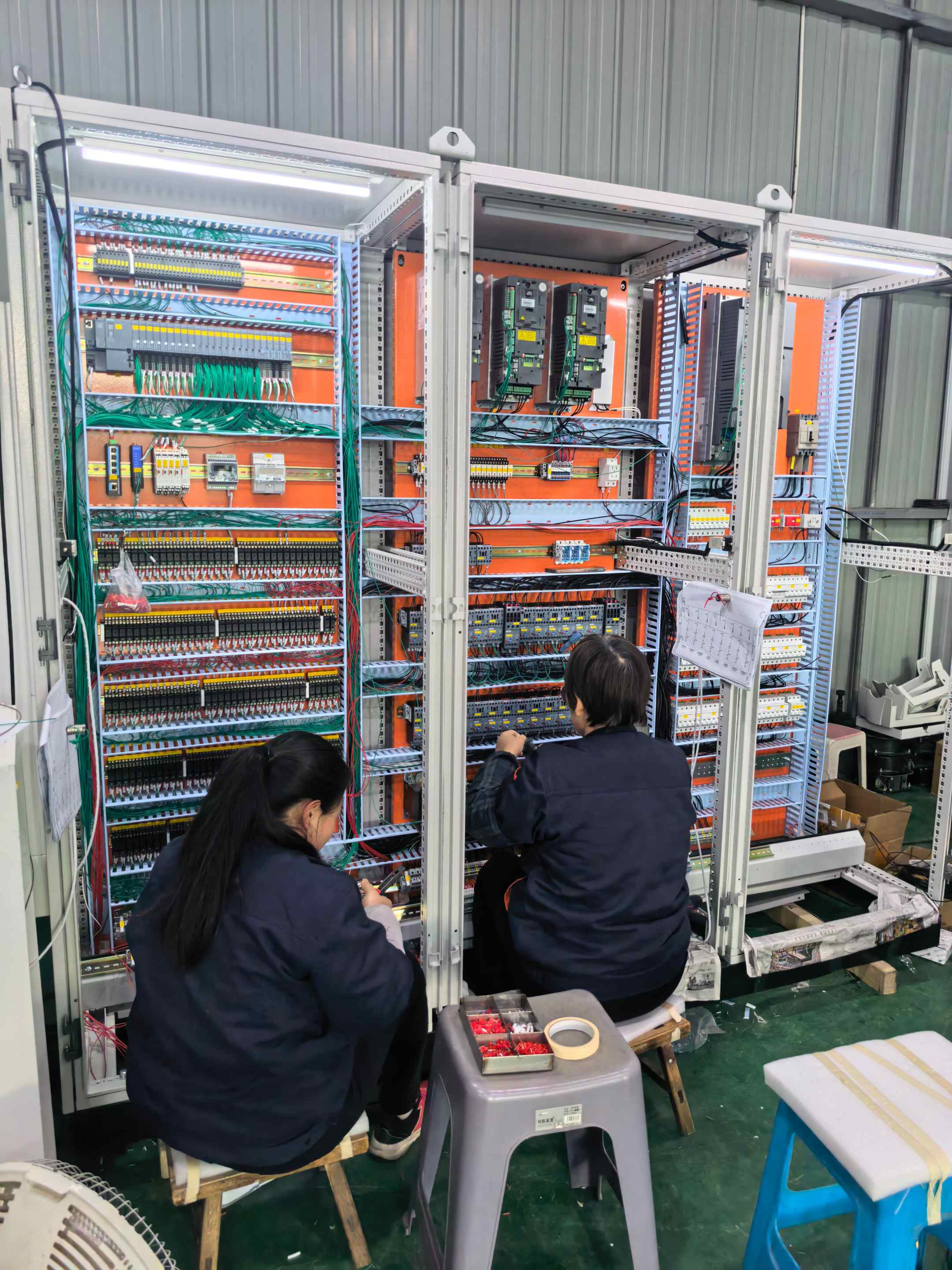
Imagine you're working in a busy factory where materials are constantly moving between storage areas and production lines. Instead of relying on outdated weekly reports or manual checks, you can now track every kilogram of raw material as it's consumed, right down to the second. This live data approach transforms how you manage inventory, giving you a real-time view of usage patterns and helping you spot trends before they become problems. It's like having a live feed of your factory's material flow, making it easier to adjust orders on the fly and avoid costly shortages.
By integrating live data tracking into your operations, you gain the ability to monitor raw material usage across different shifts, machines, or product batches with pinpoint accuracy. This isn't just about numbers; it's about understanding the story behind each drop in inventory. For instance, if a particular machine suddenly starts using more material than usual, you can quickly investigate whether it's a fault, a change in process, or something else. This proactive insight helps reduce waste and optimize production, turning raw data into actionable intelligence that drives efficiency.
The real magic happens when you combine this live tracking with predictive analytics, allowing you to forecast future material needs based on current usage rates. Instead of guessing or setting arbitrary safety stocks, you can rely on data-driven projections to ensure you always have the right materials on hand. This not only smooths out production schedules but also strengthens supplier relationships by providing them with accurate, timely information. Ultimately, tracking raw material usage with live data moves you from a reactive to a strategic position, where every decision is backed by up-to-the-minute facts.
Designing a Smart Warehouse Layout
When designing a smart warehouse layout, the process involves a strategic blend of technology and spatial planning to maximize efficiency. Key considerations include integrating IoT sensors and RFID systems to monitor inventory in real-time, which helps streamline operations. By leveraging automation, such as automated guided vehicles (AGVs) and robotic pickers, businesses can reduce manual labor and minimize errors, creating a more responsive environment.
A smart layout should prioritize flexibility to adapt to changing inventory needs. This often means designing modular storage solutions and using AI-driven analytics to predict demand patterns. For instance, dynamic slotting systems can automatically rearrange stored items based on sales data, ensuring high-demand products are easily accessible and reducing travel time for workers.
Finally, integrating sustainable practices into the design is crucial for modern warehouses. This includes using energy-efficient lighting and climate control systems powered by data insights. By focusing on scalable and eco-friendly elements, a smart warehouse can balance operational excellence with environmental responsibility, setting it apart in a competitive market.
Integrating Feeding with Production Cycles
When we talk about integrating feeding into production cycles, it's all about creating a seamless flow where animal nutrition directly supports operational goals. Picture this: instead of treating feeding as a separate task, farms align feed schedules with key production milestones like growth phases or birthing seasons. This approach ensures animals receive the right nutrients at the right times, boosting health and output without extra fuss. It's like fine-tuning an engine—every part works in harmony to drive efficiency forward.
What sets this strategy apart is its emphasis on adaptability and real-world results. By syncing feeding with cycles, farms can cut waste, reduce costs, and improve product quality, all while keeping things simple and manageable. This isn't just theory; it's a practical shift that makes daily operations smoother and more responsive to changing needs.
In practice, this integration might involve customizing feed blends based on seasonal demands or adjusting portions as animals progress through their life stages. The goal is to create a dynamic system that evolves with the farm, fostering sustainability and better outcomes overall. It's about working smarter, not harder, to achieve lasting benefits in agricultural settings.
Using Data to Reduce Waste in Logistics
In the logistics industry, waste can take many forms, from excess inventory and inefficient routes to damaged goods and unnecessary packaging. By leveraging data analytics, companies can pinpoint these inefficiencies directly. For instance, predictive models analyze shipment patterns to forecast demand more accurately, helping businesses stock just the right amount of inventory. This reduces overproduction and storage costs, cutting down on physical waste and energy use.
Beyond inventory, data plays a crucial role in optimizing transportation. Advanced systems process real-time traffic and weather data to suggest the most efficient routes, minimizing fuel consumption and emissions. By using machine learning algorithms, logistics providers can continuously refine these routes, adapting to changing conditions and reducing the environmental impact of transport operations.
Moreover, data-driven insights extend to packaging and material use. Analytics can assess how packaging performs during shipping, identifying weaknesses that lead to wasted materials. Companies can then redesign packaging to be more durable and sustainable, reducing both costs and waste. This holistic approach, fueled by data, not only boosts efficiency but also aligns logistics practices with broader sustainability goals.
Simplifying Maintenance of Feeding Equipment
Let's face it: cleaning and maintaining feeding equipment can often feel like a chore that interrupts your workflow. By focusing on designs that minimize nooks and crannies, manufacturers can drastically cut down the time spent on scrubbing and sanitizing. Imagine equipment with smooth, rounded surfaces and quick-disconnect parts that allow for effortless dismantling and reassembly. This not only saves labor but also reduces the risk of contamination, ensuring your operations run smoothly without unexpected downtime.
Innovations in material science are also playing a pivotal role. Stainless steel, long a staple, is now being enhanced with non-stick coatings or antimicrobial properties that resist buildup and bacterial growth. Coupled with smart sensors that alert you to maintenance needs before issues escalate, these advancements turn reactive upkeep into proactive management. It's about staying ahead of the curve, so you can allocate resources more efficiently and keep your focus on productivity rather than repairs.
Ultimately, simplifying maintenance isn't just about making tasks easier—it's about creating a sustainable system that enhances reliability and longevity. By integrating user-friendly features and cutting-edge technology, modern feeding equipment can transform routine care from a burden into a seamless part of your daily routine, empowering teams to achieve more with less effort.
FAQ
It involves analyzing material flow, automating processes, and balancing supply to reduce bottlenecks and boost efficiency.
Peak performance ensures consistent production, minimizes waste, and enhances overall operational reliability and cost-effectiveness.
Automation reduces manual errors, accelerates material handling, and allows for real-time monitoring and adjustments.
Common challenges include equipment downtime, supply chain disruptions, and inefficient material distribution leading to delays.
Tools like IoT sensors, data analytics software, and predictive maintenance systems aid in tracking and enhancing performance.
It increases throughput, reduces idle time, and supports smoother operations, directly boosting productivity and profitability.
Start by conducting an audit of current processes, identifying key bottlenecks, and implementing phased upgrades with stakeholder input.
Yes, minor adjustments such as reorganizing workflow or upgrading minor components can greatly enhance efficiency and reduce costs over time.
Conclusion
Optimizing a factory's feeding system involves integrating multiple strategies to achieve seamless operations and maximum efficiency. Enhancing ingredient flow is crucial, as it ensures materials move smoothly through production lines, minimizing bottlenecks and delays. By designing a smart warehouse layout, factories can reduce travel times and improve accessibility, allowing workers to retrieve raw materials quickly and accurately. Integrating feeding with production cycles further synchronizes material supply with manufacturing demands, preventing overstocking or shortages that disrupt workflow. These coordinated approaches create a foundation for a responsive and agile system that adapts to changing needs while maintaining consistent performance.
Leveraging data plays a pivotal role in refining feeding systems for peak performance. Tracking raw material usage with live data provides real-time insights into consumption patterns, enabling better inventory management and proactive decision-making. Using this data to reduce waste in logistics helps optimize transportation routes and storage methods, cutting costs and environmental impact. Additionally, simplifying maintenance of feeding equipment ensures reliability and minimizes downtime, as regular upkeep and easy-to-access components prevent unexpected breakdowns. By combining strategic design with data-driven adjustments, factories can build a robust feeding system that enhances productivity, reduces inefficiencies, and drives sustainable growth in competitive industrial environments.
Contact Us
Contact Person: Darye WANG
Email: [email protected]
Tel/WhatsApp: 86-13501017897
Website: https://www.fcntd.com/