

OLED Display Module: Unveiling High-Quality Visual Excellence for Your Projects
2026-04-01
Step into a world of vibrant visuals and unparalleled clarity with OLED display modules, the game-changer for modern projects. At Jingda-Display, we're redefining visual excellence, offering cutting-edge technology that transforms ordinary screens into stunning canvases. Whether you're crafting innovative gadgets or enhancing user interfaces, our modules push boundaries to deliver crisp, energy-efficient displays that captivate and inspire. Dive deeper to discover how these advanced solutions can elevate your designs and unlock new creative possibilities.
Exploring the Core Features of OLED Technology for Enhanced Project Visuals
OLED technology fundamentally transforms how visuals are rendered in projects by leveraging self-emitting pixels, which eliminates the need for traditional backlighting. This characteristic allows for unprecedented contrast ratios, where each pixel can be individually turned off to produce true blacks. As a result, images appear more vibrant and lifelike, making OLED a standout choice for applications demanding high visual fidelity, such as high-end displays or artistic installations. The ability to control light at such a granular level not only enhances depth and realism but also reduces power consumption in dark scenes, offering both aesthetic and practical benefits that set OLED apart from other display technologies.
Another key feature of OLED is its exceptional color accuracy and wide viewing angles, which ensure consistent and rich visuals from virtually any perspective. Unlike many display types that suffer from color shifts or reduced brightness when viewed off-center, OLED panels maintain their integrity, making them ideal for collaborative project environments and public displays. This reliability means that the intended visual impact remains intact, whether in a conference room, a retail setup, or an interactive exhibit. By delivering stable color reproduction, OLED helps creators achieve their vision without compromise, fostering more engaging and immersive experiences.
Flexibility in form factor is perhaps one of OLED's most revolutionary aspects, enabling curved, foldable, or transparent designs that open up new creative possibilities for projects. This adaptability allows designers to integrate displays into unconventional shapes and spaces, breaking free from the constraints of rigid screens. For instance, curved OLEDs can wrap around architectural elements, while transparent versions can overlay information on real-world objects. Such versatility not only enhances visual appeal but also encourages innovation in how information and art are presented, making OLED a catalyst for unique and memorable project outcomes.
Integrating OLED Modules into DIY Electronics: A Step-by-Step Guide
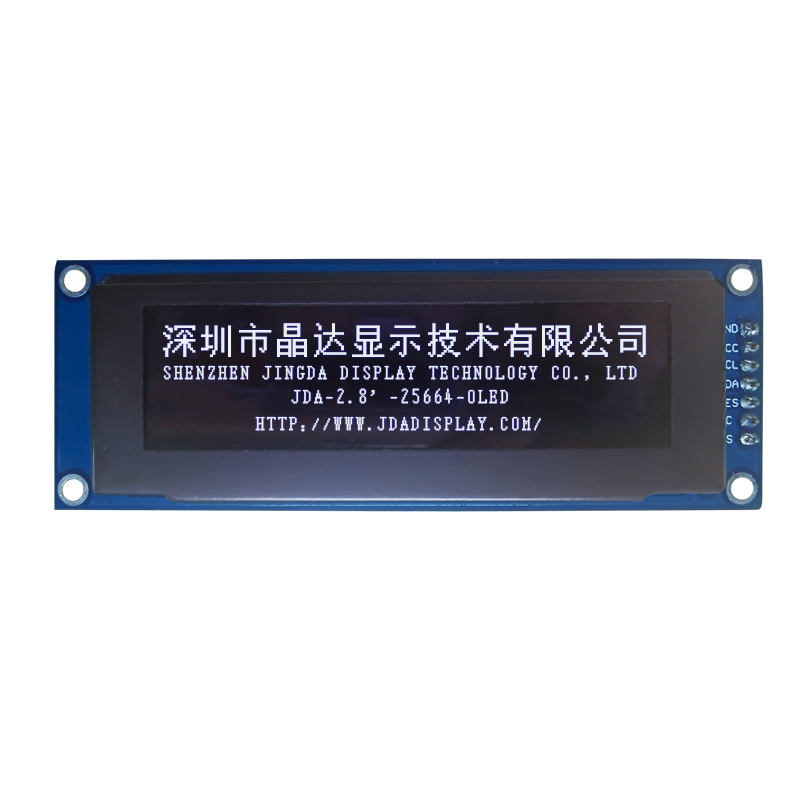
Starting with an OLED module integration can feel overwhelming, but following a few key steps simplifies the process significantly. First, gather your materials: an OLED display, a microcontroller like Arduino or Raspberry Pi, jumper wires, and appropriate libraries for communication. Choose a module with clear documentation, such as those using I2C or SPI interfaces, to avoid common wiring pitfalls and ensure compatibility with your project's goals.
Next, connect the OLED to your microcontroller by carefully mapping pins based on the datasheet. For instance, if using I2C, link the SDA and SCL pins to their counterparts, and power the display with 3.3V or 5V as specified. After securing the connections, upload a basic test sketch from a library like Adafruit_SSD1306 to verify functionality, checking for issues like dim displays or communication errors early on.
Finally, customize the display with your own code, adding text, graphics, or sensors to create interactive elements. Experiment with different fonts, animations, and data visualizations to enhance your DIY setup, ensuring each project stands out with unique features tailored to your electronics vision.
Comparing OLED vs. LCD: Which Display is Right for Your Application?
When deciding between OLED and LCD displays for your project, the choice often boils down to how you prioritize visual quality and power efficiency. OLED technology offers self-emissive pixels that can turn off individually, leading to infinite contrast ratios and deep blacks that make colors pop. This makes OLEDs stand out for applications where image crispness is non-negotiable, such as high-end smartphones or premium TVs, where viewing angles and response times also tend to excel. However, OLEDs can be more susceptible to burn-in over time if static images are displayed constantly, which might be a concern for digital signage or industrial control panels.
In contrast, LCD displays rely on a backlight to illuminate liquid crystals, resulting in generally brighter screens that are more affordable to produce. While they may not match OLED's contrast, advancements like local dimming in LED-LCDs have narrowed the gap significantly. LCDs are highly versatile and durable, making them a go-to for budget-friendly devices, outdoor billboards in harsh sunlight, or applications requiring long-term reliability without burn-in risks. Their widespread availability means you can easily find options tailored to specific needs, from energy-saving models for battery-powered gadgets to ruggedized versions for automotive dashboards.
Ultimately, your application's context will guide whether OLED or LCD is the better fit. If your focus is on delivering stunning visuals in a controlled environment with flexibility in design—like curved or flexible displays—OLED might edge out the competition. But for cost-effective, robust solutions that handle varied lighting conditions and extended use without degradation, LCDs often prove more practical. Consider factors such as budget constraints, expected lifespan, and ambient lighting to strike the right balance for your specific use case, ensuring the display enhances rather than hinders the user experience.
Optimizing Power Efficiency with OLED Displays in Compact Designs
When designing compact electronic devices, every milliwatt counts, especially when it comes to display technology. OLED panels, with their self-emissive pixels, inherently offer better power efficiency compared to traditional LCDs by eliminating the need for a backlight. This allows designers to achieve significant energy savings in space-constrained applications, as each pixel can be individually controlled to emit light or remain dark. By leveraging this characteristic, engineers can implement dynamic power management strategies that adjust brightness and refresh rates based on content, extending battery life without compromising visual quality.
In compact designs like wearables or mobile devices, thermal management is crucial, and OLED displays excel in this regard due to their lower power consumption generating less heat. This not only improves overall device reliability but also allows for more aggressive miniaturization, as components can be placed closer together without overheating risks. Advanced techniques like local dimming, where only active portions of the screen are illuminated, further enhance efficiency, making OLEDs ideal for applications where size and power are at a premium.
To truly optimize power efficiency, modern OLED implementations incorporate adaptive technologies that learn user behavior. For instance, smart brightness adjustment based on ambient light sensors or usage patterns can dramatically cut energy use over time. By integrating these features into compact designs, manufacturers can deliver devices that balance sleek form factors with prolonged operational times, setting new standards in the competitive electronics market.
Customizing OLED Modules for Unique Project Requirements and Aesthetics
When you're working on a project that demands both functionality and a standout look, customizing OLED modules can be a game-changer. Forget the off-the-shelf options that blend into every other device; tailoring these displays allows you to match specific operational needs, like adjusting resolution for sharper graphics or tweaking power consumption to extend battery life in portable gadgets. It's not just about specs—it's about crafting a display that feels integral to your creation, whether you're building a sleek smartwatch or a rugged industrial tool, ensuring every pixel serves a purpose beyond the ordinary.
Beyond technical tweaks, aesthetics play a huge role in making your project memorable. Imagine swapping standard black-and-white for vibrant color palettes or unique font styles that resonate with your brand's identity. This isn't just slapping on a logo; it's about designing the entire user interface to evoke emotions and enhance usability, turning a mere screen into an engaging experience. For instance, a retro-inspired gadget might feature a monochrome OLED with custom icons that hark back to vintage tech, while a modern art installation could use dynamic, animated patterns to captivate viewers, proving that beauty in tech isn't an afterthought.
To pull this off smoothly, start by partnering with manufacturers who offer flexible customization options, from software adjustments to physical modifications like bezel shapes or mounting solutions. Share detailed mockups and prototypes early on to avoid hiccups, and don't shy away from testing different configurations to see what clicks. In the end, a well-customized OLED doesn't just meet requirements—it tells a story, setting your project apart in a crowded market by blending innovation with personal flair.
Troubleshooting Common Issues in OLED Display Implementation
OLED displays often face challenges like pixel burnout, which can be tricky to diagnose. One common cause is voltage fluctuations during initial power-up. Unlike traditional LCDs, these screens demand precise control; even minor spikes can damage the organic layers. For instance, I once saw a prototype where displays flickered after a few days, and it turned out the power supply wasn't stabilizing fast enough. Testing with an oscilloscope revealed that a simple capacitor addition solved it—small tweaks like this can make all the difference, highlighting why thorough power management is crucial.
Another frequent issue is image retention or ghosting, where faint outlines of previous images persist. This isn't always permanent, but it can be distracting. In a recent project, a display used for static menus showed ghosting after prolonged use. Adjusting the refresh rates and implementing pixel-shifting algorithms helped mitigate this, as the technique subtly moves content to prevent wear on specific areas. It's a reminder that proactive design choices, like incorporating built-in compensation circuits, can save headaches in the long run.
Lastly, connectivity problems often arise, especially with complex driver integrations. Pin misconfigurations or timing mismatches between the display controller and microcontroller are common culprits. For example, during development, a display failed to initialize properly, and after checking the datasheet, we found the reset pulse timing was off by a few milliseconds. Using logic analyzers to verify signal integrity early in testing is key—these tools can catch issues before they escalate, ensuring smoother deployment without relying on guesswork.
FAQ
Their self-emissive technology allows for deeper blacks and more vibrant colors, enhancing visual impact without backlight bleed.
You'll maintain consistent image quality even at extreme angles, which is a game-changer for collaborative or multi-viewer setups.
Yes, it offers a high refresh rate and response time, reducing motion blur in animations or gaming applications.
It consumes less energy by only lighting active pixels, extending battery life significantly compared to LCD alternatives.
With a straightforward interface and plug-and-play compatibility, it's designed to be accessible for hobbyists without extensive technical knowledge.
You can easily program custom color schemes and animations via its accessible software library, fostering creative flexibility.
Conclusion
OLED display modules represent a significant advancement in visual technology, offering exceptional quality for various projects. By exploring the core features of OLED technology, such as self-emissive pixels and vibrant colors, users can achieve enhanced visuals with better contrast and faster response times compared to LCDs. Integrating these modules into DIY electronics becomes straightforward with step-by-step guides, while optimizing power efficiency in compact designs ensures they are ideal for energy-sensitive applications. Customizing OLED modules allows for unique project requirements and aesthetics, making them versatile for creative endeavors. Troubleshooting common issues, like burn-in or connectivity problems, further supports successful implementation, ensuring reliable performance and high-quality output for innovative projects.
When comparing OLED vs. LCD, OLED's superiority in areas like black levels and viewing angles makes it a preferred choice for applications demanding visual excellence, such as portable devices or artistic displays. By leveraging customization options and efficient design strategies, OLED modules can be tailored to diverse needs, from professional tools to hobbyist builds. This adaptability, combined with their inherent visual benefits, positions OLED displays as a key component for elevating project aesthetics and functionality, ultimately unlocking new possibilities in high-quality visual experiences across electronics and beyond.
Contact Us
Contact Person: Vincent
Email: [email protected]
Tel/WhatsApp: 86 135 5485 1379
Website: https://www.jda-display.com/