

OEM Wafer Butterfly Valve: Optimized Solutions for Efficient Fluid Control
2025-12-24
In the world of industrial fluid control, precision and reliability are non-negotiable. When it comes to managing the flow of liquids and gases in demanding environments, the DRIFCO OEM Water Butterfly Valve stands out as a game-changer. This innovative solution isn't just another valve—it's a carefully engineered component designed to optimize performance and enhance efficiency across various applications. From chemical processing plants to water treatment facilities, this valve ensures seamless operation with minimal downtime. But what makes it truly exceptional? Let's dive into how DRIFCO's tailored approach and advanced technology redefine fluid control, setting new standards for durability and ease of use. Get ready to explore the features and benefits that make this valve a must-have for industry professionals seeking smarter, more effective solutions.
Exploring the Core Advantages of OEM Wafer Butterfly Valves in Fluid Systems
OEM wafer butterfly valves offer a compelling solution for fluid systems where space is at a premium and efficiency is paramount. Their slim, lightweight design makes them ideal for applications where traditional valves might be too bulky or heavy, allowing for easier installation and maintenance in tight quarters. Unlike flanged valves, wafer valves are sandwiched between pipe flanges, reducing the overall footprint and often cutting down on both material and labor costs. This design not only saves space but also minimizes potential leak points, enhancing system reliability. When you opt for OEM versions, you get valves specifically tailored to integrate seamlessly with your equipment, ensuring optimal performance from the get-go.
Another standout advantage is their exceptional flow control and durability under varying conditions. With a simple 90-degree rotation from fully open to closed, wafer butterfly valves provide quick, precise throttling, which is crucial in processes requiring rapid adjustments. The disc design, often made from robust materials like stainless steel or engineered polymers, resists corrosion and wear, even in aggressive fluid environments. OEM variants are built to meet exacting standards, meaning they can handle high-pressure drops and temperature fluctuations without sacrificing longevity. This reliability translates to fewer downtime incidents and lower long-term maintenance expenses, giving your fluid systems a competitive edge.
Beyond performance, OEM wafer butterfly valves excel in versatility and customization, setting them apart from off-the-shelf options. Manufacturers can tailor these valves to specific applications, whether it's for water treatment, chemical processing, or HVAC systems, by adjusting features like seal materials, disc coatings, or actuation methods. This bespoke approach ensures a perfect fit for unique operational demands, boosting efficiency and safety. Plus, their compact nature makes them easy to automate with pneumatic or electric actuators, enabling smarter, more responsive control in modern industrial setups. By choosing OEM, you're not just buying a valve; you're investing in a solution that aligns precisely with your system's needs, driving innovation and sustainability in fluid management.
Innovative Design Features That Enhance Valve Performance and Durability
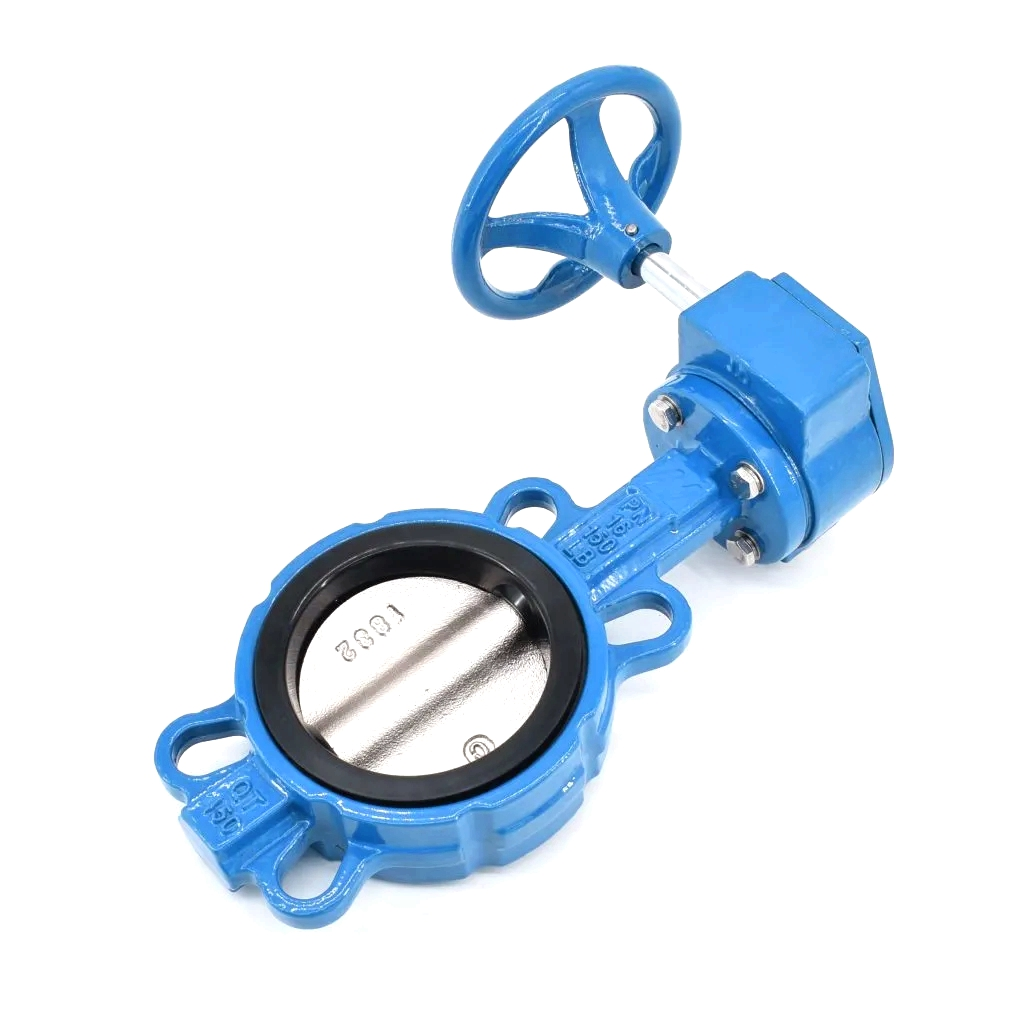
At the heart of modern fluid control systems, innovative valve design goes beyond mere functionality—it redefines reliability. For instance, advanced materials like corrosion-resistant alloys or composite polymers are now engineered into valve components, dramatically extending service life even in harsh environments such as chemical processing or offshore applications. These materials aren't just chosen for durability; they're tailored to resist wear, reduce friction, and minimize degradation over time, ensuring valves maintain peak performance with less frequent maintenance. This shift from traditional designs means that what once required regular replacements now operates seamlessly for years, cutting downtime and boosting overall system efficiency.
Another frontier in valve innovation lies in smart, integrated features that proactively enhance durability. Dynamic sealing technologies, for example, incorporate self-adjusting mechanisms that compensate for thermal expansion or pressure fluctuations, preventing leaks before they start. When paired with predictive analytics sensors embedded within the valve body, these designs can monitor real-time conditions like temperature, flow rates, and stress levels. Instead of waiting for signs of failure, operators receive alerts for potential issues, allowing for timely interventions that prevent catastrophic breakdowns. This fusion of mechanical ingenuity and digital oversight not only extends valve lifespan but also transforms maintenance from reactive to proactive, a leap forward in industrial reliability.
To stand out in a crowded market, some cutting-edge valves incorporate modular or adaptable designs that let users customize components based on specific operational needs. Imagine a valve where you can swap out seats, seals, or actuators without disassembling the entire unit—this modularity slashes installation and repair times while enhancing adaptability across diverse applications. Coupled with ergonomic enhancements like streamlined flow paths that reduce turbulence and cavitation, these designs minimize energy loss and mechanical stress. By focusing on user-centric flexibility and efficiency, such innovations not only outperform standard models but also offer a tailored solution that evolves with changing demands, making them a standout choice for industries prioritizing long-term value and resilience.
Real-World Applications: Where OEM Wafer Butterfly Valves Excel in Industry
In wastewater treatment plants, OEM wafer butterfly valves stand out for their ability to handle corrosive fluids and maintain reliable performance in harsh environments. These valves offer a compact and lightweight design, making installation and maintenance a breeze in tight spaces, while their bidirectional sealing capability ensures minimal leakage even under fluctuating pressures. Industries such as chemical processing and pharmaceuticals rely on them for precise flow control in applications where contamination must be avoided, thanks to their smooth disc movement and easy integration with various automation systems.
Beyond traditional sectors, these valves are increasingly used in renewable energy systems, such as in solar thermal plants, where they manage high-temperature water flows efficiently without compromising durability. Their versatility allows for quick adaptation to specific OEM specifications, enabling engineers to tailor them for unique industrial setups, from food and beverage production lines to HVAC systems in large commercial buildings. This adaptability helps reduce overall project costs and downtime, providing a competitive edge in fast-paced industrial environments.
Cost-Effectiveness and Energy Savings with Optimized Valve Solutions
In industrial and commercial settings, valves play a critical role in controlling fluid flow, but outdated or inefficient valve systems can drain resources and inflate operational costs. By implementing optimized valve solutions, businesses can achieve significant cost-effectiveness through reduced energy consumption and lower maintenance expenses. These upgrades not only cut down on utility bills but also extend equipment lifespan, making them a smart investment for long-term savings.
Optimized valves are designed with advanced materials and precision engineering to minimize leaks and pressure drops, directly translating into energy savings. For example, valves with improved sealing mechanisms reduce waste by preventing fluid loss, while smart valve technologies can adjust flow rates in real-time based on system demands. This adaptability ensures that energy is used only when needed, avoiding unnecessary power draw and enhancing overall efficiency in applications like HVAC, water treatment, and manufacturing processes.
Beyond direct energy reduction, the benefits of optimized valve solutions include enhanced system reliability and compliance with environmental regulations. By streamlining operations, companies can meet sustainability goals and reduce their carbon footprint, all while boosting profitability. In a competitive market, adopting these innovations set organizations apart, driving innovation and demonstrating a commitment to eco-friendly practices without compromising performance.
Customization Options for Tailored Fluid Control in OEM Partnerships
When it comes to OEM partnerships in fluid control, the ability to customize solutions is what truly sets successful collaborations apart. It's not just about offering standard valves or pumps; it's about co-creating systems that align perfectly with each partner's unique operational needs and brand identity. From tweaking materials for specific chemical compatibilities to adjusting flow rates for precise application demands, our approach revolves around a deep dive into your requirements, ensuring every component integrates flawlessly into your larger setup. This tailored strategy helps reduce downtime and enhances overall system efficiency, making the partnership more than just a supply chain relationship—it becomes a synergy of innovation.
In practice, customization might involve designing modular components that can be easily swapped or upgraded as technologies evolve, without requiring a complete overhaul. Imagine a fluid control system that adapts seamlessly to both high-pressure industrial environments and delicate laboratory settings, all thanks to customizable seals, actuators, and control interfaces. We work closely with OEM partners to prototype and test these variations, using real-world scenarios to fine-tune performance. This hands-on collaboration ensures that the end product not only meets specs but exceeds expectations, delivering reliability and flexibility that off-the-shelf solutions rarely achieve.
Beyond technical specs, customization extends to logistical aspects like packaging, labeling, and delivery schedules tailored to your production cycles. Whether you need just-in-time inventory management or specialized branding on components, these options streamline integration and bolster your market presence. By embracing such personalized fluid control solutions, OEM partnerships can foster long-term trust and innovation, turning customization into a competitive edge that drives mutual growth and customer satisfaction in an ever-evolving industry landscape.
Maintenance Tips and Long-Term Reliability of Wafer Butterfly Valves
Ensuring the long-term reliability of wafer butterfly valves starts with a proactive maintenance approach that goes beyond routine checks. Unlike many valves, these compact units thrive on consistent monitoring of the disc seating surface and body seal integrity, where minor wear can lead to significant leaks. Regular lubrication of the stem and actuator linkage is crucial, but don't overlook environmental factors—dust buildup or corrosive atmospheres can silently degrade performance. By adopting a tailored schedule that includes visual inspections, torque testing, and seal replacement before failures occur, you'll not only extend valve life but also reduce costly downtime in industrial systems.
What truly sets high-performing wafer butterfly valves apart is their adaptability to specific operational demands, which directly impacts longevity. For instance, in applications involving slurries or abrasive fluids, selecting hard-faced discs or resilient seat materials like EPDM or PTFE can dramatically cut maintenance frequency. Temperature fluctuations also play a role; valves used in cyclic heating and cooling benefit from periodic thermal expansion checks to prevent binding. Emphasize training for operators on proper throttling techniques, as abrupt movements can strain components. By integrating these nuanced practices and using condition-based monitoring tools, facilities can achieve a reliability edge that standard approaches often miss.
Beyond basic upkeep, long-term reliability hinges on strategic upgrades and documentation. Consider retrofits like positioners or smart sensors that provide real-time data on valve health, enabling predictive maintenance rather than reactive fixes. Keep detailed logs of each valve's service history, including any incidents or part replacements, to spot trends and optimize intervals. In harsh environments, periodic flush cleaning of the valve interior can prevent sediment accumulation that impairs function. Ultimately, treating these valves as integral to system efficiency—not just components—fosters a culture of care that pays off in decades of smooth, leak-free operation.
FAQ
An OEM wafer butterfly valve is a compact, lightweight valve designed for tight installation between flanges, ideal for space-constrained applications. Unlike standard valves that might require additional bolting or support, its wafer design reduces overall size and weight, making it easier to handle and install while maintaining robust fluid control capabilities.
These valves optimize fluid control by offering quick and precise operation with minimal pressure drop. Their streamlined disc design allows for smooth flow regulation, reducing energy consumption and improving system responsiveness, which is crucial for processes demanding high efficiency and reliability.
Common materials include stainless steel, carbon steel, and corrosion-resistant alloys like Hastelloy or titanium, depending on the application. These choices ensure long-term durability against harsh chemicals, high temperatures, and abrasive fluids, extending valve life and reducing maintenance needs.
They are widely used in water treatment, chemical processing, HVAC, and food and beverage industries. Their efficiency, compactness, and versatility make them suitable for handling various fluids, from water to corrosive substances, without compromising performance or safety.
Optimization involves customizing aspects like disc shape, seal materials, and actuation methods to match specific flow rates, pressure requirements, and environmental conditions. This tailoring ensures the valve integrates seamlessly into OEM systems, enhancing overall operational efficiency.
Regular inspections for wear, proper alignment during installation to prevent leakage, and using compatible gaskets are key. Minimal moving parts mean lower maintenance, but checking seals and lubricating stems periodically can prevent failures and extend service life.
Options like pneumatic, electric, or hydraulic actuators allow for remote control and automation, enabling precise flow adjustments and integration with monitoring systems. This boosts operational efficiency, reduces manual intervention, and supports smarter fluid management in industrial setups.
Consider valve size, pressure and temperature ratings, compatibility with the fluid, actuation needs, and industry standards. Evaluating these factors helps choose a valve that meets performance demands while ensuring safety and cost-effectiveness in the long run.
Conclusion
OEM wafer butterfly valves represent a sophisticated advancement in fluid control technology, designed to meet the diverse demands of modern industrial systems. These valves excel in providing efficient and reliable solutions by leveraging their compact wafer-style design, which allows for easy installation between flanges without requiring additional gaskets or nuts, reducing both space and material costs. The core advantages include superior shut-off capabilities, minimal pressure drop, and compatibility with a wide range of media, from water and chemicals to gases. Their innovative features, such as corrosion-resistant materials and precision-engineered discs, enhance performance and durability, ensuring long-term operation even in harsh environments. This makes them ideal for applications where efficiency and robustness are paramount, seamlessly integrating into fluid systems to optimize flow control and minimize energy losses.
In real-world settings, OEM wafer butterfly valves demonstrate exceptional versatility across industries like water treatment, HVAC, chemical processing, and food and beverage, where they manage fluid flow with precision and reliability. Their cost-effectiveness stems from reduced maintenance needs and energy savings, as optimized designs lower operational costs while maintaining high efficiency. For OEM partnerships, customization options allow valves to be tailored to specific requirements, such as size, material, or actuation methods, fostering collaborative solutions that address unique fluid control challenges. Additionally, simple maintenance tips, like regular inspections and proper lubrication, contribute to their long-term reliability, ensuring consistent performance. By combining durability, customization, and efficiency, these valves offer a comprehensive solution that stands out in the competitive landscape, delivering optimized fluid control tailored to industrial needs.
Contact Us
Contact Person: George
Email: [email protected]
Tel/WhatsApp: 13863633883
Website: https://www.es-fire.com