

OEM Oil Mist Collector Company Selection: A Practical Guide for Industrial Buyers
2026-05-06
Selecting the right OEM oil mist collector supplier isn’t just about specs—it’s about keeping your shop floor safe, compliant, and productive. Yet too many industrial buyers overlook key factors until it’s too late. In this guide, we cut through the noise, sharing practical selection criteria and why top-performing facilities are turning to manufacturers like WINNRUI CNC for solutions that actually deliver.
What truly separates a reliable OEM partner from the rest
Reliability in an OEM partner isn't defined by a single grand gesture—it's the accumulation of small, consistent actions. It's the supplier that catches a tolerance deviation before it becomes a production problem, the one that adjusts schedules proactively when raw material delays threaten your timeline, and the team that treats your urgent Friday-night request with the same rigor as a planned quarterly review. These partners don't just follow instructions; they internalize your goals and act as an extension of your own operations, making judgment calls that protect your brand as fiercely as you would.
Another clear differentiator is transparency. A truly dependable OEM doesn't hide behind contractual fine print or deflect blame when something goes sideways. Instead, they surface issues early, provide root cause analyses without hedging, and collaborate on solutions rather than delivering excuses. This candor builds a fabric of trust that transactional relationships simply can't match—and it often reveals itself in the details, like sharing cost breakdowns, walking you through their factory floor virtually without staging, or openly discussing their own supply chain vulnerabilities.
Beyond process and honesty, the best partners bring a layer of forward-thinking that turns them from vendors into strategic allies. They don't wait for you to request a design improvement; they proactively suggest modifications that could reduce cost, enhance durability, or simplify assembly. They keep an eye on emerging materials and technologies, and they flag regulatory changes in your target markets before they become obstacles. This kind of partnership isn't built on a single contract—it grows from a shared commitment to long-term success, where both sides learn, adapt, and evolve together.
Key manufacturing standards that signal long-term durability
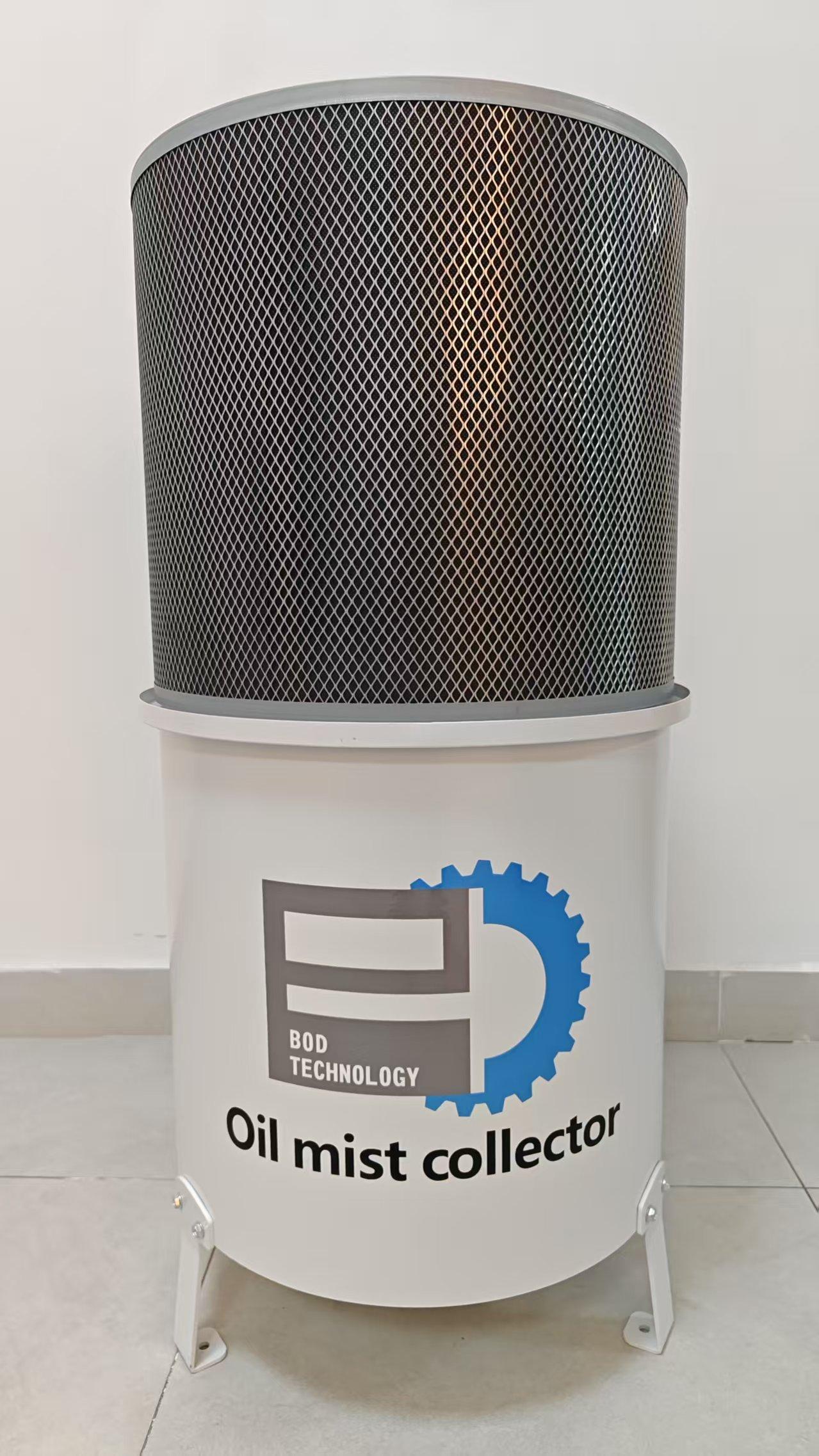
When a product is built to last, the details in its construction often tell the story. Look for evidence of precision machining, such as tight tolerances and smooth, burr-free edges on metal components. In welded structures, consistent bead patterns without undercutting or porosity indicate skilled workmanship and resistance to fatigue. For assemblies, a lack of excessive adhesive overflow or uneven gaps suggests careful assembly processes rather than rushed mass production.
Material certifications and testing protocols also reveal a commitment to longevity. Top manufacturers will openly specify the grade of stainless steel or aluminum alloy used, and whether it has passed salt spray or cyclic corrosion tests. In electronics, conformal coating on circuit boards—thin but uniform—protects against moisture and dust without adding bulk. Even the finish quality, like the absence of orange peel in powder coating or the depth of anodization, hints at how a product will withstand real-world abuse.
Beyond the visible, internal design choices matter. Components that are oversized or reinforced at stress points, rather than relying on the bare minimum of material, show that engineers anticipated hard use. Joinery methods like dovetailing, thread-locking inserts, or crimped rather than soldered electrical connections are low-key signs of durable intent. Finally, when a product’s design allows for eventual wear parts to be easily replaced—with standardized hardware and clear disassembly paths—it signals a belief in its own longevity rather than planned obsolescence.
How to evaluate filtration efficiency without relying on marketing claims
One reliable approach is to seek out independent laboratory reports that detail filtration performance under standardized conditions. Look for certifications like HEPA H13 or H14, which indicate at least 99.95% or 99.995% efficiency at the most penetrating particle size (typically 0.3 microns). If a brand shares actual test data with pressure drop and flow rate specifications, it’s a sign of transparency beyond mere claims.
Pay close attention to the particle size range used in testing. A filter that captures 99% of large dust particles might perform poorly against fine particulates such as allergens, smoke, or viruses. The true measure of effectiveness lies in how well it tackles the smallest contaminants, so always ask for data covering 0.1–0.5 micron particles, where most harmful pollutants reside.
You can also cross-check performance by looking at real-world usage parameters like clean air delivery rate (CADR) for air purifiers or pressure drop for HVAC filters. An efficient filter balances high capture efficiency with adequate airflow; if a filter is too restrictive, it could strain the system. Testing organizations like IEST or EN standards provide benchmarks that help you compare products objectively, sidestepping cherry-picked marketing figures.
Looking beyond upfront costs at total ownership expenses
A low sticker price can be tempting, but it rarely tells the full story. Operational costs like energy consumption, routine upkeep, and consumables often accumulate quietly over time, quietly reshaping that initial bargain into a burdensome long-term commitment.
Savvy buyers track the less obvious drains on their wallet: how frequently parts need replacing, the labor rates tied to maintenance, and the hidden penalties of downtime when equipment fails. These variables turn a seemingly affordable product into a resource hog.
Mapping the total expense over the expected lifespan reveals what the price tag hides. It shifts the conversation from a single transaction to a sustained value equation, where reliability and efficiency finally earn their place in the budget.
Customization capabilities that reflect real-world shop floor conditions
Every production environment has its own rhythm, and software that can't adapt to that quickly becomes a bottleneck. Instead of forcing teams into rigid workflows, the platform lets you model the actual layout of your shop floor—right down to the placement of individual workstations, material staging areas, and even maintenance zones. This isn't just about dragging icons onto a digital canvas; it's about mirroring the physical constraints and opportunities you deal with daily, from limited floor space to the path a forklift takes during peak hours.
What sets this apart is how effortlessly you can tweak these configurations as things change. When a new machine arrives or a cell gets reorganized, you don’t need to open a support ticket or wait for a developer. The rules engine lets operators and supervisors define their own routing logic, quality check triggers, and downtime categories without touching a line of code. One factory might need to pause a line automatically if a torque reading drifts, while another only cares about temperature fluctuations—both scenarios get handled through simple dropdowns and condition builders that speak the language of the factory floor, not IT.
The result is a system that genuinely feels like it was built for your specific operation, rather than a generic template that forces you to compromise. By reflecting real-world shop floor conditions, the platform captures nuance that top-down implementations always miss: informal handoff points between shifts, tribal knowledge about machine quirks, and the unspoken priorities that keep production humming. That level of fidelity means you’re not just digitizing processes—you’re amplifying what already works, while making it easier to improve what doesn’t.
Support and service structures that minimize production downtime
Effective support structures start long before a problem arises. By embedding predictive maintenance protocols and real-time monitoring systems into the production line, potential failures are caught early and addressed during planned pauses rather than causing unexpected halts. This shift from reactive to proactive service changes the entire dynamic—teams aren't rushing to fix what's broken; they're methodically ensuring it never breaks in the first place.
When intervention is needed, the right service structure makes all the difference. Having trained specialists who understand not just the equipment but the unique flow of your operation means diagnoses are faster and fixes are precise. Spare parts aren't some distant inventory item—they're strategically placed onsite or regionally, slashing the wait from days to hours. And every event becomes a learning opportunity: detailed post-incident reviews feed directly into updated procedures, tightening the loop so the same issue rarely strikes twice.
FAQ
Look beyond just the unit price. Focus on their engineering expertise, especially in your specific industrial environment, the durability of their filtration media, customization flexibility, and their track record for on-time delivery. Real-world references from similar operations matter more than glossy brochures.
Dig into their history with other clients who have comparable shop-floor conditions. Ask about failure rates, how they handle urgent spare parts, and whether they've ever had to redesign a unit due to performance issues. A factory visit can reveal a lot about their quality control and production consistency.
Get into specifics: What type of filtration stages do you use, and how do they handle sub-micron particles? Can the system maintain consistent pressure drop over time? How do you prevent oil pooling inside the collector? Also, inquire about filter life expectancy under real-world loads, not just lab conditions.
Standard off-the-shelf units rarely fit every shop layout or machine configuration. A good OEM should be able to adapt inlet/outlet positions, airflow volumes, and even integrate with existing extraction hoods. Without this, you might end up compromising on capture efficiency or wasting floor space.
Inspect the metal gauge, weld quality, and surface treatment for corrosion resistance. Check if internal components like filters and coalescers are sourced from reputable third parties or built in-house. Small details like gasket seals and access panel design often indicate whether the unit is built for long-term use or just for a quick sale.
A partner worth working with offers rapid remote diagnostics, a local stock of wear parts, and clear maintenance training for your team. They proactively schedule filter replacement reminders and can turn around emergency shipments within 24-48 hours. Avoid companies that vanish once the unit is installed.
Ask for third-party test reports, not just self-declarations. Look for certifications relevant to your region, such as OSHA guidelines for indoor air quality or ISO cleanroom standards if applicable. If they claim certain efficiency levels, they should provide data from independent labs like ASHRAE test facilities.
Lead times vary widely, from a few weeks for simple units to several months for complex custom builds. Consider how this aligns with your project timeline. A slightly longer lead time might be acceptable if the OEM offers a loaner unit or can stagger deliveries to minimize production downtime.
Conclusion
Selecting an OEM oil mist collector goes beyond spec sheets and polished brochures. The real differentiator often lies in whether a manufacturer can demonstrate consistent build quality through rigorous in-house testing and transparent material certifications. Rather than getting swayed by marketing claims about filtration efficiency, savvy buyers examine how a unit performs under their specific shop-floor conditions—checking for consistent airflow, pressure drop stability, and the longevity of filter media under typical contaminant loads.
Equally telling is how a supplier approaches total cost of ownership. A low purchase price rarely tells the whole story; factoring in energy draw, maintenance intervals, and readily available replacement parts reveals the true financial picture. The best partners also offer flexible design tweaks that mirror actual machining environments—whether it's compact footprints for tight spaces or modular configurations that scale with workflow changes. Finally, responsive service networks and clear escalation paths matter as much as the hardware itself, because every hour of production downtime chips away at the bottom line.
Contact Us
Contact Person: Tim
Email: [email protected]
Tel/WhatsApp: +86 15522553731
Website: https://www.winnrui-cnc.com/