
Nonylphenol Ethoxylate: Top Solutions and Environmental Considerations
2026-02-27
Ever wondered about the unseen chemicals in our daily products and their journey through our environment? Among these, Nonylphenol Ethoxylate (NPE) stands out as a widely used surfactant with a complex environmental footprint. From industrial cleaners to household detergents, NPE's role is undeniable, but so are the concerns surrounding its persistence and potential impacts on ecosystems. In this blog, we delve into the top solutions for managing NPE and the critical environmental considerations that demand our attention. Stay tuned to discover how innovation and responsible practices, like those championed by POLYKEM, can pave the way for a more sustainable future. Ready to explore the balance between utility and ecological health?
Understanding Nonylphenol Ethoxylate and Its Uses
Nonylphenol ethoxylate, often abbreviated as NPE, is a versatile compound that plays a significant role in various industrial and household applications. Derived from the reaction of nonylphenol with ethylene oxide, this substance is primarily known for its surfactant properties, meaning it helps reduce surface tension between liquids or between a liquid and a solid. As a result, it's commonly found in cleaning products, agricultural chemicals, and textiles, where it aids in emulsifying, wetting, and dispersing materials effectively. Understanding its chemical structure and behavior is crucial for industries that rely on its performance, as it can impact product efficacy and environmental considerations.
In everyday life, you might encounter nonylphenol ethoxylate in detergents and soaps, where it enhances cleaning power by breaking down oils and dirt. Beyond cleaning, it's used in manufacturing processes like paper production and paint formulation, where it acts as a stabilizer or dispersant. However, its widespread use has raised environmental and health concerns, as NPE can break down into nonylphenol, a compound that persists in ecosystems and may disrupt hormonal systems in aquatic life. This has led to increased regulations and a push for alternatives in many regions, highlighting the need for careful management and alternatives in various sectors.
When exploring the uses of nonylphenol ethoxylate, it's important to consider both its benefits and drawbacks. While it offers cost-effective performance in industrial settings, such as in oil recovery or textile processing, its potential toxicity and environmental persistence have spurred research into greener substitutes like alcohol ethoxylates. By balancing practical applications with sustainability goals, companies and researchers are working to innovate in ways that maintain functionality while minimizing ecological impact. This ongoing evolution reflects a broader trend toward safer chemicals in global markets.
Key Solutions for Reducing NPE Contamination
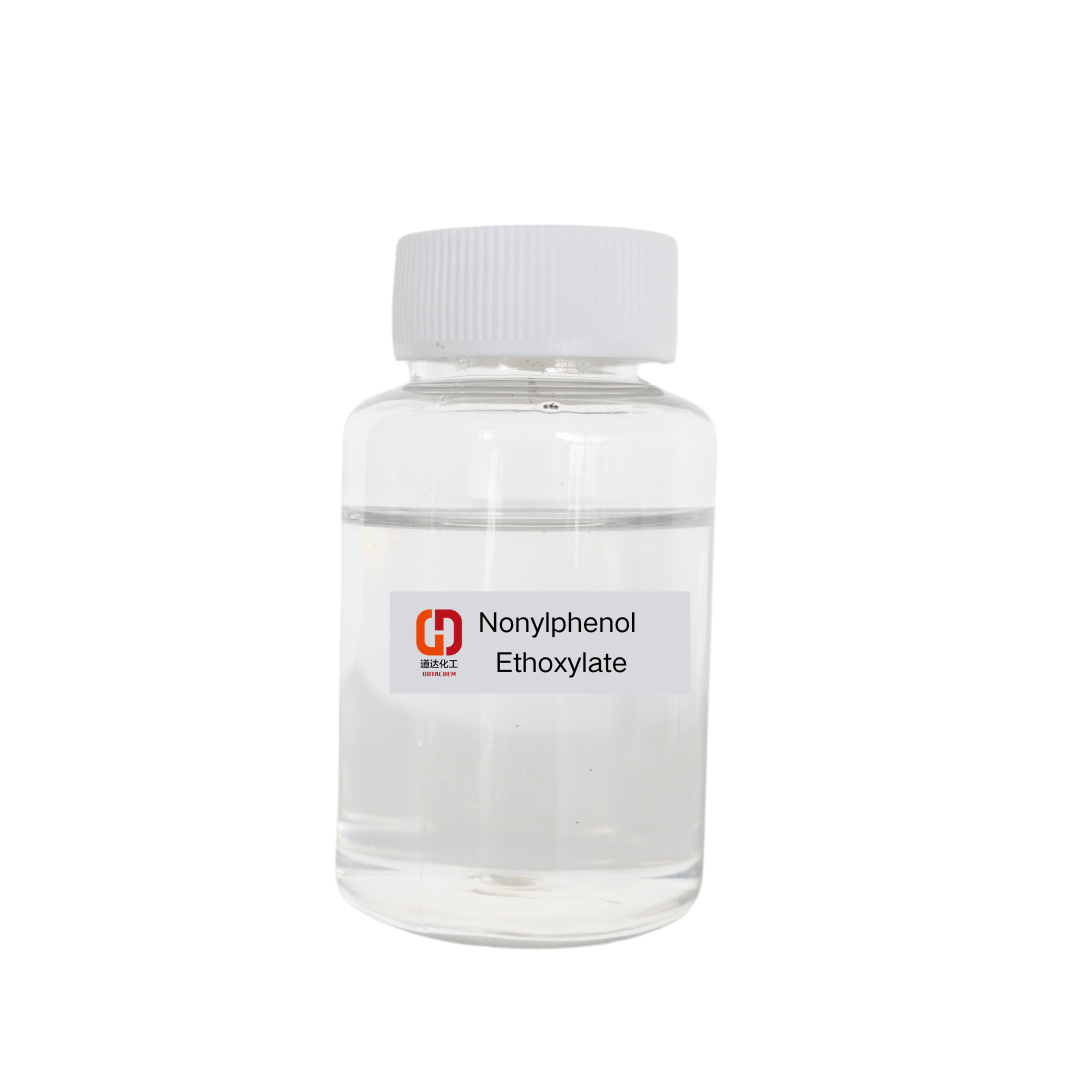
Tackling NPE contamination effectively hinges on phasing out these persistent chemicals from industrial processes. A cornerstone approach involves substituting NPEs with safer, biodegradable alternatives in detergents, textile production, and agricultural formulations—many companies now prioritize plant-based surfactants that break down without leaving harmful residues. This shift not only curbs environmental release but also aligns with tightening regulations and consumer demand for greener products. By integrating such substitutes into core manufacturing workflows, industries can significantly slash their NPE footprint and foster a circular economy mindset.
Another pivotal strategy centers on enhancing wastewater treatment to intercept NPEs before they reach ecosystems. Advanced treatment systems, like membrane bioreactors or activated carbon filtration, can capture and degrade these compounds more efficiently than conventional methods. For instance, facilities in textile hubs have adopted multi-stage purification to remove over 95% of NPEs from effluent. Pairing this with real-time monitoring ensures compliance and reduces accidental discharges, protecting aquatic life from endocrine-disrupting effects. It's a proactive measure that turns treatment plants into barriers against contamination rather than conduits.
Finally, robust policy frameworks and industry collaboration amplify these efforts globally. Initiatives like the Stockholm Convention guide phase-outs, while corporate alliances—such as those in the apparel sector—share best practices for NPE-free supply chains. Educating stakeholders, from farmers to consumers, about NPE risks fosters informed choices and pressure for change. Together, these layered solutions create a resilient defense, turning reduction goals into tangible progress for healthier environments.
Environmental Impacts and Regulatory Frameworks
Industries worldwide are increasingly grappling with the tangible effects their operations unleash on ecosystems, from pollution spikes to resource depletion. While these impacts often spark public outcry, it's the evolving tapestry of laws and policies that truly shapes corporate behavior. Governments and international bodies have stepped up, crafting frameworks that don't just penalize harm but incentivize greener practices—think carbon credits or waste-reduction mandates. This dynamic interplay between environmental fallout and regulatory response is turning sustainability from a buzzword into a business imperative.
Yet, the real game-changer lies in how companies navigate this complex landscape. Forward-thinking firms aren't merely complying with minimum standards; they're embedding environmental foresight into their core strategies. By anticipating tighter regulations or consumer demands for transparency, they're innovating with cleaner technologies and circular models. This proactive stance not only mitigates risks like fines or reputational damage but also uncovers new opportunities in green markets—proof that smart regulation can drive both planet-friendly and profit-smart outcomes.
Looking ahead, the pace of change shows no signs of slowing. Emerging trends, such as biodiversity reporting requirements or net-zero pledges, are pushing the envelope beyond traditional pollution controls. Success now hinges on agility—adapting to regional variations in rules while fostering cross-sector collaborations. In this fluid context, the most resilient organizations view environmental impacts and regulatory frameworks not as constraints, but as catalysts for reimagining a sustainable future where economic growth and ecological health go hand-in-hand.
Innovative Alternatives to Traditional NPE-Based Products
In recent years, the push for sustainability has sparked the development of innovative products designed to replace those reliant on traditional NPE-based (nonylphenol ethoxylate) substances. These alternatives not only meet environmental standards but often surpass the performance of their conventional counterparts, offering enhanced safety and efficiency in various applications, from industrial cleaning to textile manufacturing. Companies are increasingly adopting these solutions to align with regulatory requirements and consumer demand for greener options, driving a significant shift in the market landscape.
One standout example is the use of plant-based surfactants, which provide effective cleaning power without the toxic residues associated with NPEs. Derived from renewable resources like coconut oil or corn, these biodegradable alternatives break down harmlessly in the environment, reducing water pollution and ecological impact. This approach has gained traction in sectors such as agriculture and personal care, where safety and sustainability are paramount, showcasing how innovation can lead to practical, eco-friendly outcomes.
Moreover, advanced formulations incorporating enzymes and microorganism-based technologies are emerging as game-changers, offering targeted and efficient solutions that avoid the broad-spectrum disadvantages of traditional NPEs. These alternatives not only minimize health risks for workers and end-users but also enhance product longevity and performance, making them attractive for industries like automotive and construction. By focusing on specificity and reduced environmental footprint, these innovations are setting new benchmarks, proving that abandoning outdated chemicals can drive progress and competitiveness in a rapidly evolving global market.
Best Practices for Industry Compliance and Safety
Adopting a proactive stance on compliance and safety often begins with fostering a culture where employees feel empowered to raise concerns without fear of retribution. Regular training sessions that go beyond tick-box exercises to include real-world scenarios can transform abstract regulations into actionable insights. For instance, integrating case studies from recent industry incidents helps teams grasp the tangible consequences of non-compliance, making safety protocols more relatable and urgent.
Leveraging technology, such as automated monitoring systems, allows organizations to track compliance metrics in real-time, identifying potential risks before they escalate. This approach not only streamlines reporting but also provides data-driven insights for continuous improvement. Tailoring these systems to specific operational needs ensures they address unique challenges, rather than offering a one-size-fits-all solution that may overlook critical nuances.
Collaboration across departments—like engineering, operations, and legal—ensures that safety measures are woven into every stage of product development and workflow. By holding cross-functional reviews, companies can anticipate regulatory changes and adapt swiftly, turning compliance into a competitive advantage. This holistic strategy not only mitigates legal liabilities but also enhances brand reputation by demonstrating a genuine commitment to stakeholder well-being.
Future Directions in NPE Research and Policy
As NPEs (Non-Practicing Entities) continue to shape the patent landscape, researchers are increasingly focusing on interdisciplinary approaches. For instance, blending economic models with legal analysis helps predict how patent assertion trends might evolve in sectors like technology and pharmaceuticals. This holistic view could lead to more nuanced policy recommendations that consider market impacts alongside intellectual property rights, steering away from one-size-fits-all solutions.
On the policy front, a key direction involves developing tailored frameworks for different industries. Rather than imposing blanket regulations, policymakers might explore flexible guidelines that address the unique challenges of startups versus large corporations. Emerging tools like AI-driven patent analytics could also inform decisions by highlighting patterns in litigation behavior, enabling proactive measures to curb abusive practices while fostering innovation.
Looking ahead, fostering collaboration between academia, industry, and government will be crucial. Initiatives such as public-private partnerships can facilitate data sharing and pilot programs to test new policies in real-world settings. By encouraging open dialogue, stakeholders can work towards balanced reforms that protect inventors' rights without stifling competition, ultimately shaping a more dynamic and equitable patent system for the future.
FAQ
Nonylphenol ethoxylate (NPE) is a surfactant widely used in industrial cleaners, textiles, and paints for its emulsifying and dispersing properties. It helps remove dirt and oils effectively in manufacturing processes.
NPE breaks down into nonylphenol, a persistent compound that disrupts hormone systems in aquatic life, leading to reproductive issues and ecosystem imbalance. It can accumulate in sediments and affect water quality over time.
Alternatives like alkyl polyglycosides and fatty acid ethoxylates offer similar cleaning performance with better biodegradability and lower toxicity, aligning with environmental safety standards.
Yes, many countries, including those in the EU and the U.S., have restrictions on NPE in consumer products due to its environmental risks, with some phasing it out in industrial settings under chemical management laws.
Implementing advanced treatment methods, such as activated carbon filtration or ozonation, can effectively remove NPE residues before discharge, minimizing environmental exposure.
While direct human exposure is often low, potential effects include endocrine disruption and reproductive harm, based on studies of related chemicals, underscoring the need for cautious handling.
Look for eco-friendly labels, avoid certain industrial cleaners, and choose products with plant-based surfactants to reduce the risk of NPE exposure in household items.
Current studies focus on developing biodegradable formulations and monitoring NPE degradation in nature to inform better waste management and remediation strategies.
Conclusion
Nonylphenol Ethoxylate (NPE) is widely used as a surfactant in industrial and household products, valued for its effectiveness in cleaning and processing. However, its persistence in the environment raises concerns due to potential endocrine-disrupting effects, which can impact aquatic life and ecosystems. This has led to growing scrutiny under regulatory frameworks like the EU's REACH and others worldwide, prompting industries to adopt solutions. Key strategies include reducing NPE contamination through improved wastewater treatment, optimizing production processes to minimize waste, and implementing strict handling protocols to prevent accidental releases into water systems.
To address these environmental challenges, innovative alternatives such as bio-based surfactants—derived from renewable resources like plant oils—are emerging, offering safer and more sustainable options. Best practices for industry compliance emphasize regular monitoring, employee training on safety measures, and adherence to evolving policies to mitigate risks. Looking ahead, future directions in NPE research focus on developing advanced biodegradation techniques and enhancing policy coordination globally, aiming to phase out harmful variants while promoting eco-friendly innovations for a cleaner, healthier environment.
Contact Us
Contact Person: Levi
Email: [email protected]
Tel/WhatsApp: +86 532 84688720
Website: https://www.polykem-intl.com