

LTE Radio Wholesaler Selection Tips for Reliable Network Equipment
2026-10-21
Finding an LTE radio wholesaler who won’t leave your network hanging is harder than it looks. You need more than a supplier—you need a partner who understands uptime, interference, and the hidden costs of cheap hardware. That’s why we’ve put together these selection tips, grounded in what actually matters for reliable network equipment. Whether you’re expanding coverage or replacing aging gear, a name like lisheng should be on your radar for consistent quality and support. Let’s cut through the noise and get your network the backbone it deserves.
Why the Lowest Bid Usually Costs More Later
A low bid is rarely a finished price. Contractors who come in far below everyone else typically plan to make up the difference after the project starts. You might see it as a surprise charge for “additional foundation work” or a sudden need to upgrade materials that were listed as basic in the estimate. Either way, the gap between that initial number and the final invoice almost always closes once the job is underway.
Then there’s the cost of fixing what was never done right the first time. Cheap paint starts peeling in two seasons. A poorly sloped bathroom floor means water sits in the corner until the subfloor rots. These aren’t hypothetical risks—they’re common outcomes when every material and labor hour is squeezed to meet an unsustainable bid. Remediation means paying a second contractor to tear out and redo the work, often at a higher rate because now the schedule is urgent.
Experienced builders price their work based on what it actually takes to do the job correctly, including the time to address problems before they become expensive. That higher bid may not feel good in the moment, but it usually reflects fewer callbacks, fewer change orders, and less time lost over the life of the building. In the end, the cheapest offer often costs more than the one that was honest from the start.
Checking Firmware and Frequency Support Before Ordering
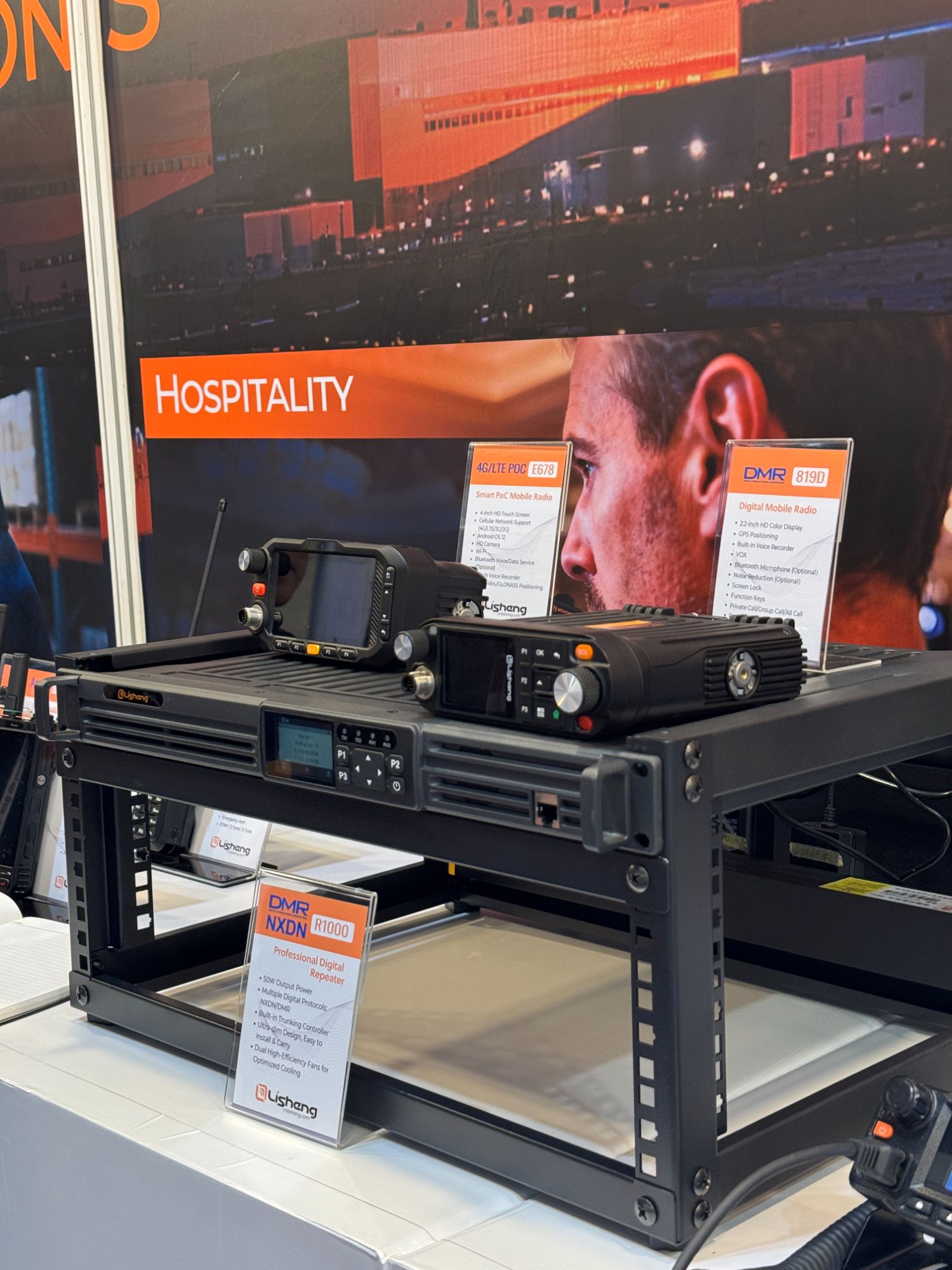
A quick look at the product page rarely tells the whole story, especially when you're planning to deploy devices in a specific region or alongside existing hardware. Firmware revisions can silently change how a device behaves—whether it's locking down certain bands, altering transmit power, or even removing features that were present in earlier batches. Before you click buy, dig into the manufacturer's release notes or community forums to confirm that the current firmware still supports the exact functionality you need. A device that worked perfectly in a review from six months ago might arrive with a newer firmware that behaves differently.
Frequency support is another area where assumptions can lead to costly returns. Some routers and modules are marketed globally but ship with region-specific firmware that restricts channels or bands. If you're planning to use a 5 GHz network in a location with DFS requirements, or you need a specific 2.4 GHz channel that isn't allowed in your country, the hardware alone won't save you. Check the regulatory domain settings and whether they can be changed without flashing third-party firmware—many locked-down units can't.
Finally, pay attention to how firmware and frequency interact in real-world deployments. A device might support a wide frequency range on paper, but only after a manual firmware update that requires a wired connection. If you're ordering for a remote site, you may not have that luxury. Look for confirmation that the shipping firmware version already enables the bands you need, or at least that the update process is straightforward and doesn't require special tools or accounts. This extra check takes minutes now and avoids hours of troubleshooting later.
How to Spot a Wholesaler Who Stocks Counterfeit Modules
A wholesaler's unwillingness to share batch-level traceability documents is often the first real signal. Legit suppliers keep a paper trail for every pallet, including manufacturer test reports and serial number ranges. If the response is a shrug or a promise to 'check later,' walk away.
Price cuts that look like a typo rarely come with intact holograms. Counterfeit module sellers lean on discounts of 30% or more off market rate to move inventory fast. Ask for a sample and compare the label's font weight, spacing, and certification marks against the manufacturer's official datasheet. Small mismatches—like a missing IEC logo or a blurry barcode—are usually not accidents.
Finally, pay attention to how the wholesaler handles warranty claims. A distributor moving fakes will often deflect questions about RMA rates or claim that warranty issues are 'rare' without giving numbers. Trustworthy wholesalers can name their supplier relationships and don't mind a quick call to verify a recent shipment's lot code. If that call gets dodged, the modules probably have more to hide than a scratched frame.
Realistic Lead Times and What They Reveal
Lead times rarely lie. When a supplier quotes six weeks and delivers in nine, the gap isn't just a scheduling nuisance—it's a signal about their production load, buffer stock discipline, and whether their sales team talks to the shop floor. Companies that treat these numbers as fixed facts miss the story underneath. A sudden stretch from four to seven weeks often precedes a price increase or a capacity crunch that no one has announced yet.
Internally, your own quoted lead times expose how well departments actually coordinate. If sales promises ten days while production quietly plans for fifteen, the mismatch shows up in expedited freight, half-finished orders, and customer calls that start with apologies. Tracking the difference between quoted and actual delivery over a quarter reveals more about operational honesty than most dashboard metrics.
The most useful move is to watch lead time trends, not single data points. One late shipment is noise. Three months of creeping delays across multiple suppliers suggests demand is shifting faster than capacity can follow—or that someone upstream is rationing inventory. Either way, the lead time itself becomes an early warning system, often weeks before formal notices arrive.
Sizing Up a Supplier's Replacement Policy
A generous return window means little if the supplier drags its feet on sending out the actual replacement. Ask for a clear timeline in writing, not a vague promise. Some vendors will ship a new item immediately and let you return the defective one later, while others insist on inspecting the faulty unit first. That delay can stall your own production line, so it pays to know which category you are dealing with before you sign anything.
Dig into the fine print around shipping costs and restocking fees. A policy that covers the part but not the freight can quietly eat into your margins on a large order. Also check whether replacements are new, refurbished, or simply repaired. If you need identical specifications for a critical component, a refurbished substitute might not pass your quality checks, even if the supplier insists it is “like new.”
Finally, test the policy on a small order before you rely on it for a big one. A supplier that handles a minor return smoothly is more likely to step up when a major failure occurs. Pay attention to how accountable their team is: do you get a single point of contact, or are you bounced between departments? That experience tells you more than any brochure ever could.
The One Question That Exposes Weak Technical Support
Ask a support agent to explain the reasoning behind a suggested fix. If they fumble, repeat script points, or tell you to “just trust the process,” you’ve found the weak link. Strong support staff can walk you through cause and effect in plain language, even when the system is complex.
The magic question is deceptively simple: “What happens if that doesn’t work?” Scripted support collapses here because it has no next branch. Real troubleshooters already know the failure modes and have a plan B, C, and D waiting. Weak support stalls, puts you on hold, or loops back to step one.
You don’t need to be technical to use this. When an agent can’t describe what a fix actually does—only that “it should help”—that’s a red flag. Genuine expertise shows up in the ability to adapt, not in reciting a knowledge base article.
FAQ
Look for evidence they've supplied equipment for network rollouts, not just consumer hotspots. Ask for a reference from a fixed wireless ISP or a private LTE operator. If they hesitate or only mention retail clients, move on.
Beyond FCC or CE, check for PTCRB or GCF certification if the devices will roam. For carrier-specific bands, ask for band lock capability and firmware version documentation. A wholesaler who can't produce these on request is likely reselling gray-market stock.
It can be, but not always. Ask whether the refurbishment included RF calibration and a full power-on test, not just cosmetic cleaning. If the wholesaler offers less than a 90-day warranty on refurbished units, treat that as a red flag.
Request a sample unit and run a stress test: sustained uplink traffic for at least 30 minutes while monitoring temperature and packet loss. Consumer gear tends to overheat or throttle. Also check the management interface—true network-grade radios have SNMP, VLAN support, and remote firmware management.
Confirm whether licenses for features like carrier aggregation or GPS sync are included or sold separately. Some wholesalers lock firmware to their own management platform, which can become a costly dependency. Ask for a copy of the end-user license terms before committing.
Absolutely. If they source from multiple unknown brokers, you might get mixed hardware revisions or different PA vendors inside the same model. Ask whether they can guarantee a single manufacturing batch for your order, or at least document each unit's revision.
Check their handling of customs and import documentation, especially for radios with encryption modules. A dependable wholesaler provides test reports, labeling compliance, and a clear RMA process before shipping. If they can't tell you the lead time variance for backordered units, steer clear.
More important than price in most network projects. You need someone who can help troubleshoot inter-cell interference or SIM provisioning, not just ship boxes. Ask for a direct line to a technical engineer during your evaluation period and see how fast they respond.
Conclusion
When sourcing LTE radio equipment, chasing the cheapest quote often leads to expensive failures down the road—modules with locked or mismatched firmware, unsupported frequency bands for your region, or worse, refurbished counterfeits passed off as new. Before placing any order, ask the wholesaler for actual firmware version numbers and confirm they align with your network's carrier aggregation and band requirements. A supplier who hesitates to share these details or ships units straight from an unverified grey-market pipeline is one to avoid. Counterfeit modules are not always obvious at first glance; check for inconsistent labeling, missing holograms, or serial numbers that don't trace back to the original manufacturer. The extra time spent on these checks now is nothing compared to the headaches of replacing dead radios later.
A dependable wholesaler also sets realistic lead times rather than promising overnight delivery on everything. If they claim to have every module in stock at all times, that's often a red flag—either they're sitting on old inventory or they don't actually have the goods. Ask what happens when a unit arrives dead or fails within the warranty window. A clear, no-nonsense replacement policy with advance replacements or quick RMA turnaround tells you they stand behind their stock. Finally, pose one specific technical question—for example, how to provision a particular eNodeB for a rural deployment—and see whether you get a detailed, knowledgeable answer or a vague sales pitch. That single exchange will reveal more about their technical support than any brochure, because weak support usually shows itself the moment you ask for specifics.
Contact Us
Contact Person: andrea
Email: [email protected]
Tel/WhatsApp: (+86)13960400802
Website: https://www.lishengradio.com/