

Fuel Dispenser Pump Supplier: How to Choose a Reliable Partner for Your Station
2026-10-29
Most fuel station owners only think about their dispenser pumps when something breaks—and by then, the real cost isn't the repair bill—it's the lost customers and frayed nerves. Sorting through fuel dispenser pump suppliers can feel like a gamble, with every vendor promising reliability. The difference between a supplier that merely sells pumps and one that protects your uptime is massive. That's where BEILIN comes in. In this guide, we'll break down the key factors, so your next choice is a calculated decision, not a roll of the dice.
Match the Pump to Your Station's Real Traffic, Not a Generic Brochure
Every station has a rhythm. Watch your forecourt for a week and you'll see it: the 7 a.m. rush of diesel pickups, the lunchtime sedans grabbing a quick fill, the late-night road trippers topping off before the highway. Most pump recommendations ignore this entirely. They start with a product catalog and work backward. That's how you end up with three high-flow diesel lanes when half your morning traffic is compact cars, or a single slow nozzle on the island where the work vans queue up.
Start with a simple count. Log the vehicles for seven days, not just the transactions. Note the time of day, the vehicle type, and which side the fuel door is on. You'll quickly see patterns that no brochure ever mentions. A suburban station might need more mid-speed unleaded hoses because the school run creates a wave of crossovers between 3 and 5 p.m. An interstate exit with heavy truck traffic needs a dedicated high-flow diesel lane that can clear a big rig in under four minutes, but also a separate island for passenger cars so they don't get stuck behind a sleeper cab taking a 30-minute break.
Once you know the real traffic shape, match the pump hardware to those specific peaks. It's not about buying the most expensive unit or the one with the flashiest screen. It's about hose reach for both sides of the pump, nozzle flow rates that fit your typical fill size, and a layout that lets a van and a motorcycle share the same island without awkward shuffling. Your station earns its reputation in the busy ten-minute windows. Fit the pump to those moments, not to the stock photo on a sales sheet.
Ask for References from Stations That Resemble Yours
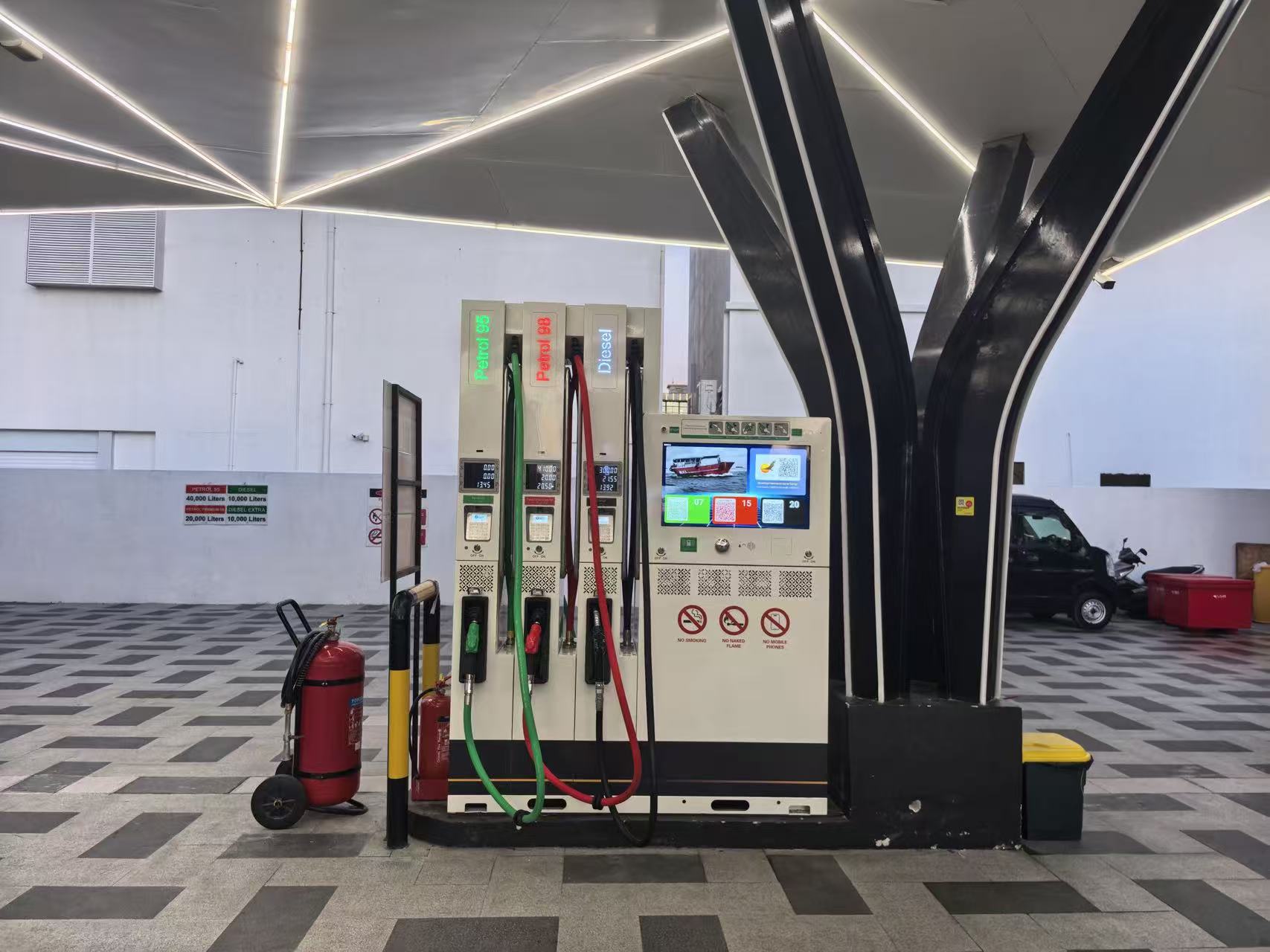
Asking a station that closely mirrors your own for references can feel like a shortcut you're not supposed to take, but it's actually one of the more honest moves you can make. When a potential client or partner hears from someone who has already walked the same route—same equipment, same neighborhood quirks, same customer base—their endorsement lands differently than a generic testimonial. It’s not about borrowing credibility; it’s about showing that your setup has already been tested by a near-twin.
Start by identifying stations that share your capacity, traffic patterns, or even the same supplier headaches. Reach out with a specific ask: not “can you vouch for me?” but “would you be willing to talk to X about how your operation handles Y, since ours are built the same way?” This frames the request as an exchange of field notes rather than a favor. Most operators are glad to help someone who isn’t asking them to pretend the station is something it isn’t.
Don’t limit yourself to glowing reports. A reference from a similar station that includes a candid note about a shared challenge—like a tricky permit renewal or a seasonal dip—can actually build more trust than a spotless review. It shows you’re not hiding the rough edges, and it gives the person checking on you a realistic picture of what working with your station will be like.
Look Beyond the Housing: Seals, Meters, and Vapor Recovery Details
While the outer housing of a fuel dispenser gets most of the attention, it's the hidden components that often determine long-term reliability and compliance. Seals around the meter and piping connections need routine inspection; even a slight degradation can allow vapor to escape or moisture to enter, leading to measurement drift or corrosion. Look for signs of cracking, swelling, or a flattened profile rather than waiting for a visible leak.
Meters themselves are precision instruments that require periodic calibration against a known volume. A drift of just a few cubic inches per gallon can add up significantly at high-volume stations. Pay attention to the meter's internal gaskets and the condition of the pulser, since worn parts here often produce erratic readings before a complete failure. Vapor recovery systems, where mandated, introduce another layer: the vacuum pump, hoses, and nozzles must maintain a tight seal to function correctly. A kinked or improperly seated vapor return hose can silently disable the recovery system, causing compliance issues even though the dispenser appears to be working fine.
Finally, don't overlook the small fittings and o-rings at every connection point. These inexpensive parts are frequently the root cause of both leaks and vapor recovery faults. Replacing them during routine maintenance instead of waiting for a failure can prevent downtime and regulatory penalties. By shifting focus from the cosmetic housing to these functional details, you extend equipment life and keep every gallon accounted for.
Pin Down On-Site Service Response Before You Sign Anything
Ask the hard questions before the ink dries. On-site service promises sound great in a sales pitch, but what actually happens when a system goes down at 2 a.m.? Get the vendor to spell out response windows, escalation paths, and whether you'll be charged for every truck roll. A vague “we'll be there soon” isn't a commitment—it's a risk you can't afford to take.
Dig into the contract's fine print for specifics like guaranteed on-site arrival times, parts availability, and whether remote diagnostics count as “service.” Some providers bury clauses that let them send a junior tech days later while your operation stalls. Pin them down on what “priority” really means—and get it in writing.
Don't settle for a handshake. If the vendor won't define on-site response times with clear penalties for missing them, walk away. The best agreements tie service level commitments to credits or discounts, and they spell out exactly who you can call when things go sideways. Your uptime depends on it.
Test How Easily the Dispenser Talks to Your Existing Payment System
Before committing to a new dispenser, run a live transaction with the payment terminal you already use. Grab a test product, tap or swipe a card, and watch whether the dispenser acknowledges the payment in under two seconds. If you have to press extra buttons or wait for a manual override, that friction will annoy both your staff and customers.
Don't just rely on the sales sheet claiming "universal compatibility." Ask for a sandbox or demo account tied to your payment processor, then fire off a dozen test purchases across different amounts, including refunds and partial voids. A dispenser that handles edge cases without throwing cryptic error codes is one that won't lock up during a busy shift.
For locations with older card readers or custom middleware, check whether the dispenser supports simple HTTP callbacks or a lightweight local API. The easiest integrations are the ones where you can open a browser, hit a test URL, and see the dispenser drop a product immediately. If you need a specialized integrator just to make change, you'll be paying for that complexity every single day.
Run the Numbers on Energy Use and Maintenance Over Five Years
Most homeowners never sit down and actually tally up what their current setup costs them across half a decade. They see the monthly utility bill, shrug, and move on. But if you write down the kilowatt-hours for heating, cooling, hot water, and lighting, then multiply that by your local rate and factor in a modest annual increase, the total often lands somewhere between shocking and infuriating.
Then add the maintenance side. Older systems tend to need attention at the worst possible moments, a capacitor here, a refrigerant recharge there, maybe a new circulator pump in year three. Those service calls don't just cost money; they eat your weekends and leave you wondering if the equipment will make it through the next cold snap. Over five years, even small repairs stack up into a number that makes a high-efficiency upgrade look less like a luxury and more like basic arithmetic.
The point isn't to chase a perfect spreadsheet. It's to give yourself a honest baseline before you compare new equipment. Once you know what five years really cost you, you can judge any replacement not by its sticker price, but by what it does to that total. That's where the smarter decision usually hides.
FAQ
Look for regional safety marks like UL, CE, or ATEX depending on your location, but don't stop there. For accuracy, check if the meters are certified under OIML R117 or MID. Ask the supplier to send copies of actual certificates, not just logos on a brochure. If they hesitate or only offer self-declared compliance, walk away.
Request a physical sample or visit a working station using that model. Pay attention to the hose material, the nozzle cradle design, and whether internal parts are accessible without special tools. Cheaper units often use thinner steel and plastic gears in the meter. Ask about the pump's expected lifecycle in liters, not years, and compare that figure across suppliers.
For standard dispensers, expect 8 to 14 weeks from order to delivery if the supplier has stock or a smooth production slot. Custom configurations or additional payment systems can add 4 to 6 weeks. The biggest delay is usually not the factory lead time but local permits and electrical work, so ask the supplier for a pre-installation checklist early.
Usually the difference hides in the flow meter quality, the display type, and the warranty on the electronics. Some factories use refurbished or lower-grade components to hit a price point. Ask for a teardown list of key parts: who makes the meter, the CPU board, and the display. If they can't tell you, that lower price will cost more in downtime later.
Don't assume every dispenser works with your current POS or tank monitor. Ask if the dispenser supports standard protocols like IFSF, Gilbarco, or generic RS-485. Request a list of third-party systems they've successfully integrated with. Also ask about firmware update policies: some suppliers require an expensive service call just to fix a minor software bug.
Ask the supplier to provide a calibration certificate from the factory for each meter, and then request a field verification protocol. A good supplier will explain how to do a 5-liter or 20-liter test with a certified measuring can, and what tolerance is acceptable—usually plus or minus 0.3%. If they avoid giving a clear procedure, treat the accuracy claim as marketing.
Freight and unloading are often quoted separately, and some suppliers charge extra for the nozzle boots or emergency stop buttons that should be standard. Ask for a complete bill of materials with every component listed. Also clarify who pays for software licenses, calibration certificates, and travel expenses for installation support. These can add 5 to 10 percent to the quoted price.
Check how long they've been manufacturing the same model series, not just how long the company has existed. Ask for the availability of parts for a dispenser model they sold ten years ago. If they can ship a drive belt or a display board for an older unit within a week, that's a good sign. Also ask whether they keep a local parts warehouse or rely on slow international shipping.
Conclusion
Choosing a fuel dispenser pump supplier goes far beyond comparing horsepower or nozzle counts. The first step is to match the pump to what actually happens on your forecourt each day. A busy truck stop with high-flow diesel needs a different machine than a neighborhood station selling mostly regular unleaded. Ask the supplier for references from sites with similar traffic patterns, not just their flagship installations. Then get under the housing: check the quality of seals, the accuracy of meters over time, and how the vapor recovery system performs in humid or dusty conditions. These details often separate a dispenser that lasts eight years from one that starts throwing error codes after eighteen months.
Service terms are equally critical. Before signing anything, pin down the supplier's on-site response time, not just a call-center promise. A dispenser down for three days costs you far more than the savings on a cheaper unit. Also test how easily the pump integrates with your existing payment system; a clunky interface will slow transactions and frustrate customers. Finally, run the real numbers on energy consumption and expected maintenance over five years, including parts like belts, filters, and meter calibration. A slightly higher upfront price often disappears when you factor in lower downtime and fewer emergency repair calls. The right partner is the one who asks about your station's actual operation instead of handing you a generic brochure.
Contact Us
Contact Person: Jason
Email: [email protected]
Tel/WhatsApp: 8615876017548
Website: https://www.bei-lin.com/