

Food Grade Oil-Free Air Compressor: Reduce Operational Costs in Food Processing
2026-10-22
Every production line has its quiet cost centers, and in food processing, compressed air is often one of them. Contamination risks, energy waste, and maintenance downtime add up faster than most plant managers expect. Switching to a food grade oil-free air compressor changes that equation—not just for compliance, but for your bottom line. In this post, we’ll break down where the savings come from and why teams are turning to Seize Air to keep operations clean, efficient, and profitable.
The Hidden Price of Lubricated Air in Food Plants
Plant managers often treat compressed air as a background utility, rarely checking what that air carries into production zones. With oil-lubricated compressors, a fine mist of lubricant travels past filters, settles on conveyors, packaging film, and even product contact surfaces. The result is not always a dramatic spill; it shows up as off-taste batches, unexplained odors, or a recall triggered by a single customer complaint that can’t be traced back until air quality logs are pulled.
The hidden price includes more than direct contamination. Oil film inside pipes becomes a breeding ground for bacteria and mold, especially when moisture is present, forcing shorter sanitation cycles and more aggressive chemical use. Lubricated air also gums up pneumatic valves and sensors, leading to intermittent faults that maintenance teams chase for days. During audits, a lack of air purity records or a failed oil carryover test can halt production and require expensive system flushing.
Certain products—dry powders, chocolate, baked goods—absorb airborne oil vapor quickly, causing flavor drift and shorter shelf life even when lab tests pass. Brand damage from a contamination event often outlasts the immediate cleanup costs, and premium customers may demand documented oil-free air as a condition of doing business. Factoring in filter replacements, pipe cleaning, and potential downtime reveals that the true cost of lubricated air is rarely visible on the utility bill.
Why Your Current Compressor Is Quietly Draining Your Budget
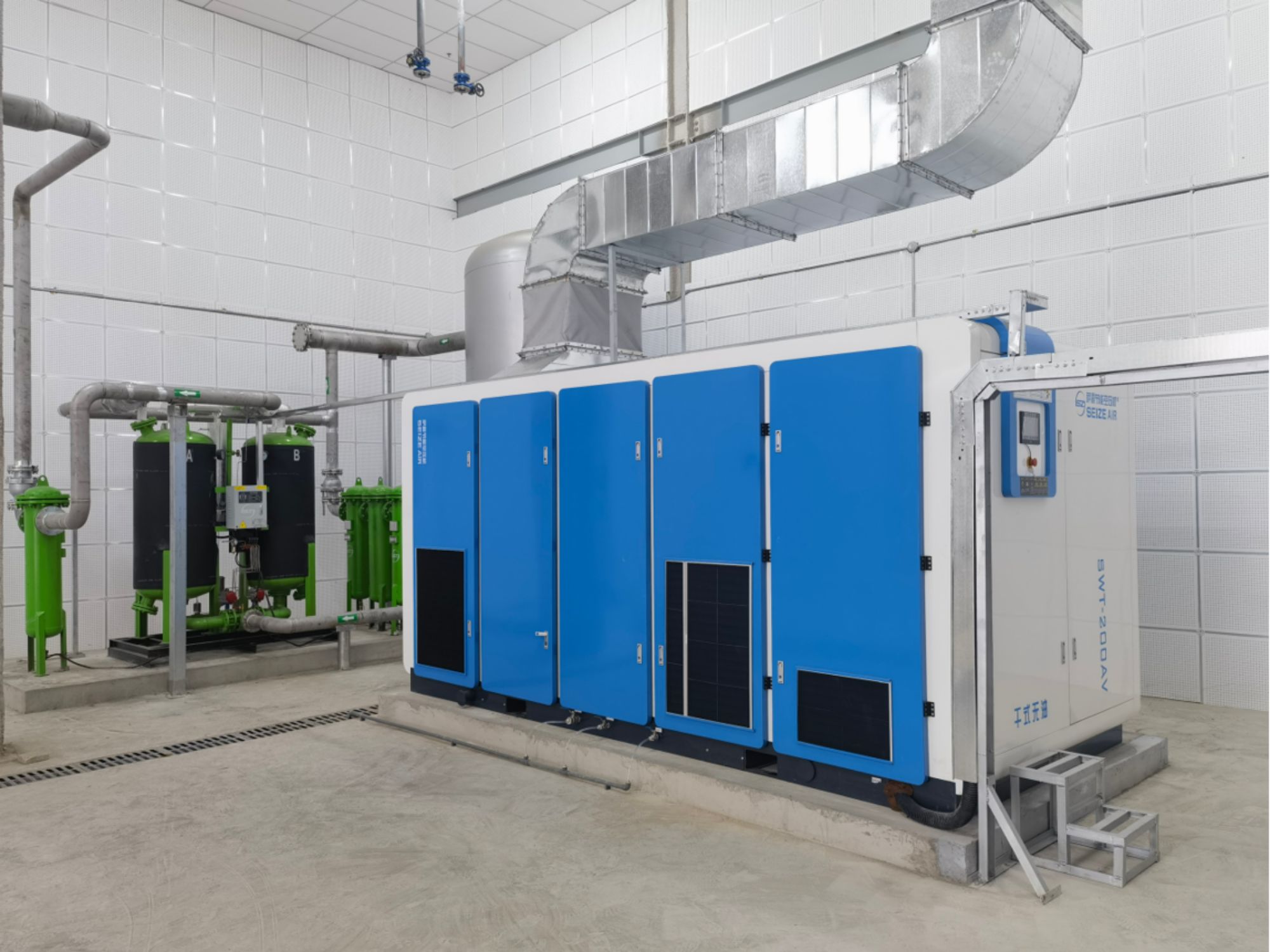
Most compressors don’t announce their inefficiency with a bang. They work through pressure drops, air leaks, and unnecessary idle time that quietly add up to thousands of dollars in wasted energy every year. The real issue isn’t a single breakdown—it’s the slow bleed from running a unit that was sized for peak demand but spends most of its day under partial load.
Older fixed-speed machines are especially guilty. They cycle on and off to maintain pressure, but every restart draws a surge of electricity and wears down internal components. Meanwhile, tiny leaks in fittings, hoses, and drain valves often go unnoticed because the compressor just runs a little longer to compensate. That extra runtime isn’t free; it shows up directly on your utility bill month after month.
Then there’s maintenance creep. Filters clog, oil degrades, and condensate drains stick open, forcing the system to work harder than it should. None of these problems trigger an immediate alarm, so they persist. By the time someone notices the rising energy costs, the compressor has already been draining the budget for months without a single obvious failure.
Oil-Free Air and the Fastest Way to Lower Utility Bills
Switching to oil-free air compressors eliminates the risk of lubricant carryover, which not only protects downstream equipment but also reduces maintenance frequency and costly downtime. Many facility managers overlook how much traditional oil-flooded systems leak energy through worn seals and pressure drops, quietly inflating monthly electric bills.
The fastest way to cut utility expenses tied to compressed air is to fix leaks and optimize system pressure—but pairing this with oil-free technology creates a compounding effect. Oil-free units often run at lower internal friction, meaning less heat generation and no oil separation or filtration stages that sap efficiency. When you remove oil from the equation, you also avoid the expense of condensate treatment and oil disposal, which are often hidden line items.
Real-world audits show that compressed air accounts for up to 30% of industrial electricity use, and a typical plant loses 20-30% of that to leaks alone. By adopting oil-free compressors and a rigorous leak-tagging program, operations have slashed energy costs by double digits within the first quarter—without compromising air quality or production uptime.
Fewer Breakdowns and Less Waste with Clean Compressed Air
Dirty compressed air quietly eats away at valves, seals, and pneumatic tools. Moisture, oil carryover, and tiny particles cause sticking, corrosion, and premature wear. Every unexpected shutdown from a jammed cylinder or a clogged nozzle stops production and forces costly repairs.
Clean air changes that. Proper filtration and drying keep lines free of sludge and rust, so components cycle smoothly and last longer. That means fewer unplanned stops, lower spare parts costs, and far less rejected product from inconsistent pressure or contamination. The payoff shows up in a tidier shop floor and a steadier bottom line.
What Food Safety Audits Look for in Your Air System
When a food safety auditor walks your facility, the air system rarely gets a passing glance unless something's visibly wrong. Yet compressed air and ambient air both touch product surfaces, packaging, and sometimes the food itself. Auditors check whether your system has documented filtration, moisture controls, and a maintenance log that matches actual usage. They'll ask where the air comes into contact with food zones, and whether you've classified those points as direct or indirect contact. If you can't show a risk assessment for each contact point, that's a gap — not just on paper, but in the way you think about contamination.
A common finding is that operators assume oil-free compressors mean no oil risk. But ambient air still carries particulates, water vapor, and microorganisms. Auditors look for point-of-use filters sized to the specific hazard, drains that actually get emptied, and dew point monitoring that isn't just a sticker. They may trace a hose from compressor to packaging line and ask when it was last sampled. If your sampling plan only covers the compressor output, you're missing the biofilm that can grow in distribution piping. The best facilities treat air as a raw material with its own supply chain — tested at the point where it exits into production, not where it enters the header.
Beyond hardware, auditors review training records and corrective actions. Do your operators know what a pressure drop across a filter means? Is there a written procedure for responding to a failed air quality test? One plant we know keeps a photo log of filter changes, showing date, location, and the condition of the old element. That kind of evidence shifts the audit from a check-the-box review to a conversation about actual risk control. The goal isn't to impress the auditor with jargon — it's to show that air quality is part of your daily routine, not a surprise inspection topic.
How Air Purity Affects Profit Margins in Food Processing
Airborne contaminants in food processing facilities quietly eat away at the bottom line. When particulate matter, mold spores, or bacteria find their way into production zones, the immediate cost shows up as rejected batches and wasted raw ingredients. But the financial damage rarely stops there—contaminated air forces longer sanitization cycles, reduces line speed, and increases reliance on preservatives just to hit shelf-life targets. Each of these adjustments carries a direct expense that many operators overlook until quarterly margins start slipping.
Beyond the obvious spoilage losses, poor air purity triggers a cascade of hidden operational costs. Compressed air used for packaging or cleaning that isn’t properly filtered will degrade seals, clog nozzles, and shorten the life of pneumatic equipment. Maintenance teams spend more hours on unplanned repairs, while energy consumption rises as fans and filters struggle against accumulated debris. Over a fiscal year, these incremental inefficiencies can represent a 2–5% drag on gross profit—money that could otherwise fund process improvements or price competitiveness.
The most damaging profit impact, however, comes from the long-tail effects of contamination events. A single recall linked to airborne pathogens can erase years of brand investment and open the door to competitor shelf placement. Even without a recall, retailers increasingly audit environmental monitoring data before renewing supplier contracts. Facilities that treat air quality as a capital expense rather than a risk mitigation strategy often find themselves locked out of premium-buyer programs, forced to sell at discount rates while investing heavily in reactive cleaning validation. In food processing, the air you don’t see can be the most expensive line item on the income statement.
FAQ
The savings go beyond skipping lubricant purchases. You eliminate oil separator and filter replacements, cut waste oil disposal fees, and avoid the labor tied to monitoring oil levels. Fewer contamination risks also mean less product loss and fewer unplanned line stoppages.
Any air that touches ingredients, finished products, or primary packaging falls under this requirement. That includes pneumatic conveying of powders, blow-off cleaning before filling, nitrogen-style modified atmosphere packaging, air knives for drying, and actuating valves on sanitary lines.
Look for certification against ISO 8573-1 Class 0 for oil content, combined with a system design that uses appropriate filtration, dryers, and stainless steel piping. Equipment documentation should align with HACCP or FDA compliance plans, but the entire air network must be validated, not just the compressor block.
Modern oil-free rotary screw and centrifugal models are built for continuous duty. Dry-running rotors, special coatings, and improved cooling channels handle high temperatures without oil. Many installations run 24/7 in dairy, beverage, and snack plants with routine maintenance intervals similar to lubricated units.
Condensate treatment becomes much simpler because there is no oily water to separate. You also remove the cost of coalescing filters, oil vapor removal cartridges, and compliance paperwork for hazardous waste. Over time, the avoided risk of a contaminated batch can outweigh the entire compressor investment.
Yes. Oil-free screw, centrifugal, and high-pressure piston designs cover a wide range of flows and pressures. Multiple units can be sequenced or equipped with variable speed drives to match demand spikes in mixing, extrusion, or packaging without sacrificing air quality.
Start with real demand profiles, including peak and off-peak flow, dew point requirements, and ambient conditions. Then compare total cost of ownership, not just purchase price. Variable speed drives, integrated dryers, heat recovery options, and easy access for cleaning and inspection all matter in a hygienic environment.
Compressing air generates substantial heat. A heat recovery system can capture that thermal energy to preheat water for sanitation or warm production areas in colder months. This reduces the load on boilers or HVAC systems and turns a byproduct into a measurable utility saving.
Conclusion
Food plants often overlook the true expense of lubricated compressors until utility bills and maintenance logs force a closer look. The hidden price isn't just the oil itself—it's the downstream contamination risk, the extra filtration needed to meet safety standards, and the steady drip of energy waste as compressors cycle harder to overcome pressure drops. Many operations quietly bleed money through oversized or aging units that run longer than necessary, while food safety auditors increasingly flag any chance of oil carryover into production air. When compressed air touches packaging, mixing lines, or even the plant environment, purity isn't a luxury—it's a line item on the profit-and-loss sheet. Replacing a lubricated system with a food grade oil-free compressor removes the recurring cost of oil changes, separator elements, and condensate treatment, and it reduces the frequency of unplanned downtime that disrupts batch schedules and wastes raw ingredients.
The fastest path to lower utility bills is matching air production to actual demand, and oil-free designs typically achieve this with fewer internal losses and no oil-injected cooling that degrades efficiency over time. Clean, dry compressed air also extends the life of pneumatic valves, sensors, and actuators throughout the processing line, cutting both replacement part expenses and the labor hours spent on emergency repairs. A well-maintained oil-free system produces less waste condensate that requires hazardous disposal, and it simplifies compliance documentation for audits focused on HACCP or SQF standards. Beyond compliance, better air purity directly protects product quality—fewer rejected batches from oil spots, off-tastes, or packaging seal failures. Over a fiscal year, these savings compound into a meaningful margin improvement, making the switch to food grade oil-free air not just a technical upgrade but a practical financial decision that pays for itself faster than most plant managers expect.
Contact Us
Contact Person: Mia
Email: [email protected]
Tel/WhatsApp: +86 19821985894
Website: https://www.seize-air.com