

Executive Office Chair Factory: How to Choose a Manufacturer That Prioritizes Ergonomics and Durability
2026-10-20
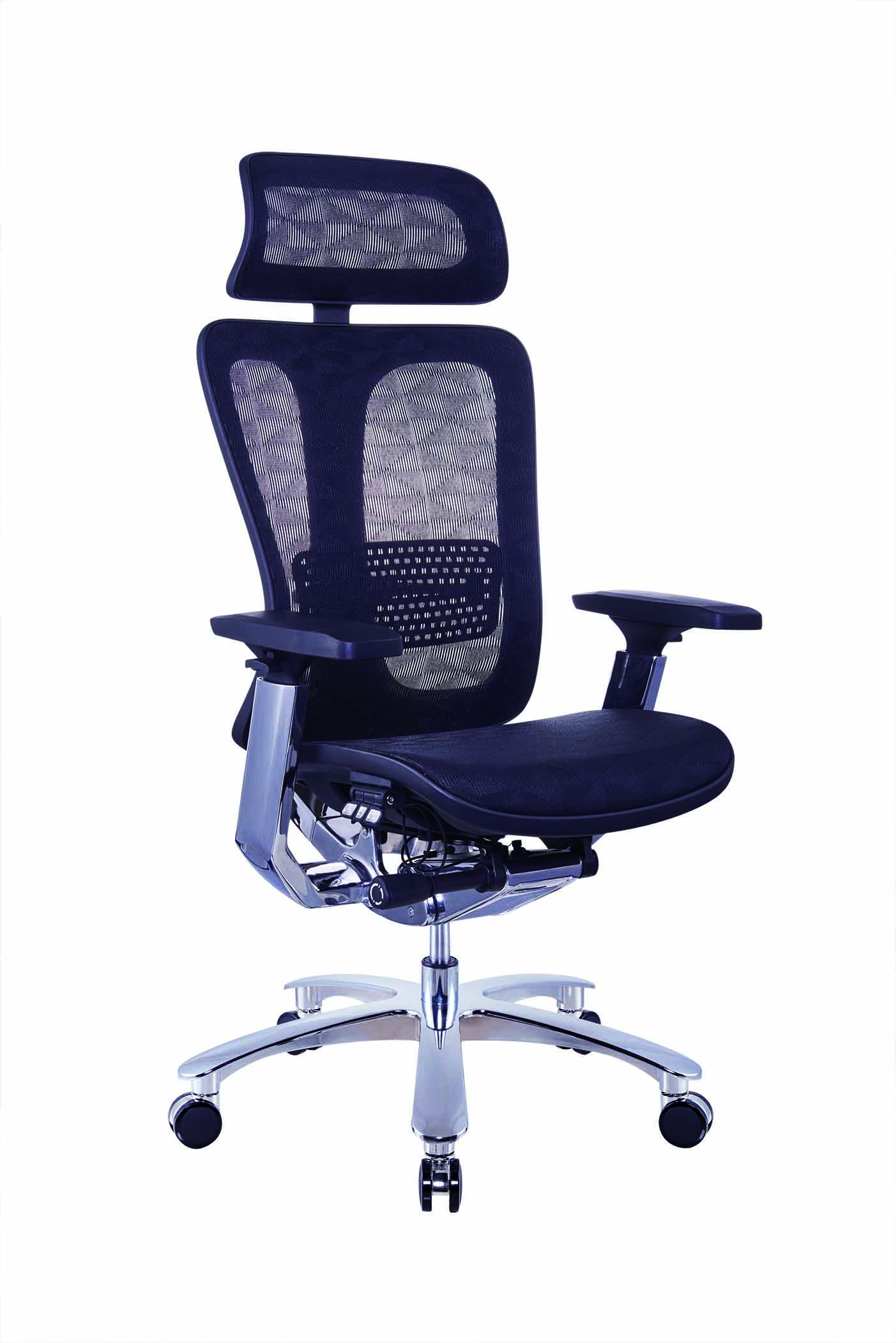
Most executive chairs pass the showroom test—sleek lines, firm cushions, a promising lumbar curve. But the real difference between a smart investment and a costly replacement shows up months later: seat foam that flattens, armrests that wobble, or a reclining mechanism that starts to drift. That’s why the factory behind the chair matters just as much as the chair itself. When you're evaluating an executive office chair factory, you need to look beyond surface-level specs and ask whether ergonomics and durability are built into the frame, foam, and moving parts—not just added as sales language. Below, we break down the key signals of a manufacturer that takes those priorities seriously. And if you're shortlisting suppliers, OFCJNS is a brand that consistently emphasizes both supportive design and long-term construction.
Start with the Chair’s Structural Core, Not the Marketing Copy
Ignore the fabric swatches for a moment. A chair lives or dies by what’s underneath: the frame geometry, the tilt mechanism, the way the lumbar support actually transfers pressure instead of just looking sculpted. If the core isn’t right, no amount of “cloud-like” wording will save your lower back at 4 p.m.
Look for a base that doesn’t rely on a single welded point to carry all your weight. A well-designed structural core spreads load across reinforced junctions, uses glass-filled nylon or aluminum where it matters, and keeps the recline pivot close to your hip rather than buried under the seat. That’s the difference between a chair that feels stable on day one and one that creaks by month six.
The marketing copy will always mention breathable mesh and waterfall edges. Fine. But ask what’s inside the seat box before you believe any of it. If the mechanism has exposed bolts, plastic-on-plastic contact points, or a back frame that flexes unevenly, you’re buying adjectives, not engineering.
Compare Foam Density and Abrasion Test Results Before Shortlisting
Foam density gets most of the attention, but it is only half the picture. A dense foam can still fail early if the surface layer breaks down under friction, so pulling abrasion test results next to density data often exposes mismatches that a spec sheet alone misses. Some suppliers will tout a 45 kg/m³ foam while quietly omitting that its abrasion resistance drops sharply after 15,000 cycles, which matters more in high-wear seating than an extra five kilograms of density.
Instead of rejecting candidates one at a time, build a small comparison table from lab reports or your own bench tests. Keep the abrasion method consistent—Martindale or Taber, whichever your product actually faces—and record foam density under the same conditioning. Plot the two variables for each sample. You will sometimes see a lower-density foam outlast a heavier one because of a tougher polymer blend or a better skin. Those are exactly the outliers you want to spot before shortlisting, because they point to formulation quality rather than just raw material weight.
Do not trust a single batch result. Ask for multiple production lots or run your own repeat tests on incoming samples. Density tolerances alone can swing by five to ten percent, which shifts both support and abrasion performance. If the foam will be laminated or covered, test the final composite too—abrasion numbers on bare foam can flatter a product that will actually sit under a fabric or coated layer. Shortlist only the options where density and abrasion results stay stable across repeats, not just the ones that win on paper.
Map Each Adjustment to a Real Body Measurement Range
A half-inch adjustment is meaningless until you anchor it to a real person's measurements. Instead of noting "shorten sleeve," record that the sleeve length moved from a 34.5-inch arm to a 33.75-inch arm, with the expected range for a size medium falling between 33 and 34.5 inches. This turns a vague fix into a repeatable spec that can be checked against the next dozen clients or test fits.
When you map each shoulder slope, waist suppression, or crotch curve to its corresponding body dimension, pattern changes stop being one-off guesses. For example, a forward shoulder adjustment of 3/8 inch corresponds to a shoulder angle that deviates roughly 5 degrees from the block's baseline. Keeping that baseline range—say, 18 to 24 degrees for the typical adult male—lets you see immediately whether the request is within normal variation or signals a drafting error.
This approach also exposes which adjustments cluster around the edges of your size chart. If half your clients need an extra inch across the back but your standard block already sits at the upper limit of that measurement range, it's time to regrade the pattern rather than keep forcing the same alteration. Real ranges turn subjective fit preferences into objective, comparable data.
Run Your Own Sit-Test That Mimics a Full Workday, Not a Lobby Chair
Most people test an office chair the way they test a mattress in a showroom—thirty seconds of leaning back, a quick adjustment of the armrests, then a confident nod. That is useless. A lobby chair feels fine for five minutes because it has not had time to expose its flaws. Your sit-test needs to replicate the awkward, shifting, hour-three reality of a desk job: typing with one leg tucked under, reaching sideways for a file, slouching during a video call you are not really in.
Set a timer for at least forty-five minutes and do your actual work. Do not sit politely. Cross your legs, lean forward to squint at a spreadsheet, push back and stretch. Pay attention to pressure points that emerge only after the novelty wears off—the front edge digging into your thighs, the lumbar curve that feels like a fist after twenty minutes, the armrests that force your shoulders up when you try to mouse. If you find yourself constantly readjusting, that is not you being finicky; that is the chair failing its job.
Better yet, bring your laptop and a notepad, and schedule a real task you have been avoiding. The chair should disappear under you. If you notice it more than the work, or if you stand up with numb glutes and a stiff neck, you have just saved yourself from buying a very expensive coat rack.
Read Warranty Fine Print for Frame, Cylinder, and Upholstery Separately
Many buyers assume a single warranty covers the entire chair, but that's rarely how it works. The frame might be covered for a decade, while the gas cylinder and upholstery carry their own shorter terms, each with specific exclusions. If you don't read those sections separately, you could be in for an unpleasant surprise when a cylinder starts sinking or fabric tears.
Frame warranties often sound impressive—lifetime or 10 years—but they usually only apply to structural defects like cracked metal or broken welds, not normal wear. The cylinder, on the other hand, is a wear item that typically gets 1 to 3 years of coverage, and some brands exclude gradual loss of lift. Upholstery is even trickier; stitching, zippers, and fabric pilling may be excluded entirely, or only covered if the material fails under normal use within the first year.
Before you buy, pull up the warranty document and locate each component section. Compare what's actually covered, for how long, and what counts as a defect versus abuse. A chair with a great frame warranty can still end up costing you money if the cylinder fails right after its shorter term expires. Paying attention to these details upfront saves frustration later.
Ask for Unedited Factory Floor Footage or a Live Video Walkthrough
Still photos and polished promo clips rarely show the real condition of a production line. Ask the supplier to send raw, unedited footage taken with a phone, or better yet, schedule a live video call where they walk the floor without stopping. A continuous shot from receiving to shipping tells you more about daily operations than any brochure.
During the walkthrough, have them show specific areas: the assembly stations, where raw materials are stored, how finished goods are packed, and any in-line quality checks. Don’t let them linger only on the newest machine — ask to see the older equipment too. If the video jumps or cuts between sections, treat that as a red flag and ask for an uninterrupted take.
A factory that hesitates or offers only a pre-recorded, edited clip may be hiding inconsistent workflows or idle lines. Reliable manufacturers usually agree to a live tour with a day’s notice, sometimes even on the spot. Pay attention to small details: workers’ pace, housekeeping, safety signage, and whether the supervisor looks comfortable showing you the less photogenic corners.
FAQ
Look for adjustable lumbar support that moves independently of the backrest, seat depth adjustment with a wide range, and chairs that accommodate multiple postures without forcing one fixed position. Ask for design files or prototypes showing how the seat pan relieves pressure on the thighs, and check if they worked with physiotherapists or ergonomic specialists during development.
Request video documentation of cycle testing for the gas lift, caster wear, and armrest load. A trustworthy factory will share failure thresholds and not just pass/fail results. Also ask about the specific standards they test against, such as BIFMA or EN 1335, and whether they perform in-house testing or use third-party labs.
Pay attention to the foam density and type—molded polyurethane foam with high resilience holds shape better than cut foam. For upholstery, bonded leather can peel quickly while top-grain leather or high-quality woven fabric ages more gracefully. The base should be reinforced nylon or aluminum, never plain plastic, and the gas lift should come from a certified supplier with a class rating appropriate for the chair's weight capacity.
A live video walkthrough can reveal a lot if you know what to ask for: show the injection molding area, foam pouring line, and assembly QC stations. In-person visits give you a feel for worker skill and organization, but a detailed virtual tour with unedited footage is often enough for an initial shortlist. Combine it with a small paid sample order to confirm consistency.
Ask if they can modify seat depth, backrest height, or lumbar tension without changing the overall chair silhouette. Inquire about their pattern-making process for contoured foam and whether they have experience with plus-size or petite chair models. A factory that only offers one-size-fits-all adjustments is less likely to prioritize true ergonomic fit.
The warranty terms often mirror the factory's confidence in their own components. Look for at least five years on structural parts and two years on wear items like casters and arm pads. More importantly, ask how warranty claims are handled—do they ship replacement parts quickly, and is there a clear process for documenting a defect? A vague warranty is a red flag even if the number of years sounds impressive.
Unusually low prices for the same specs, foam that feels soft but bounces back slowly, bases with visible mold lines or rough edges, and gas lifts that make a hissing sound when compressed. Also watch for factories that refuse to disclose the origin of their gas lift or bearings, or that switch component suppliers without notifying you.
Yes, if you choose a factory that treats every order as a product development partnership. Smaller buyers should look for factories with low minimum order quantities, transparent communication with engineers, and willingness to adjust one or two features per order without charging a full retooling fee. The key is whether they value long-term repeat business over one-off deals.
Conclusion
Finding a factory that genuinely prioritizes ergonomics and durability starts with ignoring polished brochures and instead examining the chair's structural core. The base frame, mechanism housing, and the way the backrest connects to the seat pan tell you far more than any comfort claim. Look closely at foam density numbers and ask for abrasion test results—these reveal whether the padding will hold its shape after months of daily use or flatten into a pancake. Each adjustment point should map to a real body measurement range: seat height that covers shorter and taller users, lumbar support that moves enough to fit different spine curves, and armrests that reach the actual elbow height of a seated worker. If a spec sheet only says 'adjustable' without giving the numeric range or the percentile of adult bodies it covers, that's a red flag.
Once you have shortlisted candidates, run your own sit-test that mimics a full workday. Sit for at least two hours without getting up, lean back, reach forward, and shift your weight the way you would during a long afternoon of calls and spreadsheets—not just a quick lobby-chair perch. Then read the warranty fine print separately for the frame, gas cylinder, and upholstery. A ten-year frame warranty is meaningless if the cylinder only gets twelve months and the fabric wears through in eighteen. Finally, ask for unedited factory floor footage or a live video walkthrough. You want to see how frames are welded, how foam is cut, and whether workers are actually checking seam alignment and cylinder seating before the chair gets boxed. A manufacturer that refuses this kind of transparency usually has something to hide, and that hidden flaw will eventually show up in your lower back or in a snapped mechanism six months in.
Contact Us
Contact Person: Diff Wang
Email: [email protected]
Tel/WhatsApp: +8613650281199
Website: https://www.ofcmeshchair.com/