

Double Pitch Sprockets: A Comprehensive Guide for Manufacturers and Engineers
2026-03-11
In the intricate world of power transmission, components like double pitch sprockets often operate silently behind the scenes—yet their precision and durability are critical to countless industrial applications. As manufacturers and engineers seek reliable solutions that enhance efficiency and reduce maintenance costs, understanding these specialized sprockets becomes essential. At Raydafon, we've dedicated years to refining transmission technology, blending innovation with practical expertise. This comprehensive guide delves into the nuances of double pitch sprockets, from design principles to real-world applications, offering insights that can transform your projects. Whether you're optimizing a conveyor system or exploring new gear configurations, our goal is to equip you with the knowledge to make informed decisions. Dive in to discover how these components can elevate your engineering endeavors, and learn why industry leaders trust Raydafon for cutting-edge transmission solutions.
Understanding Double Pitch Sprockets: Key Design Principles and Applications
Double pitch sprockets, often used in conveyor systems and other slow-speed applications, feature teeth spaced at twice the standard pitch of a typical sprocket. This design principle allows for larger gaps between teeth, which can be crucial in handling bulky or irregularly shaped materials without jamming. By reducing the number of teeth per unit length, these sprockets minimize wear and noise, making them ideal for environments where smooth, quiet operation is a priority. Understanding this basic principle helps in selecting the right components for efficient mechanical systems.
Key design considerations for double pitch sprockets include material selection, such as steel or plastic, depending on load and environmental factors like corrosion or temperature extremes. The tooth profile must be carefully engineered to ensure proper engagement with the chain, preventing slippage and prolonging the life of both components. Additionally, factors like hub configuration and bore size play a role in customization, allowing these sprockets to be tailored to specific industrial needs, from packaging lines to agricultural machinery.
In practical applications, double pitch sprockets shine in scenarios requiring reduced chain speed or increased chain length without adding more sprockets. For example, in long conveyor belts used in mining or logistics, they help maintain consistent movement while lowering maintenance costs. Their versatility extends to industries like food processing, where hygienic designs prevent contamination, and automotive assembly, where precision is key. By grasping these principles, engineers can optimize system performance and reliability across diverse fields.
Material Selection and Manufacturing Processes for Enhanced Durability
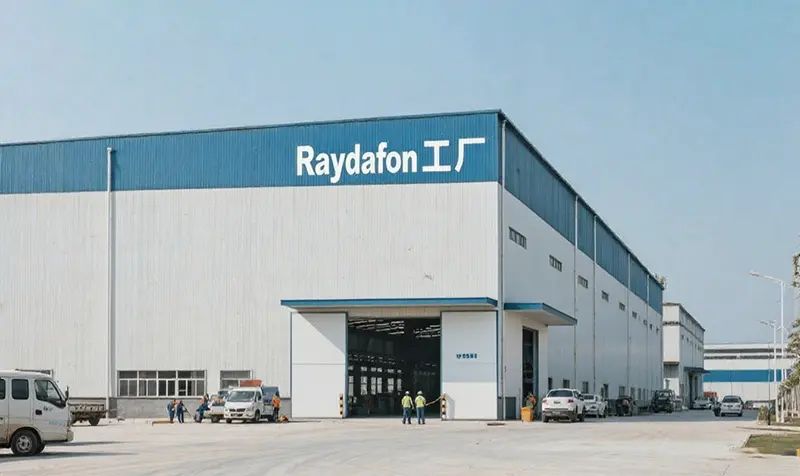
Choosing the right materials is the cornerstone of durability in any engineering project. It's not just about picking the strongest metal or toughest plastic; it involves a careful analysis of factors like environmental exposure, mechanical loads, and lifecycle costs. For instance, in aerospace applications, titanium alloys are often favored over steel due to their superior strength-to-weight ratio and corrosion resistance, even though they come at a higher price point. Similarly, in consumer electronics, manufacturers might opt for aluminum-magnesium alloys for casings, balancing lightweight design with resistance to daily wear and tear. This strategic selection process ensures that products can withstand real-world stresses without premature failure, ultimately saving costs on repairs and replacements.
Once materials are chosen, manufacturing processes play a pivotal role in enhancing their inherent durability. Advances like additive manufacturing, or 3D printing, allow for complex geometries that reduce weak points and distribute stress more evenly across components. In contrast, traditional methods such as forging or casting can be optimized with heat treatments—like tempering or annealing—to improve toughness and resistance to fatigue. For example, in automotive parts, controlled cooling during production can prevent internal stresses that lead to cracks over time. By fine-tuning these techniques, engineers create parts that not only meet performance specs but also last longer under operational demands, providing a clear advantage in competitive markets.
Integrating material selection with manufacturing innovations leads to products that excel in durability. Consider the case of medical implants: using biocompatible materials like cobalt-chrome alloys paired with precision machining ensures long-term functionality within the human body. Alternatively, in renewable energy sectors, coatings applied during manufacturing—such as anti-corrosive layers on wind turbine blades—extend service life in harsh marine environments. This holistic approach not only boosts reliability but also aligns with sustainability goals by reducing waste. Ultimately, it's the synergy between smart material choices and cutting-edge processes that sets durable solutions apart, delivering value through enhanced resilience and reduced maintenance.
Precision Engineering: Tolerances, Tooth Profiles, and Performance Metrics
In the world of mechanical design, precision engineering hinges on the meticulous control of tolerances, which dictate how much variation is acceptable in a component's dimensions. For gears and similar parts, these tolerances ensure that elements fit together seamlessly, minimizing wear and reducing operational noise. Tight tolerances might be crucial in aerospace applications where every micron counts, while industrial machinery could allow for slightly broader ranges to balance cost and durability. By fine-tuning these parameters, engineers can boost efficiency and extend the lifecycle of entire systems.
The tooth profile of a gear, such as involute or cycloidal curves, plays a pivotal role in dictating performance. An involute profile, for instance, offers smoother meshing and consistent force transmission, making it a favorite in automotive transmissions and robotics. In contrast, cycloidal profiles might be chosen for their low friction in high-precision clocks. Each profile impacts factors like load distribution and backlash, so selecting the right one involves weighing trade-offs between speed, torque, and noise levels to meet specific operational demands.
To gauge success, performance metrics like efficiency, durability, and noise levels are assessed through rigorous testing. Real-world scenarios, such as running gears under varying loads and speeds, reveal how tolerances and tooth profiles interact. For example, a gear with tight tolerances but an unsuitable profile might still falter under stress. By integrating these metrics early in design, teams can sidestep costly failures and refine products that not only meet spec but also excel in demanding environments, from heavy machinery to delicate medical devices.
Installation Best Practices and Maintenance Tips for Long-Term Reliability
Getting your setup right from the start can save you headaches down the road. Think of installation as a foundation: if it's shaky, even the best equipment won't hold up. Start by double-checking the manufacturer's specifications for your specific model—don't just rely on general advice, as subtle differences in torque settings or alignment can impact performance. Use high-quality tools and materials; cutting corners here might seem economical, but it often leads to premature wear or failure. Also, consider the environment: factors like humidity, temperature fluctuations, or nearby vibrations should influence your installation choices. For instance, adding extra padding or using corrosion-resistant fasteners in damp areas can significantly extend your system's lifespan. Taking the time to do it meticulously ensures everything operates smoothly and reduces the need for frequent adjustments.
Regular maintenance isn't just about fixing problems as they arise; it's a proactive strategy to keep things running smoothly for years. Create a simple, consistent schedule—maybe monthly or quarterly checks—to inspect key components like connections, seals, and moving parts. Look for signs of wear, such as unusual noises, loose fittings, or minor leaks, and address them promptly before they escalate. Keep a maintenance log to track what you've done and spot patterns over time; this helps you anticipate issues rather than reacting to emergencies. Don't forget to lubricate moving parts as recommended, but avoid over-lubricating, which can attract dirt and cause more harm than good. By staying on top of these small tasks, you're investing in long-term reliability and avoiding costly downtime or replacements.
Adapt your approach based on how often you use the system. For heavy-use setups, increase the frequency of inspections and consider upgrading parts designed for higher durability. In low-use scenarios, focus on preventing stagnation, such as running the system periodically to keep components from seizing. Engage with user communities or forums to pick up tips from others with similar setups; often, real-world experiences offer insights that manuals don't cover. Lastly, review and update your maintenance practices annually, as technology or usage patterns might change. This tailored, attentive care not only boosts reliability but also enhances overall efficiency and safety, making your investment truly worthwhile in the long run.
Comparing Standard vs. Double Pitch Sprockets: Advantages and Use Cases
When selecting sprockets for chain-driven systems, understanding the differences between standard and double pitch models is crucial for optimizing performance and efficiency. Standard pitch sprockets, with their closely spaced teeth, are designed for applications requiring high torque and precise motion control, such as in conveyor belts or industrial machinery. In contrast, double pitch sprockets feature teeth spaced twice as far apart, which reduces material usage and weight, making them ideal for lower-speed or intermittent operations. This distinction influences not only mechanical functionality but also cost and maintenance considerations.
The advantages of standard pitch sprockets lie in their robustness and reliability under heavy loads, ensuring minimal slippage and wear over time. They are often preferred in settings where consistent power transmission is non-negotiable, such as automotive engines or agricultural equipment. On the other hand, double pitch sprockets excel in scenarios where efficiency and weight savings are prioritized, like in packaging lines or light-duty automation. Their design allows for longer chain life due to reduced friction, which can lead to lower operational expenses in the long run.
Use cases for these sprockets vary significantly across industries. For instance, in manufacturing plants where precision is key, standard models are typically deployed to handle repetitive tasks without faltering. Conversely, in applications like material handling or ventilation systems, double pitch versions might be chosen to accommodate slower speeds while cutting down on noise and energy consumption. By weighing factors such as load capacity, speed requirements, and environmental conditions, engineers can make informed decisions that enhance system durability and performance, tailoring choices to specific operational needs without compromising on quality.
Innovations and Trends in Double Pitch Sprocket Technology and Customization
In the realm of mechanical power transmission, double pitch sprockets have emerged as a game-changer, offering enhanced efficiency and reduced wear. Recent innovations focus on advanced materials like high-strength alloys and composites, which significantly boost durability and performance under heavy loads. Additionally, precision manufacturing techniques, such as CNC machining and laser cutting, allow for tighter tolerances and smoother operation, minimizing noise and vibration in industrial applications.
Customization trends are reshaping how these components are tailored to specific needs. Engineers now emphasize modular designs that enable quick adjustments for varying chain pitches and configurations, reducing downtime during maintenance. Moreover, the integration of smart sensors and IoT compatibility in some sprockets provides real-time monitoring of condition and performance, helping businesses optimize their operations and predict maintenance schedules more accurately.
Looking ahead, the industry is leaning towards eco-friendly solutions, with a push for sustainable materials and energy-efficient designs. This includes using recycled metals and coatings that extend lifespan without compromising functionality. As demand grows for specialized applications in sectors like agriculture and robotics, customization options are expanding to include bespoke teeth profiles and lightweight structures, ensuring double pitch sprockets remain versatile and forward-thinking in modern machinery.
FAQ
Double pitch sprockets are commonly employed in conveyor systems and slow-speed drives where longer chain pitches are needed to accommodate larger distances between sprockets, reducing costs and maintenance while improving efficiency in applications like packaging or material handling.
Unlike standard sprockets that have uniform tooth spacing, double pitch sprockets feature teeth spaced at twice the pitch of the chain, which allows them to use lighter chains and reduce overall system weight without compromising performance in low-speed scenarios.
Common materials include steel for durability in heavy-duty environments, stainless steel for corrosion resistance in wet or chemical settings, and sometimes plastics or composites for lightweight applications where noise reduction is a priority.
Yes, manufacturers often offer customization options such as varying tooth profiles, bore sizes, and special coatings to suit unique requirements in industries like agriculture, automotive, or food processing, ensuring optimal fit and function.
Regular lubrication is key to minimize wear, along with periodic inspections for signs of tooth damage or misalignment. Ensuring proper chain tension and avoiding overload conditions can also prevent premature failure and maintain smooth operation.
Integration challenges may include aligning with non-standard chain pitches or adapting mounting hardware, but these can be mitigated by consulting with manufacturers for compatibility checks and using adjustable components to ease installation.
Extreme temperatures can cause material expansion or contraction, potentially affecting fit and wear, while high humidity may lead to corrosion if not using resistant materials; selecting appropriate alloys and protective coatings helps address these issues in harsh conditions.
Conclusion
Double pitch sprockets play a pivotal role in modern mechanical systems, offering unique advantages over standard sprockets in specific applications. This guide delves into key design principles and applications, emphasizing their suitability for light-duty or slow-speed operations where reduced wear and noise are priorities. Material selection and manufacturing processes are critical for durability, with considerations like heat treatment and precision machining enhancing longevity. By comparing standard versus double pitch sprockets, manufacturers can identify use cases where increased pitch distances optimize performance, such as conveying systems or agricultural machinery.
Precision engineering aspects, including tolerances and tooth profiles, directly influence metrics like efficiency and load capacity, ensuring reliable operation under varying conditions. Installation best practices and maintenance tips further support long-term reliability by preventing misalignment and wear. Innovations in sprocket technology, such as customizable designs and advanced materials, continue to evolve, enabling tailored solutions for diverse industrial needs. This comprehensive resource empowers engineers to implement these components effectively, balancing cost, performance, and sustainability in their projects.
Contact Us
Contact Person: Mr. Shen
Email: [email protected]
Tel/WhatsApp: +86-574-87168065
Website: https://www.transmissions-china.com/