

Custom Solar Carports: Innovative Solutions for Renewable Energy
2026-01-11
In a world increasingly focused on sustainability, custom solar carports are emerging as a powerful and versatile solution for renewable energy generation. These innovative structures not only provide shelter for vehicles but also harness the sun’s power, transforming unused spaces into clean energy hubs. At Energet Solar, we specialize in designing and installing tailored solar carport systems that blend functionality with cutting-edge technology. Whether you’re looking to reduce your carbon footprint, save on energy costs, or add value to your property, our solutions offer a smart and forward-thinking approach. Join us as we explore how custom solar carports are revolutionizing renewable energy and discover how Energet Solar can help you take the next step toward a greener future.
Introduction to Custom Solar Carports: A New Era of Renewable Energy Integration
In recent years, the push for renewable energy solutions has led to innovative integrations, and custom solar carports stand at the forefront of this movement. By transforming ordinary parking spaces into functional, energy-generating structures, these setups not only provide shade and protection for vehicles but also seamlessly incorporate solar panels into everyday urban and suburban environments. This dual-purpose design allows businesses, homeowners, and communities to maximize land use while making a tangible impact on their carbon footprint, fostering a more sustainable future with minimal disruption to existing infrastructure.
Unlike traditional ground-mounted solar farms or rooftop installations, custom solar carports offer a unique blend of aesthetics and practicality that can be tailored to specific needs. From sleek, modern designs for commercial complexes to rustic, camouflaged versions for residential areas, the flexibility in materials, shapes, and sizes ensures they fit seamlessly into various landscapes. This customization extends beyond mere appearance, as engineers can optimize panel angles and positioning for maximum energy efficiency based on local climate and sun exposure, making each installation a bespoke solution rather than a one-size-fits-all approach.
The integration of solar carports marks a significant step in the renewable energy landscape, empowering users to take control of their energy production while enhancing property value and resilience. With advancements in battery storage and smart grid technology, these structures can store excess energy for later use or feed it back into the local grid, creating decentralized energy networks that reduce reliance on fossil fuels. As more regions adopt supportive policies and incentives, custom solar carports are poised to become a common sight, driving a new era where renewable energy is not just an addition but an integral part of our built environment.
Design Innovations in Solar Carports: Tailoring Solutions for Diverse Environments
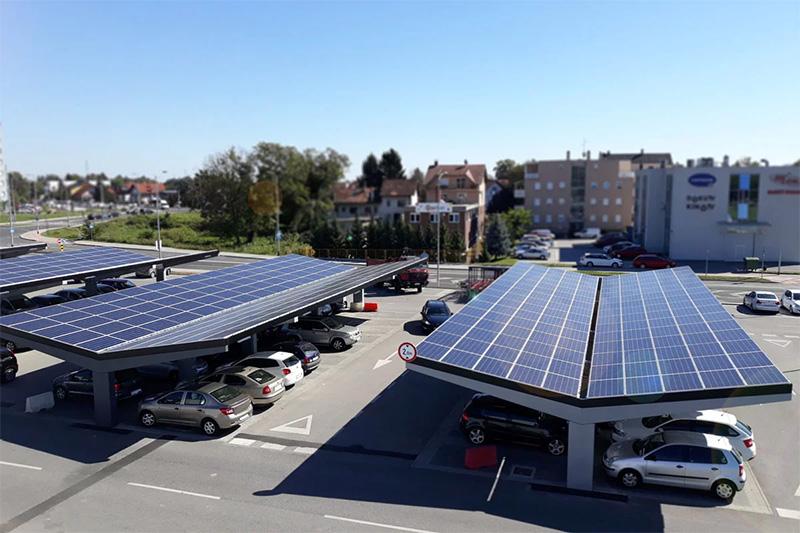
In recent years, solar carports have evolved from standardized installations to sophisticated solutions that adapt seamlessly to various environments. These innovations address specific challenges posed by different climates, urban settings, and usage patterns. For instance, in sun-drenched desert regions, advanced cooling technologies and durable materials are integrated to withstand extreme heat, while in coastal areas, corrosion-resistant components protect against salt spray. This environmental adaptability ensures optimal performance and longevity, making solar carports a resilient choice across diverse geographical zones.
Beyond physical adaptations, design innovations focus on maximizing energy efficiency and user experience. Smart systems now incorporate adjustable panels that track sunlight angles, boosting solar capture in temperate or variable-weather locations. In urban contexts where space is limited, modular designs allow for scalable installations that blend aesthetically with surrounding architecture. Features like integrated electric vehicle charging stations and battery storage units further tailor these structures to modern energy needs, reducing grid dependence and enhancing sustainability in both residential and commercial applications.
The push for customization extends to safety and regulatory compliance, with designs that meet local building codes and weather resilience standards. In snowy regions, robust frameworks support heavy loads, while in hurricane-prone areas, reinforced structures ensure stability. These tailored approaches, combined with advancements in materials and technology, position solar carports as versatile, future-ready solutions. By prioritizing context-specific needs, the industry is driving broader adoption and setting new benchmarks for eco-friendly infrastructure development.
Material and Construction Benefits: Enhancing Durability and Sustainability
By leveraging advanced materials like high-performance composites and recycled steel, we not only boost structural integrity but also significantly extend the lifespan of our projects. These innovations reduce maintenance needs and withstand harsh environmental conditions, ensuring long-term reliability without compromising on safety or aesthetics.
Sustainability is woven into every construction phase, from sourcing locally to minimizing waste through modular designs. This approach cuts carbon footprints and conserves natural resources, aligning with global eco-friendly standards while delivering cost-effective solutions for modern living and working spaces.
Our commitment blends durability with eco-conscious practices, creating buildings that endure for generations while respecting the planet. This dual focus captures the essence of resilience and responsibility, setting a new benchmark in the industry that prioritizes both people and the environment.
Energy Efficiency and Cost Savings: Practical Advantages for Everyday Use
In today's homes and offices, making devices and systems energy-efficient isn't just about being eco-friendly—it directly translates into noticeable savings on utility bills. By optimizing how energy is used, from smart thermostats that adjust temperatures based on your schedule to LED lighting that consumes less power while lasting longer, everyday tasks become more cost-effective. This means less money spent on electricity and heating, freeing up funds for other priorities without compromising comfort.
Beyond the immediate financial perks, energy efficiency enhances the longevity and reliability of equipment. Appliances designed to use less energy often run cooler and with less strain, reducing wear and tear over time. This translates to fewer repairs and replacements, adding up to substantial long-term savings. For instance, an energy-efficient refrigerator not only cuts down on monthly energy costs but also tends to have fewer breakdowns, making it a smarter investment for daily use.
Moreover, adopting energy-saving practices in daily routines, such as unplugging devices when not in use or using natural light during the day, can collectively lead to significant reductions in energy consumption. These small, practical steps empower individuals to take control of their expenses while contributing to a more sustainable lifestyle, proving that efficiency and savings go hand in hand in everyday scenarios.
Case Studies and Real-World Applications: Success Stories Across Various Sectors
From retail giants to tiny startups, organizations everywhere are harnessing innovative tools to solve real-world challenges. A notable example is a healthcare provider that implemented advanced data analytics to predict patient admissions, reducing wait times by 30% and boosting satisfaction scores. This success wasn't just about numbers; it transformed how staff interact with patients, creating a more responsive and caring environment.
In the manufacturing sector, a company faced frequent equipment breakdowns until they adopted predictive maintenance technologies. By analyzing sensor data, they caught failures before they happened, slashing downtime by half and saving millions in repairs. The ripple effect was profound: smoother production lines led to on-time deliveries, strengthening relationships with key clients and opening doors to new markets.
Education isn't left behind either, with universities using personalized learning platforms to tailor courses to student needs. One institution reported a 25% increase in graduation rates after introducing adaptive assessments, while students praised the engaging, story-driven content that made complex subjects accessible. These stories aren't isolated wins; they inspire others to rethink traditional approaches and embrace change.
Future Trends in Solar Carport Technology: Expanding Possibilities for Green Energy
As solar carports gain momentum, they're evolving beyond basic shade-and-energy structures. Expect smarter designs with integrated battery storage and IoT sensors, allowing for real-time monitoring and optimized energy use. This shift turns carports into dynamic hubs that not only power vehicles but also feed surplus electricity back into grids, enhancing local energy independence.
Innovations in materials, like transparent solar panels and lightweight, durable frameworks, are making solar carports more versatile and aesthetically pleasing. These advancements enable seamless integration into urban landscapes, from corporate campuses to public parking lots, without compromising on style or function. By blending form and function, they're becoming a practical choice for businesses and communities aiming to reduce carbon footprints.
Looking ahead, solar carports could incorporate vehicle-to-grid (V2G) technology, enabling electric cars to act as mobile energy sources. This trend opens up new revenue streams for owners and supports grid stability during peak demand. As costs drop and efficiency rises, solar carports are poised to play a key role in the broader push toward sustainable, decentralized energy systems.
FAQ
Custom solar carports are canopy structures designed to shelter vehicles while generating solar energy. Unlike standard rooftop solar setups, they're tailored to specific spaces, such as parking areas, and can incorporate design elements that blend with local aesthetics or maximize energy output, offering a dual purpose of protection and power generation.
They're ideal when roof space is limited, damaged, or unsuitable for solar, or when there's a need for additional covered parking. Custom carports can also be built in open areas like commercial lots, providing renewable energy without competing with building use, and they often have lower mounting costs compared to complex rooftop installations.
Innovations might include integrated lighting for nighttime use, smart monitoring systems to track energy production, durable materials like aluminum or steel for weather resistance, and designs that allow for electric vehicle (EV) charging stations. Some even incorporate rainwater collection or green roofing elements to enhance sustainability.
They utilize underused spaces like parking lots to generate clean electricity, reducing grid reliance and lowering carbon footprints. In urban areas, they can help meet local renewable energy targets, support EV infrastructure, and provide shade that minimizes heat island effects, all while offering a visible commitment to sustainability.
Important factors include assessing site conditions (like sun exposure and soil stability), local zoning and building codes, budget for materials and installation, energy needs, and maintenance plans. Custom designs should also account for future expansions or technology upgrades to ensure long-term viability.
Yes, over time, they can be cost-effective by reducing electricity bills through solar generation and potentially earning income from excess power sold back to the grid via net metering. Tax incentives, rebates, and increased property value can further offset initial costs, making them a smart investment for many properties.
They have a positive environmental impact by generating renewable energy instead of relying on fossil fuels, reducing greenhouse gas emissions. Additionally, they often use sustainable materials and provide shade that can decrease water evaporation and runoff, contributing to overall ecosystem health in developed areas.
Challenges include high upfront costs, navigating permits, and ensuring structural durability. These can be mitigated by working with experienced installers, exploring financing options, conducting thorough site assessments, and choosing weather-resistant designs with warranties to ensure reliability and compliance.
Conclusion
Custom solar carports represent a significant advancement in renewable energy integration, marking a new era where sustainable power generation seamlessly blends with everyday infrastructure. By offering tailored solutions that adapt to diverse environments—from corporate campuses to residential properties—these structures go beyond traditional solar panels. Innovative designs incorporate considerations for local climate, space optimization, and aesthetic appeal, ensuring that solar carports are not only functional but also enhance the visual landscape. This approach transforms otherwise unused parking areas into productive energy hubs, demonstrating how renewable technology can be embedded into urban and rural settings without compromising usability or design integrity.
The practical benefits of custom solar carports extend far beyond energy production, with materials and construction methods emphasizing durability and sustainability to withstand environmental challenges while reducing long-term maintenance costs. Real-world applications across various sectors, from commercial to educational institutions, showcase substantial energy efficiency gains and cost savings, making renewable energy accessible and economically viable. Looking ahead, emerging trends in solar carport technology promise expanded possibilities for green energy, including smart grid integration and enhanced storage capabilities. As demonstrated by numerous success stories, these innovative solutions are not just a niche alternative but a scalable, impactful component of the global shift toward sustainable energy systems.
Contact Us
Contact Person: Simon
Email: [email protected]
Tel/WhatsApp: 8613672181100
Website: https://energetsolar.com/