

China Portable Fuel Dispenser Essentials for Mobile Fueling Needs
2026-09-29
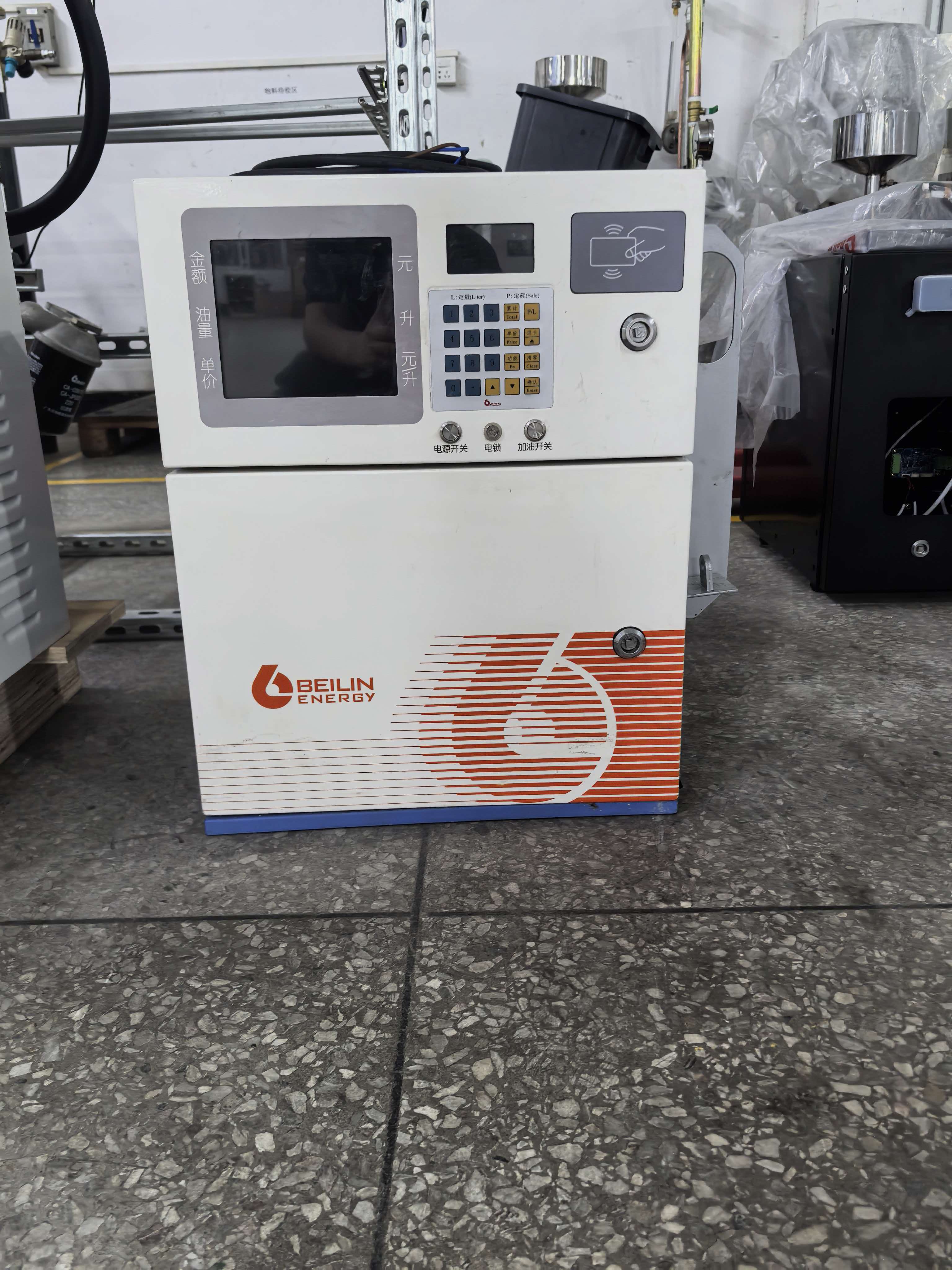
When fueling needs move beyond the station, BEILIN portable fuel dispensers deliver precision and reliability without the wait. Whether you're managing a remote fleet, running agricultural equipment, or handling emergency refueling, having the right dispenser changes everything. This guide covers the essentials you need to know before choosing a mobile fueling solution that won't let you down.
Why a Compact Chinese Fuel Pump Beats Hauling Jerry Cans
You're crouched beside a dirt road, trying to angle a 20-liter jerry can over the fuel filler without dousing your boots. The wind kicks up, the can slips, and half a liter sloshes onto the ground. Now picture a palm-sized pump clipped to the can's mouth, a thin hose running into the tank, and fuel moving on its own while you stand and stretch. That's the difference a compact transfer pump makes—it removes the lifting, the balancing, and the guesswork from refueling, especially when you're alone or the vehicle sits high.
These little pumps weigh less than a full water bottle and slip into a glovebox or tool roll, yet they move fuel at a steady clip—enough to fill a dirt bike, generator, or tractor without back strain. Most run off a 12V socket, a power bank, or even a couple of AA batteries, so you're not tied to a workshop. Compared to hauling jerry cans back and forth, a compact pump means fewer trips, zero spills from tired arms, and no more finding a rock to prop the can at just the right angle. Over a season of camping, farming, or trail riding, it saves your back and your fuel budget at the same time.
Flow Rate and Power Options That Actually Matter
Don't get fooled by the big number on the box. Most flow ratings are taken at zero head, meaning the pump is moving water horizontally with no vertical lift and no restrictions. Add a few feet of tubing, a couple of elbows, and a filter, and the actual output can drop by half or more. Look for a manufacturer that publishes a full performance curve, then map your system's total dynamic head against it. If the curve shows 300 gallons per hour at your working height, that's the number to trust—not the 600 on the label.
Power is about more than wattage. A high-wattage pump with a poorly designed impeller can still underperform a lower-wattage unit that uses a brushless motor and tighter clearances. Check whether the motor is rated for continuous duty if you plan to run it all day, and see if it includes basic protections like thermal overload shutoff or dry-run detection. For variable workloads, a DC pump with a speed controller gives you better control than buying an oversized AC motor and throttling the output with a valve.
Match both flow and power to the actual job, not to a worst-case fantasy. Too much flow can cause splashing, noise, or even damage in small recirculating systems, while too little leaves you constantly waiting. If your needs shift between tasks, choose a model with multiple flow settings or a modular design that lets you swap impellers. That flexibility usually costs less in the long run than a single powerful pump that runs at full blast all the time.
Built-In Safety Features You Shouldn't Overlook
Many drivers assume the most advanced safety tech requires optional packages, but a surprising number of built-in features ship standard and go completely unused. Take automatic high-beam assist, for instance—it quietly switches between high and low beams based on oncoming traffic, yet plenty of owners disable it because they find the transitions distracting, not realizing how much it reduces glare for everyone on the road. Another one is lane departure warning, which nudges you back if you drift without signaling. It often gets tuned out as an annoyance, but on long highway stretches it can catch the exact moment fatigue sets in.
Then there are the ones hiding in plain sight, like blind-spot monitoring and rear cross-traffic alert. People lean on their mirrors and quick head turns, thinking that's enough, but these systems see what you can't, especially when a bicycle slides into your blind spot in stop-and-go traffic. Even simpler: tire pressure monitoring. A lot of drivers glance at the warning light and think, "I'll deal with it later," without recognizing that a slow leak at highway speed can turn into a blowout faster than you'd expect. These aren't gimmicks—they're passive guardians that work whether you remember them or not.
What's easy to overlook is how much these built-in features reduce the mental load of driving. Adaptive cruise control isn't just for long trips; it keeps a safer following distance in rush hour without constant pedal adjustments. A 360-degree camera seems like a parking luxury, but it prevents countless low-speed scrapes that insurance won't fully cover. The point isn't to rely on them blindly, but to recognize that they're already installed, already paid for, and already working behind the scenes. Spending ten minutes in the owner's manual to understand what your car came with could make the difference between a near miss and a collision you never saw coming.
Matching the Dispenser to Your Fuel Type and Viscosity
Thin fuels like gasoline or kerosene flow almost like water, so a dispenser with tight seals and a fast-acting valve keeps metering accurate and prevents dribbling after the nozzle shuts off. Heavier fuels—diesel, biodiesel blends, or heating oil—carry more lubricity but also more resistance. For these, look for a pump rated for continuous duty with slightly larger clearances, otherwise the motor can strain and the meter may drift over time.
Viscosity changes with temperature, not just fuel grade. A dispenser that works fine in summer can struggle with the same fluid at 5°C, so cold-weather operation usually calls for a gear pump or a positive-displacement design rather than a basic centrifugal unit. If you handle more than one product, pay attention to the viscosity range stamped on the nameplate—pushing a unit beyond that range is the quickest way to shorten seal life and invite calibration errors.
For thicker fluids such as gear oils or heavy waste oil, skip dispensers built around standard gasoline nozzles. Instead, choose a lower-speed pump with a built-in bypass or pressure relief, and pair it with a high-flow, large-orifice nozzle. Matching these components to actual viscosity, rather than just the fuel label, keeps flow steady and reduces the mess and maintenance that come from forcing a fluid through the wrong hardware.
Installation and Power Setup for Remote Locations
Setting up reliable power in remote areas isn't simply a matter of plugging into the nearest outlet. It demands a careful audit of what equipment actually needs to run, for how long, and under what environmental stresses. Start by mapping out your load requirements in watts or amps, then overbuild your generation and storage capacity by at least twenty percent to account for cloudy days, temperature swings, and unexpected draw. For most off-grid installations, a hybrid system combining solar panels, a small wind turbine, and a battery bank offers better uptime than a single source. Grounding and surge protection are often skipped in haste, but in locations exposed to lightning or unstable grid tie-ins, they're the difference between a minor hiccup and a total system rebuild.
Battery placement and cabling deserve more attention than they usually get. Lead-acid batteries vent hydrogen and need a ventilated, temperature-stable enclosure; lithium iron phosphate packs tolerate wider ranges but still dislike direct sun and freezing conditions. Run your DC wiring with oversized copper to minimize voltage drop over distance—every meter of undersized cable quietly steals power you already paid to generate. Use a busbar system with clear labeling, and install a battery monitor that tracks state of charge by amp-hours rather than voltage alone. For installations above 3,000 meters or in extreme cold, derate your inverter output and add heating pads to the battery bank. A simple weatherproof disconnect switch near the array makes maintenance safer and faster.
Finally, think about long-term serviceability. Remote sites punish equipment that can't be fixed with basic tools, so favor components with detachable terminals, replaceable fuses, and locally available spare parts. Document your wiring with a laminated one-line diagram inside the enclosure, and leave slack in every cable run to allow for thermal movement or future reconfiguration. If the site is truly isolated, add a small generator input with an automatic transfer switch as a last-resort backup, but set it to exercise once a month so it doesn't seize from disuse. Power reliability in the backcountry comes from redundancy, realistic load planning, and the discipline to build as if no technician will visit for a year.
Care and Troubleshooting for Long-Term Reliability
Long-term reliability rarely hinges on a single heroic fix. It builds from small, consistent habits: cleaning contact surfaces before they corrode, checking torque on fasteners after the first few weeks of use, and listening for changes in pitch or vibration that indicate early wear. Most failures we see in the field trace back to skipped inspections rather than sudden part defects.
When something does drift out of spec, resist the urge to swap parts at random. Start with the simplest variables first—power stability, cable seating, filter cleanliness—and keep a dated log of what you adjusted. That record turns intermittent gremlins into patterns, and it often reveals that the real fix is a tightened connection or a freshened lubricant rather than an expensive replacement.
FAQ
Focus on flow rate, power source, and compatibility with the fuels you handle. A unit that can run off a vehicle's DC supply or a small generator gives you flexibility in the field, and you'll want a meter that stays accurate even with frequent starts and stops.
Most models are built for one fuel type because seals and internal components differ. Some have interchangeable kits, but it's safer to keep separate units or verify that all wetted parts are rated for the specific fuel to avoid leaks or premature wear.
For refueling a few vehicles or equipment on a job site, 40 to 80 liters per minute is usually enough. Higher flow rates speed up large tanks but can cause foaming with diesel or make precise fills harder, so match the rate to the typical tank size you're filling.
Regular calibration against a known volume is the biggest factor. Also, replace filters before they clog, and check the meter's moving parts for wear. Dust and temperature swings on mobile units can throw off measurements faster than on stationary pumps.
They can be, provided the motor is rated for continuous duty and you don't run it dry. Many Chinese-made DC dispensers use brushless motors now, which last longer and draw less current, but always check the duty cycle rating—some are only meant for intermittent transfer, not all-day fueling.
Look for a built-in breakaway coupling, a nozzle with an automatic shut-off, and grounding provisions. An overflow cutoff and a filter with a water separator are also useful, especially when you're refueling equipment far from a fixed fuel station.
Yes, outdoor-rated hoses with UV and abrasion resistance are worth the extra cost. A nozzle with a swivel and a dust cap helps prevent contamination. Make sure the hose length matches how far you need to reach from the vehicle or trailer to the equipment being fueled.
Conclusion
Anyone who has wrestled a full jerry can over rough ground knows the appeal of a portable fuel dispenser built for real mobility. The better Chinese units now pair a compact frame with a steady transfer rate, so you can fill a tractor, generator, or work boat from a drum or slip tank without spills or back strain. Flow rate matters less than consistency: a pump that can push 40 to 60 liters per minute through a standard nozzle will handle most jobs, while a 12V or 24V motor gives you flexibility on trucks, ATVs, and off-grid battery banks. Look for a sealed switch, thermal overload protection, and an auto-stop nozzle; these small details prevent fuel soaking your gear or a stalled motor in the middle of a refill.
Matching the pump to what you actually move is just as critical. Diesel, gasoline, and thicker oils need different seal materials and hose ratings, so a dispenser rated for diesel may not hold up with high-viscosity fluids unless the manufacturer explicitly allows it. For remote work, direct battery hookups with a fuse and a clean mounting point are usually enough to get running in minutes, though you'll want a return line or bypass valve if the nozzle shuts off while the pump keeps spinning. The units that last are the ones you can clean easily: flush the pump head after dusty jobs, check O-rings at the quick-connect, and keep the inlet screen clear. A spare impeller kit and a few extra nozzle seals cost little and save you from a dead pump halfway through a busy week.
Contact Us
Contact Person: Jason
Email: [email protected]
Tel/WhatsApp: 8615876017548
Website: https://www.bei-lin.com/