

China Fuel Station Management System Best Practices for Efficient Operations
2026-10-04
Running a fuel station in China means juggling tight margins, strict compliance, and constant traffic flow. Yet many operators still rely on outdated spreadsheets or disconnected tools that leave money on the table. What if the difference between barely breaking even and steady growth comes down to a few operational shifts? From smarter inventory control to faster payment handling, these best practices reshape daily workflows. And with a trusted partner like BEILIN providing management systems built for local realities, turning chaos into clarity is more achievable than you might think.
Rethinking Shift Rotations Around Actual Pump Traffic
Most fuel stations still run shifts on a fixed clock. Morning crew arrives at six, afternoon at two, night at ten. But pump traffic doesn't care about those boundaries. On a Tuesday, the rush might hit at 11:40 when a nearby factory lets out. On Saturday, the flow is steady until noon, then falls off a cliff. Holding to rigid handover times means you're either overstaffed during dead hours or scrambling when a line of cars suddenly snakes around the lot.
A smarter approach ties shift rotations to actual pump activity. Instead of pre-set times, managers can use flow meters or point-of-sale data to spot when transaction volume crosses a threshold. When the count per hour climbs past, say, 40 for two consecutive fifteen-minute windows, that's the signal to bring in the next cashier or pump attendant. The handover happens on the floor, not in the break room, so no one is left watching a queue build while waiting for a relief that arrives too late.
This isn't about making schedules chaotic. It's about building a rotation buffer. Keep core staff on predictable hours for payroll sanity, but add a flexible layer of part-timers or cross-trained employees who can clock in with short notice when the data spikes. It takes a little more coordination, but the payoff is fewer abandoned transactions, shorter wait times, and less idle labor during lulls. In the end, you're not rethinking shifts for the sake of novelty—you're aligning human resources with the only metric that matters: how many cars actually pull up to the pump.
Inventory Habits That Prevent Stockouts Without Tying Up Capital
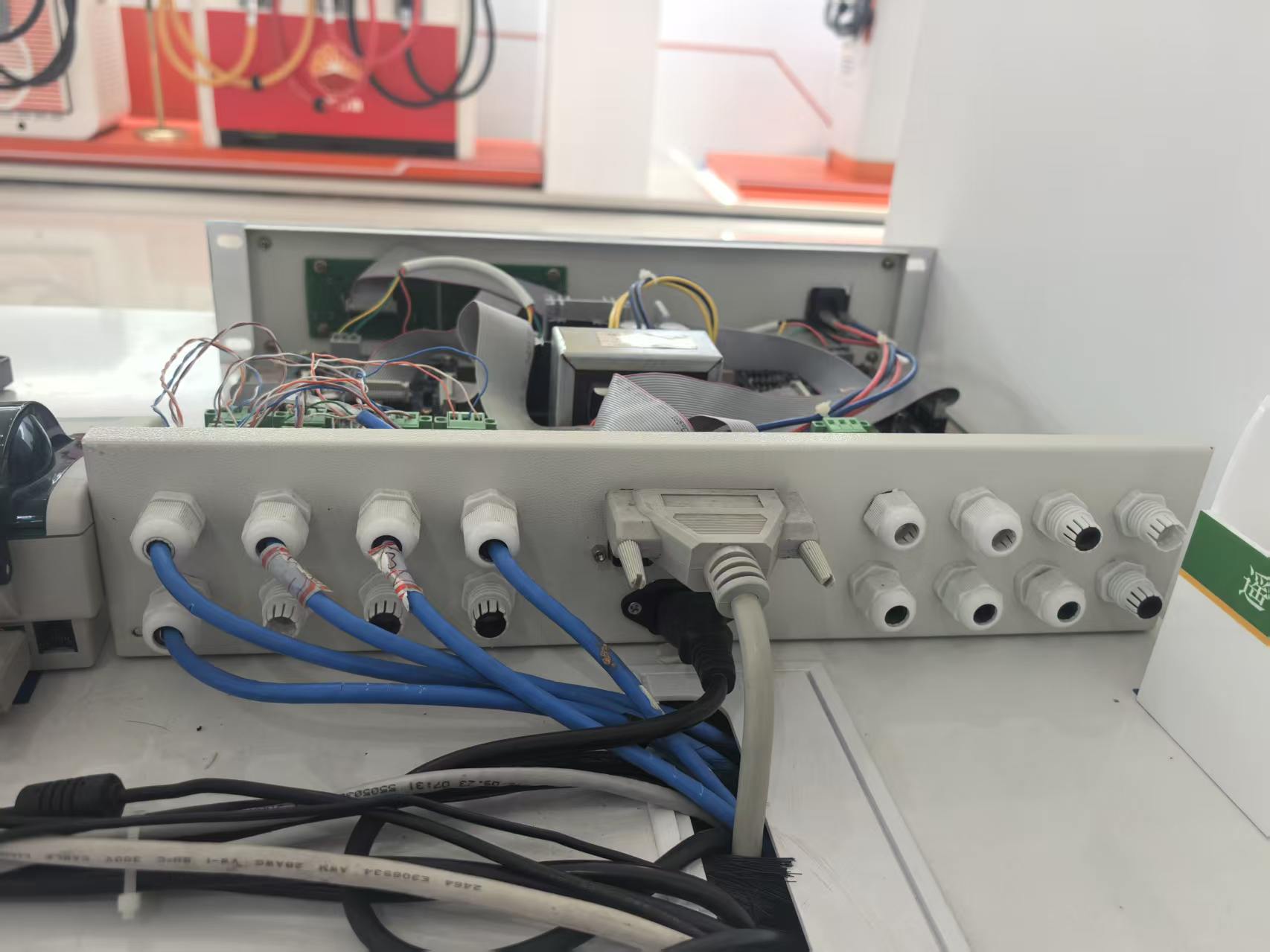
Keeping stockouts at bay without sinking cash into excess inventory starts with treating reorder points as living numbers. Rather than relying on a fixed buffer, pull your last 90 days of sales, factor in supplier lead times, and adjust minimum stock levels weekly or monthly. This way, you only hold what recent demand actually supports—plus a slim cushion for variability—instead of a blanket three-month supply for every SKU.
Another habit is shifting the burden of safety stock to your suppliers through shared forecasts and shorter replenishment cycles. When vendors get a weekly demand signal and agree to split deliveries, you can cut your own on-hand inventory by half or more. For high-turnover items, a simple two-bin system works well: when the first bin empties, you reorder, and the second bin covers you until the shipment arrives. It’s low-tech but surprisingly effective.
Finally, run a tight ABC analysis and let the results drive your stocking rules. “A” items that generate most of your revenue deserve real-time monitoring and a slightly deeper buffer, but “C” items can often sit at near-zero with a longer reorder lead time. Cycle count your top movers weekly and the slow movers monthly; this keeps inventory records accurate without a full physical count, so your system can trust its own reorder triggers.
Maintenance Checklists Designed for China's High-Throughput Forecourts
High-volume forecourts across China rarely slow down, so a static maintenance routine quickly falls behind. The checklists here are built around peak-hour realities: dispenser nozzle wear, vapor recovery line blockages, and payment terminal responsiveness all get inspected during brief lulls rather than after closing. Each item includes a time estimate and a clear pass/fail threshold, so staff can act immediately instead of logging issues for later.
Rather than treating all lanes equally, these checklists weight the busiest fueling positions. A pump that averages 300 transactions a day needs different attention than one used by occasional trucks. Daily checks focus on hose retraction, breakaway coupling integrity, and underground tank pressure alarms. Weekly rounds add deeper items like filter differentials and canopy lighting above the forecourt, which affects both safety and transaction speed at night.
The goal is not just uptime but predictable throughput. When a maintenance task takes more than five minutes, the checklist flags whether it should shift to an off-peak window or trigger a lane closure. This keeps routine work from turning into a queue-building event. For China's busiest sites, that kind of operational awareness matters more than a generic equipment list.
Simplifying Payment Steps to Keep Lines Moving at Peak Hours
During the lunch rush, every extra tap on a card reader or prompt on a screen feels like a slowdown. Cutting payment friction starts with remembering regulars: storing a default card, skipping the PIN for low-value orders, and auto-applying loyalty discounts so customers only need one confirmation before walking away.
Mobile ordering can flatten the line before it even forms. When guests scan a QR code at the table or in the queue, pay ahead, and just pick up their order, the register stops being a bottleneck. For in-person checkouts, contactless readers that accept phones and watches turn a 30-second exchange into a quick tap.
Fewer steps also means fewer mistakes and less staff intervention. When the payment flow is tight, cashiers can keep their eyes on the queue instead of troubleshooting a stalled terminal. At peak hours, that rhythm is what keeps customers moving and revenue flowing.
Training Staff to Spot Irregular Meter Readings Before They Escalate
Rather than waiting for a billing dispute or a damaged meter, utility teams benefit from learning to read the subtle signatures hidden in consumption data. A sudden flatline in a normally active account, a spike that doesn't match weather or occupancy shifts, or a reverse-reading pulse can all point to issues long before customers notice. Training should pair these patterns with real-world examples pulled from previous service logs, so staff learn to trust their instincts while checking against known baselines.
One effective exercise is to have trainees review a week's worth of anonymized readings and mark any that feel "off," then compare notes. A meter that jumps 40% in a mild month might be a leak rather than a lifestyle change; a small business with residential-like usage after hours could indicate a faulty timer or unauthorized tap. The goal is not to turn every reader into an analyst, but to sharpen their sense of what normal looks like for different property types and seasons.
Finally, make escalation a natural next step, not a rare event. Pair each irregular pattern with a simple decision rule: if consumption deviates more than a set percentage from the prior three comparable periods, flag it for a second look. When staff know exactly when and how to raise a concern—and see that their flags lead to quick field checks—they become a reliable early-warning system, catching failing meters, leaks, and even theft before they escalate into costly repairs or angry calls.
Using Daily Sales Patterns to Adjust Fuel Orders and Staffing
Instead of relying on weekly averages, pull hourly transaction logs from the point-of-sale system for the last six to eight weeks. Look for recurring spikes around school pickup times, shift changes at nearby factories, or weekend tourist traffic. When you spot a pattern, mark it on a simple spreadsheet with the day, hour, and fuel grade. This granular view beats the usual Monday-versus-Sunday guesswork because it shows exactly when your tanks drain fastest and which register lanes need backup.
Once those patterns are clear, shift fuel delivery requests to match actual consumption rather than a fixed schedule. If your diesel pumps spike between 5 a.m. and 7 a.m. on weekdays, ask the supplier to top off late the previous night instead of mid-morning. For a location near a sports venue, coordinate a partial load on game days only. The goal is to avoid running dry during peak hours while also not carrying excess inventory that ties up cash and risks evaporation loss in hot weather.
Staffing adjustments work best when tied to fifteen-minute intervals, not whole shifts. If receipts show a fifteen-minute coffee-and-fuel rush at 7:45 a.m., schedule one extra cashier from 7:30 to 8:15 instead of adding a full morning person. Conversely, if Tuesday afternoons are dead, let a part-timer leave early and shift those hours to Friday evening when sales climb. Rotate these micro-shifts weekly and watch for changes when school terms end or road construction reroutes traffic.
FAQ
Long queues during peak hours and manual reconciliation errors often slow down daily operations. A well-designed system can automate fuel dispenser data capture and integrate with payment channels, reducing wait times and preventing discrepancies between pump readings and sales records.
Real-time tracking prevents stockouts and over-ordering by monitoring tank levels continuously. It also flags abnormal fuel loss from leaks or theft, allowing managers to act before small losses become major financial drains.
Shift management tools help balance workloads by tracking employee hours and pump assignments. They also create clear handover records, so the next shift knows about pending issues like equipment faults or unresolved customer complaints without lengthy briefings.
Integrating WeChat Pay, Alipay, bank cards, and fleet cards into one backend eliminates the need to manually match transactions from different terminals. The system automatically aligns each payment with the corresponding pump transaction, cutting end-of-day closing time significantly.
It should support convenience store inventory, promotions, and cross-selling prompts at the point of sale. Linking fuel and non-fuel purchases in one customer profile allows staff to offer targeted discounts, like a free coffee with a certain fuel volume, boosting overall margins.
Digital checklists and automated alerts ensure regular inspections of tanks, pipes, and fire equipment are not skipped. The system logs each check with timestamps and staff IDs, creating an audit trail that satisfies local safety bureau requirements without relying on paper forms.
Owners with multiple stations need to compare performance without traveling to each site. Remote dashboards show hourly sales, inventory levels, and staff attendance per station, making it possible to spot underperforming locations early and allocate resources where they are needed most.
By analyzing historical traffic patterns, the system can predict rush periods and suggest dynamic staff scheduling or temporary pump assignments. Some systems also integrate with queue sensors to guide customers to the shortest line, reducing congestion and improving throughput.
Conclusion
Efficient operation at China's fuel stations starts with rethinking how staff are deployed. Rather than sticking to rigid shift rotations, managers analyze actual pump traffic patterns to align manpower with peak and off-peak hours, ensuring the forecourt never feels understaffed. Inventory habits also play a critical role: by tracking real-time sales and setting smart reorder points, stations avoid both costly stockouts and excess capital tied up in unused fuel. For high-throughput locations, maintenance checklists are tailored specifically to the heavy daily use of dispensers and nozzles, catching wear and tear before it disrupts service.
At the payment end, simplifying transaction steps—such as integrating faster mobile payment options or pre-authorization—keeps lines moving during rush hours, reducing driver frustration and increasing throughput. Meanwhile, staff are trained to notice irregular meter readings early, preventing small discrepancies from turning into major metering failures or revenue leaks. Finally, using daily sales patterns to adjust both fuel orders and staffing levels turns raw data into a practical lever: a sudden local event or weather shift can be met with the right amount of fuel and the right number of hands on deck, keeping operations nimble and profitable.
Contact Us
Contact Person: Jason
Email: [email protected]
Tel/WhatsApp: 8615876017548
Website: https://www.bei-lin.com/