

Boiler Suit Supplier Guide: How to Choose Durable Workwear for Your Team
2026-09-19
When a boiler suit gives out on the job, it's rarely the whole garment—it's the knees, elbows, or a failed zipper. That's why choosing durable workwear for your team means looking beyond the label and checking the stress points most guides skip. Here's what actually matters, and how DROTEX builds workwear that holds up.
Map Out What Your Team Actually Does
Start by listing every recurring task, project, and ad-hoc request your team handled over the past few months. Don't rely on job titles or official process docs—those often hide the messy, valuable work that keeps things running. Pull from calendars, chat threads, and project boards to capture what people actually spent time on, including the unglamorous stuff like chasing approvals or fixing data errors.
Group these activities into themes based on who benefits and what outcome they produce. You'll likely find three or four clusters: keeping core services alive, supporting other teams, improving internal workflows, and exploring new territory. Name each cluster in plain language your team would use, not corporate jargon. Then ask each member to flag which cluster drains the most energy versus which one feels most aligned with their strengths—this reveals hidden bottlenecks and untapped capacity.
Finally, compare the map against what leadership thinks the team does. The gap between perception and reality is where you'll find overwork, duplicated effort, or work that no longer serves a clear purpose. Use that gap to reshape priorities, renegotiate scope, or reallocate people. The goal isn't to make a perfect chart—it's to get an honest, shared picture that helps everyone see where the real leverage lies.
Don't Fall for the 'Heavyweight' Myth
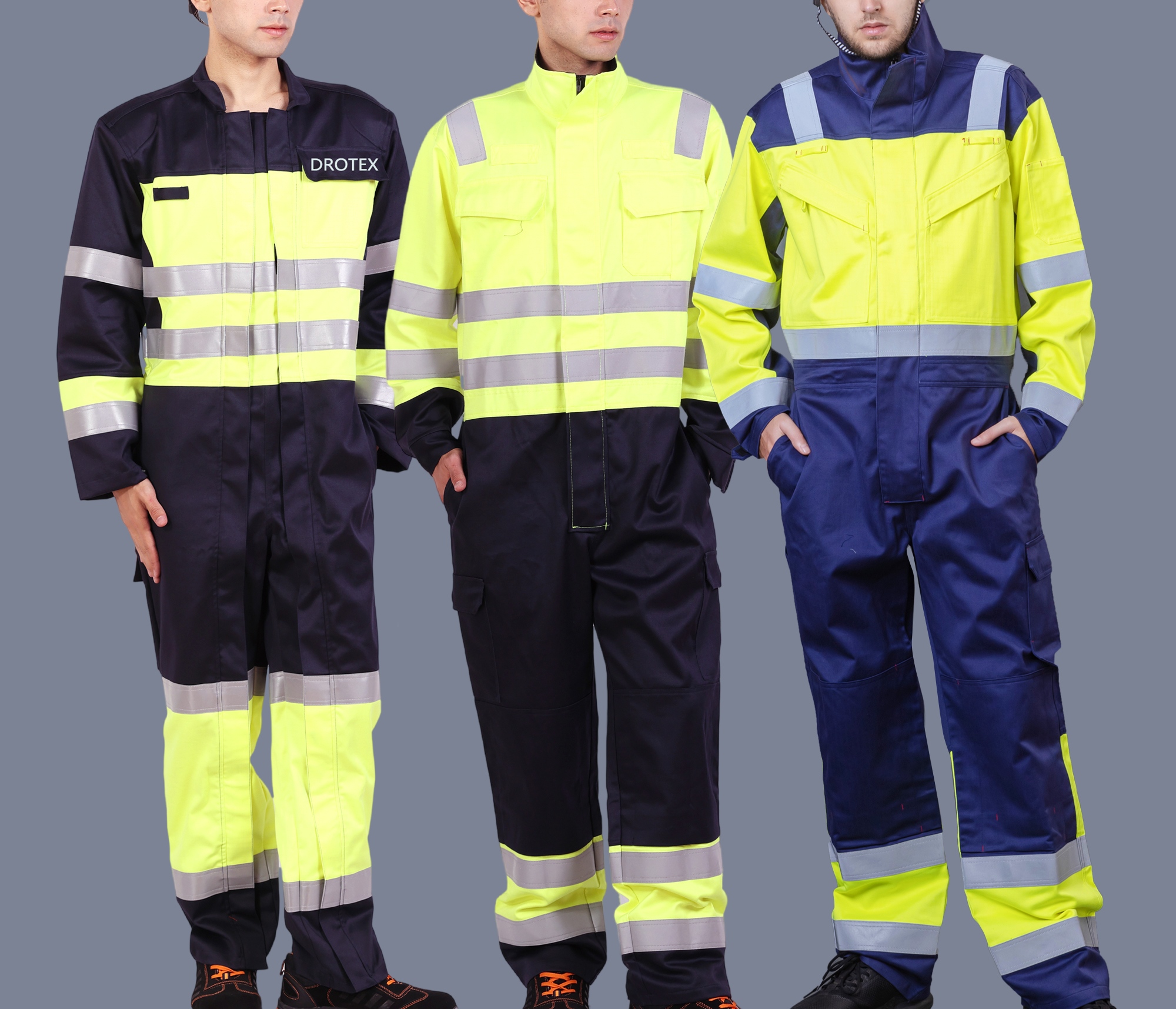
The word "heavyweight" gets thrown around like it automatically means better. In practice, extra weight often just means more bulk to carry, slower response, and a design that leans on mass instead of smart engineering. Some of the most capable tools, machines, and even people in their field are light on their feet precisely because nothing unnecessary was added.
People tend to equate heft with durability or power, but that connection breaks down quickly once you look closely. A heavier frame can hide weak joints, cheap fillers, or outdated components. What actually holds up over time is the way materials are chosen and put together, not the number on the scale.
The next time you compare options, ask what those extra pounds are doing for you. If the only answer is that it feels more substantial, you might be paying for perception rather than performance. Step back from the myth and judge based on real-world behavior, and the lighter choice often ends up being the more capable one.
Fit Testing Beats Size Charts Every Time
Numbers on a size chart only tell half the story. Your body isn't a static set of measurements—it shifts with posture, layering, and even the time of day. A chest measurement of 42 inches might land you in an XL on paper, but if your shoulders are broad and your torso short, that XL could swallow you while a large fits perfectly. Fit testing removes the guesswork because it accounts for how you actually move, not just how you measure.
Think of a size chart as a rough map, and fit testing as walking the actual terrain. When you try gear on—bend, stretch, lift your arms, crouch—you learn what works in real life. A jacket might look right on a hanger but bind at the elbows when you reach for a climbing hold. A pair of trousers might match your waist size but ride up uncomfortably when you squat. Those discoveries only happen when you move in the garment, which is something no static chart can replicate.
Brands vary wildly too. One company's medium is another company's large, and vanity sizing has made labels almost meaningless. Fit testing lets you ignore the inconsistent numbers and focus on feel. It's why so many experienced outdoors people keep coming back to the same brands or even the same models—they've learned through repeated trial that fit beats the chart every single time. Your comfort, range of motion, and confidence come from the try-on, not the measurement tape.
Hidden Hardware: Zippers, Snaps, and Seams
A well-placed zipper disappears into the garment, but that quiet integration is rarely accidental. Designers often route zippers along side seams or tuck them behind fabric lips so the metal teeth stay out of sight. The pull tab itself gets considered, too—whether it's a tiny teardrop that sits flat or a slightly larger ring that's easy to grab without looking.
Snaps work even harder to stay invisible. Instead of announcing themselves with a click, a good snap is pressed through interfacing so only a faint outline shows on the right side. Some are covered with the same fabric as the garment, while others hide inside plackets or under collars. The tension between the socket and stud matters more than most people realize; too loose and it pops open, too tight and the fabric strains around the closure.
Seams carry the real load of this hidden hardware. A seam that holds a zipper or snap needs extra stabilization, often with a strip of fusible tape or a second line of stitching. When you run a finger along the inside, you can feel the difference: a bulkier, smoother path where the hardware sits. That's the kind of detail that separates a garment that lasts from one that starts pulling apart after a few wears.
Ask for References Beyond the Sales Pitch
Most vendors will happily hand over a list of happy clients who love everything about the product. That's fine, but it rarely tells you what happens when things go wrong. Ask instead for references who needed extra support, migrated from a competitor, or used the tool in a way the vendor didn't originally design for.
When you get the names, don't just ask "are you satisfied?" Dig into the awkward parts: what broke during rollout, how long support actually took to fix it, what hidden costs showed up later, and whether they'd choose the same vendor again if starting from scratch. Real answers tend to surface when you ask about trade-offs rather than features.
It also helps to request at least one reference who left or downgraded. A vendor willing to connect you with a former client is showing more confidence than one who only offers polished testimonials. If they refuse or stall, that's a signal in itself—treat it as part of the evaluation, not a side note.
Calculate Cost Per Wear, Not Just Price Per Suit
The sticker price on a suit hides the real math. A $180 bargain that fits poorly and falls apart after three wears costs $60 each time you put it on. Meanwhile, a $550 suit with solid stitching and a classic cut can easily reach ninety wears over a couple of years, dropping the true cost below seven dollars. If you only look at the tag, you're comparing the wrong numbers.
Start by projecting how often you'll actually wear the suit. For a workhorse navy or charcoal option, assume twice a week across fall, winter, and early spring. That's roughly sixty wears a year. Now divide the price by that count. Suddenly, spending more up front for better fabric and construction stops feeling indulgent and starts looking like straightforward budgeting.
Fit and versatility drive cost per wear more than any brand name. A suit that needs constant alterations or only works for one occasion will sit in your closet. Before buying, think about the next thirty days. If you can't name five realistic occasions, the per-wear cost will stay stubbornly high no matter how deep the discount.
FAQ
Look beyond the fabric weight. High-quality cotton or cotton-poly blends with reinforced stitching at stress points like knees, elbows, and pockets hold up far longer. Also check for bar-tacked seams, heavy-duty zippers, and abrasion-resistant panels. If a supplier can't tell you the GSM or thread count of the fabric, that's usually a red flag.
A common rule is three per worker: one to wear, one in the wash, and one as backup if a suit gets torn or heavily soiled. For high-heat or oily environments, consider four because suits may need more frequent washing and drying time. This reduces downtime and extends the life of each garment.
It depends on the job. Pure cotton breathes well and resists sparks, making it ideal for welding. Polyester blends dry faster and resist wrinkles, but they can melt under high heat. For general mechanical or warehouse work, a 65/35 poly-cotton blend often gives the best balance of durability, comfort, and easy care.
Ask about minimum order quantities, lead times, and whether they offer custom sizing or embroidery. Request a sample to test the fit and fabric before committing. Also clarify their return policy for defective items and whether they provide batch consistency records. A trustworthy supplier will be transparent about where the suits are made and the exact fabric specifications.
Avoid unisex sizing based only on chest measurements. Provide separate male and female size charts, and consider short, regular, and tall lengths. If possible, have workers try on samples during a lunch break and gather feedback on range of motion, especially when bending or reaching. Adjustable waistbands and elasticated backs can also improve fit without ordering dozens of custom sizes.
Only if your team actually faces those hazards. For welding, grinding, or electrical work, FR-rated suits are non-negotiable and should meet standards like EN ISO 11612 or NFPA 2112. For chemical handling, check for specific permeation data. But if your main concerns are dirt, grease, and mechanical wear, a heavy-duty non-FR suit is often more cost-effective and just as durable.
Train employees on proper care: wash inside out to reduce abrasion, avoid fabric softeners which can break down flame-resistant coatings, and repair small tears immediately instead of letting them spread. Store suits in a dry, ventilated area. Also rotate suits regularly so no single garment wears out faster than the others.
You can find decent mid-weight cotton-poly boiler suits for $35-$60 per piece. Premium FR or specialty chemical-resistant suits usually run $80-$150. Avoid the cheapest options under $25; they often have weak zippers and thin fabric that fails within months. Buying in bulk (20+ units) often drops the per-unit price by 10-15%, so plan ahead for seasonal needs.
Conclusion
Choosing durable boiler suits for your team starts with a clear-eyed look at what they actually do all day. A mechanic who spends hours under vehicles needs different reinforcement and mobility than a warehouse worker handling abrasive boxes. Before you compare suppliers, map out the specific movements, hazards, and wear points your crew faces. Then ignore the outdated idea that a heavier fabric automatically means tougher gear. Modern high-tenacity blends often outperform thick, stiff cotton that restricts movement and traps heat. Once you have a shortlist, insist on fit testing with the people who will wear the suits. Size charts are a rough guide at best; a real try-on reveals whether sleeves ride up, knees bind, or pockets sit where tools are actually reached. These early steps save you from buying a batch that looks good on paper but fails on the floor.
Beyond fabric and fit, durability lives in the details you cannot see from a brochure. Check zippers for smooth operation after repeated use, make sure snaps are reinforced rather than simply sewn on, and inspect seams for double stitching or bar tacks at stress points. A supplier should be able to explain these construction choices, not just talk about brand reputation. Ask for references from companies with similar work environments, and call them with specific questions about how the suits hold up after six months of daily use. Finally, shift your math from price per suit to cost per wear. A cheaper boiler suit that needs replacement three times a year often costs more than a pricier one that lasts eighteen months. The right supplier will help you run this calculation honestly, because durable workwear is ultimately about reducing downtime and keeping your team comfortable and protected on the job.
Contact Us
Contact Person: Sandy
Email: [email protected]
Tel/WhatsApp: 86150 8310 5120
Website: https://www.frdrotex.com