

Blast Freezer Recommendations That Deliver Fast Results
2026-09-27
Choosing the right blast freezer can mean the difference between preserving quality and losing an entire batch. From restaurant kitchens to food processing plants, the demand for rapid chilling that locks in freshness, texture, and safety has never been higher. In this guide, we cut through the noise with practical recommendations that actually deliver fast, consistent results. Whether you're upgrading aging equipment or designing a new cold chain, the insights ahead will help you make a confident decision. And when it comes to reliable performance, many professionals turn to Worldbase for solutions built to handle real-world demands.
What Actually Matters in a Blast Freezer Purchase
When you start comparing blast freezers, the temperature range on the label rarely tells you much. What separates a machine that works in a busy kitchen from one that struggles is how quickly it drags hot food through the danger zone. Ask for a loaded test or a realistic pull-down time, not the empty-cabinet figure. Some units hit minus thirty degrees only when there is nothing inside; put in a tray of stock and the compressor never catches up. That lag is where bacteria multiply and texture suffers.
Airflow design matters more than shelf count. A freezer can have generous cubic feet but dead corners if the fan placement is poor. Trays packed tightly in the middle will freeze unevenly, leaving the centre dangerously warm while the edges turn to ice. Look for models with clearly mapped air channels or a fan that pushes cold air through every rack level, not just around the walls. If possible, run a test with a solid block of food rather than small items.
The ongoing costs often reveal the real value. Energy draw, compressor noise, and how easily you can reach the condenser for cleaning are not glamorous, but they shape your daily life. A unit with a sealed or awkwardly placed coil will lose efficiency fast, and loud fans in an open kitchen will fray nerves. Check the door seals and hinge durability too, because a blast freezer lives a hard life. Spending a bit more on a design that is easy to maintain usually beats a discount that quietly turns into higher bills.
Temperature Pull-Down Times That Change Kitchen Workflow
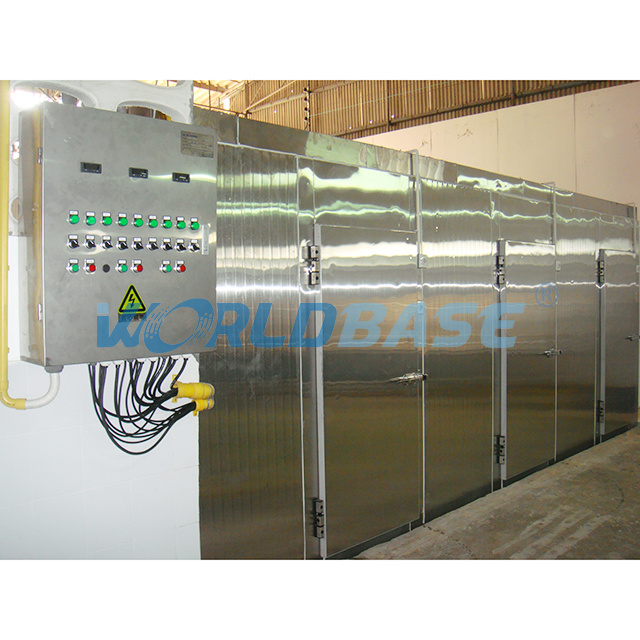
A 20-liter stockpot of veal stock left on the counter can sit in the danger zone for hours. In a busy kitchen, that means a corner of the prep table is off-limits, the pot is too hot to move into the walk-in, and the cook responsible for it keeps circling back to stir and check. Moving to a blast chiller or even an ice bath with a proper paddle changes that wait from four hours to under ninety minutes. That single shift frees up both space and attention, letting the same cook start the next project instead of babysitting a cooling pot.
Pull-down speed also changes how food behaves. Rapid chilling locks in color and texture that slow cooling destroys. Green beans stay bright instead of turning olive, and a batch of rice doesn't turn gummy from trapped steam. More importantly, dropping the core temperature below 40°F within a couple of hours cuts the window where bacteria multiply. For a kitchen that batch-cooks sauces or soups, this means the difference between a product that tastes fresh on day three and one that has to be thrown out.
During service, the impact is even more practical. A line cook can prep a large batch of beurre blanc base in the morning, chill it fast, and then portion it into small containers that reheat in seconds. The walk-in stays organized because hot pans aren't jammed in next to delicate produce. Pull-down time stops being a waiting period and becomes just another step in the flow, which means the kitchen can handle more covers without adding staff or square footage.
Sizing and Capacity Without the Guesswork
Most sizing mistakes happen because teams lean on gut feel instead of actual usage patterns. A better starting point is to pull historical data—peak loads, average throughput, and idle periods—so the math reflects real behavior, not assumptions.
Once you have that baseline, separate what you must support today from what you can scale into later. Overprovisioning wastes budget, while underprovisioning invites downtime during the exact moments you can least afford it. Build in a small buffer for unexpected spikes, but keep the buffer tied to measured variance rather than a round number.
Finally, revisit your sizing quarterly or after any major change in workload. Capacity planning is not a one-time task; it is a rhythm that keeps infrastructure aligned with actual demand. That way, you stop guessing and start planning with numbers you can defend.
Hidden Running Costs Worth Comparing
The sticker price rarely tells the full story. Two machines or vehicles with nearly identical upfront tags can diverge sharply once you factor in fuel or energy consumption, insurance premiums tied to repair frequency, and the cost of consumables like tires or filters. A model that seems cheaper on the lot may demand premium gasoline, wear through brake pads faster, or sit in a higher insurance bracket—expenses that quietly add hundreds per year.
Maintenance schedules and warranty fine print are another hidden battleground. Some manufacturers require dealer-only servicing to keep coverage valid, while others use proprietary parts that independent mechanics can't easily source. A seemingly minor difference in oil change intervals or belt replacement timelines can turn into a four-figure gap over five years. Also compare how long parts take to arrive—a car off the road waiting for a backordered sensor costs you rental fees or lost work time.
Depreciation and energy costs fluctuate more than people expect. Resale value isn't just about brand reputation; it's tied to how long the model stays relevant in the used market and how expensive it is to repair after warranty. Electric models may save on fuel but can face higher tire wear due to weight, and home charging installation costs vary by electrical panel age. Map your own annual mileage and local utility rates before assuming one option is cheaper to run.
Installation Mistakes That Slow Down Service
One of the biggest culprits is rushing the pre-installation checklist. Skipping the verification of load-bearing surfaces, electrical capacity, or pipe alignment might save twenty minutes on paper, but it almost guarantees a callback when the equipment vibrates loose, trips a breaker, or leaks into a customer's ceiling. That callback doesn't just eat the profit from the original job—it puts other appointments behind schedule, which is how a single rushed install can cascade into a full day of angry customers.
Another service killer is using mismatched mounting hardware or adapters because the correct bracket wasn't on the truck. The tech might think they're solving a problem by improvising with a longer screw or a zip tie, but the result is usually a unit that sits slightly off-level or shifts under load. Over time that leads to premature wear, noisy operation, or a sudden failure that requires an emergency visit right in the middle of the busiest week of the month.
Finally, ignoring the manufacturer's torque specs or clearance requirements often turns a straightforward install into a slow-motion disaster. Overtightening a compression fitting can crack it two weeks later, while failing to leave enough airflow around a condenser turns a five-year unit into a three-year unit. Every shortcut on the first visit has a way of coming back as a second visit that nobody gets paid for—and that's what truly slows down service for everyone else waiting in line.
Maintenance Habits That Keep Recovery Speeds High
Recovery speed isn't just about what you do immediately after a hard session—it's the small, consistent maintenance habits that compound over time. For many athletes, the difference between dragging through a week and bouncing back quickly lies in routines that rarely feel dramatic. Things like sticking to a consistent sleep schedule, even on rest days, or prioritizing protein within an hour of finishing a workout can quietly reset your body's repair systems. These habits work in the background, keeping inflammation low and energy reserves topped up without requiring extra effort on the days you need it most.
One often-overlooked maintenance habit is managing your daily movement outside of training. Instead of collapsing on the couch for hours after a morning run, a short walk later in the day or a few minutes of easy mobility work can keep blood flowing and prevent stiffness from settling in. Similarly, staying hydrated with electrolytes—not just plain water—helps your muscles retain the minerals they need for efficient contraction and repair. People who recover fast tend to treat these small actions as non-negotiable parts of their day, not optional add-ons.
Another key habit is regularly checking in with how your body feels rather than blindly following a plan. That might mean swapping a hard interval session for an easy spin when your resting heart rate is elevated, or taking an extra rest day after a poor night's sleep. It also includes simple equipment maintenance—like replacing worn-out running shoes or adjusting your bike fit—so that mechanical inefficiencies don't force your body to work harder than necessary. Over time, these habits create a feedback loop: the better you maintain your recovery foundations, the faster you bounce back, which lets you train more consistently and push harder when it counts.
FAQ
Focus on airflow design and compressor pull-down time. Models with reversible fans and multiple cooling probes recover temperature faster after the door opens. Check the spec sheet for a 90-minute core-temperature drop from 160°F to 38°F or below; anything slower will bottleneck a high-volume line.
Leave at least two inches between pans, never stack trays directly on the floor, and pre-chill the cabinet for ten minutes before loading. Scrape evaporator fins weekly—frost buildup above 1/8 inch cuts airflow enough to add 20 to 30 minutes per cycle.
Cabinet-style units usually win for speed because cold air floods downward over shallow trays, while uprights with narrow racks often create dead zones behind door gaskets. If you have limited floor space, look for a compact cabinet with a side-mounted compressor and dual airflow curtains.
Aim for -30°F to -40°F air temperature for the first 30 minutes, then let the probe cycle maintain core temp around -10°F. This shocks the surface and locks in moisture, while avoiding large ice crystals that tear protein fibers if the cabinet stays too cold for too long.
Not reliably. Reach-ins lack the high-velocity fans and coil capacity to remove heat fast enough. You might get a 20-pound batch down in 6 hours instead of 90 minutes, which risks bacterial growth and mushy texture. If budget is tight, a used roll-in blast chiller is a better stopgap than forcing a reach-in to overwork.
Critical. Worn or dirty gaskets let warm, humid air slip in, forcing the compressor to fight frost and pressure swings. Run a dollar-bill test on all four sides monthly, and replace any seal that fails within 5 seconds. A tight door can shave 15 to 25 minutes off every cycle in a humid kitchen.
Keep each tray under 2 inches thick and never fill the cabinet beyond 70% capacity. Air needs a clear path over every pan edge. For bone-in proteins or dense sauces, split into smaller batches and rotate the middle rack halfway through. Overloading is the top reason owners see slow performance on supposedly fast units.
Probe-driven controls deliver more consistent speed because they respond to actual core temperature rather than guesswork. A timer may work for uniform items like vacuum-sealed soups, but anything with irregular thickness—whole chickens, lasagna pans—needs a probe that switches from blast chill to freeze automatically. Look for a probe with at least a 3-foot armored cable so it doesn't kink.
Conclusion
When shopping for a blast freezer, the spec sheet rarely tells the whole story. The compressor type, refrigerant, and airflow design matter more than brand reputation alone. A unit that pulls from +70°C to -18°C in under 90 minutes will actually change how a kitchen operates; slower models force you to pre-chill or batch differently. Capacity should be judged by pan count and real usable depth, not just cubic feet. Check door gasket quality and hinge strength, because a flimsy door kills recovery speed. Hidden costs show up in electricity use, defrost cycles, and parts availability. An inexpensive unit can cost more over three years if it runs constantly or needs frequent service.
Installation is where many kitchens lose performance. Placing the freezer next to a fryer or in direct sunlight forces the condenser to work harder; leave at least six inches of clearance on all sides. Poor drainage or incorrect voltage can trigger repeated shutdowns. Once installed, maintenance habits decide whether the fast pull-down stays fast. Clean coils every two weeks, check door seals monthly, and don't overload warm product. Set a reminder to inspect the evaporator fan and drain line. These small routines keep recovery speeds high and avoid emergency calls.
Contact Us
Contact Person: Mr Yang
Email: [email protected]
Tel/WhatsApp: +8613809083091
Website: https://en.worldbase.cn