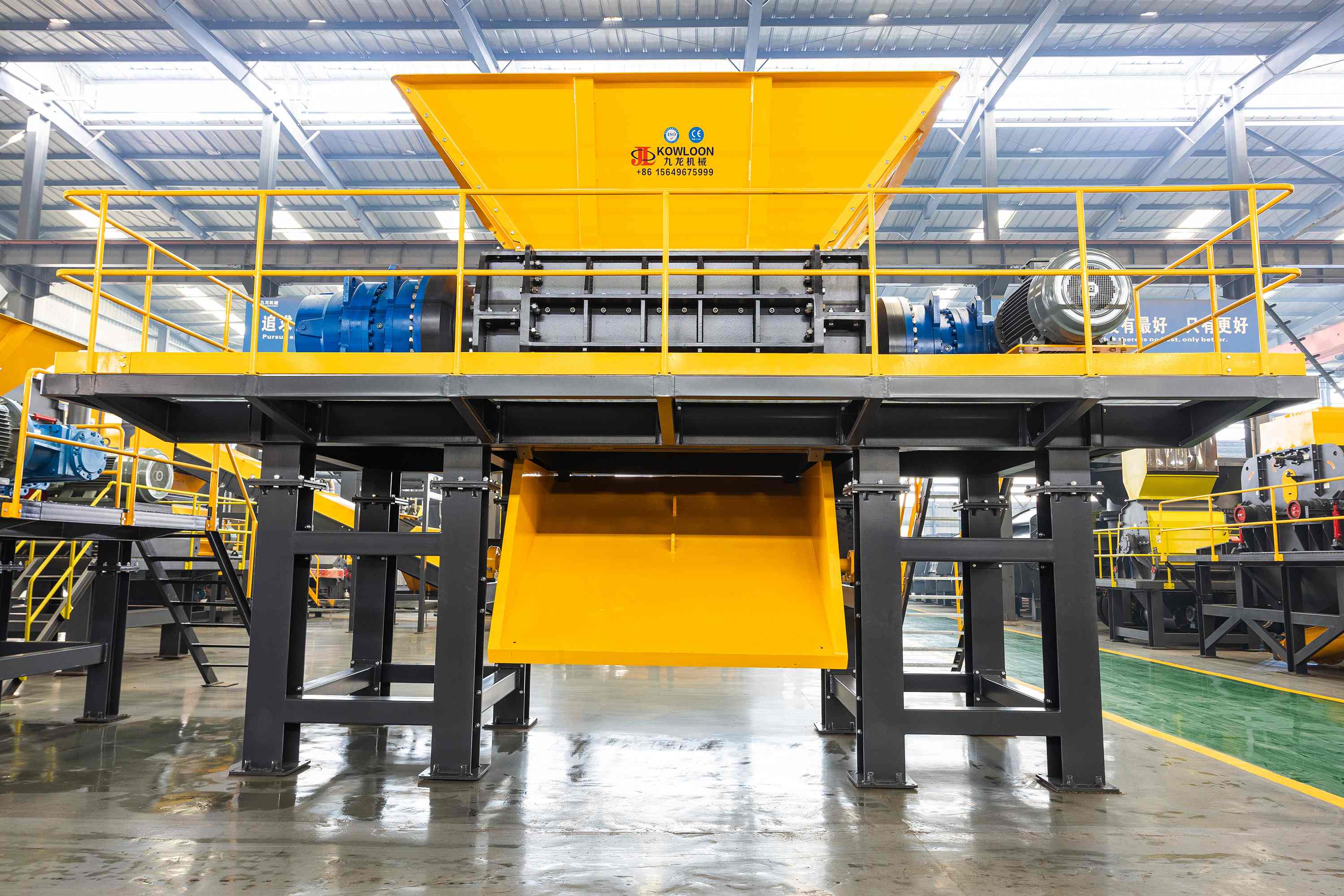

Best Wood Chipper: Expert Tips and Top Picks for Efficient Yard Work
2026-03-29
Transforming your yard work from a daunting chore into an effortless task starts with the right equipment. In the world of wood chippers, efficiency and reliability are key, but with so many options available, choosing the best one can feel overwhelming. That's where Kowloon Machinery comes in—dedicated to providing expert insights and top-tier solutions. In this guide, we'll dive into essential expert tips and highlight the top picks that make yard maintenance not just manageable, but truly efficient. Whether you're tackling fallen branches or clearing overgrown brush, discover how the right chipper can revolutionize your outdoor projects.
Key Features to Consider When Buying a Wood Chipper
One crucial aspect to think about is the machine's power source. Gas-powered chippers are excellent for heavy-duty jobs, offering mobility without being tethered to an outlet. In contrast, electric models are lighter, quieter, and ideal for residential use where noise might be a concern. Consider your typical workload; if you're handling thick branches frequently, a gas engine often provides the necessary torque, while electric units can efficiently manage smaller yard debris.
Size matters significantly when selecting a chipper. Look at the chipping capacity, which indicates the maximum diameter of wood it can handle. A higher capacity model might seem appealing, but if you mostly deal with lightweight twigs and leaves, an oversized machine becomes wasteful and cumbersome. Pay attention to the feed mechanism too—some chippers feature self-feeding capabilities that save effort, while manual-feed models require you to push material through, which can be safer but more labor-intensive.
Don't overlook the safety and maintenance aspects. Modern chippers come with safety features like emergency shut-offs, safety hoppers, and anti-jamming designs to prevent accidents. Ease of cleaning and blade accessibility can make a big difference in upkeep; models with quick-release mechanisms for blades simplify sharpening and replacement. Ultimately, balancing these factors with your budget ensures you choose a chipper that not only fits your needs but also promises longevity and reliable performance over time.
Top Recommendations for Effective Yard Chipping
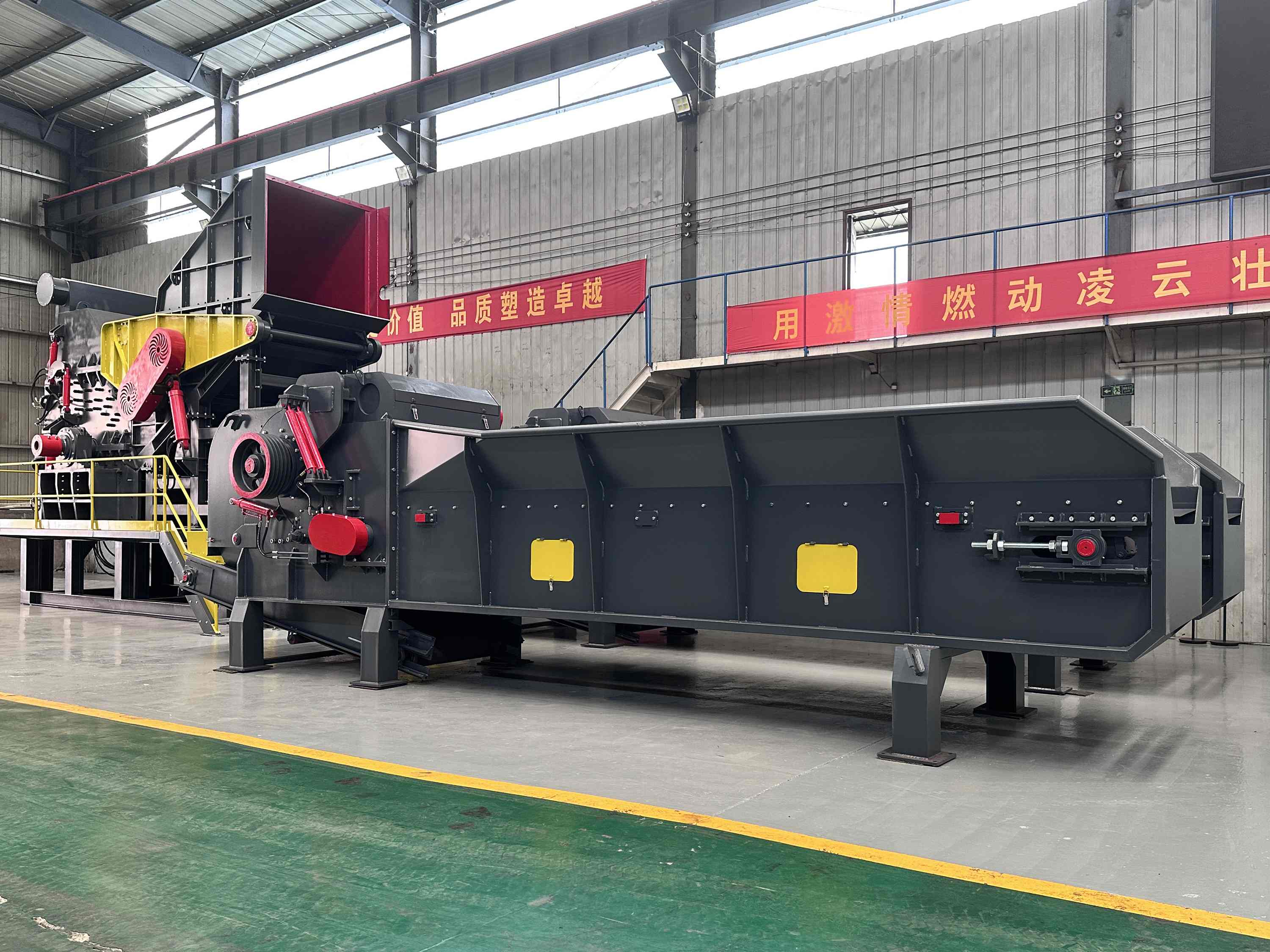
Getting rid of yard waste doesn't have to be a hassle—with the right chipping approach, you can turn a mountain of branches into usable mulch or compost faster than you'd think. Start by sorting your debris: separate green, leafy branches from thick, dry wood, as they'll chip differently. For large jobs, a powerful chipper-shredder can handle branches up to 3 inches in diameter, while smaller electric models are perfect for routine upkeep. Remember to wear protective gear like safety glasses and gloves, and always feed branches into the chipper with the cut end first to prevent jams and ensure smooth operation.
Timing and technique can make a huge difference in your chipping results. Aim to chip when branches are slightly damp—early morning or after a light rain works well—to reduce dust and make the pieces less likely to scatter. If you're dealing with a pile of leaves mixed with twigs, don't just toss it all in at once; layer the materials to help the chipper process them evenly. For stubborn, knotty pieces, slow down the feed rate to avoid overloading the machine, and consider cutting them into shorter sections beforehand. This not only speeds up the job but also gives you more uniform wood chips that break down faster in compost or as ground cover.
After chipping, think about how to put those fresh wood chips to good use. They're excellent for mulching garden beds, suppressing weeds while retaining moisture, but avoid piling them directly against tree trunks to prevent rot. If you're composting, mix the chips with nitrogen-rich materials like grass clippings or kitchen scraps to balance the carbon—this helps them decompose more quickly into rich soil amendment. For a neat finishing touch, spread the chips evenly in pathways or play areas, creating a natural, soft surface that looks tidy and reduces mud. With these tips, you'll not only clear your yard efficiently but also turn waste into a valuable resource for your landscape.
Maintenance Tips to Keep Your Chipper Running Smoothly
If you want to ensure your chipper keeps shredding efficiently year-round, start with a regular cleaning routine. After each use, clear out any stuck debris from the blades and interior to prevent buildup that can hinder performance or cause jams. A quick wipe-down with a soft cloth can also help remove moisture and dirt, reducing the risk of corrosion over time.
Don't overlook the importance of blade maintenance, as sharp blades are essential for smooth operation. Check the blades periodically for dullness or damage, and sharpen them as needed to maintain optimal cutting power. This not only improves the chipper's output but also reduces strain on the motor, potentially extending the machine's overall lifespan.
Lastly, pay attention to lubricating moving parts like bearings and joints according to the manufacturer's guidelines. Proper lubrication reduces friction and wear, ensuring your chipper operates quietly and efficiently. Combined with routine inspections for loose bolts or worn components, this proactive approach can help avoid unexpected breakdowns and keep your equipment running like new.
Safety Guidelines for Operating Wood Chippers
Operating a wood chipper demands unwavering attention to detail and a firm grasp of safety protocols. Before powering on the machine, it's crucial to conduct a thorough inspection of all components, ensuring that the cutting blades are sharp, the feed chute is clear of obstructions, and all safety guards are securely in place. Always wear appropriate personal protective equipment (PPE), including safety goggles, hearing protection, gloves, and sturdy boots, to shield yourself from flying debris and loud noise. Remember, a moment of carelessness can lead to severe injuries, so never bypass safety features or operate the chipper when fatigued.
When feeding branches or wood into the chipper, maintain a steady, controlled pace to avoid jams or kickbacks. Use a push stick or branch to guide materials through the feed chute, keeping hands and limbs at a safe distance from the opening. Be mindful of the surroundings, ensuring that bystanders are at least 15 feet away and that you have a clear escape path in case of emergencies. If the machine clogs, always shut off the power and wait for all moving parts to come to a complete stop before attempting to clear it—never reach into the chipper while it's running.
Regular maintenance is key to safe operation; clean the chipper after each use to prevent build-up and check for wear on parts like belts and blades. Store the equipment in a dry, secure location, and keep the operator's manual handy for quick reference. In case of any unusual noises or vibrations, stop immediately and inspect for issues. By adhering to these guidelines, you not only protect yourself but also extend the lifespan of the machine, making wood chipping a more efficient and hazard-free task.
Common Mistakes to Avoid for Better Chipping Results
One of the biggest slip-ups golfers make is gripping too tightly, which restricts wrist movement and leads to inconsistent contact with the ball. This often results in shots that either dig into the turf or skid across it, ruining your distance control. Instead, try a lighter hold that allows your hands to hinge naturally, creating a more fluid and effective chipping motion.
Another common error is neglecting the importance of weight distribution, where players keep their weight too centered or shift it incorrectly during the swing. For a clean chip, focus on placing about 60% of your weight on your front foot and maintaining that balance throughout the shot. This setup helps you strike the ball first, avoiding fat or thin hits that can throw off your game.
Many golfers also struggle with club selection, defaulting to a wedge for every chip when a lower-lofted club, like a 9-iron, might be better for bump-and-run shots. Experiment with different clubs based on the lie and green conditions to gain more versatility and accuracy around the greens, rather than sticking to one predictable method.
Creative Uses for Mulch Beyond Basic Yard Cleanup
Did you know that mulch can transform your garden into a vibrant ecosystem? Instead of just tidying up, it can suppress weeds naturally, reducing the need for chemical herbicides. By adding a thick layer of wood chips or straw, you're not only keeping the soil moist but also encouraging earthworm activity, which enriches the earth with nutrients. Try mixing different colors and textures to create striking borders around flower beds—it adds a pop of color that lasts all season long!
Mulch isn't just for plants; it's a playground for kids too! Use shredded rubber or soft bark in play areas to cushion falls and make outdoor time safer. For a fun twist, incorporate aromatic cedar mulch near seating spots—it releases a pleasant scent that deters pests while enhancing relaxation. In urban settings, repurpose old newspapers or cardboard as a base layer under mulch to block weeds in vegetable patches, turning waste into a functional garden hack.
Take creativity a step further by using mulch to craft natural pathways that blend seamlessly with the landscape. Lay down cocoa bean hulls for a sweet fragrance along walkways, or opt for gravel mixed with mulch for added texture. In wet areas, coarse mulches like pine straw improve drainage, preventing soil erosion during heavy rains. This approach not only beautifies your yard but also supports sustainable practices by recycling materials that would otherwise go to waste.
FAQ
A top-quality wood chipper is efficient, versatile, and durable, handling branches up to 4 inches thick with ease, reducing yard waste to usable mulch in minutes. Look for models with powerful engines, safety features like auto-feed, and low maintenance requirements for hassle-free operation.
Consider your yard size and typical debris. For small gardens, electric chippers (under 15 amps) are quiet and eco-friendly. For larger properties, gas-powered models offer more power and mobility. Check the chipper's capacity, portability, and noise level to match your workflow.
Avoid feeding oversized branches, wet wood, or foreign objects like rocks, which can jam or damage the machine. Always wear safety gear like goggles and gloves, and never operate without proper training or near bystanders. Regular cleaning and blade sharpening prevent wear and tear.
Yes, many modern chippers process leaves, twigs, and small shrubs, turning them into fine mulch for composting or landscaping. Some high-end models even tackle tougher materials like pine cones or light woody debris, but always check the manufacturer's guidelines to avoid overloading.
Clean debris after each use to prevent corrosion, lubricate moving parts monthly, and sharpen blades seasonally. Store in a dry place, and for gas models, use fresh fuel and check spark plugs annually. Following the manual's schedule ensures years of reliable performance.
Absolutely! Chippers reduce landfill waste by converting yard debris into nutrient-rich mulch, which enriches soil, retains moisture, and suppresses weeds. This sustainable practice cuts down on chemical fertilizers and promotes a healthier garden ecosystem.
Conclusion
Selecting the best wood chipper for efficient yard work involves balancing key features like power, cutting capacity, and portability with your specific needs. Experts recommend considering engine type, throat size, and chip reduction ratio to ensure effective chipping of branches and debris. Top picks often include models that offer durability and ease of use, with brands recognized for reliability in handling various wood types, making yard cleanup smoother and more productive.
Beyond the purchase, maintaining your chipper through regular cleaning, blade sharpening, and proper storage extends its lifespan. Safety is paramount, requiring adherence to guidelines such as wearing protective gear and avoiding loose clothing. Avoid common mistakes like overloading or chipping wet wood to achieve better results. Creative uses for the resulting mulch, such as garden beds or erosion control, add value beyond basic cleanup, enhancing both yard aesthetics and environmental sustainability.
Contact Us
Contact Person: Ray
Email: [email protected]
Tel/WhatsApp: +86 13733817580
Website: https://www.zzkowloon.com/