

Best Laser Therapy for Prostate: Minimally Invasive Solutions for BPH
2026-08-08
Benign prostatic hyperplasia (BPH) doesn't have to mean a choice between living with frustrating urinary symptoms and undergoing major surgery. Thanks to advances in laser therapy, men now have access to minimally invasive options that treat the source of the problem with less pain, minimal bleeding, and faster recovery. Among the standout technologies shaping this field, GUANG TAI brings cutting-edge precision to prostate care, empowering urologists to deliver better outcomes while preserving patients' quality of life. Let's explore how the best laser solutions are changing the landscape of BPH treatment.
Understanding How Laser Therapy Shrinks Prostate Tissue
Laser therapy targets the overgrown prostate tissue with concentrated beams of light that precisely heat and vaporize the excess cells. When the laser is directed at the obstructive tissue, the energy is absorbed by water and hemoglobin within the cells, causing them to rapidly reach temperatures that disrupt cellular integrity and lead to instant vaporization or coagulation. This process opens up the urethral channel almost immediately, relieving pressure and improving urine flow.
Over the days and weeks following the procedure, the body’s natural healing response further reduces the prostate’s size. The small amount of tissue that was coagulated rather than vaporized undergoes necrosis, after which the immune system gradually removes the dead cells. This slow absorption shrinks the gland further without the need for additional interventions, resulting in a lasting enlargement reduction.
The precision of modern laser systems allows surgeons to tailor the depth and extent of tissue removal while sparing surrounding healthy structures. This minimizes bleeding and inflammation compared to traditional surgery, as the laser seals blood vessels as it cuts. The outcome is a significant decrease in prostate volume with fewer complications, allowing most men to return to normal activities much sooner.
Why More Men Are Choosing Laser Over Traditional BPH Surgery
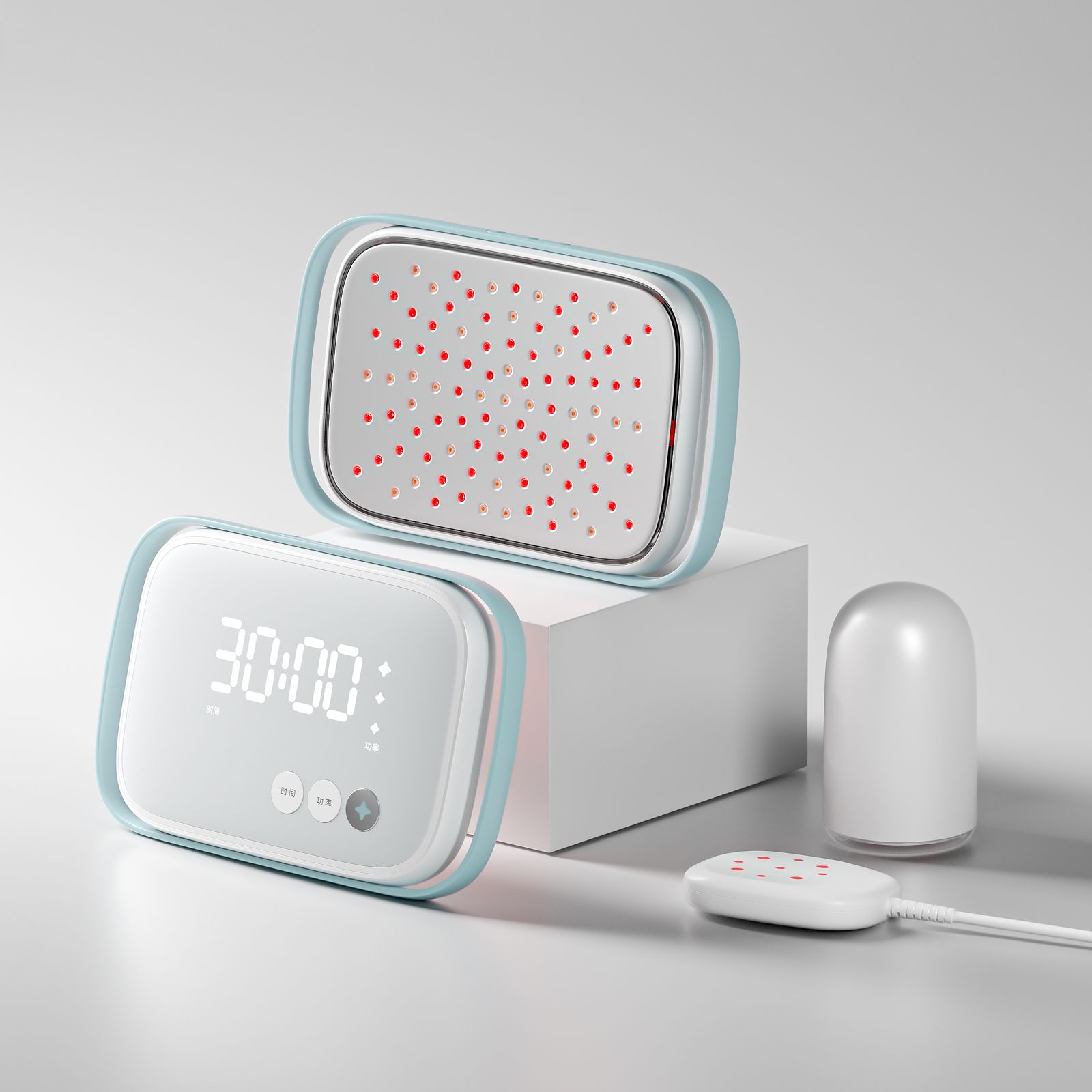
For years, the standard surgical fix for an enlarged prostate meant a hospital stay, a catheter for days, and a recovery that could stretch on for weeks. Now, laser procedures are flipping that script entirely. Men are waking up to the fact that they can often walk out the same day, with less discomfort and a much quicker return to their normal routines. It’s not just about convenience—it’s about avoiding the whole disruptive ordeal that traditional surgery used to demand.
There’s also a growing awareness that laser treatments tend to be kinder to the surrounding tissue. Instead of cutting away large sections of the prostate, these precise beams vaporize or enucleate excess tissue with minimal bleeding. For many guys, that translates into fewer complications like retrograde ejaculation or long-term incontinence—issues that weighed heavily on their minds with older methods. When you can preserve quality of life while still solving the problem, the choice starts to feel obvious.
The shift isn’t just driven by patient preference, though. Urologists themselves are becoming more confident with laser technology, and the equipment keeps improving. More clinics now offer these outpatient-based options, and men are talking openly about their positive experiences, chipping away at the old stigma around prostate procedures. When you combine a shorter catheter time with a lower chance of going home with a bag strapped to your leg, it’s easy to see why lasers are becoming the default path for a lot of people.
A Closer Look at the Different Types of Laser Procedures
Laser technology has reshaped a number of medical specialties, offering precision that manual techniques often can’t match. In ophthalmology alone, the variations are striking—each tailored to specific corneal profiles or refractive errors. From reshaping the cornea’s surface to creating a thin lenticule inside the eye, these procedures all rely on concentrated light, but the methods and recovery experiences differ quite a bit.
Take LASIK, which is probably the most recognized name. A flap is created on the cornea, then lifted so the underlying tissue can be resculpted. For patients with thinner corneas, PRK might be a better fit, since it works directly on the surface without a flap. Then there’s SMILE, a newer approach that uses a femtosecond laser to carve out a small disc of tissue through a tiny incision—no flap at all, which can reduce dry eye symptoms for some people. Each variation has its own healing timeline and set of trade-offs.
Outside of vision correction, lasers are equally diverse. Dermatologists use them to tackle everything from unwanted hair and vascular birthmarks to fine lines and sun damage. Ablative lasers vaporize the top layer of skin to stimulate collagen, while non-ablative versions heat up deeper tissue without wounding the surface. Even in urology, lasers break up kidney stones or trim enlarged prostate tissue. The key is matching the wavelength and pulse duration to the target—whether it’s melanin, hemoglobin, or water inside a cell—so that surrounding skin or tissue stays largely untouched.
What to Expect Before, During, and After Treatment
Walking into a treatment experience can feel like stepping into unknown territory. Before things get underway, you'll typically have a conversation that goes beyond just medical history—it's about your day-to-day life, your concerns, and what you're hoping to change. Some clinics might send you home with a few simple instructions, like avoiding certain foods or activities, but nothing that disrupts your routine too much. The real focus here is making sure you feel heard and prepared, without any clinical stiffness getting in the way.
The treatment itself often defies the dramatic scenes people imagine. Depending on what you're having done, you might be comfortably seated or lying down while a practitioner works with a kind of practiced ease that's reassuring rather than intimidating. There's usually a rhythm to it—a mix of quiet concentration and gentle check-ins, making sure you're okay. Some moments you'll barely notice anything happening, others you might feel a slight warmth or pressure, but it's rarely the ordeal people brace themselves for. Time tends to pass quicker than expected.
Afterwards, the atmosphere shifts to one of calm unwinding. You might feel a little offbeat at first—maybe a touch of fatigue or a lightness that's hard to describe—but that's part of the process. Someone will walk you through what to do in the hours and days ahead, often in plain language rather than medical jargon. It's less about strict rules and more about gentle guidance, like suggesting you drink extra water or take it easy. That post-treatment window is where the real integration begins, and it's often marked by small, encouraging shifts you start to notice in the following days.
Weighing the True Pros and Cons of Laser Therapy
Laser therapy often sparks curiosity—and for good reason. On the plus side, it’s remarkably gentle, with most people noticing a soothing warmth during treatment rather than any prick or prod. Chronic inflammation and nagging pain can fade over a series of sessions, and for some, the relief feels almost too smooth to be clinical. Yet, the picture isn’t flawless. Results don’t appear overnight; it typically takes multiple visits before things shift, and a handful of patients notice little to no change even after committing to full treatment plans. That inconsistency can frustrate anyone seeking a quick fix.
Diving deeper, the technology behind lasers targets cellular repair, flooding damaged tissue with light energy that accelerates healing in ways traditional methods can’t easily replicate. Athletes and chronic pain sufferers often laud how it sidesteps invasive procedures and dodges the side effects of long-term medication. But the very precision that makes it appealing also limits its scope—severe structural injuries usually demand more than photons alone. And then there’s the price tag: while single sessions might seem reasonable, the cumulative cost of a full regimen can pinch, especially since insurance coverage remains hit-or-miss.
What rarely gets discussed is how these trade-offs play out in daily life. The convenience of a non-surgical option is dampened by the need to schedule regular appointments, often during work hours. Temporary soreness sometimes flares after a session, a minor irony for something meant to ease discomfort. Still, for those who’ve exhausted other avenues, the gradual, natural-feeling improvement can outweigh the hassles—making laser therapy less a miracle and more a calculated choice in a landscape of imperfect options.
Simple Steps to Find the Right Specialist for Your Procedure
Reaching out to trusted friends or your regular doctor for recommendations is often the easiest starting point. But don’t stop there—look up the suggested names, read through patient feedback on independent sites, and check if their listed specialties align with what you actually need. A specialist who consistently earns praise for patient care and clear communication can make all the difference when you’re dealing with a procedure that’s already stressful enough.
Take the time to verify credentials and hands‑on experience with your specific condition. Board certification, fellowship training, and the number of similar procedures they’ve performed recently are solid indicators of expertise. It’s also worth glancing at any disciplinary actions or malpractice settlements—public databases make this easier than most people think. A specialist’s volume and focus within your particular niche matter far more than a long list of qualifications that don’t directly relate to your situation.
Schedule a brief consultation or a call before committing. Come prepared with plain‑language questions about success rates, potential complications, and what recovery will realistically entail. Pay attention not just to the answers, but to how they respond—are they rushed, dismissive, or willing to slow down and explain? The right specialist treats you like a partner in the decision, not just another case on the calendar. If something feels off, it’s perfectly acceptable to seek a second opinion until you find someone whose approach puts you at ease.
FAQ
Laser therapy stands out because it offers a precise way to remove excess prostate tissue with minimal bleeding. Unlike traditional surgery, it often means a shorter hospital stay, quicker recovery, and fewer complications like incontinence or erectile issues. It’s particularly helpful for men who want to get back to normal life fast without the downtime of more invasive procedures.
You might be a good candidate if you have bothersome urinary symptoms from BPH that haven’t improved with medication, or if you can’t tolerate the side effects of drugs. It’s also an option if you have a very large prostate, but your urologist will check factors like your overall health, prostate size, and any blood-thinning medications you take. A thorough evaluation, including symptom scores and possibly a cystoscopy, helps decide if laser therapy is right for you.
GreenLight laser uses a high-powered light to vaporize prostate tissue, creating an open channel for urine to flow. It’s known for being gentle and effective, especially for men on blood thinners. HoLEP, on the other hand, physically removes the obstructing tissue and sends it for lab analysis. HoLEP is often better for very large prostates and provides long-lasting results, while GreenLight is typically a faster procedure with less initial discomfort for smaller to medium-sized glands.
Right after the procedure, you’ll have a catheter for a day or two to help drain urine. Mild burning or blood in the urine is normal and usually clears up in a week. Most men can return to light activities within a few days, but heavy lifting or vigorous exercise should wait about two weeks. It’s common to see symptom improvement quickly, though full recovery and bladder settling can take up to a month. Staying hydrated and avoiding straining are key tips during healing.
The risks are generally lower than with open surgery, but you might experience temporary irritation, urinary urgency, or a slight drop in ejaculation volume (dry orgasm) with some techniques. Rarely, scarring or narrowing of the urethra can happen. Bleeding is minimal because the laser seals blood vessels as it works. Serious complications like severe incontinence are infrequent. Choosing an experienced surgeon greatly reduces the chances of long-term issues.
For many men, laser therapy provides a more definitive solution than daily pills. While medications like alpha-blockers help relax muscles and finasteride shrinks the prostate over months, they don’t remove tissue. Laser treatment addresses the root cause by clearing the blockage, so symptom relief is usually dramatic and lasting. Clinical studies show higher satisfaction rates with laser therapy compared to long-term medication use, especially for those with severe symptoms or who dislike taking pills every day.
Most insurance plans, including Medicare, cover medically necessary laser prostate surgery when conservative treatments haven’t worked. The procedure’s coding as a surgical intervention rather than an experimental one helps, but coverage details can vary. It’s wise to get prior authorization from your insurer and talk to your urologist’s billing staff to understand any out-of-pocket costs. Don’t let financial concerns stop you from exploring this option—many clinics offer guidance on navigating coverage.
The long-term results are excellent for the majority of patients. Most men enjoy significant symptom relief for at least 5–10 years, and re-treatment rates are low. Regular follow-ups are still advised to monitor for any recurrence of symptoms or other prostate issues. Lifestyle habits like maintaining a healthy weight and staying active can help preserve bladder health. Overall, laser therapy offers a durable fix that lets you live without constantly planning your day around bathroom breaks.
Conclusion
激光疗法已成为良性前列腺增生(BPH)领域真正意义上的变革者,为那些因尿路症状困扰的男性提供了无需重大手术的有效缓解途径。其核心原理在于,通过特定波长的光能精准作用于增生的前列腺组织,使其汽化或坏死萎缩,从而迅速打通尿道,而这种精确性对周围健康结构的损伤极小。这正是微创优势的关键——避免了传统经尿道前列腺电切术(TURP)常见的出血风险和较长住院时间。越来越多的患者倾向于选择激光,不仅因为术后恢复快、导管留置时间短,更在于对性功能影响小、逆行射精风险显著降低等生活质量保护上的突出表现。从钬激光剜除(HoLEP)、绿激光汽化(PVP)到半导体激光等不同术式,各有侧重,有的更适合大体积前列腺,有的则以手术时间短、学习曲线平缓见长,医生会根据腺体形态、患者健康状况和自身经验进行个体化选择,这本身就体现出现代泌尿外科精细化和以患者为中心的发展趋势。
当然,任何治疗都有两面性,激光手术也绝非完美无缺。术后数周内可能出现血尿、尿路刺激症状或短暂排尿困难,部分患者需接受临时导尿,但大多数为自限性。相对于传统手术,激光初期费用偏高,且对医生操作熟练度要求高,技术掌握不当可能导致组织残留或复发。正因如此,选择一位经验丰富的专科医生至关重要——患者应主动询问医生所掌握的激光技术类型、年手术量以及处理复杂病例的能力,而非仅仅依赖设备宣传。真正成功的激光治疗,始于医患间开诚布公的讨论:详细告知自身用药史、前列腺大小、症状困扰程度及个人优先考量(如重返工作速度或保留射精功能),医生据此客观解读激光的利弊,共同制定契合实际的方案。当这种基于充分沟通的决策碰上日趋精准的激光技术,BPH的微创治疗便不再是一场令人畏惧的手术,而成为一次平静、可控且效果持久的功能复原之旅。
Contact Us
Contact Person: Leon Yi
Email: [email protected]
Tel/WhatsApp: +86 17363316873
Website: https://zzgt.en.alibaba.com/