
Best Laser Pain Relief: How It Works and Why It’s So Effective
2026-05-19
Pain can disrupt every moment, but what if there were a solution that’s fast, non-invasive, and scientifically backed? Laser pain relief is transforming how we manage discomfort—from chronic joint aches to post-injury recovery—by targeting the source without drugs or downtime. At the forefront of this innovation is GUANG TAI, delivering professional-grade devices that make effective treatment accessible. In this post, we’ll uncover how laser therapy actually works, why it outperforms traditional methods, and what makes GUANG TAI a name you can trust for lasting relief.
The Real Science Behind Laser Pain Therapy
Laser pain therapy operates on the principle of photobiomodulation, where specific wavelengths of light penetrate the skin to interact with cells. These photons are absorbed by chromophores in the mitochondria, boosting adenosine triphosphate (ATP) production, the energy currency of the cell. This uptick in cellular energy accelerates repair processes, reduces oxidative stress, and restores normal function in injured tissues. It’s not about heat—it’s a gentle, cold laser that sparks a biochemical reaction, nudging the body’s own healing mechanisms into higher gear without damaging surrounding areas.
Beyond energy synthesis, the therapy triggers a cascade of signaling events. It prompts the release of nitric oxide, which improves blood flow and reduces inflammation by widening microvessels. At the same time, it modulates cytokines, dialing down pro-inflammatory ones while upregulating anti-inflammatory agents. This dual action helps quiet overactive immune responses in chronic pain conditions, effectively breaking the cycle of inflammation and pain transmission. Patients often notice a gradual easing of stiffness and a quicker resolution of swelling, rooted in these subtle yet profound cellular shifts.
On a neurological level, laser stimulation can interfere with pain signaling. It’s thought to inhibit C-fiber activity, the nerve fibers that transmit dull, aching pain, while also influencing the release of endorphins and other natural pain-relieving compounds. Research points to changes in nerve conduction velocity and a dampening of central sensitization—a hallmark of persistent pain states. This means the therapy doesn’t just mask discomfort; it recalibrates the nervous system’s response, offering lasting relief for conditions ranging from arthritic joints to neuropathic discomfort.
Beyond Temporary Relief: Why Laser Treatment Delivers Lasting Results
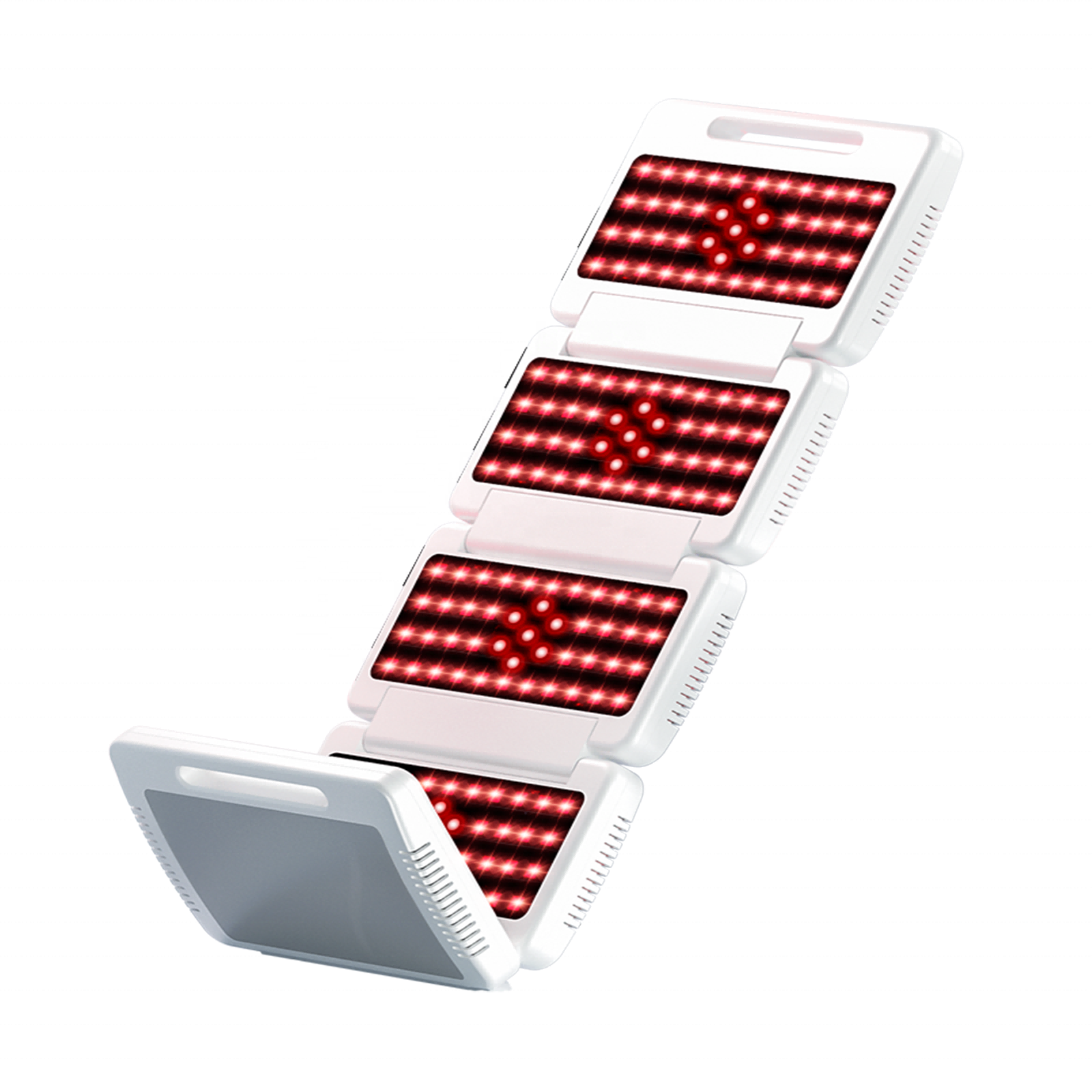
Many conventional treatments for chronic pain or skin conditions only mask symptoms, offering fleeting comfort that fades within hours. Laser therapy, in contrast, works at a cellular level to trigger your body's innate repair mechanisms. By delivering specific wavelengths of light deep into tissue, it stimulates mitochondria to produce more ATP, the energy currency of cells. This boost fuels faster cell regeneration, reduces inflammation, and enhances blood flow — addressing the root cause rather than just numbing the pain.
The lasting impact comes from the therapy’s ability to prompt long-term biological change. As collagen production ramps up and damaged tissues heal from within, patients often experience progressive improvement that continues even after the treatment course ends. It’s not a quick fix that wears off; it’s a regenerative process that rebuilds healthier tissue, offering relief that can last months or even years without the need for constant re-treatment.
Moreover, this approach avoids the pitfalls of repeated medication use or invasive procedures. There’s no drug tolerance buildup, no harsh side effects, and no downtime. Because laser therapy encourages the body to do the healing, the results are genuine and sustainable. For those tired of chasing temporary solutions, it represents a shift toward a solution that actually restores function, not just silences it momentarily.
What Happens During a Session? A Step-by-Step Breakdown
A session typically kicks off with a brief check-in, where you and the practitioner settle into a comfortable rhythm. It’s not a rigid interrogation—more like a natural conversation that helps uncover what’s really on your mind. You might talk through recent challenges, lingering thoughts, or even small wins that deserve recognition. The goal here is to set a clear, shared focus for the time ahead, ensuring the discussion feels relevant and grounded in your actual experience.
Once the groundwork is laid, the middle phase dives deeper. Depending on the approach, you might explore patterns, practice new skills, or gently challenge old assumptions. This is often where the heavy lifting happens—not in a draining way, but through guided reflection that sparks clarity. It’s common to feel a mix of emotions, from relief to curiosity, as pieces start fitting together. The practitioner’s role is to hold space, ask thoughtful questions, and occasionally offer fresh perspectives without pushing an agenda.
Wrapping up, the final minutes shift toward integration. You’ll likely summarize key takeaways, identify any action steps, and settle any lingering thoughts before stepping back into daily life. It’s not about having everything perfectly resolved—more like leaving with a stronger sense of direction. Many find that insights continue to unfold between sessions, often when least expected. Each meeting builds on the last, creating a gradual but steady momentum that extends far beyond the conversation itself.
Common Misconceptions About Laser Pain Relief
Many people assume that laser therapy for pain relief works like a surgical laser, cutting or burning tissue, but that’s not the case. Low-level laser therapy, often called cold laser, uses light at specific wavelengths that don’t generate heat. Instead, it penetrates the skin gently, stimulating cellular activity and promoting natural healing. This means you won’t feel any cutting or burning sensation during treatment—just a mild, soothing warmth, if anything at all.
Another common myth is that laser pain relief provides instant, permanent results after a single session. While some individuals notice reduced discomfort right away, the process typically requires a series of treatments to achieve lasting benefits. The light energy gradually encourages tissue repair and reduces inflammation, so consistency is key. Think of it like physical therapy: the cumulative effect builds over time, and skipping sessions can slow down progress.
There’s also a lingering belief that laser therapy is unsafe or untested, but decades of research and clinical use paint a different picture. It’s been widely adopted by physical therapists, chiropractors, and sports medicine professionals because of its solid safety profile. Side effects are rare and usually limited to mild, temporary skin sensitivity. The idea that it’s experimental or risky is outdated—modern devices are fine-tuned to deliver effective doses without damaging healthy tissue.
The Surprising Speed of Recovery: How Your Body Reacts
When you nick your skin, a cascade of reactions begins almost instantly. Platelets rush to the site, clumping together to form a plug within seconds. Beneath the surface, white blood cells mobilize to fend off any invaders, and the healing process shifts into high gear before you even notice the injury.
It’s not just external wounds that showcase this speed. A microscopic tear in a muscle fiber from a tough workout triggers satellite cells to fuse and repair the damage, often within a day or two. Meanwhile, your liver can regenerate lost tissue at a pace that seems almost magical, restoring function much faster than you’d expect after injury or surgery.
Even at the cellular level, your body is a constant construction site. Old proteins are broken down and replaced, damaged DNA is patched up, and entire cells are recycled in a cycle that keeps you functioning. The silent, ceaseless activity means that by the time you feel “recovered,” your body has already been hard at work behind the scenes for quite some time.
Is Laser Therapy Right for Your Type of Pain?
Pain can be tricky—it often defies one-size-fits-all solutions. Laser therapy stands out because it works with your body's own healing mechanisms, not against them. The real question isn't whether the technology is impressive, but whether your specific pain pattern matches the conditions where it truly excels.
Think about the nature of your discomfort. Is it a nagging, chronic soreness from an old injury, or sharp inflammation from a recent flare-up? Cold laser treatments tend to shine with soft tissue injuries, arthritic joints, and nerve-related pain that hasn't responded well to pills or rest. It's less about the label on your condition and more about how your body typically heals—or fails to heal.
What catches many people off guard is that results often feel subtle at first. Unlike a painkiller that masks symptoms immediately, light therapy aims to quietly rebuild cellular energy over a series of sessions. If your pain stems from deeper structural damage or requires surgical intervention, it may not be the right fit. The trick is to see it as a conversation with your body: sometimes it answers, sometimes it whispers back, and listening closely tells you everything you need to know.
FAQ
It’s a non-invasive treatment that uses specific wavelengths of light to stimulate healing and reduce discomfort. The light energy penetrates the skin and is absorbed by damaged cells, which then kickstart a series of biological responses that ease pain and inflammation.
The light energy interacts with cells in a way that boosts ATP production—that’s the fuel your cells need to function. More ATP means faster repair and less pain signaling. It also increases blood flow to the area and reduces inflammatory markers, giving you relief without drugs.
When performed correctly, it’s very safe. Most people feel nothing more than a gentle warmth during treatment. Side effects are rare and usually minimal—perhaps temporary redness. Since it doesn’t involve medication, there’s no risk of dependency or internal side effects.
It’s widely used for chronic joint pain, backaches, arthritis, muscle strains, and even nerve pain. Many athletes rely on it to speed up recovery from injuries. It’s also gaining ground for conditions like fibromyalgia and post-surgical soreness.
Pills can cause stomach issues or other systemic effects, and injections often provide only temporary relief. Laser therapy addresses the root problem by promoting actual healing in the tissue. Plus, it’s quick, painless, and requires no downtime.
Some notice improvement after the first session, but a typical plan might involve 6 to 12 treatments. It depends on the severity and type of pain. Chronic issues usually take longer to respond than acute injuries, but consistency pays off.
They’re related, but not identical. Red light therapy often uses lower power and may focus more on skin rejuvenation. Laser pain devices emit a more focused, intense beam that can reach deeper tissues, making them better suited for pain deep in joints or muscles.
Conclusion
Laser pain therapy works by channeling specific wavelengths of light deep into tissue, where they interact with cells to jump-start natural repair processes. Unlike numbing gels or pills that simply mask discomfort, this approach targets the root cause—damaged cells struggling to produce energy. The light energizes mitochondria, boosting ATP production and reducing oxidative stress. This real metabolic shift explains why relief isn't just temporary; as cells regain function, inflammation subsides and healing accelerates. Many patients notice improvements after one session, and the body continues repairing for hours afterward. Because the treatment triggers the body's own repair mechanisms, results compound over time, leading to lasting pain reduction rather than a fleeting reprieve.
A common misconception is that laser therapy feels hot or invasive, but the process is entirely painless. During a session, a handheld device glides over the skin, and patients typically feel nothing more than a gentle warmth. The light penetrates without damaging tissue, a fact that surprises those who equate lasers with surgical tools. Treatments last just a few minutes, and there’s no downtime—you can resume daily life immediately. That said, it’s not a one-size-fits-all solution. It excels for conditions like arthritis, tendonitis, and muscle strains, but your clinician will evaluate whether your pain stems from an issue that responds well to photobiomodulation. When it matches, the speed of recovery often surpasses expectations, helping people regain movement and comfort sooner than they thought possible.
Contact Us
Contact Person: Leon Yi
Email: [email protected]
Tel/WhatsApp: +86 17363316873
Website: https://zzgt.en.alibaba.com/