

Best Box-type Substation: Key Features and Selection Tips
2026-08-01
In critical power distribution, a box-type substation isn't just equipment—it's a resilient hub ensuring uninterrupted energy flow. But with so many options, how do you identify the best for your needs? From robust design to smart connectivity, the right features make all the difference. In this guide, we cut through the noise, sharing key selection tips and spotlighting insights from Chang Song, a leader whose solutions redefine reliability in modern power infrastructure.
What Truly Defines a Best-in-Class Box-type Substation?
A best-in-class box-type substation goes far beyond basic containment and voltage transformation. It is a meticulously engineered system where every component, from the enclosure to the switchgear, is selected and integrated to deliver seamless power distribution under the harshest conditions. The true differentiator lies in how well the substation anticipates operational demands—whether it's through corrosion-resistant materials that shrug off coastal salt spray or thermal management designs that keep critical components cool even when ambient temperatures soar. It’s not just about meeting standards; it’s about exceeding them in ways that matter for uptime and longevity.
What often separates a premium unit from an ordinary one is the depth of intelligence embedded within. Modern top-tier substations come equipped with real-time monitoring systems that track everything from partial discharge to humidity levels, feeding data into diagnostic platforms that can flag anomalies before they escalate into failures. This isn’t about dashboards with flashy metrics—it’s about actionable insights that let maintenance teams plan with precision, reducing unplanned outages. The ability to integrate with existing plant networks effortlessly and support remote operation further turns the substation into a proactive asset rather than a silent link in the chain.
Customization is another hallmark. There’s no one-size-fits-all when you’re dealing with mining operations in the Andes, offshore wind farms, or urban infill projects with tight footprints. A best-in-class substation is conceived around the specific load profile, environmental stressors, and spatial constraints of its application. This might mean a low-profile design to slip under zoning restrictions, arc-resistant construction for extra safety in populated areas, or a layout optimized for rapid cable termination. When the engineering adapts to the real world rather than forcing the real world to adapt to the equipment, you get a solution that performs not just on paper, but decade after decade.
Essential Factors Often Overlooked When Selecting a Substation
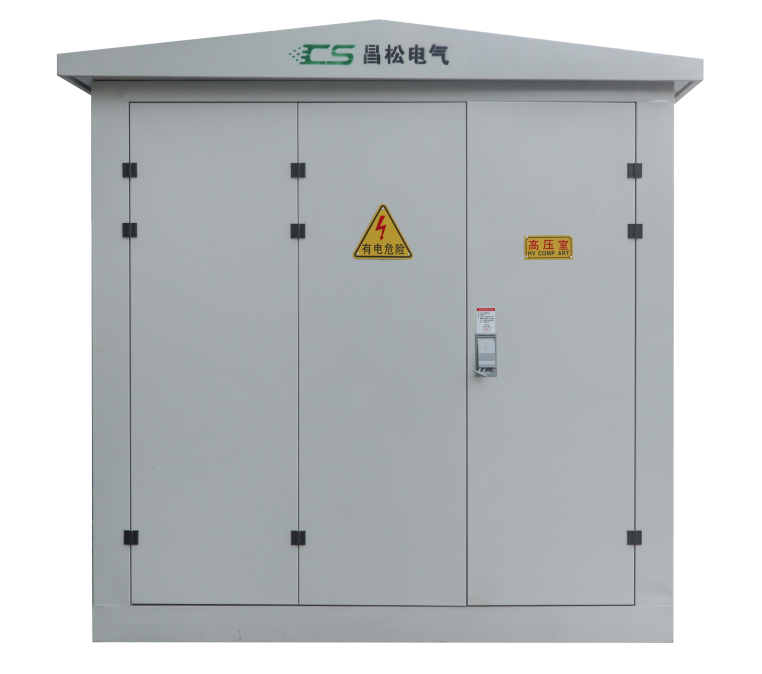
While site selection often focuses on load centers and land availability, the long-term noise profile rarely gets the attention it deserves. Transformers and cooling systems produce a constant low-frequency hum that can travel surprisingly far, especially at night when ambient sounds drop. Communities often tolerate a substation during planning phases but sour on the project once that persistent drone settles into daily life. Without acoustic modeling early on, a site that seemed perfect can become a relentless source of complaints, forcing costly retrofits like sound walls or even equipment replacement. Factor in future noise ordinances likely to tighten over a substation’s 40-year lifespan, and ignoring decibel levels from the outset is a gamble with both finances and public goodwill.
Soil resistivity and thermal characteristics slip past many selection checklists, yet they directly shape ground grid design and cable rating decisions. A site with high resistivity demands more copper and deeper rods to meet safety step-and-touch potential limits, adding significant hidden cost. Equally important, the surrounding soil’s ability to dissipate heat affects how heavily underground cables can be loaded. Clay-heavy soils retain moisture but crack during droughts, losing thermal conductivity; dry sand stays consistently poor. Overlooking these properties can lead to de-rated circuits or premature cable aging—problems that only surface years after construction when remediation becomes disruptive and expensive.
Access during extreme weather often gets a cursory mention but seldom drives the final choice. A substation built on cheaper, flood-plain adjacent land may stay dry during normal operations but become an island during a 100-year storm, delaying restoration when the grid needs it most. Beyond flooding, roads that ice over first or thick mud after heavy rain can block maintenance crews exactly when equipment is stressed. Evaluating not just the existence of access routes but their year-round reliability—including snow removal logistics or floodwater depth markers—saves operators from nightmares where a fully functional substation sits unreachable while an outage drags on.
Where These Substations Shine: Common and Niche Use Cases
From humming city centers to remote industrial sites, these substations prove their worth in ways both predictable and surprising. The most familiar sight is the compact urban unit, tucked neatly between commercial buildings, silently stepping down voltage for high-rise apartments and office towers. They handle the everyday ebb and flow of modern life without fuss, keeping elevators moving and servers humming without demanding a sprawling footprint.
Look beyond the obvious, and you'll spot them enabling niche applications that rarely make the headlines. Picture a mobile substation rolling into a disaster zone, restoring power to a field hospital within hours, or a containerized setup dropped onto a mining site where grid access is a distant dream. These units don't just adapt—they specialize, featuring reinforced enclosures for coastal salt spray or whisper-quiet cooling for noise-sensitive neighborhoods.
What truly sets them apart is how they blend into infrastructure that most people never notice. Railway lines draw traction power from substations disguised as maintenance buildings; data centers lean on factory-built modules that arrive ready to plug in. In an era of rising renewable penetration, even solar farms in the desert count on ruggedized versions that laugh off sandstorms while keeping inverters cool. The common thread isn't just reliability—it's the ability to solve a specific problem in a specific place without demanding the world change around them.
Emerging Technologies Reshaping Box-type Substation Design
The shift toward digital twins is quietly revolutionizing how box-type substations are conceived and maintained. Instead of relying solely on static blueprints, engineers now create virtual replicas that mirror every component, from circuit breakers to cooling fans. These living models ingest real-time sensor data, enabling predictive maintenance schedules that cut downtime by anticipating failures before they happen. For operators, it’s like having a crystal ball that reveals thermal hotspots or insulation degradation weeks in advance, transforming reactive repairs into proactive care.
Solid-state transformers are another leap forward, shedding the bulk and inefficiency of traditional copper-and-iron designs. By using power electronics and high-frequency magnetics, they shrink the footprint dramatically while offering dynamic voltage regulation and fault isolation. This isn’t just about saving space—it’s about turning a passive substation into an active grid node that can seamlessly integrate solar arrays or electric vehicle chargers without extra converters. The result feels less like a metal box humming on a street corner and more like a quiet, intelligent energy hub.
Modularity and prefabrication are being redefined by automated manufacturing techniques borrowed from the automotive industry. Robotic welding and laser-cut enclosures produce weatherproof cabins with tolerances that hand-assembled units can’t match. These factory-built modules snap together on site in days rather than weeks, and because the internal busbars and switchgear are pre-commissioned in a controlled environment, the risk of installation errors plummets. It’s a pragmatic evolution—faster deployment, less waste, and a consistency that turns each substation into a reliable building block for tomorrow’s grid.
Longevity Secrets: Maintaining Your Substation for Decades
Think of your substation as a living, breathing entity that thrives on routine care. Over decades, the real secret isn't just fixing things when they break—it's the quiet, consistent attention you give to the assets before warning signs appear. Thermal imaging of connections, dissolved gas analysis of transformer oil, and checking for subtle corrosion on busbars might seem mundane, but these are the rituals that catch failures years in advance. When you make this part of a weekly rhythm, you start to notice patterns—a slight temperature rise in a breaker that correlates with seasonal loads, or a slow change in insulation resistance. That awareness allows you to act during scheduled outages, not at 2 a.m. during a storm.
Another layer of longevity comes from documentation that actually tells a story. Instead of dry checkbox lists, keep a living log where technicians note observations like “slight humming change in transformer T3 at 70% load” or “operating mechanism felt stiffer than usual.” Over ten or twenty years, this becomes a rich history that helps diagnose intermittent issues that no standard test would reveal. Combine this with thorough parts management—keeping critical spares calibrated and stored properly, and tracking lead times for obsolete components—and you avoid the slow decay caused by makeshift repairs. Substations often fail not from catastrophic events, but from cumulative neglect of these small details.
Finally, respect the environment and adapt to it. A substation in a coastal area battles salt spray and humidity differently than one in a dry, dusty desert. Tailor your protective coatings, ventilation, and even vegetation management around the actual threats. Sometimes a simple change—like adding sunshades to reduce thermal cycling or relocating air intakes to avoid clogging from nearby trees—can add years to sensitive electronics. And never underestimate the value of training the next generation of operators who will inherit these assets. When you pair institutional knowledge with modern monitoring tools, you create a legacy of reliability that truly spans decades.
Costly Mistakes to Avoid During Substation Procurement
Rushing through the specification phase often leads to costly mismatches between equipment capabilities and actual site demands. Skipping a thorough load analysis or assuming existing infrastructure will seamlessly integrate with new components can result in transformer overloads, protection failures, or even complete system outages. Taking the time to map out every operational scenario—from peak demand to fault conditions—pays off when the substation performs reliably for decades.
Overlooking long-term maintenance and lifecycle costs is another trap. Buyers frequently fixate on initial purchase prices while ignoring expenses tied to spare parts availability, specialized labor, or compatibility with existing monitoring systems. A transformer that seems like a bargain may drain budgets if its cooling system requires non-standard components or if local crews need extensive retraining to service it. Smart procurement weighs the total cost of ownership, including energy losses and upkeep, from day one.
Treating procurement as a purely transactional process rather than a strategic partnership invites trouble. The lowest bidder often cuts corners on testing, documentation, or factory acceptance procedures. When contractors bypass rigorous inspection to meet deadlines, hidden defects surface only after installation—turning what looked like a win into an expensive overhaul. Building relationships with suppliers who prioritize transparency and onsite support helps catch issues before they escalate into emergency repairs.
FAQ
A top-tier box-type substation is built with a robust, weather-resistant enclosure, often using materials like stainless steel or galvanized steel to handle harsh environments. Inside, it integrates a compact yet efficient layout of transformers, switchgear, and protection systems, designed for safe, low-maintenance operation.
Start by calculating total load requirements, including future expansion plans. Factor in peak demand and a safety margin—typically 15–20%. It's also wise to review voltage ratings and ensure compatibility with local grid standards to avoid overloading.
Key safety elements include arc-fault containment, proper grounding systems, fire-resistant barriers, and built-in surge protection. Look for units with clear labeling, emergency stop mechanisms, and compliance with IEC or IEEE standards.
Modular designs allow for easier transportation, faster installation, and flexibility to scale up later. Compact units save footprint without sacrificing performance, making them ideal for urban or space-constrained sites like commercial complexes or renewable energy projects.
Proper ventilation prevents overheating and extends equipment life. Look for designs with natural or forced-air cooling, louvered vents, and possibly air conditioning for high-temperature regions. Inadequate cooling is a leading cause of premature failures.
The IP rating indicates resistance to dust and moisture. For outdoor installations, aim for at least IP54 or higher. This ensures the substation can withstand rain, dust storms, or humidity, reducing maintenance needs and downtime.
Conclusion
A top-tier box-type substation isn't just about compact design—it's a harmony of robust engineering, seamless integration, and long-term resilience. The best units pair high-grade, corrosion-resistant enclosures with intelligent thermal management, ensuring stable operation even in harsh environments. Internally, they prioritize modular layouts and premium components like vacuum circuit breakers and dry-type transformers, which minimize maintenance and fire risks. Yet, what often separates good from exceptional are the overlooked details: proper site assessment for flood risk and soil corrosivity, strategic ventilation to prevent condensation, and forward-looking capacity margins that accommodate future load growth without costly overhauls.
Selection demands more than checking datasheets. Smart buyers scrutinize real-world performance—assessing noise levels for urban installations, verifying seismic certifications in active zones, and ensuring compatibility with local grid standards. Niche applications, from remote mining operations to rapid-deployment EV charging hubs, highlight the need for tailored features like dust filtration or integrated SCADA-ready controls. Meanwhile, emerging technologies are quietly transforming the field: eco-friendly solid-insulated switchgear, AI-driven predictive maintenance sensors, and plug-and-play microgrid interfaces are no longer futuristic. To maximize lifespan, proactive maintenance regimes are key—focusing on thermal imaging inspections, gasket integrity, and dielectric testing. Procure wisely by avoiding shortsighted cost-cutting on core components and by demanding detailed factory acceptance testing; skipping these steps often leads to premature failures and inflated lifecycle expenses. Ultimately, the best choice blends technical rigor with a clear-eyed view of the substation's role in a dynamic electrical infrastructure.
Contact Us
Contact Person: Tonglun Chen
Email: [email protected]
Tel/WhatsApp: 8618906642555
Website: https://www.cncsele.com