

Aseptic Cheese Sauce Benefits and Uses for Shelf-Stable Recipes
2026-11-25
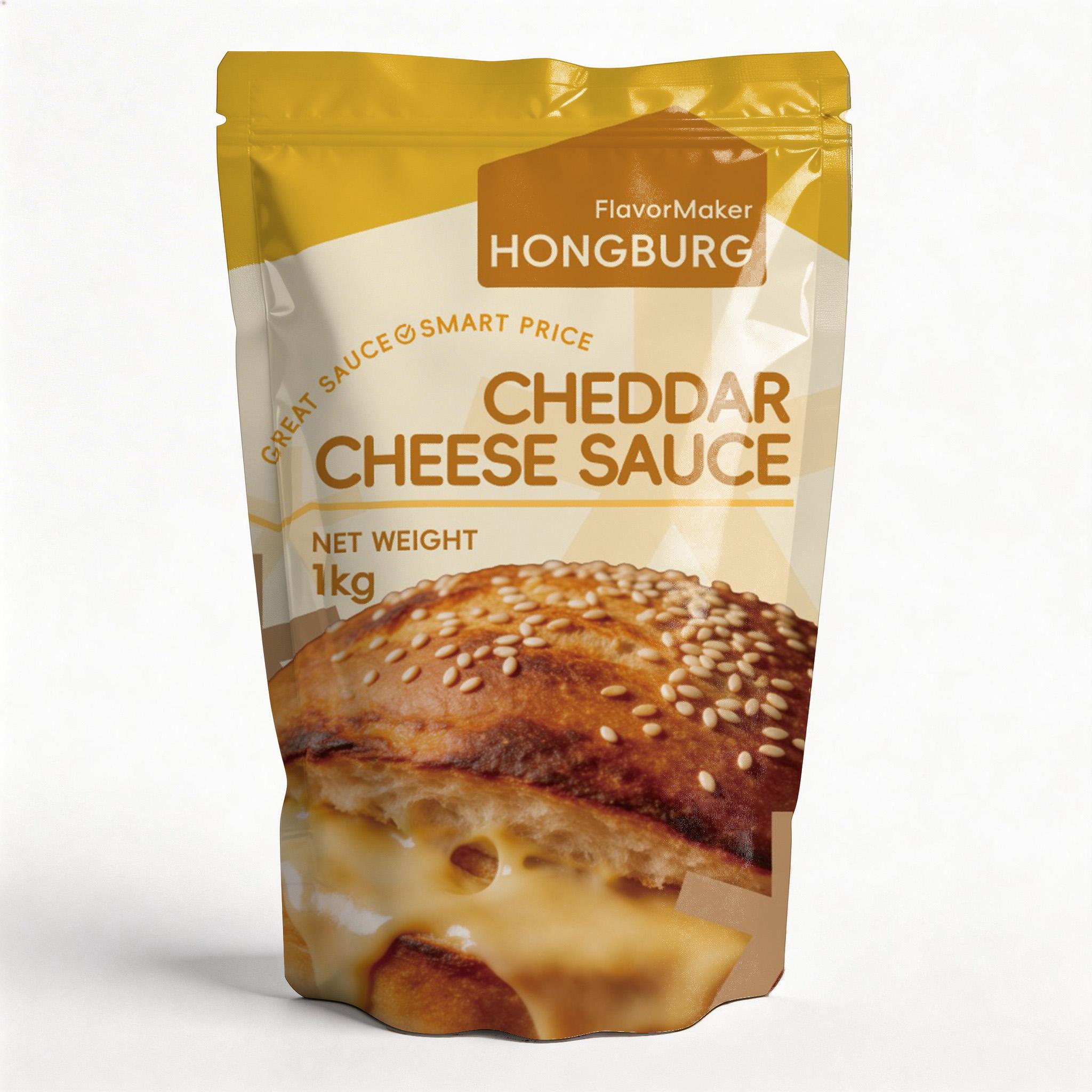
Cheese sauce has always been one of those ingredients that tastes great fresh but turns tricky when you need it to hold up on a shelf. That’s where aseptic cheese sauce changes the equation. It keeps the creamy body and sharp, savory flavor intact while giving developers a stable base for everything from pantry pasta meals to heat-and-eat side dishes. In this guide, we’re looking at the real benefits of aseptic cheese sauce and how HONGBURG FLAVORMAKER is helping brands build better shelf-stable recipes without settling for bland or gritty results.
What No Refrigeration Actually Changes About Cheese Sauce
Most shelf-stable cheese sauces lean on processed cheese, modified starches, and preservatives to hold their silky texture at room temperature. Without the need for cold storage, the sauce can afford a looser, spoonable consistency that doesn’t seize up the moment it hits a warm chip or pretzel. The trade-off shows up in the flavor profile—sharp cheddar notes get rounded off into a mellow, almost buttery backdrop, while salt and acidity step forward to keep the product tasting lively out of a jar.
Another quiet shift happens with how the sauce behaves during reheating. Refrigerated versions often split into oily pools if you rush them, but a no-fridge recipe is built to survive microwaves, stovetops, and steam tables without breaking. That stability comes at the cost of some dairy depth; real cream and aged cheese are usually replaced with whey, milk solids, and emulsifying salts. The result is smooth and predictable, though it rarely delivers that sticky, pull-apart cheese pull people expect from a freshly made roux-based sauce.
Perhaps the most overlooked change is serving temperature itself. A cheese sauce designed for the pantry can be poured straight from the container or gently warmed, and it holds its gloss for hours. Cold storage, by contrast, forces a firmer, more gelatinous set that needs careful coaxing back to life. That practical difference shapes everything from concession stand nachos to home movie nights—what you lose in fresh dairy character, you gain in convenience and a sauce that rarely clumps, curdles, or turns grainy on the second day.
The Texture Advantage of Aseptic Processing
Most discussions about aseptic processing fixate on shelf life or nutrient retention, but the real difference often shows up in how a product feels on the tongue. Because the product and its container are sterilized separately, then combined in a closed environment, there is no prolonged heat soak that forces starches to degrade or proteins to tighten excessively. That gentler thermal history preserves the subtle contrasts—think of a fruit puree that still holds small, distinct fiber pieces instead of collapsing into a uniform paste, or a dairy base that keeps a clean, milky roundness without the scorched note that high-temperature retort systems sometimes leave behind.
The advantage becomes even more apparent when you compare the same recipe run through conventional canning versus aseptic filling. In a retort, the slow come-up and cool-down phases act like an extended cooking step, breaking down pectin gels, smoothing out diced particulates, and pushing emulsions toward a greasier mouthfeel. Aseptic lines flash-heat the product for seconds, then cool it just as fast. That narrows the window for viscosity drift and phase separation, so a tomato salsa can keep its fresh-cut tomato identity, and a ready-to-drink protein shake avoids the chalky, clotted texture that emerges after long exposure to heat. You are not just preserving the ‘flavor’ of fresh—you are preserving the physical structure that carries that flavor.
For product developers, this opens a lane that traditional thermal processing closes off. You can work with fragile thickeners like starch blends that would otherwise shear or thin out under sustained heat, or use smaller particle sizes that stay suspended because the matrix has not been overcooked into syneresis. The payoff is not theoretical—it is the difference between a spoonable yogurt drink with a creamy, resilient body and a watery, separated version of the same formula. Aseptic processing does not just protect what you put in the package; it protects the way the consumer experiences every spoonful, sip, or dollop.
Weeknight Meals That Start with a Shelf-Stable Pouch
Some nights you just want dinner to materialize without a pile of chopping or a sink full of pans. Enter the shelf-stable pouch—those humble packets of cooked grains, simmered legumes, or saucy vegetables that have been waiting quietly in the pantry. They're not glamorous, but they're reliable. Open one up, and you're already halfway to a meal that feels far more considered than it has any right to be.
The trick is treating the pouch as a foundation, not a finished dish. A packet of brown rice or quinoa turns into a proper bowl with a handful of greens, a fried egg, and a spoonful of chili crisp. Lentils or chickpeas can be warmed with garlic, olive oil, and a splash of vinegar until they taste like you spent an hour on them. Even a basic tomato or curry simmer sauce becomes something lively when you add a can of coconut milk, a few frozen peas, and whatever protein is lurking in the fridge.
What makes this approach stick is the rhythm of it: keep a few pouches on hand, and the question stops being “what can I make?” and becomes “what do I want tonight?” The pouch answers the hardest part—starting—and leaves you room to improvise with crisp toppings, fresh herbs, or a squeeze of lemon. On a Tuesday at 6 p.m., that small head start is worth more than any meticulously planned recipe.
Casseroles and Dips That Benefit from a Creamy Pantry Base
A good creamy pantry base can rescue even the most basic casserole from blandness. Instead of reaching for heavy cream every time, keep condensed soup, Greek yogurt, or a simple white sauce starter on hand. These ingredients blend into baked pasta, shredded chicken, or roasted vegetables without turning the dish into a soupy mess. The key is to add them slowly while the filling is still warm, so the texture stays velvety rather than curdled.
Dips also become more forgiving when you build them on a reliable creamy base. Sour cream, mayonnaise, or a mix of softened cream cheese gives you room to experiment with herbs, roasted garlic, or a spoonful of pepper jelly. Because the base is neutral, you can taste and adjust seasoning without worrying about overpowering the other ingredients. A pinch of smoked paprika or a little lemon zest is often enough to make the dip feel intentional rather than rushed.
What makes these pantry staples so useful is their ability to stretch a recipe without dulling the flavor. Stir a few spoonfuls of cream cheese into leftover mashed potatoes before baking, or thin yogurt with a little broth for a lighter casserole binder. You get a smooth, cohesive texture that holds everything together, while still leaving room for the main ingredients to stand out.
Flavor Pairings for When Fresh Dairy Isn't in the Cards
When the usual splash of cream or knob of butter is off the table, the job of rounding out a dish falls to ingredients with a little more personality. Toasted nuts, coconut milk, and even a spoonful of tahini can step in and carry the richness, but they need sharper companions to keep things lively. A hit of citrus zest, a scrape of vanilla bean, or a pinch of smoked salt does more than fill the gap—it changes the conversation entirely. Roasted stone fruit with cardamom and a drizzle of olive oil, for instance, can feel just as indulgent as anything dairy-based.
On the savory side, nutritional yeast, caramelized onions, and slow-roasted garlic give sauces and spreads a savory depth that reads almost cheesy without a drop of milk. Pair that foundation with bright acids like sherry vinegar or lemon juice, and the contrast keeps the palate from getting weighed down. If you are working with oat or almond milk in a dessert, lean into flavors that can stand up to their natural sweetness: bittersweet cocoa, espresso, dark rum, or toasted coconut flakes all settle in nicely where fresh dairy would normally sit.
Long-Term Food Prep with a Cheese Sauce Built to Last
A cheese sauce that breaks or turns grainy after a day in the fridge turns meal prep into a gamble. The fix starts with a roux cooked low and slow, then thinning it with whole milk before adding cheese off the heat. This keeps the fat and liquid from fighting each other, so the sauce holds its silky texture through several reheats. For batch cooking, make a larger pot, portion it while still slightly warm, and press plastic wrap directly onto the surface before sealing. That small step prevents the rubbery skin that forms when air hits the sauce.
Freezing works, but the cheese choice matters more than the technique. Sharp cheddar, Monterey Jack, and processed melting cheese hold together better than soft or aged varieties that tend to separate. Stir in a teaspoon of sodium citrate or a little evaporated milk if you want extra insurance against clumping. When it is time to use a frozen batch, thaw it in the fridge overnight and warm it gently in a saucepan with a splash of milk, whisking until it comes back together. This sauce slots into pasta bakes, nachos, or steamed vegetables without turning into an oily mess.
Keep a few portions in the coldest part of the fridge for the week ahead, and label the freezer bags with the date so nothing gets lost behind the ice trays. The goal is a sauce that behaves the same on day ten as it did on day one, which means you spend less time fixing a broken emulsion and more time actually eating.
FAQ
It is cooked at a very high temperature and sealed in sterile packaging, so it can sit on a pantry shelf without spoiling. That also means it skips the harsh preservatives and keeps a cleaner dairy flavor than many jarred dips.
Not at all. As long as the package stays sealed and undamaged, room temperature storage is fine. A cool, dark cupboard works best, but it can handle a warm pantry without separating.
Think beyond chips. It works as a fast base for mac and cheese, a binder for casseroles, a pour-over for roasted vegetables, or a dip for pretzels after a quick warm-up.
Go low and slow. A saucepan over medium-low heat with a splash of milk or water usually brings it back to a silky consistency, and a whisk helps if it looks slightly grainy.
Yes, it is fully cooked and safe as-is. Cold, it is thicker and good for spreading on sandwiches or wraps; warm, it loosens up into a pourable sauce.
Treat it like fresh dairy after opening. Keep it in the fridge and aim to finish it within five to seven days. If the surface separates, stir it back together during gentle reheating.
Absolutely. It is one of the few cheese sauces that travels well without a cooler. Just remember that after opening, the clock starts and leftovers need to be kept cold.
Conclusion
Keeping a pouch of aseptic cheese sauce on the shelf changes how quickly a meal comes together, since the lack of refrigeration needs doesn't just save fridge space; it means the sauce stays smooth and ready without the gritty edge or skin that often forms after dairy is chilled and reheated. The aseptic process locks in a velvety texture that holds up when stirred into hot pasta, folded into a skillet supper, or thinned with a splash of stock for a fast weeknight pan sauce. For busy evenings, that pantry staple becomes the base for a sturdy mac and cheese, a quick topping for baked potatoes, or a shortcut for loaded nachos when there's no time to start a roux.
In casseroles and dips, the same creamy base adds body without requiring fresh milk or butter, which is useful when the refrigerator is low or the weather makes a store run less appealing. It pairs well with sharper, more aggressive flavors that can stand up to its richness: roasted green chiles, smoked paprika, dry mustard, pickled jalapeños, black pepper, and even a little nutmeg or cayenne. Because it is built to last, it also fits into long-term pantry planning, camping boxes, or a rotation of emergency meal supplies where a dependable dairy-like sauce would otherwise be missing. Rather than tasting like a compromise, it functions as a neutral, adaptable ingredient that takes on the character of whatever spices, vegetables, or proteins are already in the pot.
Contact Us
Contact Person: Peter Song
Email: [email protected]
Tel/WhatsApp: +86 18920189778
Website: https://www.hongburg.com